Hojicha Powder: The Complete Culinary Guide, Buying Tips + 2026 Trends
Matcha had its moment. Baristas still love it, and always will — but the more interesting thing happening in professional kitchens and specialty cafés right now is the shift toward hojicha powder. Where matcha brings grassiness and bright-green drama, hojicha powder brings warmth: toasted nuts, caramel, a whisper of cocoa, and a reddish-brown color that photographs like a dream at golden hour. Chefs and bakers have noticed that hojicha is easier to work with — it loves heat, it doesn't fight dairy, and the pyrazine compounds that give it a toasty aroma are chemically identical to the roasted notes in dark chocolate and maple syrup, creating instant flavor harmony across dozens of applications.
The “Post-Matchamania” era is here. Specialty beverage consultants, pastry chefs, and food trend analysts at Innova Markets have all flagged hojicha — particularly its powdered form — as one of the defining ingredients of 2026. Ready-to-drink hojicha beverages are growing at 9.7% annually. The Vienna Einspänner trend has migrated from coffee to hojicha. And the “fibermaxxing” movement — maximizing whole-food fiber intake — has sent a wave of health-conscious consumers toward ground leaf teas like hojicha powder, where the entire leaf is consumed rather than discarded after steeping.
This guide covers everything: what hojicha powder is made of and why it behaves the way it does, how to buy quality powder and avoid inferior products, seven specific culinary applications with techniques, and a detailed look at the growing market for hojicha powder and its place in modern gastronomy — including how to make the most of powder recipes in both sweet and savory dishes.
Hojicha powder quick answer: Hojicha powder is finely ground roasted Japanese green tea — typically from bancha or kukicha leaves — milled to 5–15 microns for smooth texture. It contains just 7.7–15mg caffeine per cup, produces toasty, caramelized flavors via pyrazine formation, and performs better than matcha in high-heat cooking applications because its flavor profile intensifies rather than degrades during baking.
What Is Hojicha Powder?
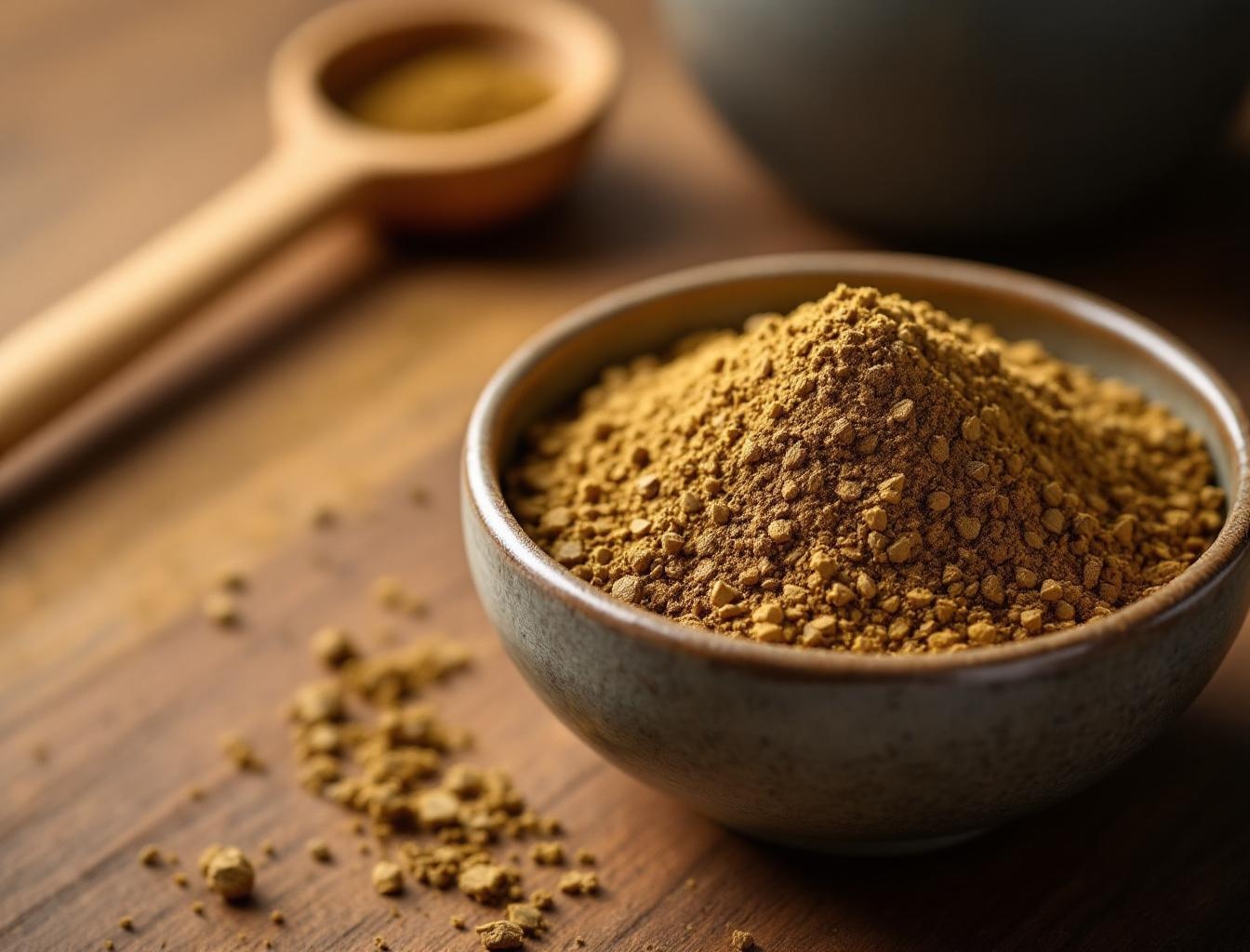
Hojicha powder is finely ground roasted Japanese green tea, made from bancha or kukicha leaves and stems fired at 150°C–200°C until the Maillard reaction transforms them into a warm reddish-brown powder with toasted, caramel, and cocoa notes. Unlike matcha — which is made from tencha leaves shaded 20–30 days before harvest and slowly stone-milled into an emerald green powder — hojicha powder begins with fully mature leaves and tea plant stems that would otherwise be low-value raw material. The roasting process is what elevates them.
The result is a powder that tastes nothing like green tea in the traditional sense. There is no grassiness, no vegetal bitterness, none of the astringency you get from unroasted leaves. Instead: warmth. Toast. A long finish that rhymes with dark chocolate. This is because roasting at 150°C–200°C triggers the Maillard reaction between L-theanine (an amino acid abundant in green tea) and the leaf's reducing sugars, producing pyrazine compounds — specifically 2,5-dimethylpyrazine and 2-ethyl-3,6-dimethylpyrazine — that are responsible for the aroma of toasted bread, roasted nuts, and cocoa.
For culinary purposes, hojicha powder's most important property is heat stability. While matcha chlorophylls degrade and turn dull olive-green above 80°C, hojicha‘s reddish-brown melanoidin pigments are already thermally stable — a product of the roasting process. You can bake hojicha powder into a chiffon cake at 170°C and the flavor deepens rather than diminishes. This single property opens up an entirely different universe of cooking applications that matcha simply cannot access.
For anyone curious about the full hojicha vs. matcha comparison, flavor profiles, and caffeine breakdown, our hojicha vs. matcha guide covers the topic in depth. For the complete hojicha buying guide focused on loose-leaf form, see our hojicha powder overview.
How Hojicha Powder Is Made: The Roasting Science
Understanding the chemistry of roasting explains why hojicha powder behaves so differently from every other tea-based ingredient — and why it is genuinely superior in high-heat cooking contexts.
The process begins with raw bancha (mature leaf tea) or kukicha (twig and stem tea) that has already been steamed, rolled, and dried in the conventional Japanese green tea process. These leaves enter a roasting chamber — traditionally a charcoal-heated iron pot called a hoiro, in modern production a temperature-controlled rotary drum roaster — and undergo a carefully staged thermal progression.
The initial heating phase runs from 100°C to 140°C. Here, residual moisture evaporates and the leaves prepare for browning. Cell walls soften, and volatile grassy compounds (hexanal, (Z)-3-hexenol) begin to evaporate — which is why the grassy taste of the original green tea disappears entirely. Then the main roasting phase begins at 150°C–200°C. This is where the Maillard reaction accelerates: L-theanine and other amino acids react with the leaf's reducing sugars to generate alkylpyrazines at high concentrations. Roasters using modern rotary drums often apply heated silica grit inside the chamber to distribute heat evenly across the folded, irregular leaf surfaces without localised scorching.
The critical moment is thermal quenching: because tea leaves have extremely low mass, they retain almost no thermal momentum, so a master roaster must halt the process the instant target pyrazine concentration and colour are achieved — typically by blasting ambient air or transferring to refrigerated cooling trays. If the roast continues past 180°C without control, temperatures enter the carbonisation zone, and the aromatic compounds begin to pyrolyse into bitter ash notes.
Caffeine Sublimation: The Low-Caffeine Advantage
The high temperatures used in hojicha production cause caffeine to sublimate — caffeine crystals vaporise directly from the leaf without passing through a liquid phase. The result is a finished powder containing just 7.7–15mg of caffeine per prepared cup, compared to 35–70mg in matcha and approximately 95mg in a standard cup of brewed coffee. This makes hojicha powder one of the very few flavourful, complex tea powders appropriate for evening consumption, for people sensitive to caffeine, or for children's beverages and desserts where stimulant content matters.
L-Theanine and the Calm Energy Effect
Despite the intense heat, meaningful quantities of L-theanine survive in high-quality hojicha. L-theanine promotes alpha brain wave activity — a state associated with alert calm, similar to what experienced meditators enter. The combination of low caffeine and preserved L-theanine means hojicha provides a gentle, grounded mental lift without the spike-and-crash pattern associated with coffee or high-caffeine teas. In baking and cooking applications, this is largely academic — but for beverages, it matters to the growing segment of consumers actively managing their relationship with stimulants.
How to Buy Hojicha Powder: Complete Quality Guide
Quality in hojicha powder is not particularly expensive to achieve — but the variance between good powder and poor powder is enormous. Here is exactly what to evaluate before purchasing, especially when considering barista-grade vs culinary applications.
The Roast Spectrum: Light, Medium, and Dark
Every hojicha powder producer makes roast-level choices that determine flavour, colour, and best application. Understanding where a specific product falls on the spectrum is the single most important buying decision after origin.
| Roast Level | Colour | Primary Flavour Notes | Best Applications |
|---|---|---|---|
| Light Roast | Amber-brown | Honey, toasted rice, almond, floral finish | Delicate jellies, panna cotta, white chocolate pairings, cold brew |
| Medium Roast | Warm reddish-brown | Malt, caramel, milk chocolate, gentle smoke | Lattes, chiffon cake, ice cream base, hojicha latte |
| Dark Roast | Deep reddish-brown | Cacao husk, cedar, espresso, deep smoke | Dry rubs, risotto, miso glaze, brownies, high-heat baking |
Most brands that sell to home cooks and café operators without specifying roast level are producing medium roast — the broadest-utility profile. If you want to cook savory applications or high-heat baking, look for a dark roast or contact the brand directly to ask about their target temperature range.
Visual and Aroma Quality Tests
When you open a new container of hojicha powder, run these checks before using it:
Colour check: Premium hojicha powder displays a warm reddish-brown with a subtle natural sheen — the sheen comes from the tea's natural oils that survived the roasting process intact. A flat, dull grey-brown colour signals either carbonisation (over-roasted), poor-quality raw material, or significant oxidation from improper storage.
Aroma check: Put your nose directly over the container immediately after opening. You should get warm toasted notes — nuts, caramel, a hint of chocolate — with a clean finish. If the first impression is ash, smoke, or a flat “burnt” note, the powder is carbonised or stale. If you smell nothing much at all, the volatile pyrazines have oxidised away — this is ageing powder.
Texture check: Run a small amount between two fingers. It should feel silky and uniform, not gritty. Grittiness indicates particle sizes above 20–30 microns — this powder will feel sandy in beverages and produce an uneven matrix in baked goods. Quality culinary-grade hojicha powder is milled to 5–15 microns for smooth solubility.
Origin and Cultivar: Why Source Geography Matters
The provenance of hojicha powder affects both quality and flavour baseline in ways that are difficult to compensate for later. The gold-standard origins are Uji (Kyoto Prefecture) and Shizuoka Prefecture, which collectively account for the majority of premium Japanese tea production. Emerging origins like Oita Prefecture on Kyushu also produce distinctive hojicha with unique terroir characteristics. Uji teas are grown in a microclimate shaped by morning mist from the Uji River — slow maturation produces leaves with more complex amino acid profiles even in unshaded bancha, which gives roasted powder a richer base to work from.
Shizuoka is Japan's largest tea-producing prefecture by volume and includes numerous specialist producers with deep expertise in controlled roasting. Powder labeled simply “Japan origin” without specifying prefecture may be blended from multiple regions for price consistency — acceptable for basic applications but not ideal if you care about distinguishing between roast profiles.
Avoid powder with “China origin” or no origin declaration. Chinese-processed hojicha-style powder typically lacks the cultivar selection, roasting expertise, and freshness control of Japanese production. The flavour difference is noticeable.
Cultivar Differences: Yabukita vs. Okumidori
Most commercially available hojicha powder is made from the Yabukita cultivar, which accounts for approximately 75% of Japanese tea cultivation. Yabukita produces a robust, reliable roast profile — classic malt and chocolate notes that perform consistently across batches. It is the safe, versatile choice.
Boutique producers occasionally specify Okumidori, a cultivar originally developed for shaded tea production in Uji. When processed into hojicha, Okumidori produces a noticeably sweeter, smoother result — more caramel than smoke, with a lingering finish that works particularly well in delicate dessert applications like panna cotta or ice cream bases. Senbird Tea (senbirdtea.com) is one of the few brands that discloses cultivar information at point of sale; their Hojicha Homura product specifies the Okumidori cultivar and names the producing farmer.
Brands Worth Knowing
The hojicha powder market has consolidated around a handful of specialists worth knowing:
- Hojicha Co. (hojicha.co) — Kyoto-sourced, small-batch roasted, freshly packaged. The brand that arguably defined the specialty hojicha powder category for English-speaking markets. Their Original Hojicha Powder (100g / $25) is a medium roast standard worth benchmarking against.
- Jade Leaf Matcha — Their Organic Hojicha Powder Barista Edition is designed specifically for milk-based drinks and is widely available. Good entry point. Note: their JSON-LD schema has known implementation errors (liquid template errors) that do not affect the product.
- Senbird Tea (senbirdtea.com) — Best-in-class structural transparency: they disclose tencha vs. bancha leaf base, cultivar (Okumidori), and producing farmer name (Hiroshi Sato). Scientific citations in product copy. Higher price tier but defensible.
- Ippodo Tea (ippodotea.com) — Kyoto institution since 1717. Known primarily for gyokuro and matcha; their hojicha lineup is loose-leaf focused, but their ground hojicha is available and carries exceptional terroir. Best for purists willing to pay for provenance.
You can also explore our hojicha powder selection for curated options with full origin and roast level information.
Hojicha Powder vs. Loose-Leaf Hojicha: Which Should You Buy?
These are different products for different use cases. Neither is universally superior — the right choice depends on what you are making.
| Feature | Hojicha Powder | Loose-Leaf Hojicha |
|---|---|---|
| Culinary versatility | High — mixes into batters, sauces, glazes | Low — must steep and strain, limited to beverages |
| Beverage preparation | Direct whisk or blend — no straining needed | Steep 30 sec–1 min, strain leaves |
| Flavour intensity | Higher — full leaf material in suspension | Lower — flavour depends on steep time and temperature |
| Caffeine | Slightly higher (whole leaf consumed) | Slightly lower (partial extraction) |
| Fibermaxxing benefit | Yes — whole leaf = dietary fibre | No — fibre stays in the strained leaves |
| Price per serving | Higher | Lower |
| Shelf stability | Lower — fine particles oxidise faster | Higher — larger leaf surface oxidises more slowly |
| Best for | Baking, cooking, specialty drinks, ice cream | Daily drinking tea, cold brew, simple hot preparation |
For daily drinking, loose-leaf hojicha is the more economical and practical choice — and a far better product than tea bags. For any application where you want hojicha flavour throughout a dish rather than alongside it, powder is the answer.
7 Ways to Cook with Hojicha Powder
This section is the practical core of this guide. Each application includes a technique note, the molecular reason it works, and a difficulty assessment. All seven are kitchen-tested.
1. Classic Hojicha Latte
Technique: Sift 1.5 teaspoons (approximately 4g) of hojicha powder into a cup or bowl. Add 60ml of water heated to 80°C–90°C and whisk vigorously (bamboo chasen or small electric frother) for 20–30 seconds to create a smooth, foam-flecked slurry. Steam or heat 180ml of whole milk or oat milk separately and pour over the slurry. Sweeten with a small measure of simple syrup or brown sugar if desired.
Why it works: The 80°C–90°C water temperature is high enough to suspend the fine particles and activate the powder's aromatics without scalding the delicate pyrazine compounds. Oat milk's natural maltiness harmonises with hojicha‘s caramel notes. Dairy fat in whole milk binds aroma compounds and creates a creamy mouthfeel.
Difficulty: Easy. The gateway application — master this first.
2. Hojicha Panna Cotta
Technique: Bloom 2.5 teaspoons of powdered unflavoured gelatin in 60ml of cold water for 5 minutes. In a heavy saucepan, combine 480ml of heavy cream, 360ml of whole milk, and 2 tablespoons of hojicha powder. Whisk cold to incorporate the powder before applying heat. Warm over medium-low heat, stirring constantly, until the mixture reaches 75°C — do not boil. Remove from heat, add the bloomed gelatin and 3 tablespoons of sugar, stir until dissolved, strain through a fine-mesh sieve, and pour into moulds. Refrigerate at least 4 hours.
Why it works: The 1 tablespoon per 480ml cream + 360ml milk ratio (from the NLM technical analysis) delivers tea intensity without overwhelming the gelatin's structural matrix. Keeping temperature below boiling prevents gelatin degradation. The melanoidin pigments give the panna cotta a gorgeous caramel colour that reads as visually premium.
Difficulty: Intermediate. Thermometer required.
3. Hojicha Chiffon Cake
Technique: Sift 3 tablespoons of hojicha powder with the flour twice — once into a bowl, then again into the mixing bowl — to ensure even distribution and prevent bitter pockets from concentrated powder. Cream of tartar (1/4 teaspoon per 4 egg whites) is not optional; it stabilises the meringue during the extended folding required to incorporate the powder-flour mixture without deflating the batter. Bake at 170°C in an ungreased tube pan. Do not open the oven before 35 minutes.
Why it works: Hojicha‘s heat stability means the flavour deepens as the cake bakes — this is the opposite of what happens with matcha, which turns dull and slightly bitter above 80°C. The double-sifting distributes the fine particles through the flour matrix, preventing pockets of concentrated tea flavour. The toasty pyrazines become more pronounced during baking, producing a cake that smells better out of the oven than the raw batter suggests.
Difficulty: Intermediate-Advanced. Requires understanding of chiffon technique before adding the hojicha variable.
4. Hojicha Dry Rub for Salmon or Pork
Technique: Combine 1 tablespoon of dark-roast hojicha powder with 1 teaspoon of fine sea salt, 1/2 teaspoon of freshly ground black pepper, 1 tablespoon of brown sugar, and 1/4 teaspoon of smoked paprika. Pat protein dry and apply rub liberally 30 minutes before cooking. For salmon, sear skin-side down in a hot cast-iron pan with neutral oil for 4 minutes, flip, and finish. For pork tenderloin, sear on all sides and roast to an internal temperature of 63°C.
Why it works: This is molecular gastronomy in the most practical sense. The alkylpyrazines in hojicha powder and the Maillard reaction products forming on the protein's surface during high-heat searing share the same heterocyclic aromatic compounds — they literally amplify each other. The brown sugar accelerates caramelization; the salt draws surface moisture for a better crust. Dark roast hojicha is specified because lighter roasts are too delicate to compete with protein's inherent savoriness.
Difficulty: Easy. The most underrated application on this list.
5. Hojicha Risotto
Technique: Toast arborio rice in butter and shallots until translucent (standard risotto base). Before adding the first ladle of stock, stir in 1.5 tablespoons of hojicha powder and allow it to coat the grains for 30 seconds. Proceed with risotto technique — add warm stock ladle by ladle, stirring constantly. Finish with Parmesan, a small knob of butter, and white truffle oil if you want to amplify the umami synergy. Season carefully — the hojicha adds its own subtle smokiness.
Why it works: Toasting the hojicha with the raw arborio rice before adding liquid follows the same logic as blooming spices in fat — it volatilises the aromatic compounds into the oil at the pan's surface, binding them to the starch granules. As the rice releases its starch during slow cooking, the hojicha flavour becomes incorporated throughout the dish rather than sitting on top. The umami synergy with glutamate-rich Parmesan and the pyrazine compounds in hojicha produces a resonant depth that neither ingredient achieves alone.
Difficulty: Intermediate. Standard risotto patience required.
6. Hojicha Miso Glaze
Technique: Whisk together 3 tablespoons of white (shiro) miso, 2 tablespoons of mirin, 1 tablespoon of sake, 1 tablespoon of honey, and 1.5 tablespoons of hojicha powder until completely smooth. Apply to tofu, eggplant, or fish. Broil or grill at high heat for 3–4 minutes until the glaze caramelizes — watch carefully, as the sugars in both the miso and the hojicha will brown quickly.
Why it works: Miso and hojicha share Maillard reaction products: the melanoidins in miso (produced during soybean fermentation) and the melanoidins in hojicha (produced during roasting) are structurally similar compounds. They layer without competing. The hojicha‘s slight smokiness rounds out the miso's saltiness, and the miso's umami amplifies the hojicha‘s earthy depth. This is a Japan-native flavour pairing — both ingredients come from the same biochemical tradition of controlled browning reactions.
Difficulty: Easy. Ten minutes from pantry to plate.
7. Hojicha Ice Cream Base
Technique: Make a standard custard base: heat 480ml of whole milk, 240ml of heavy cream, and 3 tablespoons of hojicha powder together over medium heat until steaming (about 74°C), whisking to incorporate the powder. Temper into 5 egg yolks whisked with 100g of sugar — add the hot milk in a thin stream while whisking constantly. Return to medium-low heat and cook to 82°C (nappé stage). Strain through a fine sieve, chill completely in an ice bath, then churn according to your ice cream maker's instructions.
Why it works: The fat in both the milk and cream is an exceptional carrier for hojicha‘s fat-soluble aromatic compounds — specifically the higher-molecular-weight pyrazines that give it its complex roasted character. Churning introduces air and creates the creamy matrix; the custard base's egg proteins bind enough water to prevent iciness. Medium roast powder is recommended over dark for ice cream — the lighter profile works better with the sweet-cream baseline than the heavier cedar and cacao notes of dark roast.
Difficulty: Intermediate. Thermometer essential for both custard stages.
The 2026 Hojicha Powder Trend Report
Hojicha‘s position in 2026 is the product of intersecting forces — market, wellness, and cultural — that are unlikely to reverse in the short term.
Post-Matchamania and What It Means for Hojicha
The global matcha market is valued between USD 4.17 and 4.95 billion in 2025. But matcha‘s growth trajectory has plateaued in key Western markets — the Instagram aesthetic is oversaturated, the high price of ceremonial-grade powder limits casual everyday use, and supply chain constraints from Uji and Nishio (shading requirements, slow stone-milling at just 30–40 grams per hour) cap scalability. Buyers and foodservice operators are actively looking for the next category.
Hojicha powder sits in an ideal position: it has matcha‘s origin story (Japan, traditional processing, genuine terroir), it has the same powder-format versatility, it costs less to produce, and it offers a radically different flavour profile that complements rather than competes with matcha in product development pipelines. Tea buyers at specialty cafés and premium food brands are not replacing matcha with hojicha — they are adding hojicha as the second Japanese tea powder SKU, expanding the category.
The RTD Beverage Opportunity
Ready-to-drink tea beverages are growing at 9.7% annually in 2025–2026, driven by convenience-seeking and the decline of soft drink consumption among health-conscious consumers under 40. Hojicha‘s stable flavour profile gives it a technical advantage here: while matcha‘s vibrant colour fades to olive-green and its delicate grassy compounds degrade within weeks of bottling, hojicha‘s heat-stable melanoidin pigments hold their reddish-brown colour and its robust pyrazine aromatics remain shelf-stable significantly longer. For beverage manufacturers, this is a meaningful formulation advantage — shorter SKU turnover requirements, longer distribution windows.
The Einspänner Trend and Premium Café Applications
The “Einspänner” — a Viennese tradition of espresso topped with a thick dome of unsweetened whipped cream — has migrated from coffee culture to tea culture. The 2026 hojicha Einspänner format: a double-strength hojicha shot (6–8g powder in 90ml of 85°C water, Japanese-style concentrate) served over ice, topped with dense salted cream foam. Hojicha‘s malty depth and low bitterness make it significantly better suited to this format than green tea or matcha, both of which can turn unpleasantly bitter as a concentrate. Several specialty tea shops in Tokyo, New York, and London are already running hojicha Einspänner on their menus at premium price points.
Fibermaxxing: The Whole-Leaf Consumption Trend
According to the 2025 Innova Trends Survey, “fibermaxxing” — the practice of maximizing dietary fibre from whole-food sources — is among the top five food behavior trends heading into 2026. Hojicha powder participates directly: because you consume the ground leaf material rather than discarding it after steeping, a prepared hojicha drink delivers both the soluble compounds (caffeine, L-theanine, catechin degradation products) and the insoluble cell wall fibers from the tea leaf itself. Loose-leaf hojicha cannot provide this — the fiber stays in the strained leaves. For the segment of consumers tracking dietary fiber intake, this distinction matters.
Supply Chain Resilience vs. Matcha
2025 US tariff changes increased costs across imported food categories. Hojicha‘s supply chain advantage over matcha comes from its raw material base: bancha and kukicha use the mature leaves and stems harvested after the premium spring and summer flushes, material that would otherwise command low prices. No 20-to-30-day shading regime is required, no slow stone-milling — faster, more scalable production at significantly lower raw material cost. As brands assess import cost exposure, hojicha powder is emerging as a cost-effective alternative that still carries full “Japanese green tea” positioning.
How to Store Hojicha Powder
Hojicha powder's finely milled particle size creates enormous surface area relative to its mass — this is a double-edged property. It dissolves and blends beautifully in liquids. It also oxidises, absorbs moisture, and takes on ambient odors far faster than loose-leaf tea. Proper storage is not optional if you want to preserve what you paid for.
The Five Enemies of Hojicha Powder Freshness
| Enemy | Effect | Defense |
|---|---|---|
| Oxygen | Oxidises pyrazines — flat aroma, stale flavour | Airtight container; nitrogen flush where possible |
| Humidity | Clumping; structural degradation of aromatics | Silica desiccant packet in storage container |
| Light | UV photodegradation of melanoidins and residual antioxidants | Opaque tin or dark glass; never clear containers on a counter |
| Heat | Accelerates oxidation and chemical breakdown | Pantry (away from oven/stove), or refrigerator |
| Odors | Porous powder absorbs ambient smells — coffee, spices, garlic | Store in sealed tin away from strongly scented pantry items |
Storage Duration Guidelines
| Storage Method | Unopened | Opened | Best Practice |
|---|---|---|---|
| Room Temperature Pantry | Up to 12 months | 1–2 months | Opaque airtight tin; away from heat sources and direct light |
| Refrigerator | 18+ months | 3–4 months | Sealed inner bag inside an airtight tin — essential condensation protection |
Critical refrigerator warning: Never open a container of refrigerated hojicha powder while it is still cold. The temperature differential between the cold powder and warm room air causes condensation to form inside the container — moisture that will clump and degrade the powder immediately. Remove the container from the refrigerator, allow it to reach room temperature (10–15 minutes), then open. This single practice extends the usable life of refrigerated powder dramatically.
For regular cooking use, a room-temperature airtight tin is genuinely practical and adequate if you use the powder within 6–8 weeks of opening. If you buy larger quantities (100g+) for occasional use, divide into portions and freeze what you won't use within 2 months — the freeze-thaw cycle, done correctly with proper sealing, causes no meaningful flavour loss.
Where to Buy Hojicha Powder
The market for quality hojicha powder has expanded significantly since 2023. You no longer need to live near a Japanese specialty grocery to access good product.
Specialty Japanese grocery stores — Mitsuwa Marketplace and Marukai (California, Illinois, New Jersey) carry both mainstream brands (Ito En, UJI Harmony) and boutique Japanese imports. Quality varies; check production dates where visible. Best for people who prefer to inspect before buying.
Direct-from-brand online — Hojicha Co. (hojicha.co), Senbird Tea (senbirdtea.com), and Jade Leaf Matcha all ship direct-to-consumer with relatively fast turnover, meaning you are more likely to receive recently produced powder than through multi-tier distributors. Prioritise brands that list a roast or production date.
What to avoid: Generic “hojicha powder” listings on Amazon or large grocery sites without origin declaration, production date, or roast specification. These are frequently older stock, Chinese-processed, or simply low-quality bancha with minimal roasting expertise. Price alone is not a reliable quality signal — very cheap powder is almost certainly inferior, but premium pricing does not guarantee premium quality without transparent sourcing information.
Browse our curated hojicha collection for origin-transparent, roast-specified options selected for culinary performance.
Frequently Asked Questions About Hojicha Powder
Does hojicha powder contain more caffeine than matcha?
No — significantly less. Due to caffeine sublimation during the roasting process, hojicha powder contains approximately 7.7–15mg of caffeine per prepared cup. Matcha contains 35–70mg per bowl. This makes hojicha powder one of the only flavourful, complex tea powders genuinely appropriate for evening consumption or for people managing caffeine intake.
Can I use hojicha powder as a direct substitute for cocoa powder in baking?
Yes, as a sophisticated flavour substitute — though not a chemical equivalent. Hojicha‘s notes of chocolate, caramel, and nuts make it a compelling cocoa alternative in lattes, brownies, and no-bake recipes. The key difference: cocoa powder contributes fat (from cocoa butter residue) that hojicha does not. In recipes where fat content matters for texture (like fudge), account for this by slightly increasing another fat source. In recipes where you are primarily after flavour (lattes, glazes, dry rubs), the substitution is straightforward at roughly a 1:1 ratio by weight.
Why does my hojicha powder look grayish-brown instead of reddish-brown?
Three possible causes: (1) The powder was over-roasted past the 180°C threshold, pushing it into partial carbonisation — gray-brown is the colour of compounds past their Maillard peak. (2) The powder was made from low-grade raw material with high stem-to-leaf ratio and poor raw material colour. (3) The powder has significantly oxidised due to improper storage. In cases 1 and 2, the powder is inferior at purchase. In case 3, the powder may have been quality when new but has degraded. In all cases, the aroma test (nose directly over an open container) will confirm — flat, ashy, or “nothing” smell accompanies visual degradation.
What water temperature is best for preparing hojicha powder?
80°C–90°C (176°F–194°F). This temperature range is high enough to suspend fine particles, stabilise the powder's structural matrix in liquid, and activate the aromatic compounds — but below the threshold where delicate pyrazines begin to degrade. Boiling water (100°C) is too hot and will dull the aromatics. Cold water works for cold brew applications, but expect significantly longer extraction time and a subtler flavour result.
Is hojicha powder the same as ground hojicha tea?
Essentially yes — the terms are used interchangeably. Both refer to hojicha that has been roasted and then mechanically milled into a fine powder. The only meaningful variation is particle size: “culinary grade” or “barista grade” hojicha powder is milled to 5–15 microns (similar to matcha), while some “ground hojicha” products are more coarsely milled (20–50+ microns) and will feel slightly gritty in beverages. Check the product description for “fine milled” or “culinary grade” language if texture matters to your application.
How does hojicha powder's heat stability compare to matcha in baking?
Significantly better. Matcha‘s bright green colour comes from chlorophylls that denature above 80°C, turning dull olive-brown in heat. Its grassy flavour compounds similarly degrade, which is why baked matcha goods often taste weaker than expected. Hojicha‘s reddish-brown melanoidin pigments are already thermally stable — they are the products of the original roasting reaction. In a 170°C oven, hojicha powder's flavour profile deepens and intensifies rather than fading. This is why professional pastry chefs who use both ingredients often prefer hojicha for high-heat applications like financiers, chiffon cakes, and cookies, reserving matcha for lower-heat or no-heat applications where its colour remains vibrant.
The Culinary Case for Hojicha Powder
Hojicha powder rewards curious cooks. It is not a trend for its own sake — the ingredient genuinely solves problems that other tea-based powders cannot. It handles heat. It harmonises with dairy, chocolate, miso, and proteins in ways rooted in shared molecular chemistry. It delivers complexity without the bitterness that plagues matcha at high doses or high temperatures. And it connects whatever you make with a tradition of resourcefulness and craft roasting that stretches back to 1920s Kyoto.
Start with the latte. Then try the salmon rub. The risotto will surprise you. By the time you get to the panna cotta, you will wonder why it took this long.
For further reading on the hojicha family of products: Hojicha vs. Matcha: The Complete Comparison | Health Benefits of Hojicha | Shop Hojicha Powder