What Is Kukicha? The Twig Tea of Japan
Most people who drink tea every day have never heard of kukicha. That's a shame, because this quiet, underrated tea might be one of the most interesting things to come out of Japanese tea culture — not despite being made from discarded stems and twigs, but precisely because of it.
Kukicha (茎茶) is brewed from the stems, stalks, and twigs of the Camellia sinensis plant — the woody parts that get separated out during the production of high-grade sencha and gyokuro. For centuries, these offcuts were bundled up and given to farm workers or sold cheaply at local markets. Today, specialty tea shops in Kyoto sell aged kukicha at premium prices. The market caught up with what the farmers already knew: those twigs make a remarkably good cup of tea.
This guide covers everything you need to know about kukicha — what it is, how it's made, why its caffeine is so much lower than other teas, how to brew it properly, and how it compares to bancha, hojicha, and sencha. By the end, you'll understand why this humble twig tea deserves a permanent spot in your tea cabinet.
What Is Kukicha? The Twig Tea of Japan
Kukicha is sometimes called “twig tea,” “stalk tea,” or — in the macrobiotic community — “three-year tea,” a reference to the traditional practice of aging the stems for up to three years before sale. The name itself comes from kuki (茎), meaning stem or stalk, and cha (茶), meaning tea.
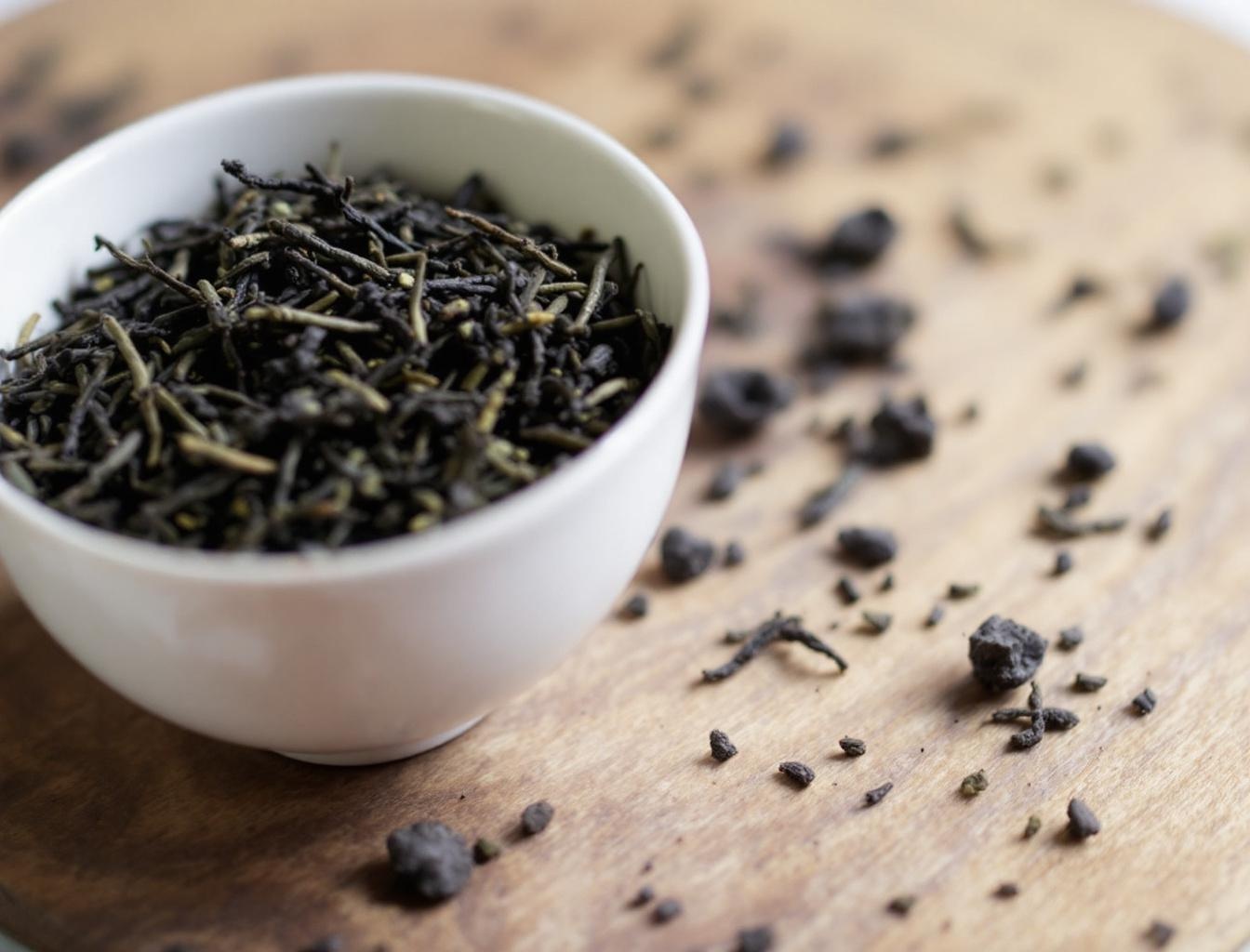
Unlike virtually every other Japanese tea, kukicha is not brewed from leaves. It is brewed from the structural parts of the plant: the thin twigs, short stems, and occasionally the central stalk (honzu) that runs through a tea flush. These woody parts are separated from the leaves during the sorting (shiage) phase of tea production and collected as a byproduct.
This origin matters. Because kukicha is a byproduct of sencha or gyokuro production, its quality is directly tied to the quality of the mother harvest. Kukicha made from gyokuro stems — known as karigane — carries the sweet, shaded character of the original gyokuro. Kukicha made from standard sencha stems is lighter and more vegetal. And kukicha that has been roasted becomes bocha, with a toasty, almost popcorn-like warmth.
The Parts of the Plant: Why Stems and Twigs Are Different
To understand what makes kukicha special, you need to understand something about how the tea plant works chemically.
Caffeine in Camellia sinensis is not distributed evenly across the plant. It is concentrated most heavily in the youngest, most vulnerable tissue — the tender new buds and first leaves that insects are most likely to attack. Caffeine serves as a natural insect deterrent, and the plant loads it highest where it's needed most.
The woody stems and twigs, by contrast, contain far less caffeine. They serve as the plant’s transport channels, carrying water up from the soil in relatively high concentrations — while carrying only a fraction of the caffeine found in the leaves.
This is why kukicha naturally contains approximately 5–10 mg of caffeine per 8-ounce serving, compared to 20–30 mg in sencha and 70–80 mg in matcha. The difference isn't a processing trick — it's inherent to which part of the plant is used.
Kukicha Types: Green vs. Roasted (Bocha)
There are two main expressions of kukicha, and they taste quite different:
Green Kukicha (Unroasted)
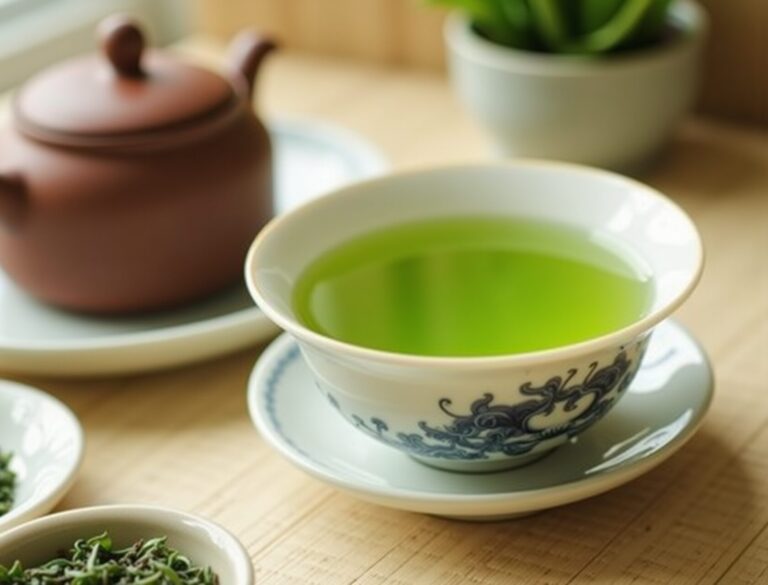
Unroasted kukicha is steamed — like most Japanese green teas — to halt oxidation immediately after harvest. The result is a pale golden or yellow-green liquor with a flavor that is distinctly different from leaf teas. You'll find it lighter and creamier than sencha, with a subtle sweetness and a mild vegetal quality, but without the grassy sharpness. Some describe it as having a faint nuttiness even without roasting, owing to the different chemical composition of the woody stems.
Roasted Kukicha (Bocha)
When kukicha stems are roasted — typically in a tumbling drum over high heat — the result is called bocha (棒茶, literally “stick tea”). The roasting transforms the flavor profile dramatically: the light vegetal notes give way to a warm, toasty, nutty character, sometimes compared to mild roasted grains or even a very light hojicha. Bocha is particularly popular in Kanazawa, on the Sea of Japan coast, where it is the default everyday tea and is served at many traditional teahouses.
Karigane (Premium Kukicha)
Karigane (雁ヶ音) is the premium tier of kukicha: stems sourced exclusively from shaded tea plants grown for gyokuro or ceremonial matcha. Because the plants are shaded before harvest, they produce elevated levels of L-theanine (the amino acid responsible for umami and sweetness), and this carries over into the stems. Karigane is noticeably sweeter and more complex than standard kukicha, and is priced accordingly. If you encounter kukicha labeled “gyokuro kukicha” or “karigane,” you're looking at this style.
How Kukicha Is Made
The production of kukicha is essentially a byproduct of the high-grade tea production process, but that doesn't mean it lacks its own craft.
- Harvest — The tea plant is harvested in spring (first flush) or later flushes. The leaves and stems arrive together at the processing facility.
- Steaming — Fresh leaves and stems are steamed briefly to deactivate the enzymes that cause oxidation, preserving the green color and fresh character. This is standard for all Japanese green teas.
- Drying and rolling — The material is dried and, for the leaf portion, rolled into the characteristic needle shape of sencha or gyokuro.
- Sorting (shiage) — During the final refinement phase, the stems and twigs are mechanically separated from the leaves. What gets collected here becomes kukicha.
- Aging (optional) — Traditional producers age the stems in cool storage for one to three years. This mellows any remaining astringency and deepens the flavor.
- Roasting (for bocha) — Stems destined to become bocha are roasted in rotating drums, which develops the toasty aromatic compounds (primarily pyrazines) that give roasted kukicha its characteristic warmth.
Flavor Profile: What Does Kukicha Taste Like?
Kukicha produces a cup that is lighter and gentler than almost any other Japanese green tea. Expect:
- Color: Pale golden or very light yellow-green (unroasted); amber-gold (bocha)
- Aroma: Delicate, slightly woody, with a hint of sweet grass (unroasted); warm, toasty, almost grain-like (bocha)
- Taste: Mild, creamy sweetness; low astringency; no bitterness; subtle umami
- Finish: Clean and light, with a pleasant mineral aftertaste
The near-absence of bitterness is one of kukicha's defining qualities. The compounds that make green tea taste bitter are concentrated in the leaves rather than the stems. Because kukicha is brewed from stems, the cup is naturally milder, resulting in a forgiving, easy-to-brew cup that almost never turns harsh even when slightly over-steeped.
Brewing Parameters
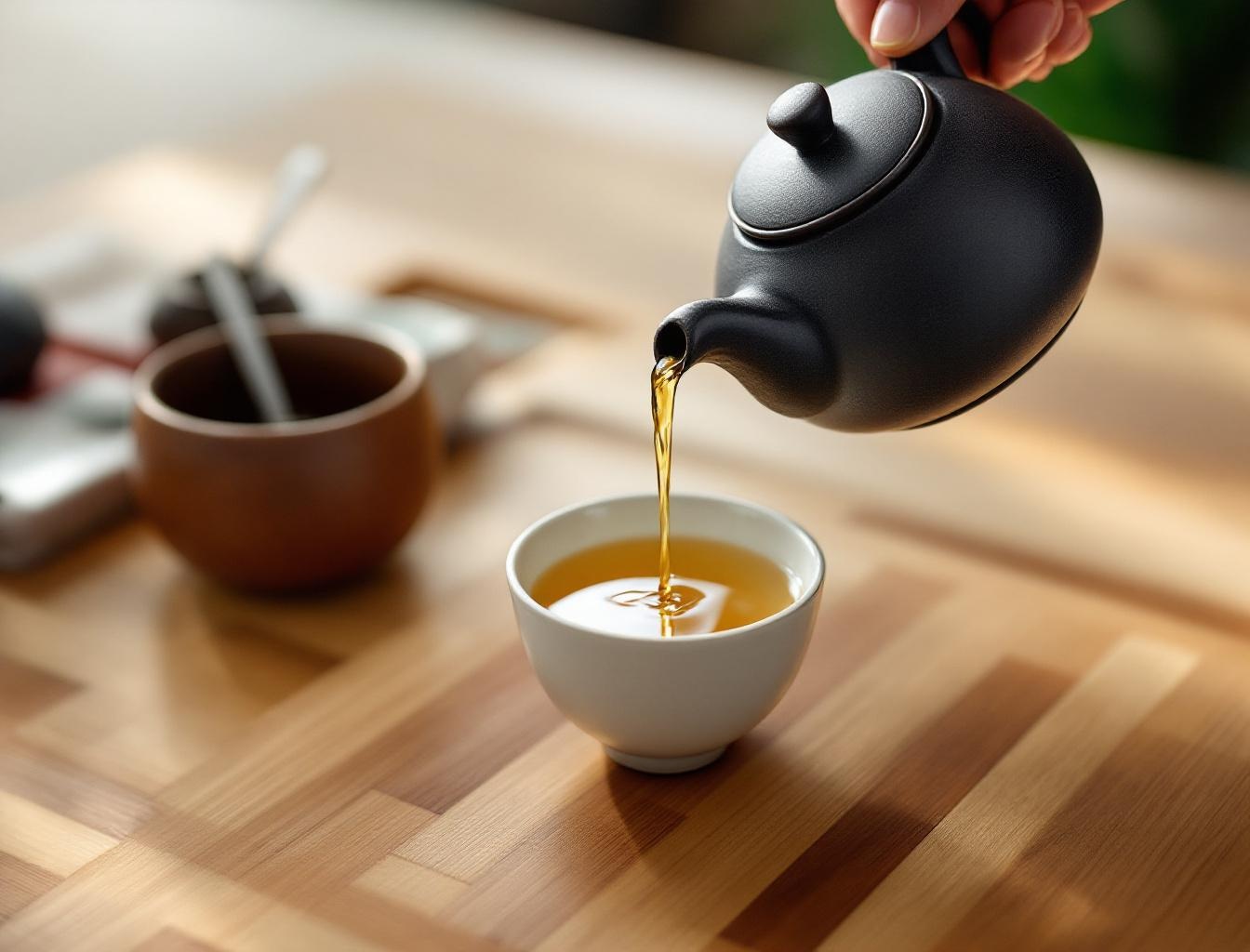
Kukicha is one of the most forgiving Japanese teas to brew. Its low catechin content means it doesn't punish you for slightly high temperatures or a few extra seconds of steeping. That said, optimal brewing brings out its best.
| Parameter | Unroasted Kukicha | Bocha (Roasted) | Karigane |
|---|---|---|---|
| Water temperature | 75–80°C (167–176°F) | 85–95°C (185–203°F) | 70–75°C (158–167°F) |
| Tea amount | 4–5g per 200ml | 4–5g per 200ml | 3–4g per 150ml |
| Steep time (1st) | 60–90 seconds | 30–60 seconds | 60 seconds |
| Steep time (2nd) | 45–60 seconds | 20–30 seconds | 45 seconds |
| Steep time (3rd) | 60 seconds | 30 seconds | 60 seconds |
| Infusions | 2–3 | 3–5 | 2–3 |
| Vessel | Kyusu, glass teapot | Kyusu, clay, glass | Kyusu (small, 120–150ml) |
Cold brew kukicha: Add 5g to 500ml of cold water and refrigerate overnight (8–12 hours). The result is particularly smooth and sweet, with the mineral quality of the stems coming through clearly.
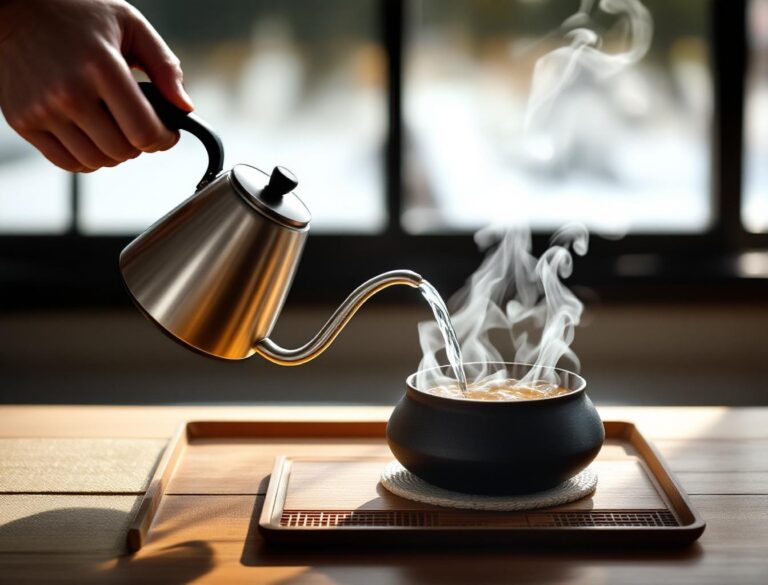
Bocha as a daily kettle tea: In Kanazawa, it's common to keep a pot of bocha simmering all day. Add stems to a small iron pot with boiling water, reduce heat, and let it simmer gently for 5–10 minutes. This produces a stronger, darker cup — perfect alongside meals.
Kukicha vs. Bancha vs. Hojicha vs. Sencha
These four teas often get grouped together as “everyday” or “low-caffeine” Japanese teas, but they are quite different from one another. Here's how they compare:
| Tea | Source material | Caffeine (8oz) | Flavor | Best for |
|---|---|---|---|---|
| Kukicha | Stems, stalks, twigs | 5–10 mg | Creamy, mild, low bitterness | Evening tea, gentle daily cup |
| Bancha | Mature leaves (late harvest) | 10–15 mg | Earthy, slightly astringent | Everyday drinking, with meals |
| Hojicha | Roasted bancha or kukicha | 5–8 mg | Toasty, roasted, warm | Evening, after meals, autumn and winter |
| Sencha | Young leaves (first/second flush) | 20–30 mg | Grassy, bright, slightly astringent | Morning, afternoon, daily drinking with more caffeine |
The key distinction: kukicha gets its low caffeine from using stems instead of leaves. Hojicha gets its low caffeine from the roasting process, which degrades caffeine. Both are excellent for evening drinking, but they taste quite different — hojicha is robust and warming, kukicha is light and delicate.
Kukicha in Japanese Culture
Kukicha's cultural roots run deep, and understanding them adds dimension to the tea itself.
The tea embodies mottainai (もったいない) — the Japanese concept of regret over waste, of finding value in what others discard. For most of Japanese tea history, the stems and twigs separated during sencha or gyokuro production were simply the scraps. Farm laborers drank them. Monks favored them for long periods of meditation and study.
Zen Buddhist monasteries in particular favored kukicha for daily consumption. Monks drank it throughout the day, even late into the evening before zazen practice. This connection to contemplative life is part of why kukicha carries a certain quiet dignity despite its humble origins.
The macrobiotic movement, developed in Japan in the early 20th century by Sagen Ishizuka and later popularized globally by George Ohsawa and Michio Kushi, adopted kukicha as its foundational daily tea. It became a staple of the macrobiotic movement's pantry. This is largely responsible for kukicha's presence in natural food stores in the West long before Japanese tea culture became widely known.
In Kanazawa — the refined castle town on the Sea of Japan coast — bocha (roasted kukicha) is the de facto local tea, consumed the way sencha is consumed in Tokyo or Shizuoka. Kanazawa teahouses serve it as the house tea; it is as embedded in local daily life there as genmaicha is in other parts of Japan.
How to Buy Kukicha: What to Look For
Quality varies considerably in kukicha, and knowing what to look for makes a real difference.
Form: Loose vs. Bags
Loose kukicha is almost always the better choice. The stems and twigs need room to expand in hot water, and they brew most evenly in a strainer or kyusu with a loose filter. Tea bags compress the material and often restrict water flow. That said, high-quality brands do produce kukicha in bag form — look for bags that are large enough to give the stems room.
Organic Certification
Organic certification is worth looking for with kukicha, as with any everyday tea you brew in quantity and drink daily.
Origin
Japan-grown and -processed kukicha will generally be of higher quality than kukicha from other origins. Look for Kagoshima, Shizuoka, or Uji provenance. “Karigane” on the label signals gyokuro-derived stems and a premium price point — worth it if you want the sweetest, most complex kukicha.
Freshness
Unlike some aged teas, kukicha is best consumed within one to two years of production for the green (unroasted) style. Bocha lasts longer due to its roasting, and some traditionally aged varieties are intentionally stored for three years. Check production or packaging dates where available.
Appearance
Good kukicha looks like small bundles of pale green twigs and stems — uniformly light in color, not yellowed or brown (unless bocha). Avoid product that looks dusty, fragmented, or inconsistent in color, which can indicate poor sorting or old stock.
Storage
Store kukicha in an airtight container, away from direct light, moisture, and strong odors. A cool pantry shelf works well. Refrigeration is possible but not necessary for most kukicha, and if you refrigerate, let the container come to room temperature before opening to prevent condensation from entering the tea.
For bocha specifically: the roasting makes it more shelf-stable than unroasted green teas. It can typically be stored at room temperature in an airtight tin for up to 18 months without significant quality loss.
Keep the container sealed between uses. The stems are porous and will absorb ambient odors — particularly important to keep away from coffee, spices, or strong-smelling pantry items.
Frequently Asked Questions
Is kukicha the same as bocha?
Not exactly. Bocha (棒茶) is roasted kukicha — it's a subset of kukicha, not a separate tea. All bocha is kukicha, but not all kukicha is bocha. Unroasted kukicha has a lighter, more vegetal flavor; bocha is warmer and toastier due to the roasting step.
Why is kukicha a traditional evening tea in Japan?
Kukicha is naturally among the lowest-caffeine Japanese teas — stems carry far less caffeine than leaves — which is why it is a favorite evening cup in Japanese households. In Japanese households it has long been the pot that follows dinner.
What does kukicha taste like compared to green tea?
Kukicha tastes significantly lighter, creamier, and less bitter than typical sencha or other leaf teas. It lacks the sharp grassiness of fresh green tea and replaces it with a mild, slightly woody sweetness and a clean mineral finish. Many people who find regular green tea too astringent enjoy kukicha without issue.
What is the difference between kukicha and karigane?
Both are stem-based teas. The difference is the source plant: standard kukicha uses stems from sencha or bancha production, while karigane uses stems from shaded tea plants (gyokuro or matcha-grade). Karigane inherits the elevated L-theanine and sweetness of the shaded mother plant, making it noticeably more complex and sweeter — and more expensive.
How many times can I steep kukicha?
Unroasted kukicha typically yields two to three good infusions. Bocha is more resilient and often gives three to five infusions, particularly when using the simmering method. Each subsequent infusion gets lighter and more delicate, with the mineral quality becoming more prominent.
Is kukicha the same as bancha?
No. Bancha is made from mature leaves harvested later in the season. Kukicha is made from stems, stalks, and twigs — not leaves. They share some characteristics (both are low-caffeine, both are considered everyday teas), but the source material is different, which means the chemical profile and flavor differ as well. Bancha has more leaf-derived catechins; kukicha has more mineral content from the stems.
Where does the best kukicha come from?
Japan, specifically from regions known for high-grade green tea: Uji (Kyoto Prefecture), Kagoshima, and Shizuoka. Karigane from Uji is considered the benchmark for premium kukicha. Kanazawa (Ishikawa Prefecture) is the cultural home of bocha, where roasted kukicha is part of daily life in a way it isn't anywhere else in Japan.
Can I make kukicha cold brew?
Yes, and it's excellent cold-brewed. Use approximately 5g of kukicha per 500ml of cold water and refrigerate for 8–12 hours. Cold brewing minimizes any remaining bitterness and brings out the sweet, mineral quality of the stems. Serve over ice for a particularly refreshing summer drink.
Why Kukicha Deserves More Attention
Kukicha is not flashy. It doesn't have matcha's vibrant color or gyokuro's umami intensity. It doesn't have the dramatic roasted character of hojicha. What it has is quiet depth: a mineral sweetness, a forgiving nature in the cup, a famously low caffeine level, and a cultural story rooted in resourcefulness and simplicity.
It is a tea that suits people who want something warm and comforting in the evenings. It suits anyone who wants the ritual of a warm pot without intensity. And it suits experienced tea drinkers who've grown tired of the competitive intensity of high-grade teas and want something genuinely peaceful in the cup.
The Japanese have known this for centuries. The stems they once gave to farm laborers and Zen monks turned out to be something worth paying attention to after all.