Kabusecha Buying Guide: Japan’s Most Underrated Green Tea
Kabusecha sits precisely between sencha and gyokuro in flavor, complexity, and price. If you've worked your way through sencha and are curious about gyokuro but hesitant about the price, kabusecha is the tea you've been looking for — and compare with gyokuro to see which suits your palate best.
This guide explains exactly what kabusecha is, what makes a great one, how it compares to gyokuro and sencha, and what to look for when you buy.
What Is Kabusecha?
Kabusecha (かぶせ茶) is a Japanese green tea shaded for approximately one to two weeks before harvest. The name literally means “covered tea” — from the practice of draping shade cloth (traditionally woven reed or synthetic material) over the tea plants before picking.
This brief shading period does three important things:
- Reduces photosynthesis, causing the plant to accumulate chlorophyll (deepening leaf color) and L-theanine (increasing umami and sweetness)
- Slows catechin development, which reduces astringency compared to fully sun-grown sencha
- Creates an intermediate flavor profile that has the umami richness of gyokuro without the intensity that some find overwhelming
Gyokuro, by comparison, is shaded for 20–30 days — much longer, resulting in a more extreme expression of these same effects.
Kabusecha vs Gyokuro vs Sencha
| Factor | Sencha | Kabusecha | Gyokuro |
|---|---|---|---|
| Shading period | None | 1–2 weeks | 3–4 weeks |
| Flavor profile | Fresh, grassy, bright | Balanced umami + brightness | Deep umami, seaweed, sweet |
| Astringency | Moderate | Low | Very low |
| L-theanine | Moderate | High | Very high |
| Caffeine | Moderate | Moderate-high | High |
| Brew temperature | 70–80°C | 60–70°C | 50–60°C |
| Price range | $–$$ | $$–$$$ | $$$–$$$$ |
What Does Kabusecha Taste Like?
A well-brewed kabusecha has:
- A deep, verdant aroma with hints of fresh seaweed and spring grass
- A smooth, round body with a prominent umami note
- Sweetness that lingers on the palate after swallowing
- Very little astringency or bitterness
- A cooling, almost mentholated finish
The first-time kabusecha drinker typically notices how “smooth” it feels compared to sencha. That smoothness is the L-theanine working alongside the reduced catechins. It's a calm, focused cup — excellent for work or mindful moments.
Key Buying Criteria
Origin Region
Kabusecha is produced in several Japanese prefectures, each with distinct character:
- Mie Prefecture (Watarai, Suzuka): Japan's largest kabusecha-producing region. Known for mellow umami, deep color, relatively accessible price.
- Uji (Kyoto): Prestigious but small production. Intense, complex, premium price.
- Kagoshima and Shizuoka: Some good kabusecha produced here, typically at better price-to-quality ratios.
Mie kabusecha is often the best value entry point for new buyers.
Shading Method
Traditional kabusecha uses woven reed screens (よしず yoshizu) placed directly over the plants. Modern production often uses synthetic shade cloth draped on frames above the rows. Both are legitimate. Some premium producers specify their shading method on the label.
Harvest Season
First flush (ichibancha, April–May) kabusecha is highest quality. Second flush (nibancha, June–July) is still good and more affordable. Look for the harvest year on packaging — kabusecha older than 12–18 months has typically lost its vibrancy.
Leaf Appearance
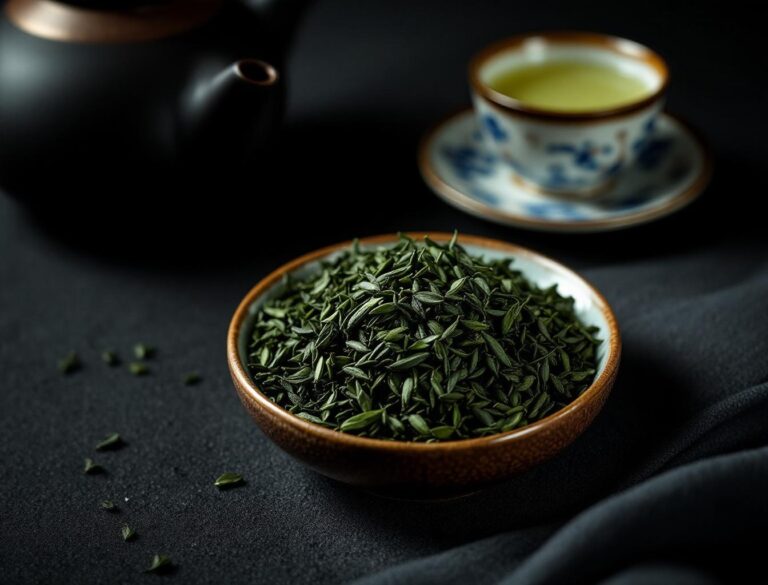
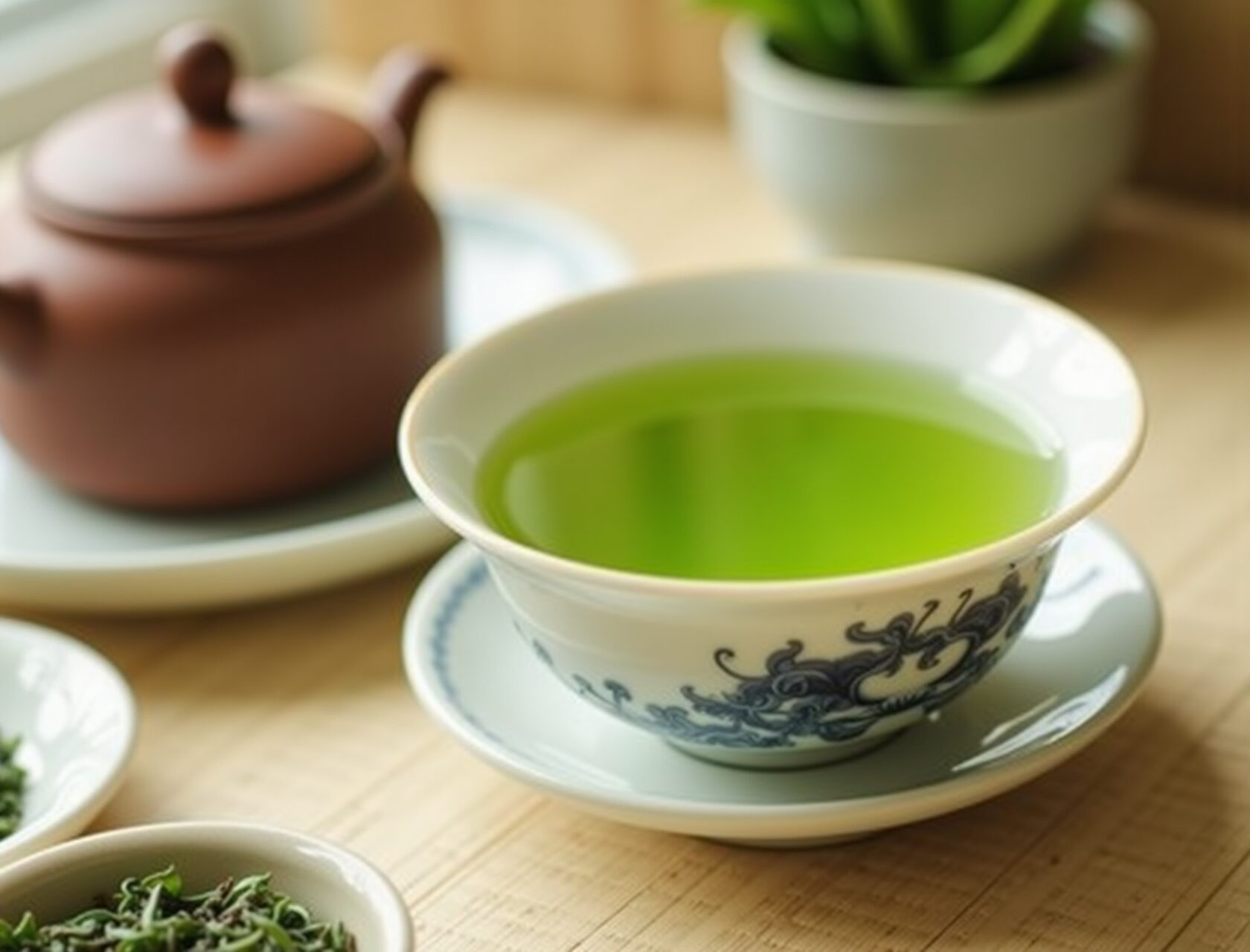
Premium kabusecha leaves should be deep forest green, needle-shaped, and consistently sized. The color should be noticeably darker than sencha due to chlorophyll accumulation during shading. Yellowed or brown leaves indicate oxidation or poor storage.
How to Brew Kabusecha
Kabusecha requires cooler water than most green teas. Hot water will extract bitter compounds and mask the umami sweetness that defines the tea.
- Water temperature: 60–70°C (140–158°F)
- Amount: 3–4g per 100ml (generous dosing rewards you)
- Vessel: Small kyusu or glass teapot, 150–200ml capacity works best for gongfu-style
- First steep: 45–60 seconds
- Subsequent steeps: 20–30 seconds each; good kabusecha yields 3–4 infusions
If you don't have temperature control, let boiling water cool in the kettle for 5 minutes, then pour into your teapot (which cools it another 5–10°C). Approximate is fine — just avoid near-boiling water.
Who Is Kabusecha For?
Kabusecha is the ideal next step for:
- Sencha drinkers who want more complexity without investing in gyokuro
- Anyone who finds sencha slightly too astringent
- L-theanine seekers who want focused calm without sleepiness
- Tea gift buyers looking for something distinctive that isn't cliché matcha
Kabusecha in Comparison to Matcha
Both kabusecha and matcha are shaded teas, but they're consumed very differently. Matcha is ground to a powder and whisked into a suspension; kabusecha is steeped as whole or needle-cut leaves. Matcha delivers the entire leaf compound; kabusecha releases its flavors through infusion.
Kabusecha's umami profile is softer and more approachable than matcha, making it a better entry point for people exploring shaded teas for the first time.
Frequently Asked Questions
Is kabusecha better than gyokuro?
Neither is objectively better — they're different expressions of shaded tea. Gyokuro is more intense and expensive; kabusecha is more balanced and accessible. Many serious tea drinkers prefer kabusecha for daily use and save gyokuro for special occasions.
Can kabusecha be cold brewed?
Yes, and it's outstanding cold. Use 4–5g per 200ml cold water, steep in the refrigerator for 6–8 hours. Cold extraction brings out the sweetness and umami while minimizing any bitterness entirely.
Why is kabusecha less well-known than gyokuro?
Gyokuro has benefited from significant marketing attention and status association in Japanese tea culture. Kabusecha is less categorized — some producers blend it into sencha without labeling it separately, and it lacks gyokuro's single high-prestige identity. This is gradually changing as tea enthusiasts discover the value proposition.
What's the best vessel for brewing kabusecha?
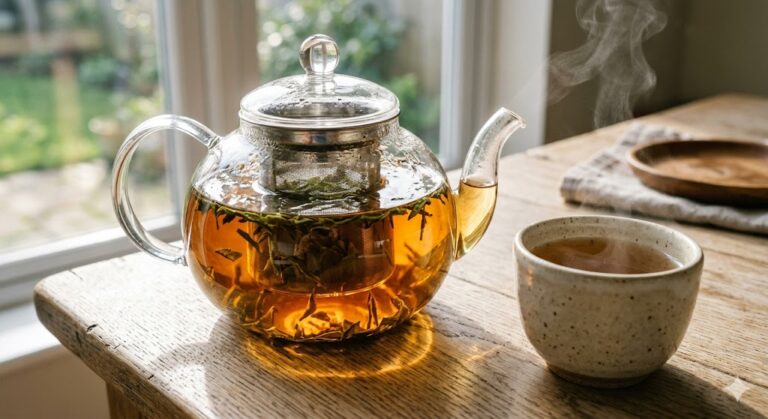
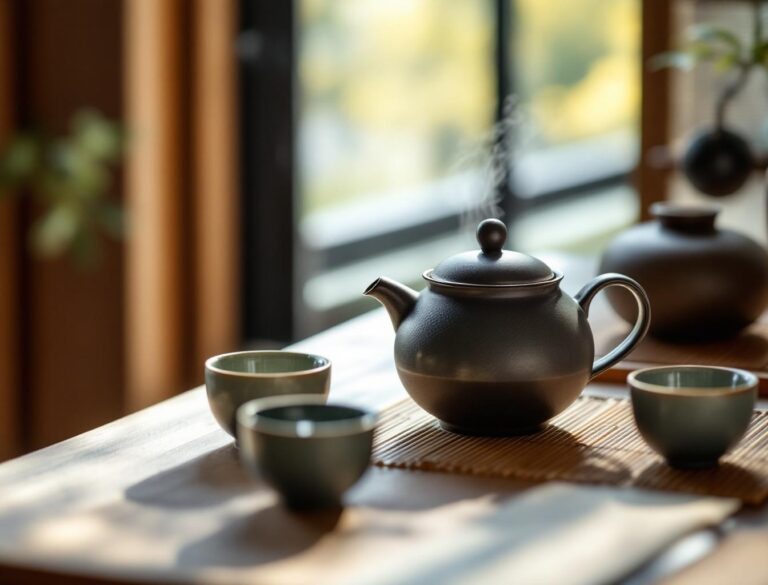
A small ceramic kyusu (150–200ml) is traditional and ideal. The small volume keeps concentrations high and cooling control precise. A glass teapot also works well and lets you see the beautiful deep green infusion.
Explore our kabusecha collection alongside our range of kyusu teapots at All Day I Eat Like a Shark.