Japanese Tea Sampler Guide: How to Build and Taste Through a Collection (2026)
A Japanese tea sampler is one of the best gifts you can give a tea lover — or yourself. It's the fastest way to map the flavor diversity of Japan's tea traditions, find your personal favorites, and build an intelligent pantry rather than buying the same familiar tea in larger quantities.
Last updated: April 2026
KEY TAKEAWAYS
- Samplers let you compare 5+ distinct Japanese teas side-by-side — the fastest way to discover your personal preferences
- Different teas suit different moments: sencha for afternoon focus, hojicha for evening, genmaicha for meals
- Build your own or buy pre-curated sets — at least 10g per variety allows fair evaluation across multiple brews
- Perfect for gifting or personal exploration — non-perishable, educational, and culturally rich
- Caffeine ranges from very low (hojicha loses ~60–70% caffeine via roasting) to high (gyokuro) — samplers help you match teas to your schedule
This guide covers what makes a good sampler set, how to taste through one systematically, what variety packs to look for in 2026, and which combinations make the most sense depending on your tea goals.
Why Buy a Sampler Instead of a Single Tea?
Most people who drink “Japanese green tea” are actually drinking one or two teas repeatedly. A sampler breaks that pattern by putting five or more distinct teas side by side in a framework that makes comparison easy. This approach works because Japanese tea production spans multiple processing methods, regional styles, and flavor profiles that are impossible to appreciate without direct comparison.
The practical benefits:
- Discover what you actually like instead of guessing from descriptions alone
- Understand flavor relationships — how hojicha differs from genmaicha, how sencha compares to kabusecha
- Avoid committing large quantities to a tea you haven't tried
- Perfect for gifting — far more useful than a single bag, especially for someone new to Japanese tea
What Are the Core Japanese Tea Families?
A well-designed sampler covers the major flavor territories of Japanese tea. According to the Japan Tea Central Association (2024), Shizuoka prefecture produces approximately 40% of Japan's tea, representing the country's strongest tea tradition.[Japan Tea Central Association, 2024] Understanding these core categories helps you build a sampler that captures the full range of Japanese tea diversity:
| Tea Type | Flavor Profile | Caffeine | Best For |
|---|---|---|---|
| Sencha | Fresh, grassy, bright | Moderate (~47mg/cup) | Afternoon, focused tasting sessions |
| Gyokuro | Deep umami, seaweed, sweet | High (~47mg/cup, elevated theanine from 3+ weeks shading) | Focused moments, special occasions |
| Kabusecha | Balanced umami + brightness | Moderate-high (shaded 1–2 weeks) | Daily quality, calm focus, meditation |
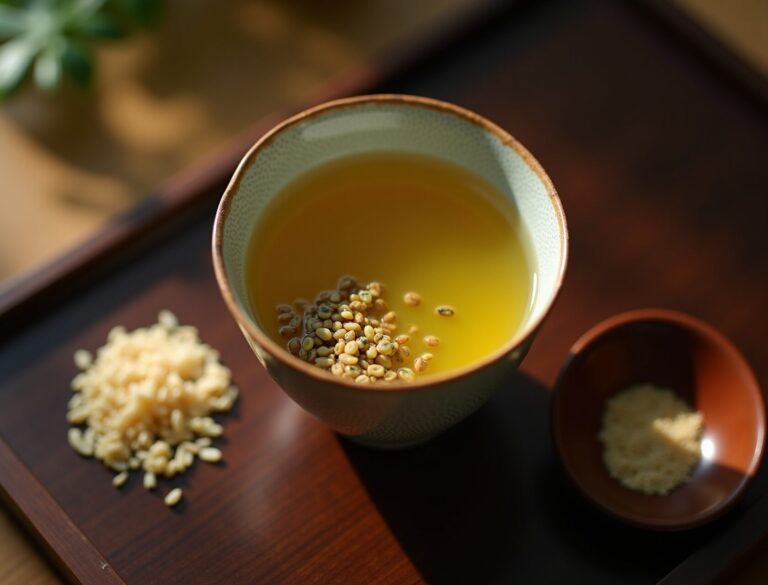
| Genmaicha | Nutty, roasted rice, savory | Low-moderate (roasted rice dilutes tea leaf caffeine) | Meals, accessible entry point, daytime |
| Hojicha | Caramel, roasted, sweet | Very low (~60–70% less than unroasted via heat sublimation) | Evening, lattes, caffeine-sensitive afternoons |
| Bancha | Mild, earthy, neutral | Low | All-day drinking, forgiving brewing |
A sampler containing one representative from each of these categories gives a comprehensive picture of Japanese green tea‘s range. Research by Ashihara H (2015) confirms that shading techniques — used in gyokuro and kabusecha production — increase theanine content 2–3× compared to unshaded sencha, explaining why these teas have a distinctive umami sweetness.[Ashihara, 2015]
What Curated Sampler Sets Are Worth Considering in 2026?
The Everyday Drinker Sampler
This sampler is ideal for someone building a daily tea habit. The focus is on approachable, forgiving teas that are difficult to over-brew. Choose teas that tolerate wider temperature and steeping ranges:
- Bancha — Best for: mild baseline, all-day sipping (low caffeine)
- Genmaicha — Best for: crowd-pleasing nutty flavor, meals (low-moderate caffeine)
- Hojicha — Best for: roasted character, evening tea (very low caffeine)
- Fukamushi sencha — Best for: deep-steamed smoothness, less astringent than standard sencha (moderate caffeine)
The Connoisseur Sampler
This sampler is designed for someone who already drinks Japanese green tea and wants to explore the premium tier. These selections emphasize harvest quality, regional origin, and nuanced flavor development:
- First-flush single-origin sencha (Uji or Shizuoka) — Best for: spring's brightest, highest theanine
- Kabusecha — Best for: shaded cultivation expertise (1–2 weeks), umami development
- Gyokuro — Best for: maximum depth from 3+ weeks shading, special occasion moments
- Shincha (new tea, seasonal) — Best for: intensely fresh spring character
The Low-Caffeine Sampler
This sampler is best for afternoon, evening, or caffeine-sensitive drinkers who want to enjoy Japanese tea without sleep disruption:
- Hojicha loose leaf — Best for: evening relaxation, caramel sweetness
- Hojicha powder — Best for: lattes, morning caffeine-free routine
- Genmaicha — Best for: gentle flavor with rice base (low caffeine)
- Bancha — Best for: mild, easy all-day option
The Gift Sampler
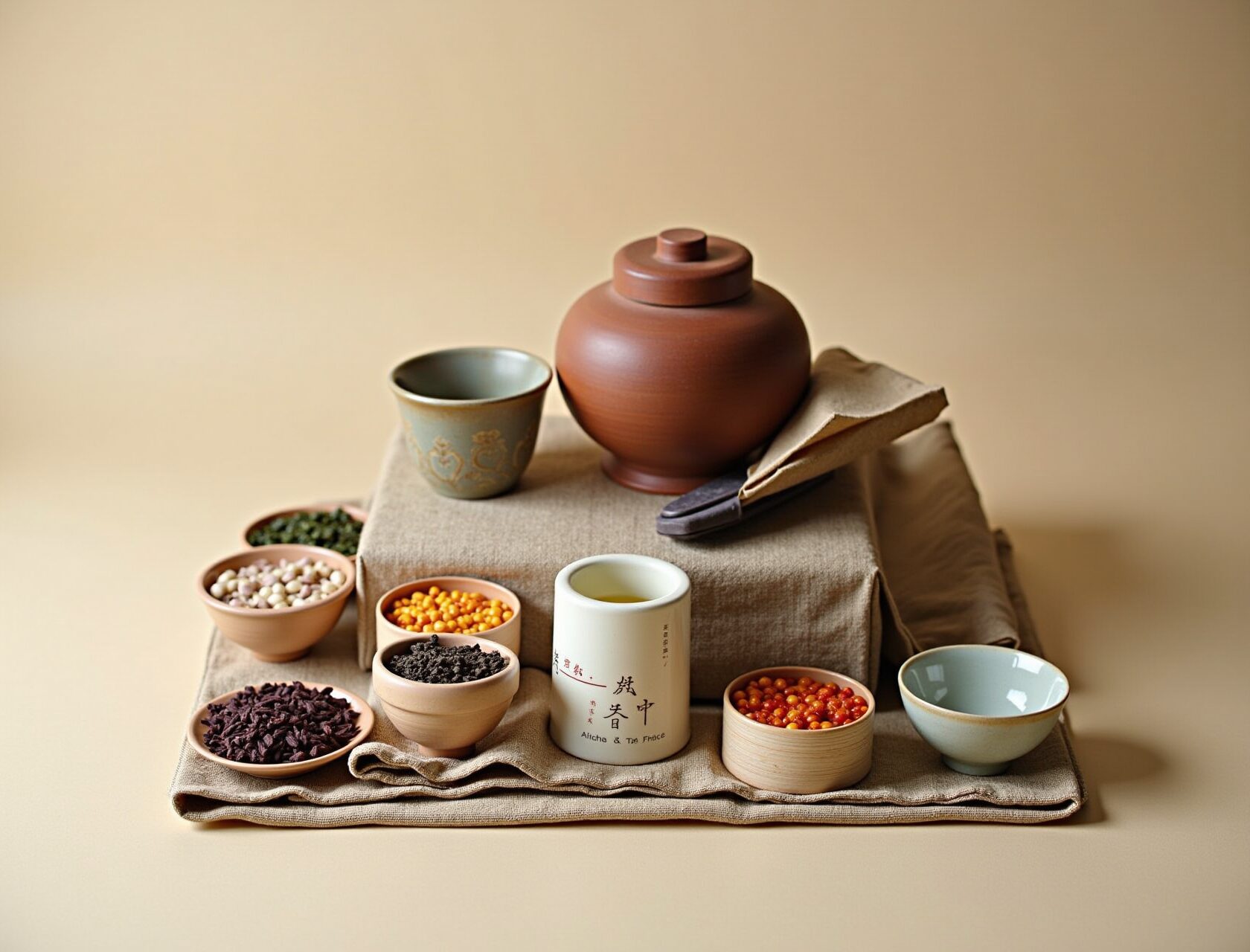
This sampler maximizes variety and visual appeal, designed for gifting to someone new or established in Japanese tea. Include formats that invite different preparation styles:
- Premium sencha — Best for: introducing bright, traditional green tea flavor
- Kabusecha — Best for: showing the umami dimension of 1–2 week shading
- Genmaicha with matcha — Best for: nutty roasted appeal, accessible entry
- Hojicha — Best for: roasted character, evening enjoyment
- Optional: matcha or hojicha powder — Best for: cooking, baking, lattes
Browse our curated Japanese tea gift sets and variety packs.
How to Taste Through a Sampler
A systematic approach extracts the most value from a sampler. Follow this order to build your palate progressively and avoid fatigue or cross-contamination of flavors:
Step 1: Start with the lightest teas
Begin with bancha or genmaicha — the gentlest flavors. Move toward more intense teas (kabusecha, gyokuro) after your palate is warmed up. Ending with a roasted tea (hojicha) cleanses the palate and prepares your mouth for a second round if desired.
Step 2: Brew each tea identically first
Use the same water temperature, steep time, and amount for your first taste of each tea. According to ISO 3103:2019 (International Organization for Standardization), the standardized baseline for green tea evaluation calls for 70–80°C water with a 3-minute steep time — a useful starting point for comparing teas on equal terms.[ISO 3103:2019] This levels the playing field. After you've tasted all teas at a baseline, explore each at its optimal brewing parameters to see how temperature and time change its character.
Step 3: Taste hot and cold
Let a small amount cool to room temperature before your second sip. Many tea characteristics (especially umami and sweetness) are more obvious at a cooler temperature, revealing subtle flavor layers not apparent when the tea is hot.
Step 4: Take notes
Even brief notes (“brighter than I expected,” “very smooth,” “too intense”) help you remember which teas resonated. You'll refer back to these when deciding what to buy full quantities of, turning your tasting experience into a personal flavor reference guide.
What Makes a Good Commercial Sampler?
Not all sampler packs offer the same value for tasting and evaluation. Look for these indicators of quality when selecting a commercial sampler:
- Adequate quantity per tea: At least 10g per type allows 3–4 brews for fair evaluation. Tiny “taster” sachets of 2–3g only allow one brew, limiting your ability to explore brewing variables
- Individual packaging: Each tea should be separately sealed to prevent cross-contamination of aromas — Japanese teas are aroma-sensitive and will absorb neighboring flavors
- Origin information: Premium samplers include the region, harvest season, and sometimes farm name for each tea, providing context for flavor differences
- Brewing guide included: Good samplers provide different parameters for each tea rather than generic instructions, recognizing that sencha, hojicha, and gyokuro require different water temperatures
- Fresh stock: Check that the sampler was recently packed — stale sampler sets are frustratingly common at gift retailers, especially if loose leaf has been stored for months without proper sealing
How Do You Build Your Own Japanese Tea Sampler?
Rather than buying a pre-packaged set, many enthusiasts prefer to build their own by purchasing small quantities of specific teas. This approach gives you complete control over your tasting experience. Building your own sampler lets you:
- Choose specific origins and grades rather than accepting a producer's selection
- Include teas you're already curious about, based on online research or recommendations
- Mix formats (loose leaf + powder) for different preparation methods
- Tailor caffeine levels to your daily schedule and sensitivity
A strong 5-tea custom sampler might include: premium sencha + kabusecha + genmaicha + hojicha + hojicha powder. Together these cover the full flavor spectrum from bright-grassy to roasted-caramel with both leaf and powder formats.
Why Are Sampler Sets Ideal Gifts?
Japanese tea samplers work brilliantly as gifts because they offer lasting value and an invitation to explore. The gift of a sampler works especially well because samplers are:
- Non-perishable (unlike food gifts, tea stores well in cool, dry conditions)
- Educational (the recipient learns something new about Japanese tea tradition and their own palate)
- Culturally interesting without being inaccessible to Western audiences
- Easy to accompany with a teaware gift (teapot + sampler creates a complete experience)
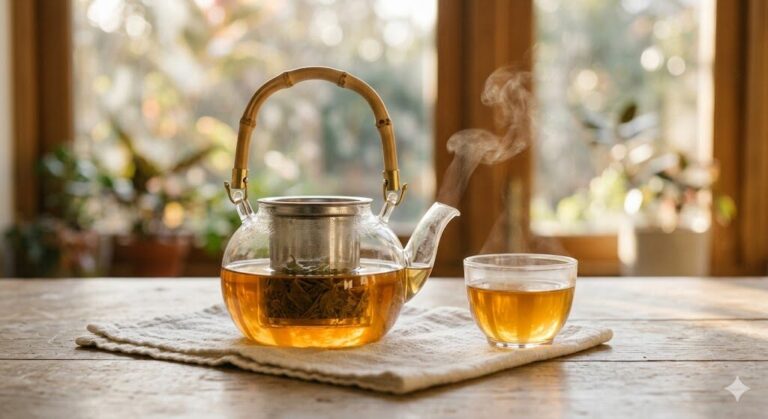
For a memorable gift combination, pair a sampler with a glass teapot — Best for: seeing leaf unfurl, appreciating color or ceramic kyusu teapot — Best for: traditional brewing, heat retention.
Frequently Asked Questions
How much Japanese tea should be in a good sampler?
A minimum of 10g per variety is needed for a fair evaluation (3–4 brews). A 5-variety sampler with 10g per tea (50g total) is a practical minimum. Better quality samplers offer 15–20g per variety, allowing you to explore multiple brewing parameters and share with others.
What's the best Japanese tea for a complete beginner?
Genmaicha or hojicha — both are gentle, forgiving, and immediately appealing without prior green tea experience. According to Heiss & Heiss (2007, The Story of Tea), genmaicha originated as a way to stretch expensive tea with roasted brown rice, making it naturally accessible and approachable.[Heiss & Heiss, 2007] Sencha can taste bitter to first-timers if brewed hot; bancha is easy but underwhelming. Starting with genmaicha or hojicha builds enthusiasm for exploring further.
Can I store all the teas in the sampler together?
No. Japanese teas are aroma sponges and will absorb each other's flavors if stored together unsealed. Keep each tea in its original sealed pouch or transfer to individual airtight containers in a cool, dark place away from strong odors.
What's the most expensive Japanese tea I should include in a sampler?
Gyokuro is the natural ceiling for most sampler sets — it's expensive but justifiably so, and including even a small amount gives a complete picture of Japan's shaded tea tradition. You don't need to include shincha unless the sampler is specifically spring-seasonal, as new tea is highly perishable and best consumed fresh.
Shop our complete Japanese tea sampler sets — curated by tea experts, sourced directly from Japan.