Tokoname Kyusu Buying Guide: Japan’s Premier Tea Brewing Clay
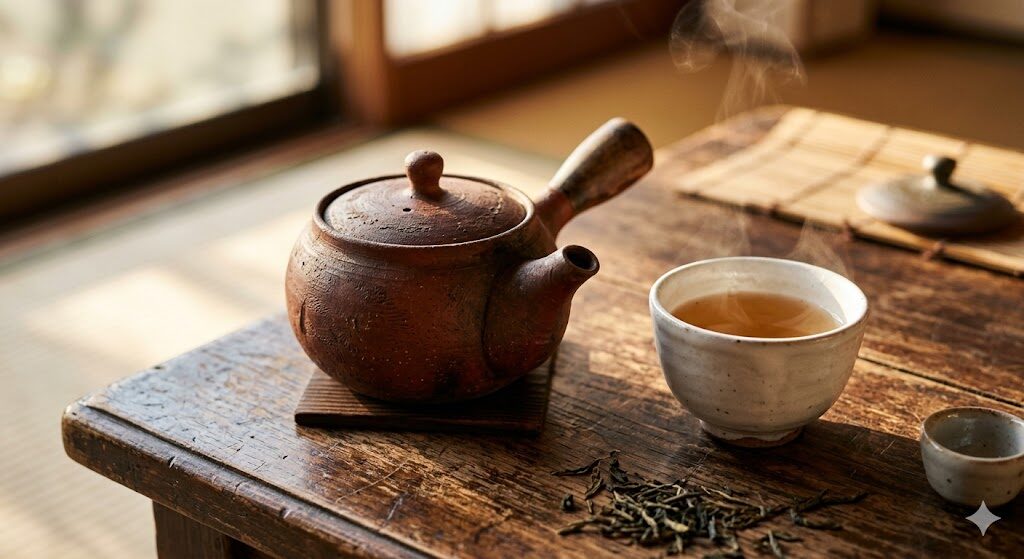
If you're serious about brewing Japanese green tea, a Tokoname kyusu is one of the most meaningful purchases you can make. These small, handcrafted ceramic teapots from Tokoname City in Aichi Prefecture are Japan's benchmark for green tea brewing — prized by professional tea masters and enthusiasts alike for the way their clay interacts with tea.
This guide explains what makes Tokoname special, how to evaluate quality, what styles to choose from, and what to expect in different price ranges.
What Is Tokoname Ware?
Tokoname (常滑) is one of Japan's Six Ancient Kilns, with a ceramic tradition dating back over 900 years. The city in Aichi Prefecture produces the vast majority of Japan's kyusu teapots and remains the best place to start if you're looking for a kyusu overview before making a purchase.
The defining characteristic of Tokoname ware is the local clay — a reddish-brown, iron-rich earth that fires to a tight, slightly porous surface. This porosity is intentional: Tokoname clay microscopically absorbs trace compounds from tea over hundreds of brews, gradually seasoning the pot and subtly mellowing harsh tannins in subsequent infusions.
This effect — called “cha-ami” (茶味) or “tea taste” — is real and measurable. Long-used Tokoname kyusu often produce noticeably smoother, rounder cups than brand-new pots.
Tokoname Clay Colors and What They Mean
| Clay Type | Color | Iron Content | Character |
|---|---|---|---|
| Shudei (朱泥) | Vermillion-red to brick | High | Most prized for sencha; seasons quickly; reactive with tea |
| Kyushu-do (急須土) | Mid brown | Medium | Versatile, standard Tokoname production clay |
| Hakudei (白泥) | Off-white, cream | Low | Neutral, good for lighter teas; shows tea color well |
| Kokudei (黒泥) | Dark gray to black | High (after firing) | Dense, retains heat well; often hand-carved |
Shudei (vermillion clay) is the most famous Tokoname clay and the most sought-after by collectors. It's specifically associated with Japanese green tea brewing and commands a significant price premium when authentic.
Key Quality Indicators
Lid Fit
The single most important quality check: place the lid on and tilt the teapot. On a well-made kyusu, the lid should seat so precisely that it doesn't fall out when tilted 45 degrees. Air escapes through the filter — not between lid and body. Poor lid fit means loose tea leaves escaping and reduced brewing control.
Filter Quality
Tokoname kyusu traditionally use one of three filter types:
- Ball filter (球形茶こし): A spherical ceramic mesh inside the pot. Excellent for needle-cut teas (sencha, gyokuro). Most traditional form.
- Ceramic grid filter: Built into the spout base. Lower maintenance but can clog with fine particles.
- Stainless mesh insert: Found in modern production pieces. Convenient, replaceable, but lacks the character of fired ceramic filters.
For premium loose leaf brewing, the ball filter is preferred by most serious drinkers.
Spout Pour
Test (or look for reviews confirming) that the pot pours cleanly without dripping. The spout angle and bore diameter determine pour control. A good kyusu should cut off the pour instantly when tilted back — crucial for controlling steep time.
Handle Comfort
Kyusu come in several handle styles:
- Yoko-de (side handle): Most common. Handle sits 90° to the spout on the right side. Natural one-handed pour.
- Ushiro-de (rear handle): Handle behind the body, opposite the spout. Western teapot style. Popular for larger volumes.
- Ue-de / Uwade (top/overhead handle): Basket handle over the top. Elegant, good for medium-volume pots.
- Hohin (宝瓶): No handle at all — a handleless pot used for gyokuro brewed at low temperatures (50–60°C) where the pot body stays cool enough to hold.
Size Guide
| Capacity | Best For | Notes |
|---|---|---|
| 100–150ml | Solo gongfu-style brewing, gyokuro | High leaf-to-water ratio, multiple small infusions |
| 200–300ml | One person, 1–2 cups per session | Most versatile size; standard for daily Japanese home use |
| 350–450ml | 2–3 people, everyday family brewing | Good for genmaicha, bancha, casual hosting |
| 500ml+ | Groups, commercial use | Less common for premium teas; more for everyday volume |
For most home buyers, a 250–350ml Tokoname kyusu hits the sweet spot: enough for two proper cups, the right proportions for good brewing control, and the size range where Tokoname craftsmanship is most accessible.
Price Ranges and What to Expect
Under $50
Mass-produced Tokoname pieces. Machine-formed bodies, metal mesh inserts, minimal hand finishing. Still functional and genuine Tokoname clay, but lacking the refined character of handmade pieces. Good entry point.
$50–$150
Semi-handmade pieces, often with hand-applied finishing, authentic ball filters, and better lid fit. This range represents excellent value — noticeably better than budget pieces without requiring craft collector prices.
$150–$400+
Fully handmade by individual artisans, often signed. Distinctive clay character, exceptional lid fit, unique design details. Pieces in this range improve with use and can become lifetime companions.
Collector grade ($400+)
Named masters, exhibition pieces, antiques. Worth understanding but beyond practical buying advice for most.
What Teas Suit a Tokoname Kyusu?
Tokoname kyusu is optimized for Japanese green tea. Best matches:
- Sencha: The classic pairing. Tokoname clay rounds off sencha's sharpness without masking its brightness.
- Fukamushi sencha: The fine particles from deep-steamed sencha work beautifully with the ceramic ball filter.
- Kabusecha and gyokuro: Smaller Tokoname kyusu or hohin vessels are ideal for these premium teas.
- Genmaicha and bancha: A larger everyday kyusu works perfectly.
Do not use a Tokoname kyusu for oolong, black tea, or herbal blends — the absorbed oils will contaminate the pot and ruin its seasoning for green tea.
Seasoning a New Tokoname Kyusu
Before using a new kyusu for the first time:
- Rinse with hot water to remove any clay dust from manufacture
- Fill with weak green tea and let sit for 30 minutes
- Empty and rinse gently — do not scrub or use soap
- Allow to air dry completely before storing with the lid slightly ajar
After this initial seasoning, use the pot only for one type of tea to build consistent flavor absorption over time.
Frequently Asked Questions
Is Tokoname the only good kyusu clay?
Tokoname is the most famous and widely available, but other Japanese regional ceramics produce excellent kyusu — including Banko ware (purple clay), Bizen ware, and Shigaraki. Each has different clay characteristics. Tokoname shudei clay is specifically prized for green tea; it's not necessarily superior for all tea types.
How do I clean a Tokoname kyusu?
Rinse with hot water only after each use. Never use dish soap — it strips the clay's seasoning and the residual oils that soften flavor over time. Remove spent leaves promptly. Allow to air dry completely. A well-maintained Tokoname kyusu needs nothing more.
Does a Tokoname kyusu really make tea taste better?
Yes, measurably. The iron compounds in Tokoname clay react with tannins in tea, softening astringency. The gradual absorption of tea compounds over many brews builds additional flavor complexity. A well-seasoned Tokoname kyusu genuinely produces smoother, rounder green tea than a glass or stainless vessel.
What size should I buy for my first kyusu?
A 200–300ml yoko-de (side handle) is the best all-around choice for a first kyusu. It's the right size for one to two people, compatible with the standard 3–5g doses used for quality loose leaf tea, and the side handle is the most intuitive to use.
Browse our collection of Tokoname kyusu teapots alongside the teas they were made to brew at All Day I Eat Like a Shark.