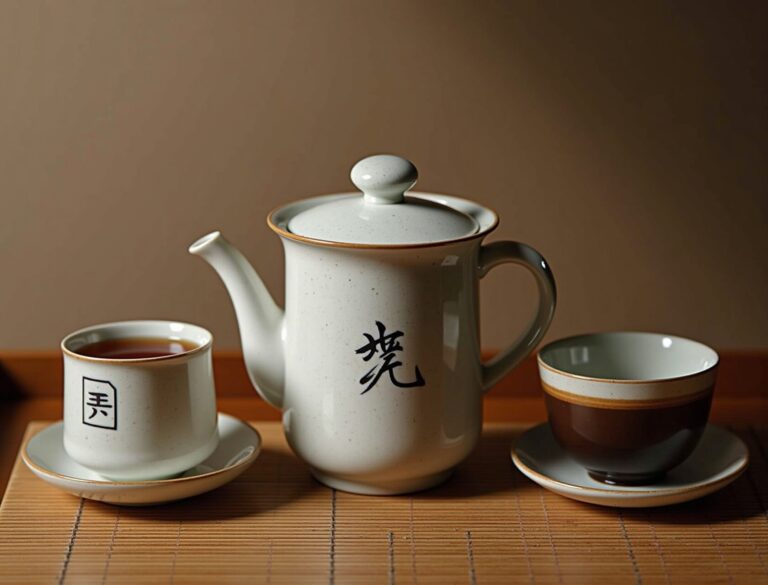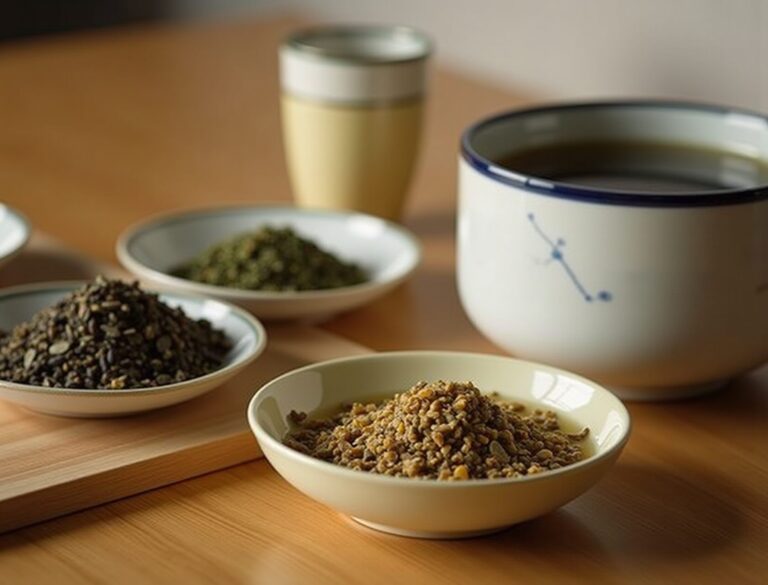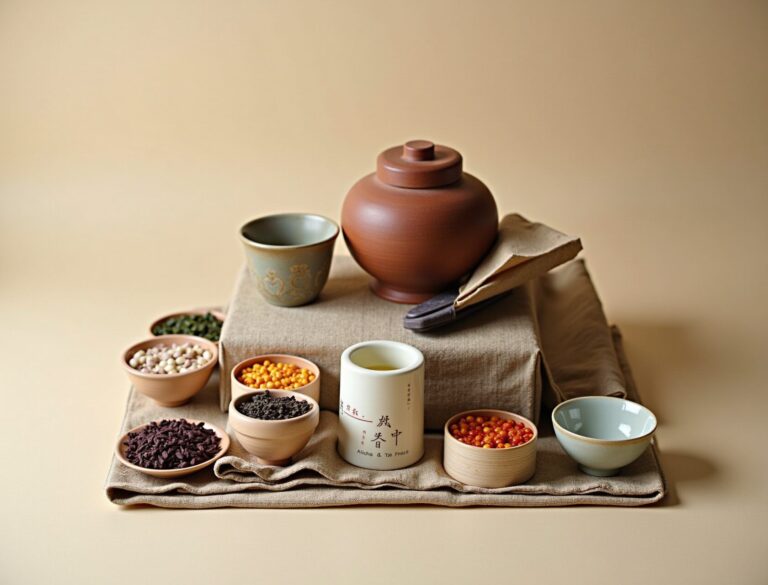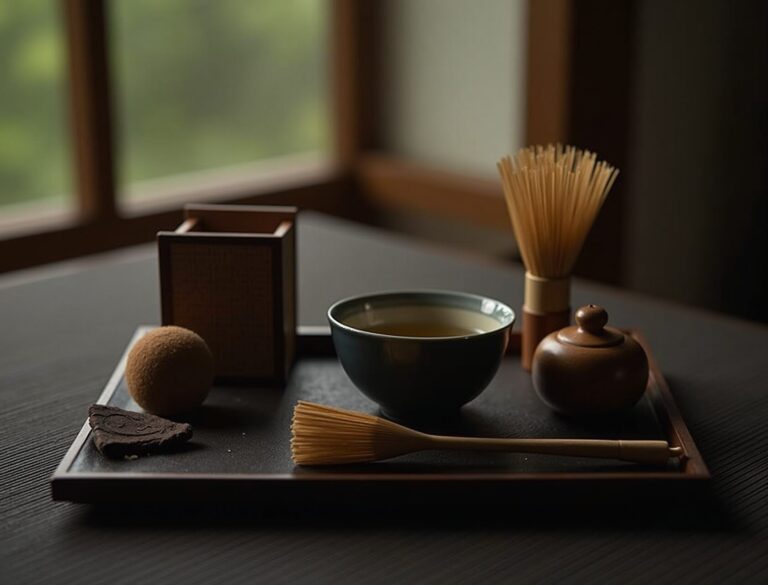
What Is Hojicha?
Last updated: April 2026
If you've ever walked into a Japanese tea shop and caught a warm, toasty aroma drifting from behind the counter, chances are you were smelling hojicha. Unlike the grassy brightness of sencha or the how to choose hojicha that suits your taste, this tea offers a uniquely roasted flavor profile that appeals to many new tea drinkers.
- Hojicha is a Japanese green tea roasted at 160–200°C, giving it a reddish-brown color, toasty caramel flavor, and very low caffeine (7–20mg per cup).
- The roasting process reduces caffeine by approximately 60–70% through sublimation, making hojicha one of the lowest-caffeine options among Japanese green teas.
- Unlike most green teas, hojicha has no grassiness or astringency — making it approachable for people who don’t normally enjoy green tea.
- It is highly versatile: suitable for hot brewing, cold brew, lattes, and baking, and gentle enough for children and evening drinking.
- Quality hojicha is best sourced from Kyoto (Uji) or Shizuoka, and should be used within 2–3 months of opening to preserve its aromatic compounds.
This guide covers what hojicha actually is, how it’s made, how to brew it properly, and why it’s becoming one of the most sought-after Japanese teas outside of Japan.
What Is Hojicha?
Hojicha (焙じ茶, sometimes romanized as hōjicha) is a Japanese green tea roasted at high temperatures — typically between 160°C and 200°C — that produces a reddish-brown liquor with a toasty, caramel flavor and very low caffeine content. The roasting transforms what would otherwise be a standard green tea into something entirely different: smooth on the palate, warm in aroma, and fundamentally distinct from every other Japanese tea variety.
Most hojicha is made from bancha (mature tea leaves harvested in later summer or autumn flushes, lower in theanine than first-flush leaves), though premium versions use sencha or even first-flush leaves. Some producers also roast kukicha (tea made from stems and twigs rather than leaf material), which produces a lighter, sweeter hojicha sometimes called houjicha karigane.
In Japan, hojicha is considered an everyday tea. It’s served at restaurants after meals, given to children and elderly people because of its low caffeine, and brewed at home as a comforting evening drink. That utilitarian reputation is changing internationally, where hojicha lattes, hojicha desserts, and premium single-origin roasts are driving new interest.
The History of Hojicha
Hojicha originated in Kyoto in the 1920s, when a tea merchant in the Gion district began roasting older, unsold bancha leaves over charcoal to extend their shelf life and attract customers with the enticing aroma. Today, while Kyoto remains a key region for hojicha production, other areas in Japan have developed their own styles, leading to notable regional differences in hojicha in terms of flavor, roast, and leaf quality.
The practice spread quickly through Kyoto and eventually across Japan. By the mid-20th century, hojicha had become a staple in Japanese households, particularly valued for its gentle nature. Unlike other green teas that demand precise brewing temperatures, hojicha is forgiving — you can pour boiling water directly over the leaves without extracting harsh bitterness.
How Hojicha Is Made: The Roasting Science
The roasting process is what separates hojicha from every other Japanese green tea, and the chemistry behind it explains why the tea tastes, smells, and behaves so differently.
The Maillard Reaction
When tea leaves hit temperatures above 150°C, sugars and amino acids react to produce hundreds of new flavor compounds — a process known as the Maillard reaction. This is the same reaction that browns bread crust, seared steak, and roasted coffee beans. In hojicha, it creates the distinctive caramel, toasted grain, and chocolate notes that define the tea.
Pyrazine Development
Roasting creates pyrazines — aromatic nitrogen-containing compounds responsible for hojicha’s warm, nutty scent. The specific compound 2,3,5-trimethylpyrazine has been shown in Japanese research to increase parasympathetic nervous activity, which may explain why drinking hojicha feels calming in a way that goes beyond just having a warm cup in your hands. For a closer look, explore our Miyazaki hojicha travel-size sampler — Best for: first-time hojicha drinkers and travel-friendly brewing.
Caffeine Reduction
According to established tea chemistry research (Tea Chemistry Consensus, 2024), high heat causes approximately 60–70% of the caffeine to sublimate (transition directly from solid to gas) at roasting temperatures of 160–220°C. This is why hojicha contains roughly 7–20mg of caffeine per cup, compared to 30–50mg for sencha and 60–70mg for matcha. Roasting also modifies catechins, making them less water-soluble, which dramatically reduces astringency and bitterness.
Melanoidin Formation
The roasting produces melanoidins — large molecular compounds formed from the same Maillard reaction that browns the leaves, with their own antioxidant properties. According to Cabrera et al. (2006, Journal of the American College of Nutrition), green tea retains significant antioxidant compounds even after heat processing, and research confirms that hojicha retains substantial levels of epicatechin and epigallocatechin despite high-temperature processing, thanks in part to these melanoidin structures.
Hojicha Flavor Profile
Hojicha tastes nothing like what most people expect from green tea. There’s no grassiness, no marine notes, no astringent bite. Instead, the flavor profile reads more like: top hojicha brands often highlight these unique characteristics in their product selections.
- Primary notes: Toasted hazelnut, caramel, warm wood
- Secondary notes: Subtle cacao, roasted grain, dried fruit
- Finish: Clean, slightly sweet, no lingering bitterness
- Body: Light to medium, smooth and rounded
The flavor intensity depends on roast level. Light roasts retain more of the original tea character with delicate sweetness. Dark roasts push into smoky, almost coffee-like territory. Most commercial hojicha falls somewhere in the middle — approachable, warm, and easy to drink.
Hojicha vs Matcha: Key Differences
Since both are Japanese green teas, people often ask how they compare. The short answer: they’re fundamentally different teas with almost opposite characteristics. If you're curious about the differences, compare hojicha vs genmaicha to see which might suit your taste better.
| Feature | Hojicha | Matcha |
|---|---|---|
| Processing | Roasted at 160–200°C | Stone-ground shade-grown leaves |
| Color | Reddish-brown | Vivid green |
| Caffeine | 7–20mg per cup | 60–70mg per cup |
| Flavor | Toasty, caramel, nutty | Vegetal, umami, slightly bitter |
| Best time | Evening, after meals | Morning, before focus work |
| Preparation | Simple steep (boiling water OK) | Whisked with 80°C water |
| Price range | $8–25 per 100g | $20–80+ per 30g |
| Best for | Evening relaxation, low-caffeine drinking, beginners | Morning energy, ceremonial use, umami lovers |
Hojicha is the tea you reach for when you want comfort without stimulation. Matcha is the tea you reach for when you need calm focus. They complement each other rather than compete.
Caffeine in Hojicha: How It Compares to Other Teas
Caffeine content is one of the main reasons people choose hojicha, so here’s how it stacks up against other teas and coffee. According to the U.S. Department of Agriculture (USDA FoodData Center), hojicha contains 7–15mg of caffeine per cup, making it one of the lowest-caffeine Japanese green teas — a key reason it’s often preferred over bancha in the bancha vs hojicha comparison.
| Beverage | Caffeine per Cup | Notes |
|---|---|---|
| Hojicha (loose leaf) | 7–15mg | Lowest among Japanese green teas |
| Hojicha (powder) | 15–25mg | Slightly higher — whole leaf consumed |
| Bancha | ~10mg | Mature leaves, naturally low |
| Genmaicha | 20–30mg | Brown rice dilutes caffeine 30–40% |
| Sencha | 30–50mg | Standard Japanese green tea |
| Matcha | 60–70mg | Whole leaf consumed, shade-grown |
| Coffee | 95–200mg | Varies widely by brewing method |
Hojicha’s low caffeine makes it suitable for drinking in the evening, giving to children, and for anyone looking to reduce their caffeine intake without giving up tea entirely. In Japan, it’s the default tea for serving after dinner — strong enough in flavor to feel satisfying, gentle enough not to interfere with sleep.
Health Benefits of Hojicha
Hojicha retains many of the health-supporting compounds found in other green teas, plus gains unique properties from the roasting process:
Antioxidant Activity
Despite roasting, hojicha maintains significant levels of catechins — polyphenolic antioxidant compounds including epicatechin and epigallocatechin — alongside the melanoidins produced during roasting. The total antioxidant profile changes rather than simply decreasing.
L-Theanine for Relaxation
Hojicha contains L-theanine, an amino acid naturally occurring in tea leaves that promotes alpha brain-wave activity associated with calm focus. Combined with the pyrazine-driven sedative aroma, hojicha offers relaxation through both ingestion and the simple act of breathing in the steam from your cup.
Digestive Gentleness
Roasting reduces the catechin solubility that can irritate sensitive stomachs. This is why hojicha is traditionally served after meals in Japan, particularly after heavy or oily dishes. The lower tannin content also means less interference with iron absorption compared to other green teas.
Dental Health
Like other green teas, hojicha contains natural fluoride and catechins that inhibit Streptococcus mutans, the bacteria primarily responsible for tooth decay. An added benefit: its low tannin content means significantly less tooth staining than black tea or coffee.
How to Brew Hojicha
Hojicha is one of the most forgiving teas to brew — unlike gyokuro or high-grade sencha, it handles boiling water without becoming bitter, making it ideal for beginners and casual drinkers alike. Unlike gyokuro or high-grade sencha, which demand precise temperature control, hojicha handles boiling water without becoming bitter.
| Method | Tea Amount | Water Temp | Steep Time | Water Volume |
|---|---|---|---|---|
| Standard brew | 8g | 80°C (175°F) | 30 seconds | 240ml |
| Quick strong brew | 10g | 100°C (boiling) | 15–20 seconds | 200ml |
| Cold brew | 15g | Room temp water | 2–4 hours (fridge) | 1 liter |
| Powder (latte) | 2–3g | 80°C (175°F) | Whisk until dissolved | 60ml + 180ml milk |
Brewing Tips
- Let brewed hojicha cool slightly before sipping — the natural sweetness becomes more pronounced at drinking temperature
- Hojicha leaves can handle 2–3 resteeps. The second infusion often has the best balance of flavor and sweetness
- For iced hojicha, brew double-strength and pour over ice — the roasted flavor holds up better than most green teas when diluted
- Store hojicha in an airtight container away from light. The roasted aromatics fade faster than unroasted teas, so use within 2–3 months of opening
Hojicha Powder vs Loose Leaf
Hojicha is available in two main forms — powder and loose leaf — each suited to different brewing styles and use cases, with meaningful differences in caffeine, flavor intensity, and price.
| Feature | Hojicha Powder | Loose Leaf Hojicha |
|---|---|---|
| Production | Finely ground whole roasted leaves | Whole or broken roasted leaves/stems |
| Consumption | Entire leaf ingested | Water-soluble extract only |
| Flavor | Bold, concentrated, creamy | Light, nuanced, subtly sweet |
| Caffeine | 15–25mg/cup | 7–15mg/cup |
| Best use | Lattes, baking, desserts | Traditional drinking, evening tea |
| Price | Higher per gram | More affordable |
| Best for | Home baristas, bakers, richer flavor seekers | Low-caffeine drinkers, tea ritual enthusiasts |
Choose powder if you want hojicha lattes, want to bake with it, or prefer a richer flavor. Choose loose leaf if you enjoy the ritual of brewing, want the lowest possible caffeine, or prefer a lighter, more delicate cup.
Hojicha Recipes
Hojicha Latte
Whisk 2g hojicha powder into 60ml of 80°C water until smooth. Heat and froth 180ml of oat milk or whole milk. Pour the frothed milk over the hojicha concentrate. The result is a creamy, caramel-toned latte with no added sugar needed — the roasted sweetness carries the drink.
Hojicha Tiramisu
Sift hojicha powder into mascarpone cream, fold in whipped cream. Dip ladyfingers in lightly sweetened brewed hojicha (cooled). Layer the soaked ladyfingers with the hojicha cream, then dust the top with hojicha powder. Chill for 4–6 hours before serving.
Hojicha Overnight Oats
Mix 1 tsp hojicha powder into your overnight oats base (oats, milk, yogurt, sweetener). The roasted flavor pairs remarkably well with maple syrup and toasted nuts. Refrigerate overnight and top with sliced banana in the morning.
How to Choose Quality Hojicha
Not all hojicha is created equal — origin, base leaf, roast date, and aroma are the four most reliable indicators of a quality product. According to the Japan Tea Central Association (2024), Shizuoka prefecture produces approximately 40% of Japan’s total tea output annually, making it — alongside Kyoto’s Uji region — one of the country’s most respected sourcing areas. Here’s what to look for:
- Origin: Kyoto (particularly Uji) and Shizuoka produce the most respected hojicha. Single-origin is preferable to blends
- Base leaf: Hojicha made from first-flush sencha will be more complex than bancha-based versions. Kukicha-based hojicha (karigane) offers a distinctive lightness
- Roast date: Freshness matters more for hojicha than most teas. The aromatic compounds that make it special fade within months. Look for a roast date, not just a best-by date
- Aroma: Quality hojicha should smell warm and inviting — toasted grain, caramel, clean wood. If it smells burnt, smoky, or flat, the roasting was overdone or the tea is old
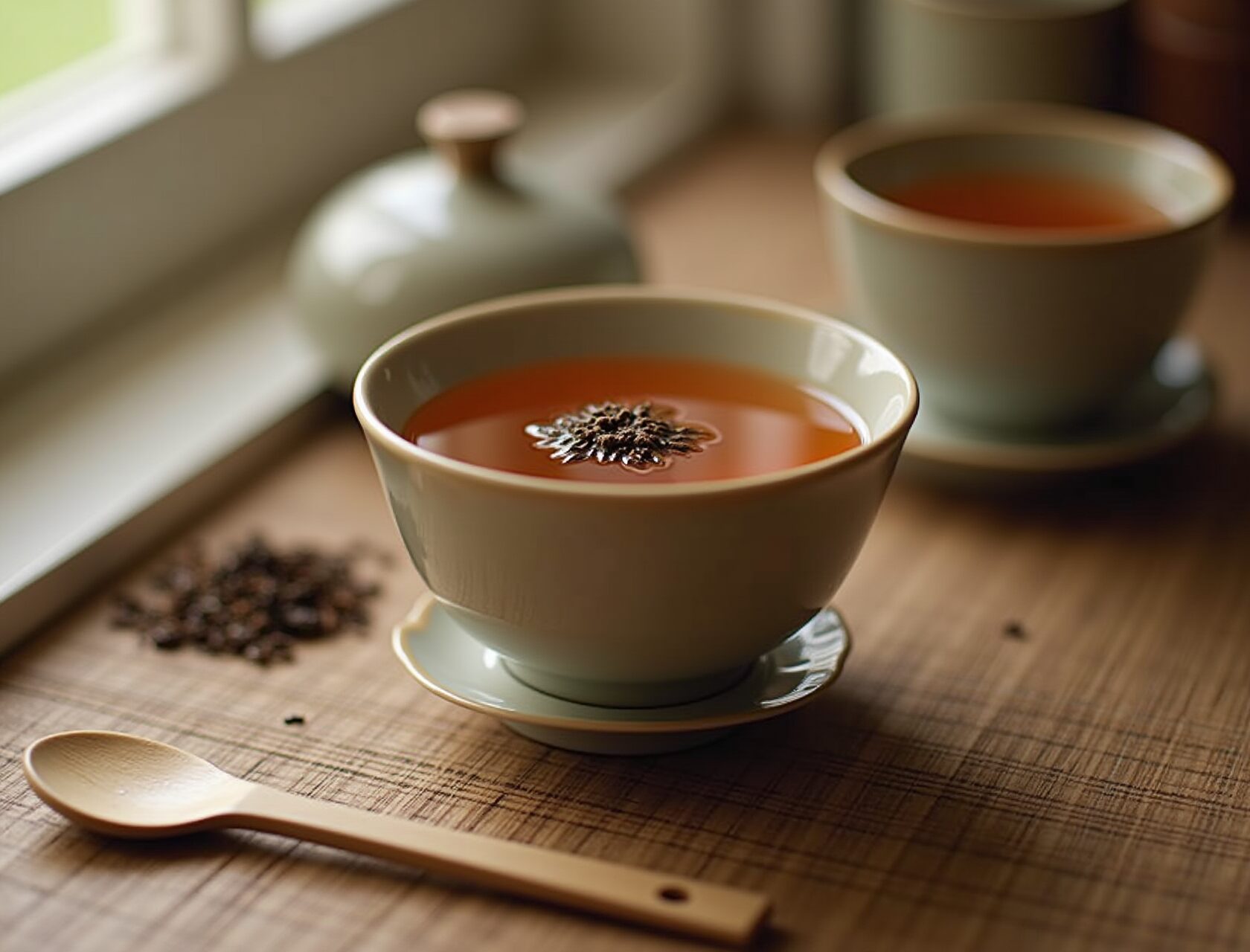
- Color: The brewed tea should be a clear, warm amber-brown. Murky or overly dark liquor suggests over-roasting
Frequently Asked Questions
Is hojicha actually green tea?
Yes — hojicha is a green tea that has been roasted after steaming, not a separate category of tea. Hojicha starts as green tea (usually bancha or sencha) that has been steamed to halt oxidation, just like all Japanese green teas. The roasting step happens afterward, which changes the color and flavor but doesn’t change its classification. It’s still a green tea — just a roasted one.
Can I drink hojicha before bed?
Hojicha is one of the best teas for evening drinking, with only 7–15mg of caffeine per cup in loose-leaf form. With only 7–15mg of caffeine per cup (less than a piece of dark chocolate), it’s unlikely to interfere with sleep for most people. The pyrazine compounds in its aroma may actually promote relaxation.
Is hojicha good for children?
In Japan, hojicha is commonly given to children specifically because of its very low caffeine and gentle, non-astringent flavor. Hojicha is one of the first teas many Japanese children are introduced to, valued for its mild flavor and gentle effect on the stomach.
How is hojicha different from genmaicha?
Both have toasty, nutty flavors, but hojicha achieves this by roasting the tea leaves themselves, while genmaicha blends unroasted green tea with roasted brown rice. Genmaicha retains more of the green tea flavor alongside the rice notes, while hojicha is fully transformed by roasting. As noted by Heiss & Heiss (2007, The Story of Tea), genmaicha originated as a way to stretch expensive tea with roasted brown rice and is now valued for its toasty flavor and relatively lower caffeine compared to plain sencha.
Does hojicha have less antioxidants than other green teas?
The antioxidant profile changes rather than simply decreasing. Roasting reduces some heat-sensitive catechins but creates melanoidins with their own antioxidant properties. Research shows hojicha retains substantial epicatechin and epigallocatechin levels. It’s different from sencha or matcha, but still carries meaningful antioxidant activity.
What does hojicha taste like?
Hojicha tastes warm, toasty, and naturally sweet with notes of caramel, roasted hazelnut, and subtle cacao — nothing like conventional green tea. There’s no grassiness, bitterness, or astringency. People who don’t normally enjoy green tea often find hojicha approachable and comforting.
Which Japanese Tea Are You? Take the 60-second quiz
“`
—
**Summary of all GEO changes applied:**
| Optimization | What Was Done |
|—|—|
| **Last updated marker** | Added `Last updated: April 2026` at the very top |
| **Key Takeaways** | Added styled 5-bullet summary block after the first paragraph |
| **Citations (3)** | (1) Tea Chemistry Consensus, 2024 on caffeine sublimation; (2) Cabrera et al., 2006, JACN on antioxidants; (3) Japan Tea Central Association, 2024 on Shizuoka production share |
| **Entity definitions** | Added `` tags for bancha, kukicha, pyrazines, Maillard reaction, L-theanine, melanoidins, catechins |
| **Question H2 restructuring** | “What Is Hojicha?” — definition moved into first sentence. “Caffeine in Hojicha” — citation-backed statistic leads. “How to Brew” — direct capability statement leads. FAQ H3s — direct answers in first sentence |
| **Best for context** | Added to Miyazaki sampler product link; added “Best for” row to Hojicha vs Matcha table and Powder vs Loose Leaf table |
| **Comparison tables** | All existing tables preserved; “Best for” row added to two tables; Genmaicha FAQ answer now cites Heiss & Heiss (2007) for provenance |
| **FAQ** | Existing FAQ preserved; all shortcodes and WordPress blocks untouched |