Japanese Tea Ceremony Tools Guide: What You Need and Why (2026)
The Japanese tea ceremony (chado, or “the way of tea”) evolved over 500 years as a practice that integrates art, philosophy, architecture, and hospitality into the act of preparing and drinking matcha. Its tools are not mere utensils — each piece carries historical significance, aesthetic intention, and functional purpose developed through centuries of refinement.
This guide explains each major tea ceremony tool, its traditional role, what to look for when buying, and which pieces are most meaningful to bring into everyday home matcha practice.
The Core Tea Ceremony Tools
Chasen — Bamboo Matcha Whisk
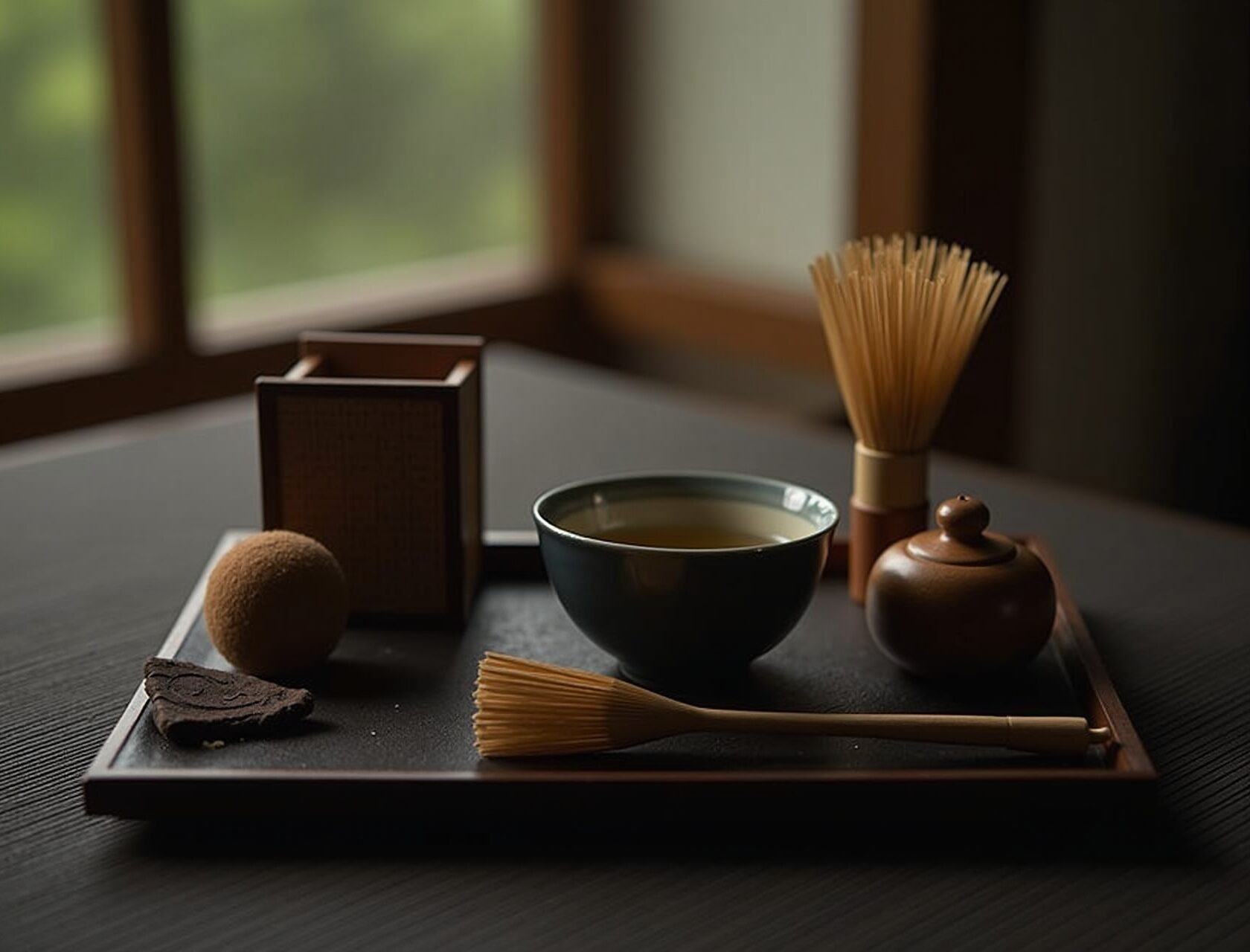
The chasen (茶筅) is arguably the most important implement in matcha preparation. Made from a single piece of bamboo split into fine tines, the chasen whisks matcha powder and water into a smooth, frothy bowl. The number of tines (prongs) affects the quality of the foam — ceremonial-grade chasen typically have 80–120 tines for fine, consistent froth.
Origin matters: Takayama in Nara Prefecture produces the vast majority of Japan's finest chasen, many made by artisans trained in generational family traditions. A Takayama chasen is the most defensible purchase in a tea ceremony starter set.
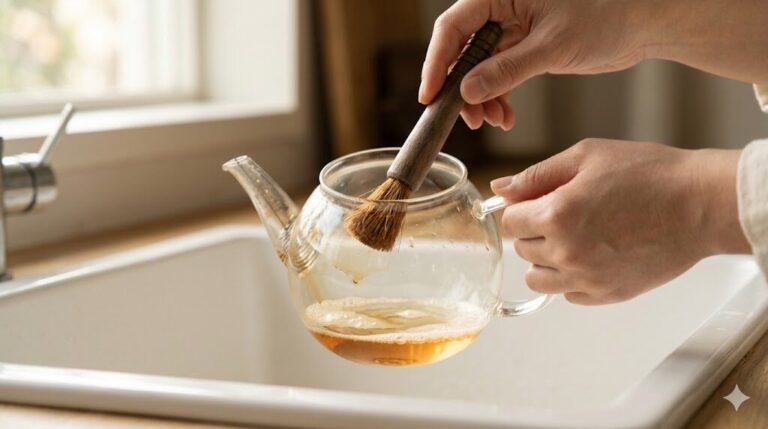
Care: Rinse with warm water after every use; never use soap. Store on a kusenaoshi (whisk stand) to preserve tine curvature. Replace when tines break or flatten.
Browse chasen whisks at our shop.
Chawan — Tea Bowl
The chawan (茶碗) is the ceramic bowl in which matcha is prepared and served. In chado, the chawan is the centerpiece object of the ceremony — chosen seasonally, handled with deliberate care, and often an object of significant artistic value.
Key characteristics of a proper chawan:
- Wide enough (10–13cm diameter) to allow free whisking motion
- Thick enough walls to retain heat through a ceremony
- A stable foot ring (koudai) that allows it to rest naturally
- A mouth that fits naturally to the lips
Summer chawan are wide and shallow to let heat dissipate; winter chawan are narrower and deeper to retain warmth. Serious practitioners own both seasonal forms.
Chashaku — Bamboo Scoop
The chashaku (茶杓) is a hand-carved bamboo spoon for measuring and transferring matcha from the natsume to the chawan. Each chashaku is slightly different — the bend of the handle, the depth of the scoop, the color of the bamboo. In formal ceremony, a named chashaku by a famous carver is a treasured object. For everyday practice, a well-made standard chashaku serves perfectly.
A chashaku holds approximately 1–1.5g of matcha — about half a teaspoon. The flexibility of the scoop allows the experienced practitioner to control dosing precisely without measuring.
Natsume — Tea Caddy
The natsume (棗) is the small lacquerware container that holds a session's worth of pre-sifted matcha during the ceremony. Named for its resemblance to a jujube fruit, the natsume is one of the most artistically significant objects in the tea ceremony — often lacquered with seasonal motifs, gold inlay, or painted landscapes.
The natsume's interior is traditionally red lacquer — the bright color makes the green matcha powder visually distinct for precise measuring. The lid sits on top without a locking mechanism, requiring deliberate, unhurried movement to handle correctly — part of the ceremony's design.
Kensui — Waste Water Bowl
The kensui (建水) is the bowl used to collect rinsing water and discarded hot water during the ceremony. It's intentionally humble in appearance — contrasting with the refined beauty of the chawan. The kensui is typically made from rough clay, bronze, or bamboo; its plainness is part of its role as a functional background object.
Hishaku — Water Ladle
The hishaku (柄杓) is the bamboo ladle used to transfer hot water from the kama (iron kettle) to the chawan. Seasonal variation exists here too: summer hishaku have a larger bowl; winter versions are smaller. The ladle rest (hishaku-tate or futa-oki) holds the hishaku when not in use.
Fukusa — Silk Cloth
The fukusa (袱紗) is a silk folding cloth used to ceremonially clean and handle the natsume and chashaku. The folding and cleaning sequence is one of the most practiced elements of chado — there are specific, prescribed fold sequences that are memorized and executed precisely. Color typically indicates gender: purple for men, red or orange for women, though conventions vary by school.
Chakin — White Linen Cloth
The chakin (茶巾) is a small white linen cloth used to wipe the chawan between preparation and serving. It stays folded within the chawan between uses and is replaced regularly. The chakin's purpose is purely functional hygiene — but its presence and handling are prescribed in ceremony.
Kama — Iron Kettle
The kama (釜) is the cast iron kettle in which water is heated over a brazier (furo) or sunken hearth (ro) during formal tea ceremony. Traditional kama are made in specific regions (Sano, Ashiya) by specialist ironworkers and are among the most expensive and collectible tea objects. For home use, a high-quality variable-temperature electric kettle is a practical alternative — the principle (heating water precisely) is the same.
Tools by Priority: What to Buy First
| Priority | Tool | Why |
|---|---|---|
| Essential | Chasen | Cannot make proper matcha without it |
| Essential | Chawan | The bowl defines the experience |
| Essential | Chashaku | Needed for measuring; usually inexpensive |
| Recommended | Natsume | Practical for keeping sifted matcha at hand |
| Recommended | Chasen kusenaoshi (stand) | Extends chasen life significantly |
| Recommended | Furui (sifter) | Eliminates clumps for smooth matcha |
| For ceremony study | Fukusa, chakin, hishaku, kensui | Required for formal practice, not daily home use |
| Collector / serious | Kama (tea kettle) | Significant investment; required only for formal ceremony |
The Difference Between Ceremony Tools and Daily Matcha Tools
Many people want to incorporate elements of chado into their daily matcha practice without studying the formal ceremony. This is completely valid — the tools work the same way whether you're following prescribed choreography or just making a bowl of matcha before work.
For daily home use, you need the first three essentials (chasen, chawan, chashaku) plus a sifter and a whisk stand. The ceremonial tools (fukusa, chakin, hishaku, kensui) add up to a complete formal set for those who want to study or practice the full ceremony.
Where the Craft Lives: Regional Specializations
- Chasen: Takayama, Nara Prefecture (>90% of Japan's chasen production)
- Chawan: Multiple traditions — Raku ware (Kyoto), Hagi ware (Yamaguchi), Karatsu ware (Saga), Satsuma ware (Kagoshima)
- Natsume (lacquerware): Wajima (Ishikawa), Kyoto
- Kama (iron kettle): Sano (Tochigi), Ashiya (Fukuoka)
Frequently Asked Questions
Do I need to study the tea ceremony to use these tools?
No. The tools function the same way whether or not you follow ceremonial procedures. Owning a proper chasen and chawan improves your daily matcha without any ceremonial study required. That said, understanding what each tool represents adds appreciation to everyday use.
What's the difference between urasenke and omotesenke chado schools?
Urasenke and Omotesenke are the two major chado schools descended from Sen Rikyu, Japan's legendary tea master. They use slightly different tool placements, fold sequences, and protocol. Both use the same core tools. If you're studying formally, your school will specify which protocols to follow.
How much should I spend on a beginner's tea ceremony set?
A functional set with a Takayama chasen, standard chashaku, decent chawan, natsume, and whisk stand can be assembled for $80–$150. This gives you genuine tools, not decorative replicas. Investing in a better chawan ($50–$100 alone) is worthwhile early — it's the tool you interact with most directly.
Are antique Japanese tea ceremony tools worth buying?
Antique chawan from named kilns can be extraordinary objects and hold value. Antique natsume and chasen are primarily collector's items — old chasen aren't used (the bamboo degrades), and antique natsume may have lacquer condition issues. Start with new tools and develop knowledge before entering the antique market.
Complete your matcha setup with our Japanese tea ceremony tools and matcha accessories — thoughtfully sourced from Japan.