Bancha Tea: Japan’s Everyday Green Tea Explained
Ask any Japanese grandmother what tea is always in the kitchen, and the answer is almost never matcha. It is almost always bancha. This humble, often-overlooked tea is the everyday green tea of Japan — the one brewed in massive pots for school lunches, poured at neighborhood restaurants without being asked, and drunk by the mugful while reading the morning paper. Outside Japan, bancha barely registers. Most tea guides skip past it to cover the more glamorous shaded teas. That is a mistake.
Bancha is not a lesser tea. It is a different kind of tea — one optimized for daily life rather than ceremony. It is affordable, forgiving to brew, low in caffeine, and genuinely pleasant to drink. And once you understand where it comes from and how it connects to teas like hojicha and genmaicha, it changes how you see the entire Japanese tea landscape.
What Is Bancha Tea?
Bancha (番茶) translates loosely as “common tea” or “ordinary tea” — from ban (番, meaning turn or common) and cha (茶, tea). The name is honest. Bancha is made from the later harvests of the Camellia sinensis plant: the larger, more mature leaves and stems left on the plant after the prized early-spring flushes have been picked. In some definitions, it also includes the pruning clippings taken when farmers cut back the tea bushes to prepare them for next year's growth.
This matters because harvest timing is everything in Japanese tea. The first spring harvest — ichibancha — produces the youngest, most nutrient-dense leaves, commanding premium prices. Bancha comes from what remains: later flushes with larger, tougher leaves that have spent more time in the sun, developed more catechins, and contain proportionally less of the prized amino acid L-theanine that makes premium teas taste sweet and umami-rich.
The result is a tea that is earthy, woody, slightly mineral, and mild. No sharp grassiness, no demanding astringency. Just a clean, warm, comforting cup that does not overpower whatever you are eating alongside it.
The Japanese Harvest Calendar: Where Bancha Fits
Japanese tea is harvested in multiple rounds throughout the growing season. Understanding this calendar explains why bancha exists at all — it is the tea of abundance and economy, the harvest that follows the premium flushes.
| Harvest Name | Japanese | Timing | Leaf Character | Tea Produced |
|---|---|---|---|---|
| Ichibancha (First Flush) | 一番茶 | Late April – May | Tiny young buds, dark green, very tender | Gyokuro, premium Sencha, Matcha (as Tencha) |
| Nibancha (Second Flush) | 二番茶 | Late June – July | Larger leaves, more developed, still green | Mid-grade Sencha, early Bancha |
| Sanbancha (Third Flush) | 三番茶 | August – September | Mature leaves, higher catechin content | Bancha, blends |
| Aki Bancha (Autumn Bancha) | 秋番茶 | October – November | Largest leaves, lowest nutrients, very mild | Bancha, Hojicha base |
Aki Bancha — the autumn harvest — is particularly interesting. It sits at the very end of the season when the leaves have had months of sun exposure. Nutrient levels are lowest, but flavor is gentle and the leaves are ideal for roasting. Much of what becomes hojicha starts here.
Bancha vs. Sencha: The Key Differences
The most common point of confusion is bancha versus sencha. Both are unshaded, steamed Japanese green teas. Both go through the same basic processing steps: steaming to halt oxidation, rolling, and drying. The differences come down to timing, leaf grade, and what ends up in the cup.
| Feature | Bancha | Sencha |
|---|---|---|
| Harvest | Second, third, autumn flushes | Primarily first flush |
| Leaf age | Mature, larger, includes stems | Young, tender top leaves |
| Cultivation | Full sun | Full sun |
| L-theanine | Low (leaves are older, less accumulated) | Moderate to high |
| Catechins | Higher (more sun exposure = more catechins) | Moderate |
| Caffeine | Lower (~10–20mg per cup) | Higher (~40–60mg per cup) |
| Flavor | Earthy, woody, cereal, mild, mineral | Grassy, citrusy, fresh, slightly sweet |
| Astringency | Low to moderate | Moderate |
| Brew temp | 85–95°C (forgiving) | 70–80°C (sensitive to heat) |
| Price | Low — everyday tea | Moderate to premium |
| Ideal for | All-day drinking, meals, low-caffeine needs | Mindful sipping, morning tea, gift-giving |
One practical difference that rarely gets mentioned: bancha is significantly more forgiving when brewing. If you brew sencha with water that is too hot, you get bitterness and astringency very quickly. Bancha brewed at near-boiling temperatures stays mild and pleasant. This is a real advantage for everyday drinking — no thermometer required, no fuss.
Bancha Flavor Profile
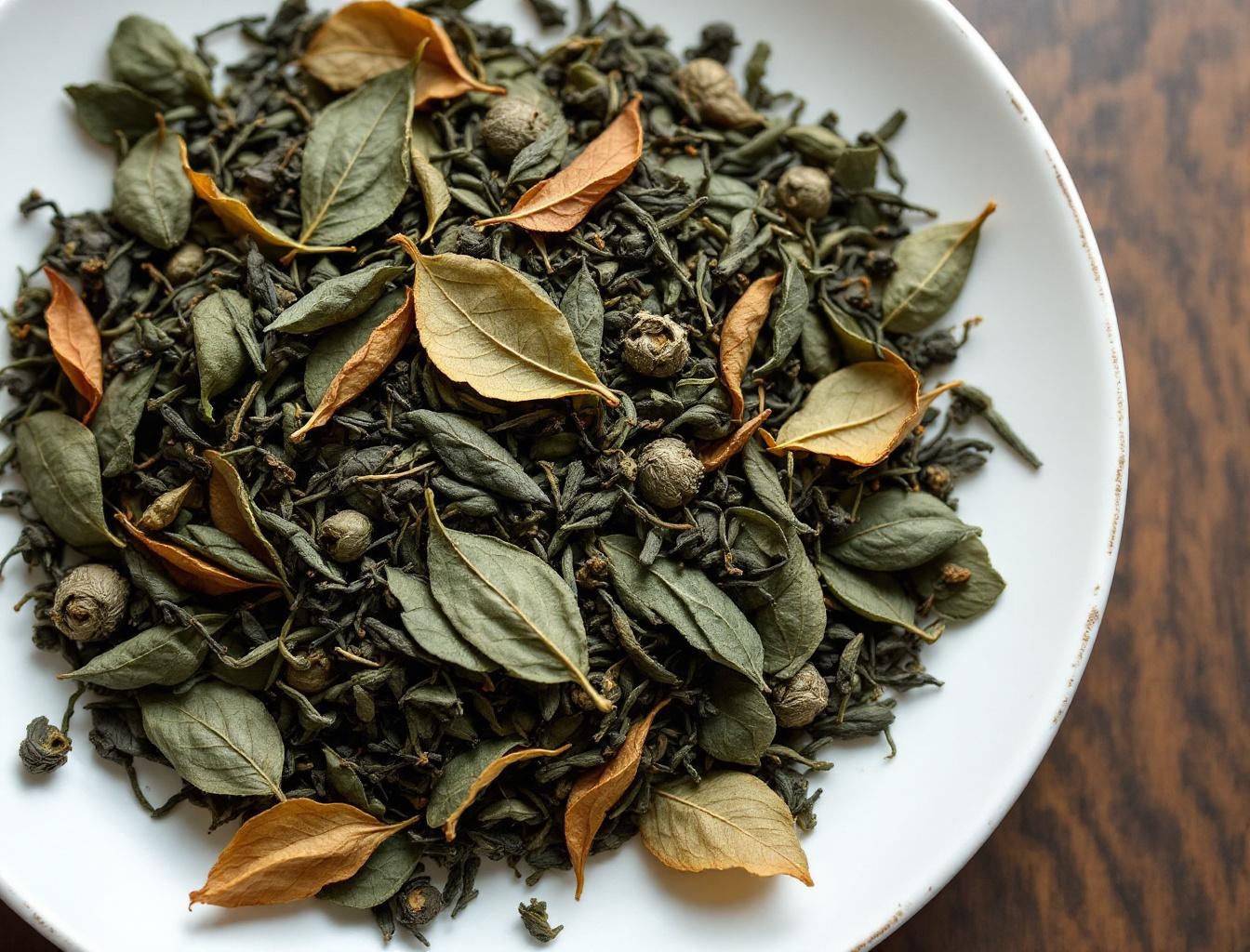
Expect something that sits between green tea and roasted grains. The dominant notes are:
- Earthy and woody — like autumn forest floor, dried leaves, or the inside of a cedar chest
- Cereal and grainy — a mild toastiness without any roasting, similar to the husk of rice or dried grass
- Mineral — a clean, slightly chalky quality that keeps the finish crisp
- Mild vegetal — just a hint of green that reads more like dry hay than fresh grass
What bancha lacks is equally telling: no sharp umami, no bright citrus, no bold sweetness. This is intentional and useful. Bancha does not compete with food. It complements everything from pickled vegetables and rice to grilled fish and miso soup. Japanese cuisine is designed around umami-forward flavors, and bancha‘s mild earthiness plays support without upstaging the meal.
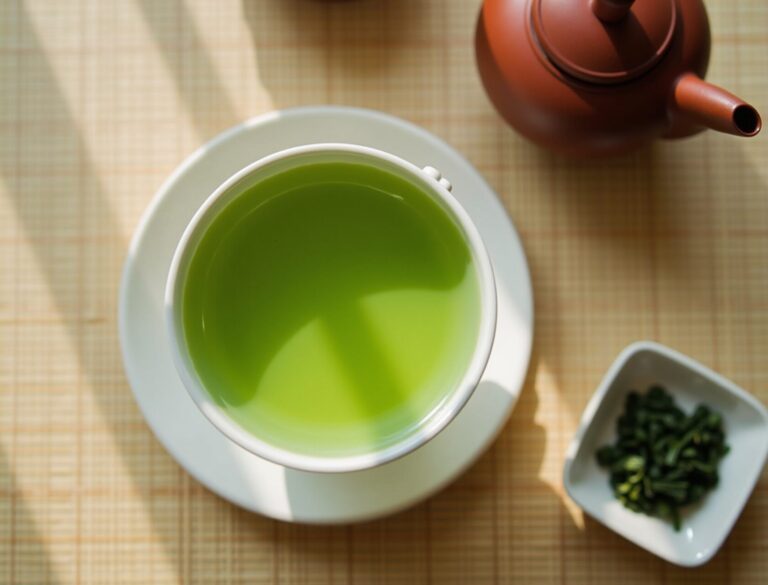
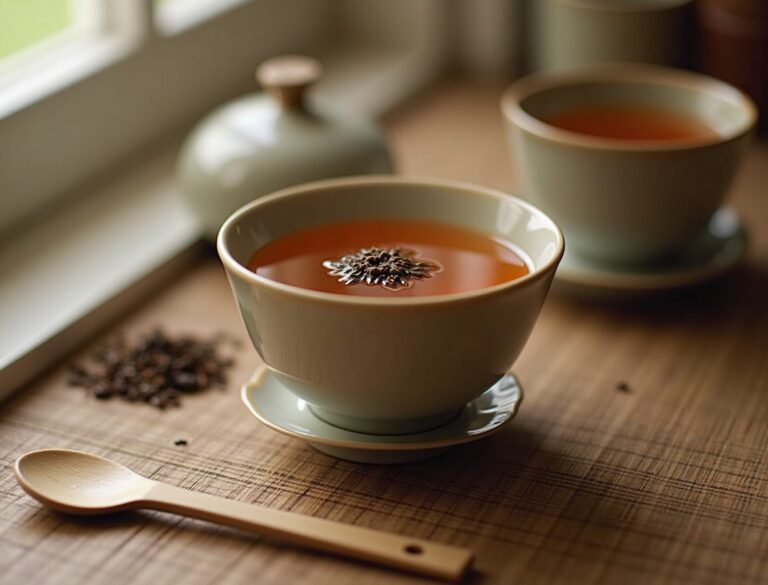
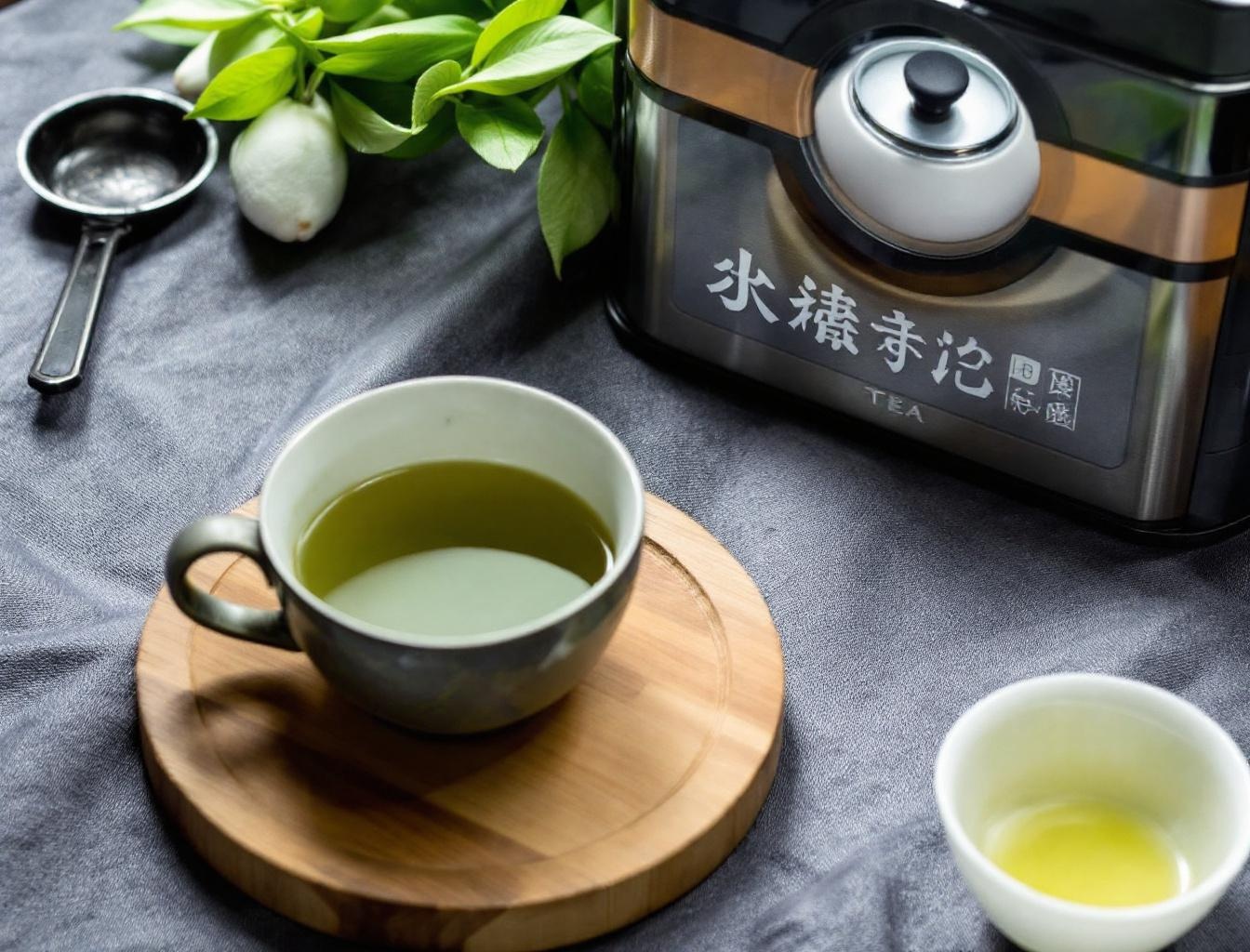
The color in the cup is a pale golden-yellow to light amber — noticeably less vivid green than sencha or gyokuro. First-time drinkers sometimes worry the tea looks “weak.” It is not weak; it just has a different presence.
How to Brew Bancha Tea
Bancha‘s greatest virtue as a daily tea is how easy it is to brew well. The tolerance for temperature and timing variation is much wider than premium teas, which makes it ideal when you are making tea at speed — before work, during meals, late at night when you want something calming.
| Parameter | Standard Hot Brew | Large Pot (Meal Service) | Cold Brew (Mizudashi) |
|---|---|---|---|
| Water temp | 85–95°C (185–203°F) | 90–95°C | Room temp / refrigerator cold |
| Leaf ratio | 1 tsp (2–3g) per 150ml | 1 tbsp per 500ml | 1 tbsp per 500ml |
| Steep time | 30–45 seconds (first infusion) | 1–2 minutes | 4–8 hours in refrigerator |
| Cup size | 100–150ml (traditional) | 200–300ml (mug) | 500ml+ jug or pitcher |
| Second infusion | 20–30 seconds | 1 minute | N/A |
| Third infusion | 40–60 seconds | 1–2 minutes | N/A |
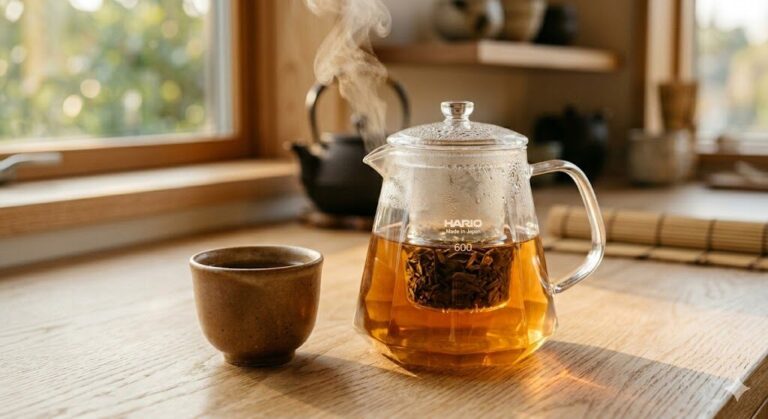
A note on the large-pot method: In Japanese homes and restaurants, bancha is often brewed by the liter in a large ceramic pot (tetsubin or dobin) and kept warm at the table or in a thermos. The ratio is more generous, the steep time is longer, and the result is meant to be poured freely throughout a meal. This is how most Japanese people actually drink bancha — not in precious small cups, but as a flowing, ever-present table companion.
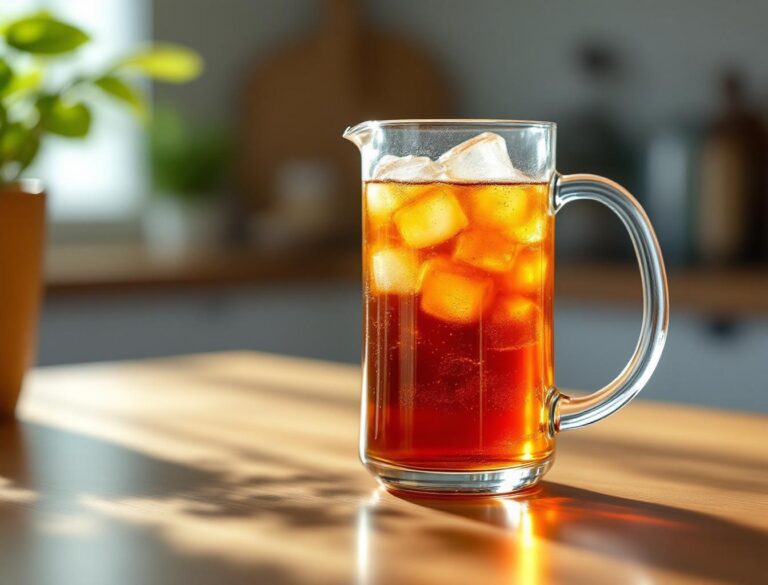
Cold-brewed bancha is underrated. The mizudashi method — leaves steeped in cool water in the refrigerator overnight — produces a particularly clean, smooth cup with almost no bitterness and very low caffeine. It is an excellent choice for hot-weather drinking and for anyone sensitive to caffeine.
Bancha's Role in Japanese Tea Culture
In Japan, bancha occupies a social space that no premium tea can fill. It is the tea of institutions: school cafeterias, hospital waiting rooms, office break rooms, traditional restaurants where a pot arrives at your table unbidden before you have even opened the menu. It is the tea given to toddlers and the elderly because of its low caffeine. It is the tea poured at the end of a long meal to cleanse the palate.
There is a Japanese phrase — bancha mo debana (番茶も出花) — which translates roughly as “even bancha is fragrant when it's fresh.” It is a proverb about recognizing unexpected quality in humble things. The fact that a common, inexpensive tea warranted its own proverb tells you something about its place in Japanese life.
Bancha is not the tea you serve to impress a guest. It is the tea you share with someone you are completely comfortable with — family, a longtime neighbor, yourself on a Tuesday morning.
Regional Varieties of Bancha
Bancha is not a single fixed tea — it varies significantly by region, processing tradition, and local use. Most tea guides treat it as one undifferentiated category, which misses the real diversity of post-fermented versions of bancha and other regional variations.
Shizuoka Bancha
Shizuoka Prefecture produces roughly 40% of Japan's total tea output, and much of that is bancha. Shizuoka bancha tends to be clean and mild with a slightly mineral finish. The large cultivation area and efficient mechanized harvesting makes it the most commonly exported bancha internationally. When you buy bancha from a Western tea retailer, it is almost certainly from Shizuoka.
Uji Bancha (Kyoto)
Uji, the historic tea-growing region south of Kyoto, is famous for its shade-grown teas — gyokuro, matcha, kabusecha. The bancha from Uji is a byproduct of these premium operations: the leaves left after the finest harvests have been picked. Uji bancha has a mild, slightly woody quality and is prized locally as kitchen tea. It rarely exports under its own name but is often the base for Kyoto-style hojicha.
Kyobancha (Iribancha)
Kyobancha is one of Japan's most unusual teas and deserves special attention. Made in Kyoto from large, late-harvest leaves that are simmered in boiling water and then sun-dried, Kyobancha has an unmistakably smoky character — more like lapsang souchong than conventional green tea. The leaves are also heavily roasted, giving a woody, almost campfire-like quality. It is an acquired taste, beloved in Kyoto and almost unknown elsewhere.
Mimasaka Bancha (Okayama)
From the Mimasaka region of Okayama Prefecture, this is another regional style that diverges completely from standard bancha processing. The leaves are not steamed; instead, they are boiled, squeezed, and then sun-dried. The result is a flat, dried leaf that brews into a clean, mild tea with earthy-sweet notes. Mimasaka bancha has a small but devoted following among regional tea enthusiasts in Japan.
Kyushu Bancha
Kyushu — particularly Kagoshima and Miyazaki prefectures — produces bancha in a warmer climate that allows for more harvest rounds per year. Kyushu bancha often has a slightly rounder, milder flavor than Shizuoka bancha, and the region's earlier harvest seasons mean it sometimes appears on the market before other regions' teas.
Bancha as the Foundation: Hojicha and Genmaicha
This is the piece of the Japanese tea picture that most guides miss entirely: bancha is not just drunk on its own. It is the raw material for two of Japan's most popular teas.
Hojicha
Hojicha is made by roasting tea leaves over charcoal or in a drum roaster at high heat (150–200°C), which transforms the leaf color from green to reddish-brown and dramatically changes the flavor profile — from earthy-mild to toasty, caramel, and nutty. The starting material is most often bancha, specifically the autumn harvest or the pruning clippings that contain significant stem material. The stems actually roast particularly well, developing sweet, woody notes.
Premium hojicha can also be made from first-flush sencha, which produces a finer, more delicate roasted tea — but the most common and affordable hojicha, the kind you find in Japanese convenience stores and family restaurants, is roasted bancha. When you are enjoying hojicha‘s low-caffeine warmth, you are drinking bancha that went through one more transformation.
Genmaicha
Genmaicha is a blend of green tea and roasted brown rice (genmai). The tea base is usually bancha — occasionally lower-grade sencha, but bancha‘s mild flavor profile is considered ideal because it does not overpower the toasty, popcorn-like notes from the rice. The blend has a naturally lower caffeine content, a warm grain character, and the kind of approachable flavor that made it Japan's “people's tea” for much of the twentieth century, when it was mixed with rice to stretch limited tea supplies.
| Tea | Base Leaf | Processing | Caffeine (per cup) | Flavor |
|---|---|---|---|---|
| Bancha | Mature leaves, later flushes | Steam, roll, dry | 10–20mg | Earthy, woody, mild, mineral |
| Sencha | Young first-flush leaves | Steam, roll, dry | 40–60mg | Grassy, citrusy, fresh |
| Hojicha | Bancha or sencha | Steam, roll, dry, then roast | 5–15mg | Toasty, caramel, nutty, smoky |
| Genmaicha | Bancha (usually) | Bancha + roasted brown rice blend | 10–20mg | Toasty grain, popcorn, mild green |
| Gyokuro | Shade-grown first flush | Shade, steam, roll, dry | 35–50mg | Deep umami, seaweed, sweet |
Caffeine in Bancha: Lower, Not Zero
Bancha is often described as a low-caffeine tea, which is accurate — but “low caffeine” is different from “caffeine-free.” A typical cup of bancha contains approximately 10–20mg of caffeine, compared to 40–60mg in sencha and 80–100mg in a typical cup of coffee. For context, decaf coffee still contains 2–5mg, so bancha is genuinely mild rather than negligible.
Why does bancha have less caffeine? Because caffeine in the tea plant is concentrated in the young shoots — the growing tips the plant produces for defense against insects. Older, more mature leaves have had longer to develop structural compounds and less need for the insect-deterring caffeine. By the time bancha leaves are picked, they have lower caffeine concentrations than the tender first-flush leaves that become premium sencha or gyokuro.
Cold-brewing bancha reduces this further. Because caffeine extraction is temperature-dependent (it dissolves most readily in hot water), cold-brewed bancha may contain only 5–10mg per serving — genuinely appropriate for evening drinking or for those with caffeine sensitivity.
Bancha and Wellness: What the Research Shows
Japanese green tea, including bancha, contains a family of antioxidant compounds called catechins — primarily epigallocatechin gallate (EGCG). Interestingly, bancha contains a higher concentration of catechins than shaded premium teas like gyokuro, because sunlight drives catechin production in the leaf. What it has less of is L-theanine, the amino acid responsible for the calm-focus quality in shade-grown teas.
Bancha is also notably alkaline once metabolized — a property sometimes highlighted in wellness contexts. Historically, in Japanese alternative medicine traditions, bancha has been used as a digestive aid, often drunk warm with meals. This aligns with its everyday role in Japanese dining culture, where it functions as a palate cleanser and digestive companion.
As with any food or beverage, we recommend enjoying bancha as part of an overall healthy lifestyle rather than as a treatment for any specific condition.
How to Buy Good Bancha Tea
Because bancha occupies the economy end of the Japanese tea market, quality varies more than in premium tea categories. Here is what to look for:
- Origin matters. Look for bancha with a specific prefecture listed — Shizuoka, Uji, Kagoshima, Kyoto. Generic “Japanese green tea” blends without origin information are often low quality.
- Leaf appearance. Good bancha has uniformly dried, flat-to-slightly-rolled leaves that are a consistent dark olive-green color. Avoid bancha that looks dusty, powdery, or has a lot of fine particles (a sign of over-processing or old stock).
- Harvest date. Fresher is better with any green tea. If the retailer lists a harvest date or year, prioritize the most recent. Bancha older than 12–18 months can taste flat and stale.
- Organic certification. Bancha‘s affordability makes organic farming economically viable. Many good bancha producers are certified organic, which is worth seeking out.
- Smell before you brew. Quality bancha should smell dry, earthy, and slightly woody — like autumn leaves or dry hay. If it smells musty, damp, or of nothing at all, it is past its prime.
One note on price expectations: good bancha should cost roughly the same as or less than mid-grade sencha. If you are paying premium prices for bancha, you are either buying a specialty regional variety (Kyobancha, Mimasaka bancha) or being overcharged. Bancha‘s value is its democratic price point — quality bancha is genuinely affordable.
Storing Bancha at Home
Bancha is more durable than premium green teas but still benefits from proper storage. The enemies of stored tea are moisture, light, heat, and oxygen — all of which accelerate the breakdown of the flavor compounds that make tea taste fresh.
- Container: An opaque, airtight tin or ceramic canister is ideal. Avoid clear glass containers — light degrades tea quickly.
- Location: Keep at room temperature in a cool, dry pantry. The refrigerator is not necessary and can introduce moisture when you open and close the container repeatedly.
- Away from aromatics: Tea absorbs odors readily. Keep it away from coffee, spices, and anything else with a strong smell.
- Once opened: Consume within 3–6 months for best flavor. Unopened vacuum-sealed bancha can last 12–18 months.
Frequently Asked Questions About Bancha Tea
Is bancha the same as green tea?
Yes — bancha is a type of Japanese green tea. Like all Japanese green teas, it is made from Camellia sinensis leaves that are steamed (rather than pan-fired, as in Chinese green teas) to halt oxidation. What distinguishes bancha within the green tea family is its harvest timing: later flushes, mature leaves, and a more affordable price point.
Is bancha tea the same as hojicha?
No — but bancha is what hojicha is usually made from. Bancha is an unroasted green tea with a mild, earthy character. Hojicha is produced by roasting bancha (or occasionally sencha) at high heat, which changes the color to reddish-brown, drastically reduces caffeine, and transforms the flavor into something toasty and caramel-like. They are different teas, but closely related.
Can I drink bancha tea every day?
Absolutely — this is exactly what millions of Japanese households do. Bancha is designed for daily, all-day drinking. Its low caffeine content means you can drink it in the afternoon or evening without sleep disruption. Its forgiving brew profile means you can make it quickly without precision. It is purpose-built for everyday consumption.
Does bancha tea have caffeine?
Yes, but it is quite low — approximately 10–20mg per cup, compared to 40–60mg in sencha and 80–100mg in coffee. Cold-brewed bancha may contain as little as 5–10mg. It is a good choice for those who want some caffeine but are sensitive to high doses.
What does bancha tea taste like?
Bancha has an earthy, woody, slightly grainy flavor with mild mineral notes. It is noticeably less grassy and less sweet than sencha. Think of it as the quieter, calmer member of the green tea family — pleasant rather than striking, and ideal for drinking throughout the day rather than savoring in focused tea sessions.
Is bancha the same as kukicha?
They are related but distinct. Kukicha (twig tea or stem tea) is made specifically from the stalks, stems, and twigs of the tea plant, while bancha is made from mature leaves. Some bancha does include stems, which creates overlap. Kukicha has an even lower caffeine content (because stems contain much less caffeine than leaves) and a distinctly sweet, creamy flavor note that differentiates it from standard bancha.
Is bancha good for digestion?
In traditional Japanese wellness practice, warm bancha has long been drunk after meals as a digestive aid. Its mild flavor does not compete with food, and drinking warm liquid in general can support comfortable digestion. Many Japanese restaurants serve bancha throughout the meal rather than after for this reason. We encourage enjoying bancha as part of a balanced diet rather than for any specific health purpose.
What is the difference between bancha and sencha?
The primary differences are harvest timing and leaf maturity. Sencha is made from young, first-flush spring leaves and is prized for its fresh, grassy, slightly sweet flavor and moderate caffeine. Bancha comes from later harvests of more mature leaves, producing a milder, earthier, less caffeine-rich tea at a lower price. See the comparison table above for a full breakdown.
How do I choose between bancha, hojicha, and genmaicha?
All three share bancha as a common foundation, but they offer different experiences. Choose bancha if you want the purest version — earthy, mild, and clean. Choose hojicha if you want a roasted, warming character and the lowest caffeine of the three. Choose genmaicha if you enjoy a toasty grain note and want a heartier flavor that pairs especially well with savory Japanese food.
Can children or elderly people drink bancha?
Bancha‘s low caffeine content has made it the traditional choice for serving tea to children and older adults in Japan for generations. Elementary school lunches in Japan frequently include bancha as the accompanying drink. That said, personal caffeine sensitivity varies, so those with particular concerns should consult a healthcare professional.