Cold Brew Hojicha: The Easiest Way to Make Roasted Iced Tea
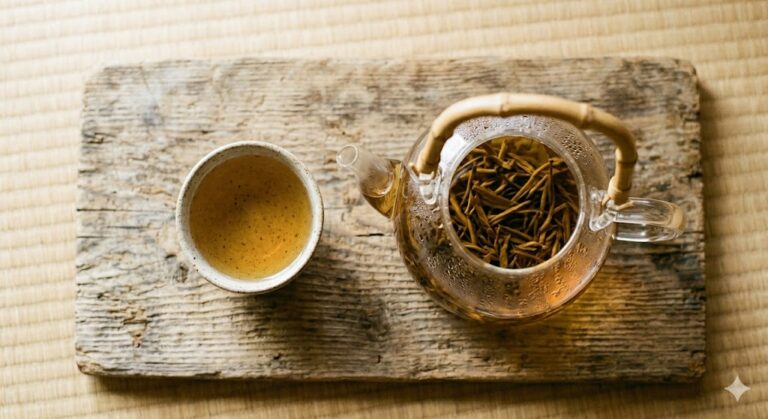
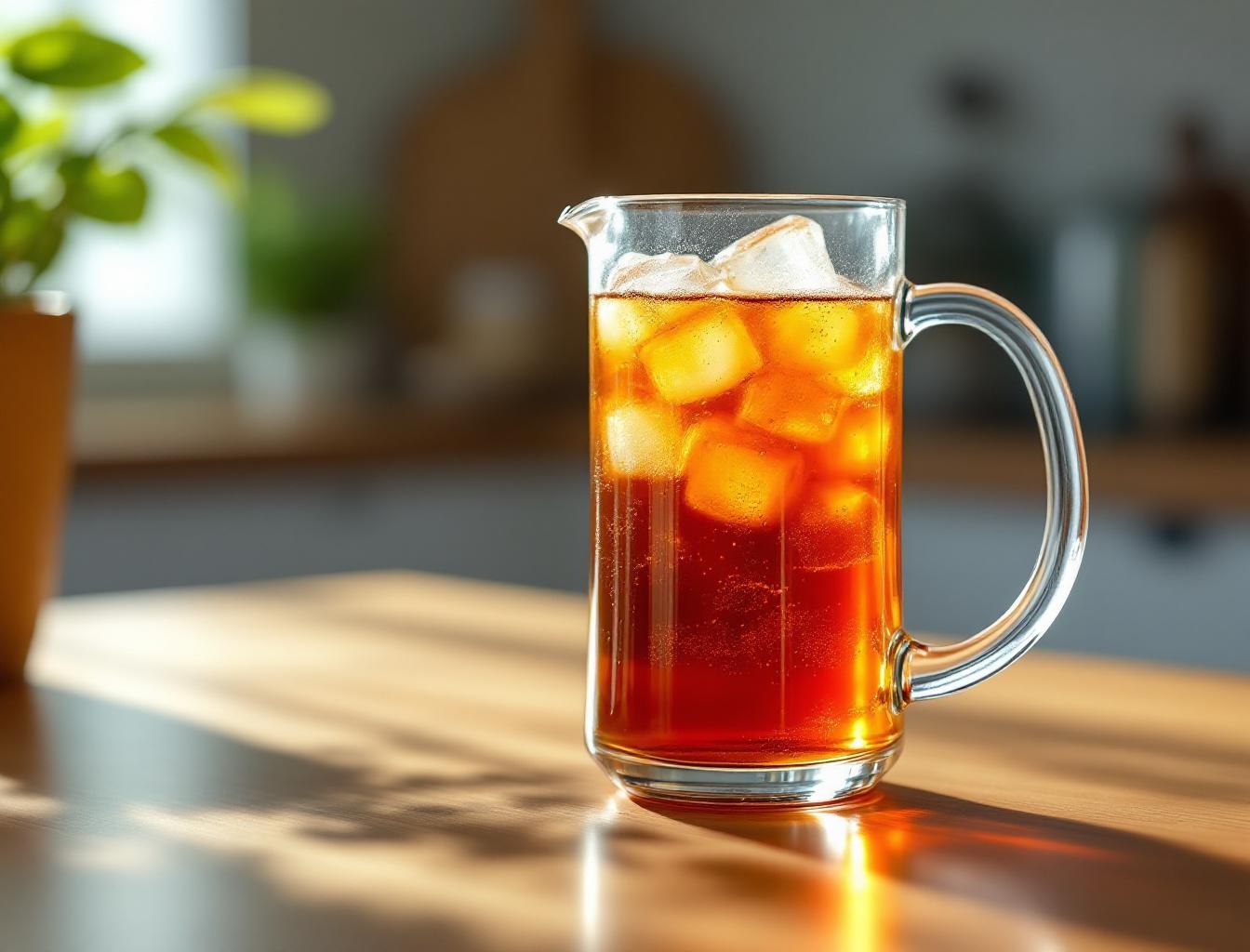
Cold brew hojicha might be the most underrated drink in your tea repertoire. You're getting all the toasty, caramel-roasted depth of hojicha — with even less caffeine than the already-low-caffeine hot version — and the prep takes about 30 seconds the night before. By morning, you have a pitcher of smooth, amber-colored iced tea that's ready to pour straight or dress up as a latte, a tonic, or a float.
This guide covers everything: the science of cold extraction, two brewing methods, a step-by-step cold steep walkthrough, a full brewing parameters table, and ideas for what to do with your cold brew. If you're looking to dive deeper into the nuances of the process, the detailed cold brew guide offers even more insights and techniques for perfecting your batch.
Why Cold Brew Hojicha? The Case for Skipping Hot Water
Most people discover hojicha through its hot preparation — a quick steep in near-boiling water that unlocks an intensely aromatic, nutty infusion. Hot brewing is fast and effective. But cold brewing unlocks a different side of hojicha entirely, and for iced drinking, it's genuinely superior.
Three reasons cold brew wins for hojicha specifically:
- Smoother flavor: Cold water suppresses the extraction of catechins (the astringent compounds in tea). Hojicha already has low astringency from roasting, and cold brew reduces it further. The result is almost velvety — naturally sweet with caramel undertones and zero bitterness.
- Even lower caffeine: Caffeine is less soluble in cold water. Hojicha already has one of the lowest caffeine levels of any Japanese tea because roasting causes caffeine to sublimate (convert directly from solid to gas, essentially boiling off during the roasting process). Cold brewing suppresses extraction further. You're looking at roughly 5–15mg of caffeine per 8oz serving, compared to 20–30mg for hot-brewed hojicha.
- Zero effort morning routine: Steep overnight in the refrigerator. Wake up, pour, drink. There is no easier tea to prepare.
The Chemistry of Cold Extraction (Why Cold Water Changes Everything)
Tea extraction is fundamentally a temperature-driven process. Water at 90°C extracts compounds aggressively and quickly — caffeine, catechins, and volatile aromatic compounds all come out fast and in high concentrations. Cold water (4–20°C) extracts the same compounds, but selectively and slowly.
Here's what cold water does differently in hojicha:
- Theanine extraction increases (relatively): L-theanine, the amino acid responsible for umami and calm focus, is highly water-soluble even at low temperatures. Cold brew extracts theanine efficiently while other compounds lag behind. This is why cold brew teas often feel noticeably smoother and calmer than their hot counterparts.
- Catechin extraction drops sharply: Catechins — the bitter, astringent polyphenols in green tea — need heat to dissolve well. In cold water, they extract slowly and in smaller amounts. This is a significant advantage for hojicha drinkers who already appreciate its low bitterness.
- Caffeine solubility decreases: Caffeine dissolves in hot water readily. In cold water, extraction is substantially reduced. For people sensitive to caffeine — or anyone who wants an afternoon iced tea without disrupting sleep — this matters.
- Pyrazines: the key to hojicha‘s aroma — Hojicha‘s distinctive toasty, nutty scent comes from pyrazines and furanones created during the Maillard reaction of roasting. The most potent of these is 2,3,5-trimethylpyrazine, which research has shown to suppress sympathetic nerve activity (the stress response) and increase parasympathetic activity (the relaxation response) just through inhalation. Cold water extracts these aromatic compounds more gently than hot water — the aroma is subtler in cold brew but still present, and the resulting drink retains those calming properties.
In short: cold brew hojicha is lower in caffeine, lower in astringency, higher in theanine (proportionally), and gentler in aroma. For iced drinking, these are all features, not bugs.
Three Methods: Cold Steep vs. Flash Chill vs. Ice Brew
There are three main ways to make iced hojicha. They produce different results and suit different situations.
1. Cold Steep (Mizudashi) — Recommended
The classic cold brew method. Tea leaves steep in cold water in the refrigerator for 6–12 hours. This is the method this guide focuses on. It requires no attention and produces the smoothest, cleanest result.
2. Flash Chill (Hot Brew Over Ice)
Brew a concentrated hot hojicha (double strength) and immediately pour it over a full glass of ice. The ice dilutes and chills simultaneously. This method takes 3–5 minutes and produces a bolder, more aromatic drink — closer to hot hojicha in character. You get more of the volatile aromatics that cold steeping misses. Good when you want iced hojicha immediately and don't have cold brew ready.
3. Ice Brew (Kōridashi)
A traditional Japanese method where ice is packed directly onto the tea leaves and allowed to melt slowly over the course of several hours. Extraction happens drop by drop as ice melts. The result is an extraordinarily concentrated, silky infusion. This technique is usually reserved for high-grade teas like gyokuro — it works with hojicha but isn't the most efficient use of the method given hojicha‘s price point.
| Method | Ratio (tea:water) | Temp | Time | Flavor Result | Effort |
|---|---|---|---|---|---|
| Cold Steep (Mizudashi) | 1g : 80–100ml | 4–8°C (refrigerator) | 6–12 hours | Smooth, sweet, low astringency, subtle aroma | Minimal (set and forget) |
| Flash Chill | 1g : 50ml hot + 50ml ice | 90–95°C brew → chilled | 3–5 min | Bold, aromatic, closer to hot brew character | Quick, active |
| Ice Brew (Kōridashi) | 1g : 60–80ml (as ice) | 0°C (melting ice) | 4–8 hours | Concentrated, silky, intensely aromatic | Moderate setup |
| Hot Brew (for reference) | 1g : 100ml | 90–95°C | 30–45 sec | Robust, toasty, full aroma, slightly astringent | Quick |
How to Cold Brew Hojicha: Step-by-Step
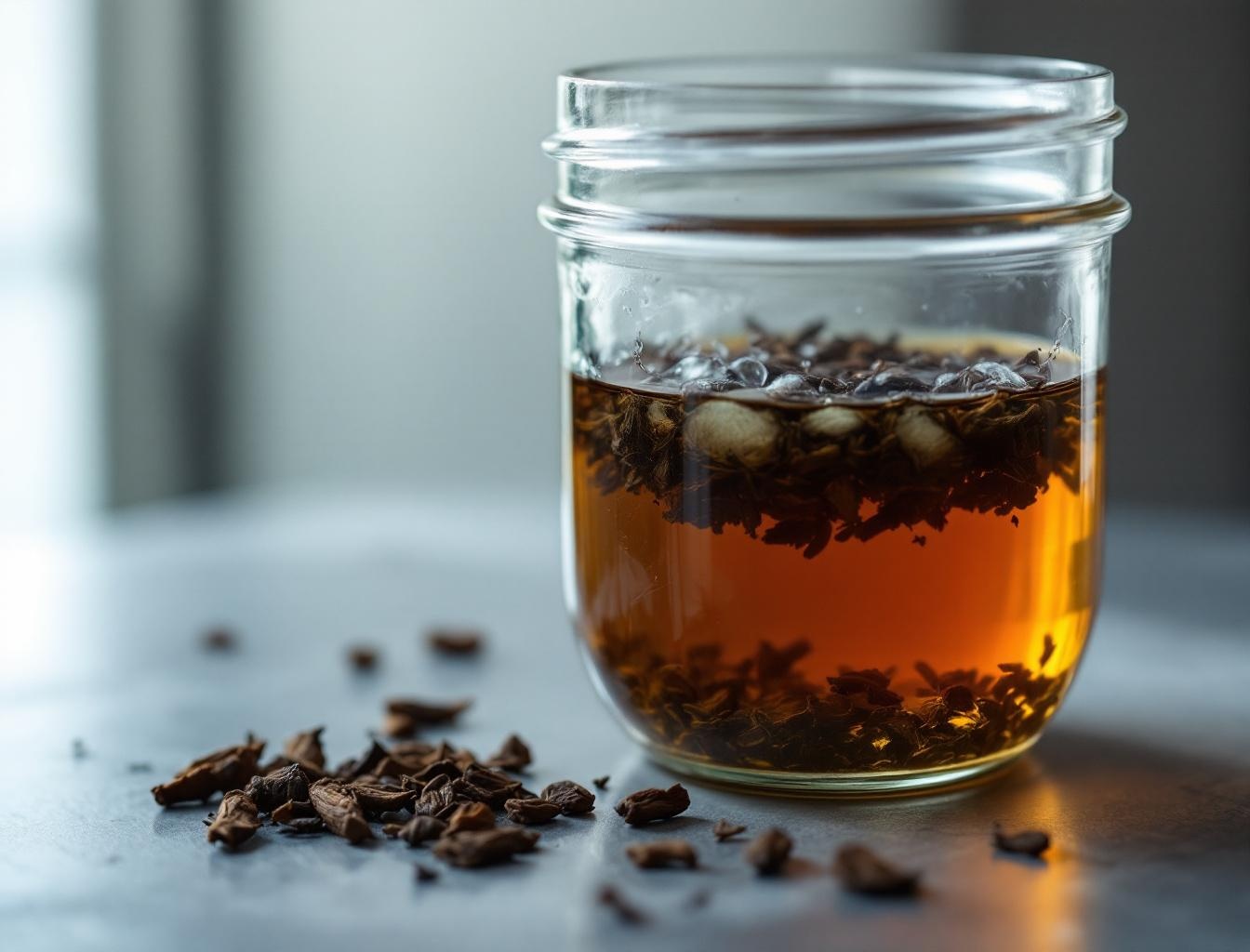
The cold steep method is forgiving and flexible. Here's the standard approach with notes on where you can adjust.
What You Need
- Loose leaf hojicha (or hojicha tea bags — both work)
- Cold filtered water
- A glass jar, pitcher, or cold brew bottle with a strainer
- A fine mesh strainer or tea filter (if using loose leaf)
- Refrigerator space
The Method
- Measure your hojicha. The standard ratio is 1g of tea per 80–100ml of water for a well-balanced cold brew. For a 1-liter pitcher, use 10–12g of loose leaf hojicha. If you're using tea bags, use 2 bags per 500ml.
- Add tea to your vessel first. Place the hojicha in your jar or pitcher before adding water. This prevents the lighter leaves from floating up and clumping at the surface.
- Pour cold filtered water over the leaves. Room temperature water also works if you plan to move the vessel immediately to the refrigerator. Avoid hot water — you're not flash-chilling, you're cold steeping.
- Seal and refrigerate. Cover the vessel and place it in the refrigerator. No need to stir.
- Steep for 6–8 hours (minimum), or overnight. For a lighter, more delicate brew, check at 3–4 hours. For a fuller body and richer color, go overnight (up to 12 hours). Unlike some green teas, hojicha doesn't turn noticeably bitter with a longer cold steep — it's forgiving.
- Strain and serve. Pour through a fine mesh strainer into glasses over ice. If you used a cold brew bottle with an integrated filter, simply remove the filter basket.
- Store covered in the refrigerator. Cold brew hojicha keeps well for 3–4 days. The flavor is best within the first 2 days.
Brewing Ratios: Finding Your Preferred Strength
Cold brew hojicha is flexible — different sources recommend different ratios, and personal preference varies. Here's a practical guide:
| Strength | Ratio (tea:water) | Steep Time | Best For |
|---|---|---|---|
| Light | 1g : 120ml | 3–5 hours | All-day drinking, sensitive to caffeine, pairing with food |
| Standard | 1g : 100ml | 6–8 hours | Drinking straight over ice, hojicha latte base |
| Strong | 1g : 70ml | 8–12 hours | Mixing with milk or tonic, pouring over ice cream |
| Concentrate | 1g : 50ml | 10–12 hours | Dilute 1:1 with water or milk to serve — batch prep for week |
Tip from Nio Teas: When you're dialing in your preferred ratio, taste the brew at the 3-hour mark, then again at 6 hours. Most people find their sweet spot somewhere between those two points.
Tips for the Best Cold Brew Hojicha
- Use filtered water. Cold brew spends hours in contact with water — off-flavors from tap water are much more noticeable than in a quick hot steep. Filtered or spring water makes a measurable difference.
- Don't skip refrigeration. Room temperature cold brew works (it speeds up extraction), but refrigerator-cold water extracts more slowly and produces a cleaner result. It also prevents any bacterial growth during the long steep. Always refrigerate.
- Loose leaf over bags when possible. Loose leaf hojicha — especially roasted whole leaves or kukicha (stems) — has more surface area variation and tends to produce a more nuanced cold brew. Bags work perfectly fine for everyday use, but loose leaf gives you more control over ratio and a more expressive brew.
- Stems = sweetness. Kuki-hojicha (stem-dominant hojicha) produces a notably sweeter cold brew. If you find your cold brew lacking sweetness, try a stem-heavy variety. The stems contain higher concentrations of theanine, which contributes to that savory-sweet quality.
- Don't squeeze the leaves. When straining, resist pressing the leaves against the strainer. Squeezing extracts bitter compounds that stayed behind during the gentle cold steep. Let it drain naturally.
- Label with the date. Cold brew in a pitcher looks identical to fresh-made cold brew. Mark the date so you don't accidentally drink week-old tea.
What to Make with Cold Brew Hojicha
Cold brew hojicha is incredibly versatile. It has enough depth to stand on its own over ice, but it also plays well with milk, sparkling water, citrus, and more.
1. Straight Over Ice
The simplest and often the best. Pour your cold brew into a glass packed with ice. The amber color is beautiful, and the smooth, toasty flavor needs nothing added. A light sprig of mint is a nice summer touch.
2. Cold Brew Hojicha Latte
Use your cold brew concentrate (1:50 ratio) as the base. Fill a glass with ice, add 100ml of cold brew concentrate, then top with cold oat milk or whole milk. The roasted notes of hojicha pair exceptionally well with the natural sweetness of oat milk. No sweetener needed — the cold extraction process brings out hojicha‘s natural caramel sweetness. For a layered presentation, pour the milk first, then slowly pour the cold brew over the back of a spoon.
3. Hojicha Tonic
Equal parts cold brew hojicha and tonic water over ice. The bitterness of quinine in tonic water creates a genuinely sophisticated contrast with hojicha‘s roasted sweetness. Add a slice of yuzu or lemon if you have it. This works best with a stronger cold brew (1:70 ratio) so the flavor isn't diluted by the tonic.
4. Hojicha Soda
Swap tonic for plain sparkling water. Lighter and more refreshing than tonic, with no bitterness. A squeeze of lime lifts the whole drink. Excellent on hot days when you want something fizzy but non-alcoholic.
5. Hojicha Milk Tea (Iced)
Use a strong cold brew (1:60–70 ratio) and mix 1:1 with your milk of choice. This is closer to a boba shop hojicha milk tea in character. A small amount of simple syrup or honey blends in well if you prefer it sweetened. Tapioca pearls turn this into a full hojicha bubble tea.
6. Over Ice Cream or Shaved Ice
Cold brew hojicha poured over vanilla ice cream is one of those combinations that sounds unusual until you try it. The roasted, caramel notes of hojicha interact with the dairy fat in ice cream in a way that's genuinely addictive — similar to an affogato. Use a strong cold brew for this.
7. Hojicha Americano (Powder Version)
If you have hojicha powder, whisk a half-teaspoon with a small amount of cold water until smooth, then pour your cold brew over it. The powder adds body and a more intense roasted flavor — it's closer to an espresso-style hojicha drink. Great for those who want something more concentrated without running a full concentrate batch.
Best Hojicha for Cold Brewing
Not all hojicha cold brews the same way. A few things to look for:
- Roast level matters. A medium-to-dark roast hojicha produces the deepest amber color and most complex cold brew. Lightly roasted hojicha (some labeled as “premium” or “sencha-based hojicha”) cold brews to a paler color and milder flavor. Both are good — it depends whether you want subtle or bold.
- Leaf vs. stem-based: Leaf-dominant hojicha (bancha or sencha base) gives a more aromatic, slightly more complex cold brew. Stem-dominant hojicha (kukicha or kuki-hojicha) gives a sweeter, more delicate cold brew with lower caffeine. For everyday all-day drinking, stems are excellent. For a bolder latte base, go leaf-dominant.
- Freshness: Hojicha‘s aromatics fade over time. Cold brew extracts aroma compounds less aggressively than hot water, so starting with fresh hojicha matters more for cold brew than it does for hot preparation. Check the harvest or roast date — within 12 months is standard, within 6 months is ideal.
- Powder for speed: Hojicha powder cold brews instantly — just whisk with cold water. The result is slightly different from loose leaf cold brew (cloudier, more full-bodied) but perfectly delicious and zero wait time.
How to Store Cold Brew Hojicha
Cold brew hojicha keeps well in the refrigerator for 3–4 days after straining. A few storage notes:
- Store in a sealed glass container — glass preserves flavor better than plastic, which can absorb and impart odors over multiple days
- Keep the leaves in contact with water for the minimum time needed — once you've reached your desired strength, strain it; leaving leaves in for 3 extra days turns it bitter
- The first 24–48 hours produce the best flavor; the brew continues to develop (and can slightly over-extract) after that
- Do not freeze — freezing breaks down the aromatic compounds and produces a flat, muddy flavor when thawed
Cold Brew Hojicha vs. Cold Brew Green Tea
If you've tried cold brew green tea (usually sencha or gyokuro), hojicha cold brew is a noticeably different experience:
| Cold Brew Hojicha | Cold Brew Sencha | |
|---|---|---|
| Color | Deep amber to dark brown | Pale gold to light green |
| Flavor | Toasty, caramel, nutty, low astringency | Grassy, umami, slightly sweet, more astringency |
| Caffeine | Very low (~5–15mg per 8oz) | Low-moderate (~25–35mg per 8oz) |
| Steep time | 6–12 hours | 4–8 hours (can over-extract faster) |
| Forgiveness | Very forgiving — hard to over-steep | Can turn grassy or astringent if over-steeped |
| Best use | Lattes, tonic, all-day drinking | Straight drinking, pairing with delicate food |
Frequently Asked Questions
How long should I cold brew hojicha?
The sweet spot for most people is 6–8 hours at refrigerator temperature (4–8°C). For a lighter brew, check at 3–4 hours. For a stronger, fuller brew, go up to 12 hours overnight. Unlike green teas that can turn bitter with over-steeping, hojicha is forgiving — overnight cold brew rarely goes wrong.
Can I cold brew hojicha at room temperature?
Yes, but reduce your steep time significantly — room temperature extracts faster than refrigerator-cold water. At room temperature (~20°C), check at 1–2 hours and strain when you reach your desired strength. Refrigerate immediately after straining. Don't leave room-temperature cold brew unstraining for more than 2–3 hours in warm weather.
Is cold brew hojicha caffeine-free?
Not completely caffeine-free, but very low. Hot-brewed hojicha already has lower caffeine than most Japanese teas because roasting causes caffeine to sublimate (burn off). Cold brewing suppresses caffeine extraction further. Most cold brew hojicha preparations contain roughly 5–15mg of caffeine per 8oz serving — comparable to decaf coffee and well below the ~80mg in a cup of regular coffee. It's suitable for most caffeine-sensitive individuals, including children and those avoiding caffeine in the afternoon.
Can I reuse the hojicha leaves for a second cold brew batch?
Yes. After straining your first batch, the leaves still have extractable flavor. Add fresh cold water and return to the refrigerator. The second batch will be lighter and more delicate — often quite pleasant as a lighter afternoon drink. A third steep is generally too thin to be worth it. Don't store used wet leaves for more than 24 hours before re-brewing.
What's the best hojicha to cold brew?
For cold brew specifically, a medium-to-dark roast loose leaf hojicha or kuki-hojicha (stem-based) works best. Stem hojicha produces a sweeter, gentler cold brew. Leaf-based hojicha (bancha or sencha base) produces a bolder, more aromatic cold brew that works better as a latte base. Hojicha powder also cold brews well for a faster, more concentrated preparation.
Why is my cold brew hojicha pale or watery?
Three possible causes: too little tea (try 1g per 80ml rather than 100ml), too short a steep time (go to 8 hours), or the hojicha is stale (older tea loses its color compounds — check the roast date). Fresh hojicha cold brews to a rich, dark amber. If your brew is consistently pale, increase both the tea ratio and steep time.
Can I make cold brew hojicha with tea bags?
Absolutely. Use 2 bags per 500ml (roughly 1 bag per 250ml) and steep 6–8 hours in the refrigerator. The result is comparable to loose leaf for everyday drinking. Bags are especially convenient for a quick single-serving cold brew in a mason jar overnight.
How does cold brew hojicha compare to cold brew coffee?
Both use cold water and long extraction times to produce smooth, low-bitterness drinks. Cold brew hojicha has a fraction of the caffeine (5–15mg vs. 150–200mg in cold brew coffee), with a nutty, caramel-roasted flavor profile that's surprisingly similar to coffee in tone — minus the intensity. Many coffee drinkers find hojicha cold brew a natural afternoon substitute when they want something roasted but not stimulating.