Tokoname Kyusu Review: Why This Clay Produces Better Tea
Tokoname is one of Japan's Six Ancient Kilns — pottery towns with unbroken ceramic traditions stretching back over a millennium. When Japanese tea lovers talk about the “right” teapot for green tea, they almost always mean a Tokoname kyusu. This review explains what sets Tokoname clay apart, what to look for when shopping, and why serious tea drinkers invest in this specific style of teapot.
What Is a Tokoname Kyusu?
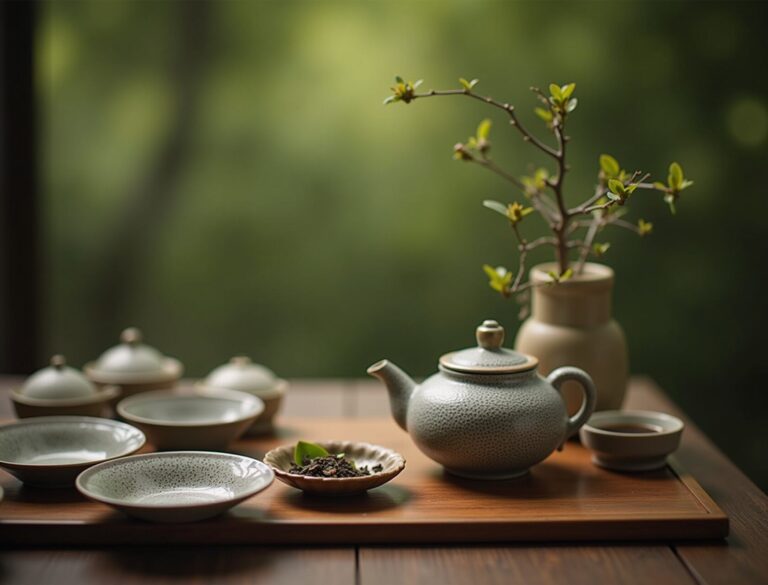
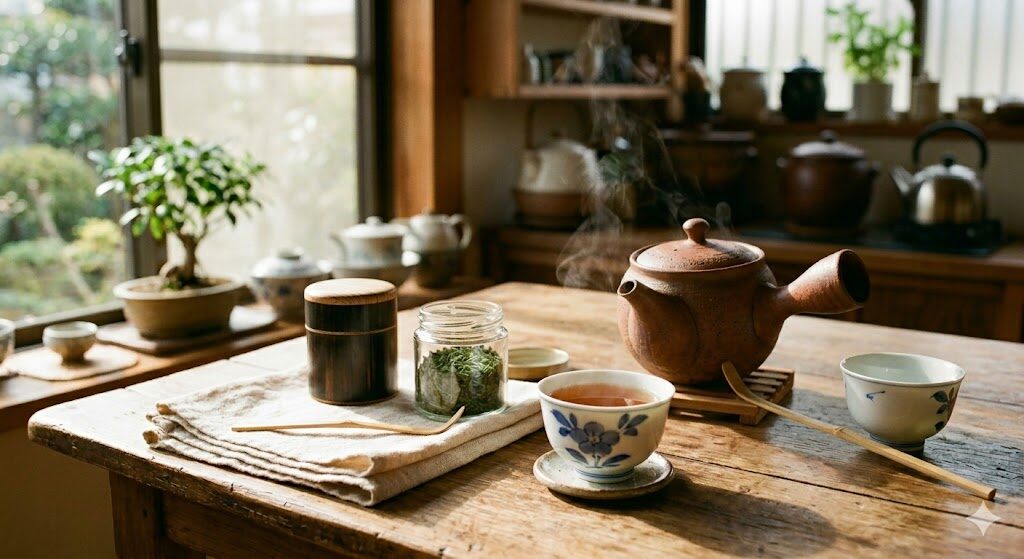
A kyusu is a Japanese side-handled teapot — the handle extends from the side of the body rather than from the top or back. Tokoname kyusu are made in Tokoname City, Aichi Prefecture, Japan, using a distinctive clay that's rich in iron and other minerals.
The clay from Tokoname has a slightly gritty, reddish-brown or dark purple-gray character that potters have refined into teapots for centuries. Most Tokoname kyusu are unglazed on the interior, which means the tea interacts directly with the clay — and that interaction matters.
How Tokoname Clay Affects Tea Flavor
This is where Tokoname kyusu separate themselves from generic ceramic or glass teapots. The iron-rich, slightly alkaline Tokoname clay has two well-documented effects on green tea:
- Tannin reduction: The iron in Tokoname clay binds with tannins in green tea, reducing perceived astringency and bitterness. Tea brewed in Tokoname tastes noticeably smoother than the same tea brewed in glass or glazed ceramic.
- Flavor rounding: Long-time users describe Tokoname kyusu as making tea taste “rounder” and more mellow without losing the bright, grassy notes that good sencha or gyokuro delivers.
These aren't placebo effects — controlled tasting comparisons regularly find measurable differences in bitterness between tea brewed in Tokoname versus neutral vessels. For high-grade sencha, which can turn harsh when over-brewed or brewed in reactive vessels, the effect is especially pronounced.
Tokoname Kyusu vs. Other Teapot Types
Tokoname vs. Glass: Glass is neutral — it doesn't alter tea flavor at all. That's excellent for tasting tea analytically. But for everyday drinking, especially with sencha, Tokoname's tannin-softening effect is often preferred.
Tokoname vs. Banko Ware: Banko teapots (also from Mie Prefecture) use a purple clay with heat retention benefits. Banko is excellent for hojicha and heartier teas. Tokoname is typically the better choice for delicate greens like sencha and gyokuro.
Tokoname vs. Yixing (Chinese Purple Clay): Both are unglazed iron-rich clays. Yixing is denser and more heat-retentive, traditionally used for oolong and pu-erh. Tokoname is more porous and better suited to the light, quick steeps of Japanese green tea.
Tokoname vs. Cast Iron: Cast iron teapots look dramatic but are usually too heavy for gyokuro or fine sencha. They also retain heat longer, which can over-steep delicate teas. Tokoname is lighter, more responsive, and purpose-built for Japanese tea.
What to Look for When Buying a Tokoname Kyusu
- Mesh filter type: The best Tokoname kyusu have a clay mesh filter (sasame) built into the spout opening — dozens of tiny clay holes that filter out leaf particles. Hand-carved clay filters are premium; pressed clay filters are common on mid-range pieces. Avoid stainless steel inserts in an otherwise clay pot — they indicate shortcuts in manufacture.
- Lid fit: A well-fitted lid seals tightly enough that you can tilt the pot and the lid won't fall. Test this or look for reviews that mention lid fit.
- Spout pour: The spout should pour cleanly and completely — no drips. A well-shaped spout cuts off flow instantly when you stop pouring.
- Size: Standard kyusu range from 200ml (2 cups) to 400ml (4 cups). For solo brewing of multiple short steeps, 200–250ml is ideal. For sharing, 350–400ml works better.
- Potter's mark: Authentic Tokoname pieces are often stamped or signed by the potter. Known Tokoname makers include Seiho, Gyokko, Koji Iwase, and Suizan. Signed pieces aren't essential for quality, but they confirm provenance.
Browse our full selection of Tokoname teapots at shop.alldayieat.com/product/tokoname-kyusu/.
How to Season and Care for a Tokoname Kyusu
An unglazed Tokoname kyusu benefits from seasoning — a process of brewing tea through the pot several times to build up a tea film on the clay interior. This is called narawashi and it gradually improves the pot's brewing character.
- Initial rinse: Rinse the new pot with hot water and let it soak for 10 minutes to remove any clay dust.
- First brews: Brew inexpensive sencha or bancha through the pot several times for the first week. Don't use your best tea yet.
- Never use soap: The porous clay absorbs soap flavor permanently. Rinse only with hot water — never dish soap or detergent.
- Dry after use: Remove the lid after use and let the pot air dry completely before storing. Trapped moisture causes mold.
- Dedicate to one tea type: Many serious drinkers keep separate kyusu for different teas. Cross-using a sencha pot for roasted hojicha can transfer flavor over time.
Is a Tokoname Kyusu Worth the Investment?
A quality Tokoname kyusu runs $40–$150 for handcrafted pieces from established makers, with signed pottery from senior artisans commanding more. For someone who drinks Japanese green tea daily, it's a meaningful upgrade that improves every cup.
The kyusu also ages beautifully. The tea film that builds up inside develops over months and years, gradually deepening the pot's ability to soften astringency. A well-used Tokoname kyusu becomes a genuinely seasoned tool — not just a container but a co-producer of the tea experience.
Frequently Asked Questions
- What tea is best for a Tokoname kyusu?
- Tokoname is ideal for Japanese green teas: sencha, gyokuro, kabusecha, and shincha. It also works well with hojicha and genmaicha. Its tannin-softening properties are especially beneficial for high-grade sencha that can taste sharp in neutral vessels.
- Can I use a Tokoname kyusu for matcha?
- No. Matcha is whisked in a bowl (chawan) and doesn't go through a teapot at all. Use your kyusu for loose-leaf teas only.
- How do I clean a Tokoname kyusu?
- Rinse with hot water only — never use soap. Use a soft brush to dislodge any stuck leaf particles. Dry completely before storing with the lid off.
- My Tokoname pot has a faint tea smell. Is that normal?
- Completely normal and desirable. The tea aroma absorbed into the clay is a sign the seasoning process is working. A well-seasoned Tokoname kyusu smells faintly of the teas you've brewed in it.
- Can Tokoname kyusu go on the stovetop?
- No. These are brewing teapots, not heat-safe cookware. Use them only with pre-heated water poured in from a kettle.
- What's the difference between cheap and expensive Tokoname kyusu?
- Cheaper pieces (under $30) are often mold-cast with pressed clay filters. Mid-range pieces use better clay and hand-carved filters. Premium pieces are wheel-thrown or hand-formed by named artisans, with exceptional lid fit and spout performance. The clay quality matters for flavor influence — higher iron content means more pronounced tannin-softening.