Genmaicha with Matcha (Matcha-iri Genmaicha): Buying Guide
Matcha-iri genmaicha is genmaicha's premium upgrade: standard brown rice tea with a careful dusting of matcha powder added to the leaves. The effect on flavor is pronounced — the genmaicha's toasty rice notes gain a layer of sweetness, depth, and vivid green color that plain genmaicha lacks. The cup goes from golden-amber to a beautiful jade green. If you already drink genmaicha and want to step up, or if you love matcha but want something more casual and forgiving, this blend deserves your attention.
What Is Matcha-iri Genmaicha?
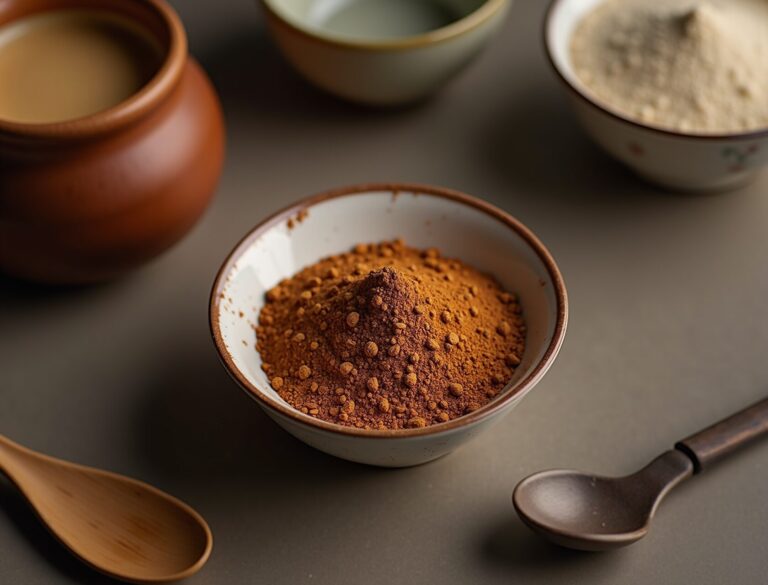
Matcha-iri genmaicha (抹茶入り玄米茶) literally means “genmaicha containing matcha.” It's made by combining regular genmaicha — the blend of green tea leaves and roasted puffed rice — with a quantity of stone-ground matcha powder. The matcha adheres to the leaves and rice pieces, and when brewed, it dissolves into the cup alongside the steeped genmaicha base.
The matcha content varies by producer. Cheaper versions use a small amount of low-grade matcha that mainly adds color. Premium versions use meaningful amounts of quality matcha that genuinely changes the flavor profile — adding the characteristic umami sweetness and silky texture that good matcha brings to any beverage.
How Does It Taste Different from Regular Genmaicha?
The differences are noticeable:
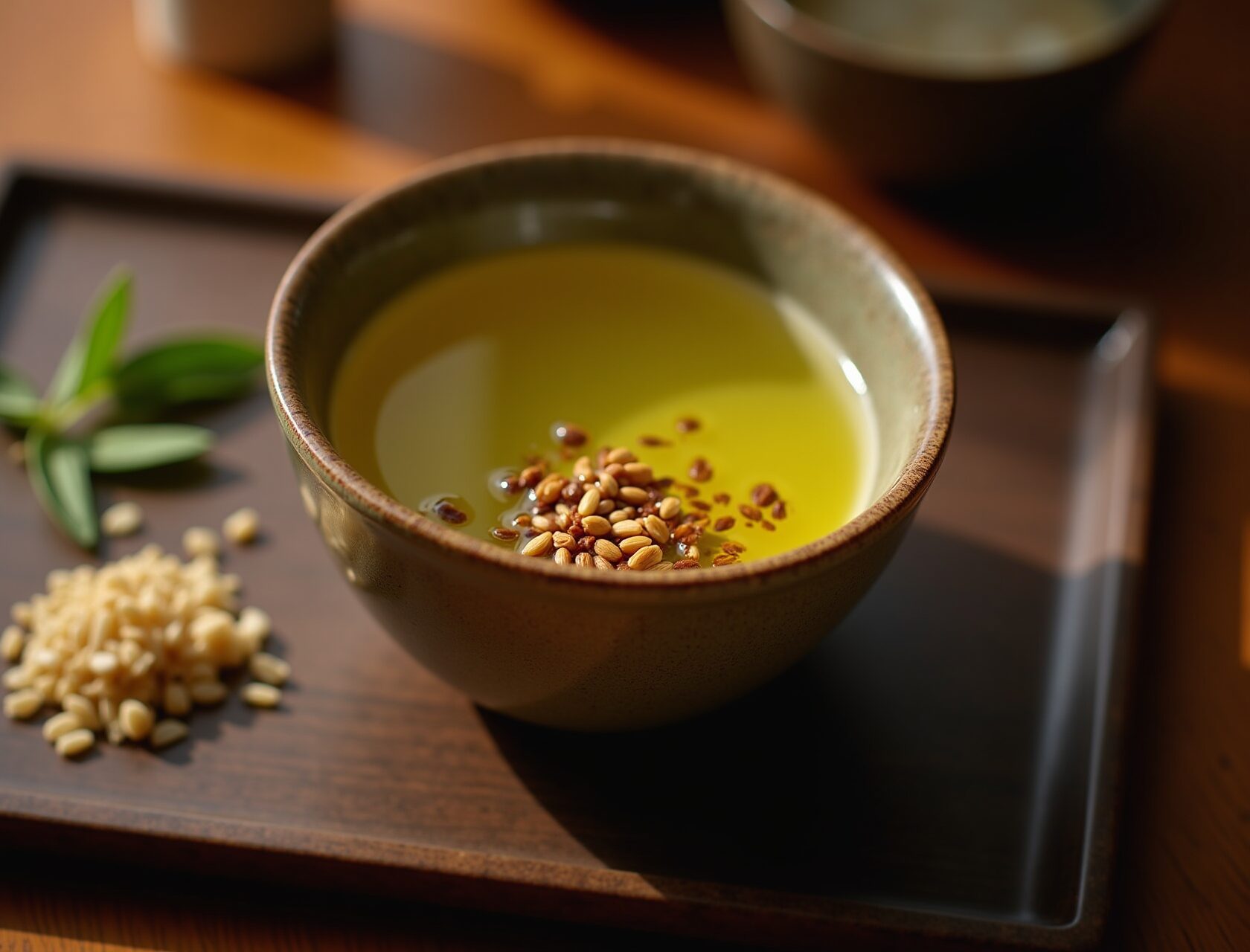
- Color: Brews much greener — from pale golden to bright jade green depending on matcha quality and quantity. Visually striking.
- Flavor: The toasty rice notes of genmaicha remain, but they're layered with the grassy, sweet, slightly vegetal character of matcha. More complex and rounded than plain genmaicha.
- Texture: A slight creaminess or silkiness from the dissolved matcha powder — genmaicha alone is clean and thin; the matcha addition gives the cup more body.
- Sweetness: Matcha's L-theanine adds perceived sweetness without sugar. Matcha-iri genmaicha tastes subtly sweeter than plain genmaicha.
- Caffeine: Slightly higher than plain genmaicha due to matcha's caffeine content. Still low compared to straight sencha or matcha-based drinks.
Matcha Quality in Matcha-iri Genmaicha
This is the biggest quality variable and where most budget options cut corners. The matcha in matcha-iri genmaicha is usually culinary or low-ceremonial grade — meaning it won't be the same quality as what you'd buy for a matcha ceremony or high-end latte. That's fine and expected.
What matters is that the matcha is:
- Genuinely Japanese: Matcha from Japan (primarily Uji, Nishio, or Kagoshima) has a meaningfully different flavor profile than matcha from elsewhere. Premium matcha-iri genmaicha specifies Japanese matcha origin.
- Present in enough quantity: If the tea brews golden rather than green, there's not enough matcha to matter. Quality matcha-iri genmaicha brews distinctly green.
- Fresh: Matcha oxidizes relatively quickly. A matcha-iri genmaicha with a recent roast/blend date will have more vibrant color and flavor than old stock.
What to Look for When Buying
Checklist for matcha-iri genmaicha shopping:
Ingredient quality of the genmaicha base: The same criteria as regular genmaicha apply — sencha-base is better than bancha-base, named Japanese region is better than generic.
Matcha origin and grade noted: The best products specify matcha origin. “Uji matcha-iri genmaicha” or “Nishio matcha blend” tells you the producer is proud of their matcha source. No matcha origin = assume generic, lower quality.
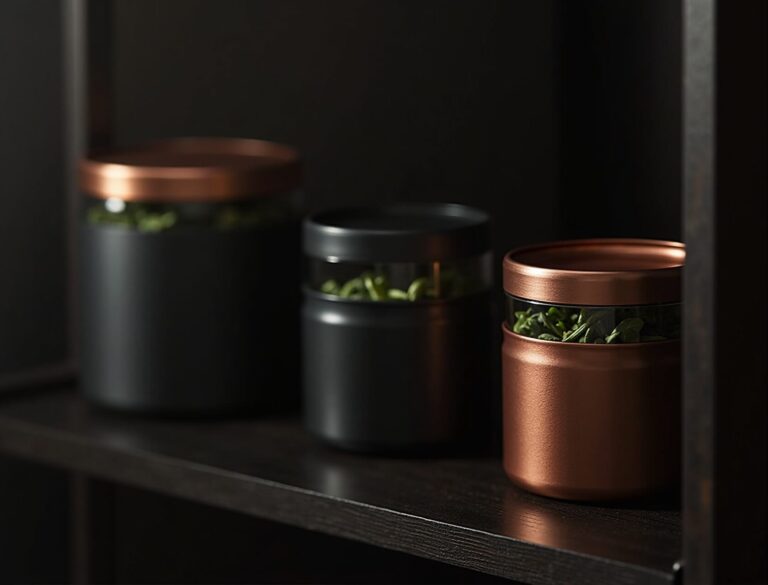
Packaging that protects matcha freshness: Matcha oxidizes easily. Nitrogen-flushed or vacuum-sealed packaging preserves both the genmaicha and the matcha component. Once opened, matcha-iri genmaicha should be consumed within 4–6 weeks for best color and flavor.
Price: Quality matcha-iri genmaicha runs $15–30 for 50–100g. Very cheap versions (under $10 for 100g) won't have meaningful matcha content.
How to Brew Matcha-iri Genmaicha
The matcha component changes brewing slightly:
- Water temperature: 175–185°F (80–85°C). Lower than plain genmaicha — the matcha benefits from cooler water that preserves its sweetness and prevents bitterness.
- Leaf ratio: 1–1.5 teaspoons per 6–8oz water
- Steep time: 1.5–2 minutes. Shorter than plain genmaicha because matcha extracts quickly.
- Stir or swirl: The matcha will settle. Give the cup a gentle swirl before drinking for even flavor.
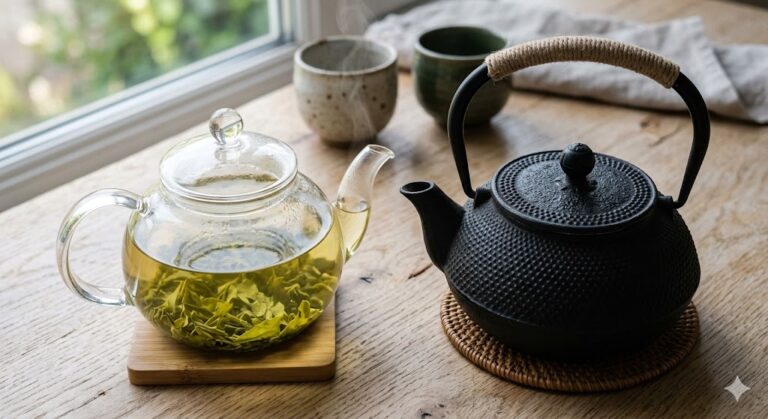
- Vessel: A glass teapot shows off the beautiful green color — highly recommended. Hario glass teapots are ideal.
Matcha-iri Genmaicha vs. Regular Genmaicha vs. Matcha: When to Choose Each
- Matcha-iri genmaicha: When you want a daily green tea with more complexity and visual appeal than plain genmaicha, without the cost or brewing precision of dedicated matcha.
- Regular genmaicha: Pure everyday drinker. Simpler, more forgiving, excellent with food. Budget-friendly daily staple.
- Dedicated matcha: Ceremonial preparation, matcha lattes, baking. When matcha is the point, not a supporting ingredient.
Browse our genmaicha collection — including matcha-iri options from producers who use genuine Uji matcha in their blends.
Frequently Asked Questions
Is matcha-iri genmaicha suitable for beginners? Excellent choice. The genmaicha base is forgiving, and the matcha adds interest without demanding precision. Better starting point than pure matcha for most new drinkers.
Can I use matcha-iri genmaicha for lattes? Yes, though it makes a different latte than pure matcha. The result is lighter green, with toasty rice notes alongside the matcha flavor. Some people prefer this — it's less intense than a straight matcha latte.
Will the matcha stick to my teapot? Some residue is normal. Rinse your teapot immediately after use to prevent staining. Glass teapots clean more easily than ceramic for this reason — you can see the residue and rinse thoroughly.
Is matcha-iri genmaicha good cold? Yes. Cold brew for 6–8 hours in the refrigerator. The matcha gives it a lovely green color and the result is sweeter and lighter than hot-brewed. Use 1.5x the normal leaf amount for cold brew to account for lower extraction.
Why does some matcha-iri genmaicha barely look green when brewed? Not enough matcha content, or very low grade matcha. A quality matcha-iri genmaicha brews visibly green. If yours brews pale yellow, the matcha component is largely a labeling claim rather than a flavor contributor.