Tea Storage Tins: Best Airtight Caddies for Keeping Japanese Loose Leaf Tea Fresh
You can spend $30 on excellent Japanese loose leaf tea and ruin it in two weeks by storing it wrong. The enemies are light, oxygen, moisture, and heat — and most kitchen environments expose stored tea to all four. The right storage tin protects your tea and keeps it fresh for the full 4-6 weeks after opening that quality loose leaf deserves.
Here's what to look for and which caddies are worth buying.
Why Tea Storage Actually Matters
Japanese loose leaf teas — especially green teas like sencha, kabusecha, and gyokuro — are more vulnerable to oxidation than many other teas. The processing specifically attempts to halt oxidation at harvest. Once the leaf is exposed to oxygen, it begins oxidizing again, dulling the green color, reducing the fresh umami notes, and eventually producing a flat, straw-like taste.
The four storage enemies:
- Oxygen: Oxidizes the tea compounds responsible for flavor and aroma
- Light: UV and visible light degrade chlorophyll and catechins — green tea turns yellowish and loses its bright character
- Moisture: Humidity causes clumping, encourages mold, and produces off-flavors
- Heat: Accelerates all of the above; keeps tea in a cool environment
A good storage tin addresses all four: opaque walls for light, airtight seal for oxygen and moisture, and you control where you place it (away from heat sources).
Key Features to Look For in a Tea Caddy
Seal Quality
The most critical feature. Look for:
- Double-lid design — an inner lid that sits snugly inside the can, plus an outer lid. Japanese tea canisters often use this design.
- A tight friction fit or gasketed seal that you can feel when closing
- Not a lid that simply balances on top — this provides minimal protection
Material
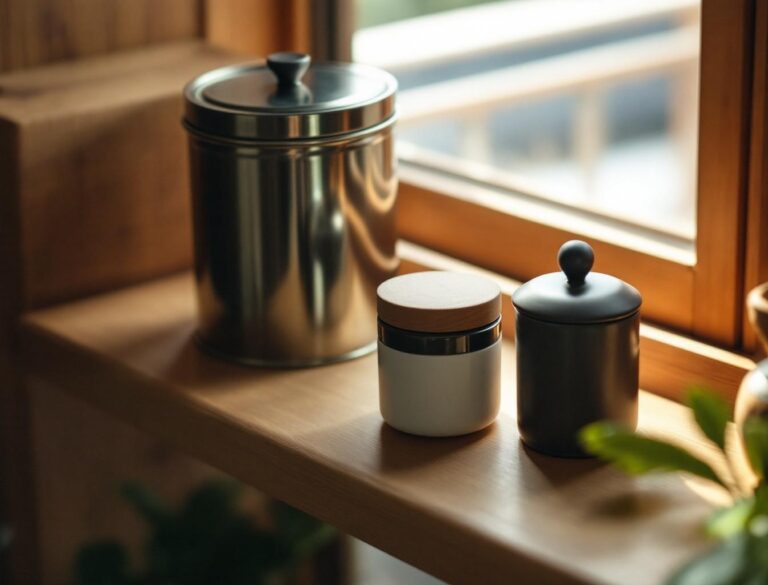
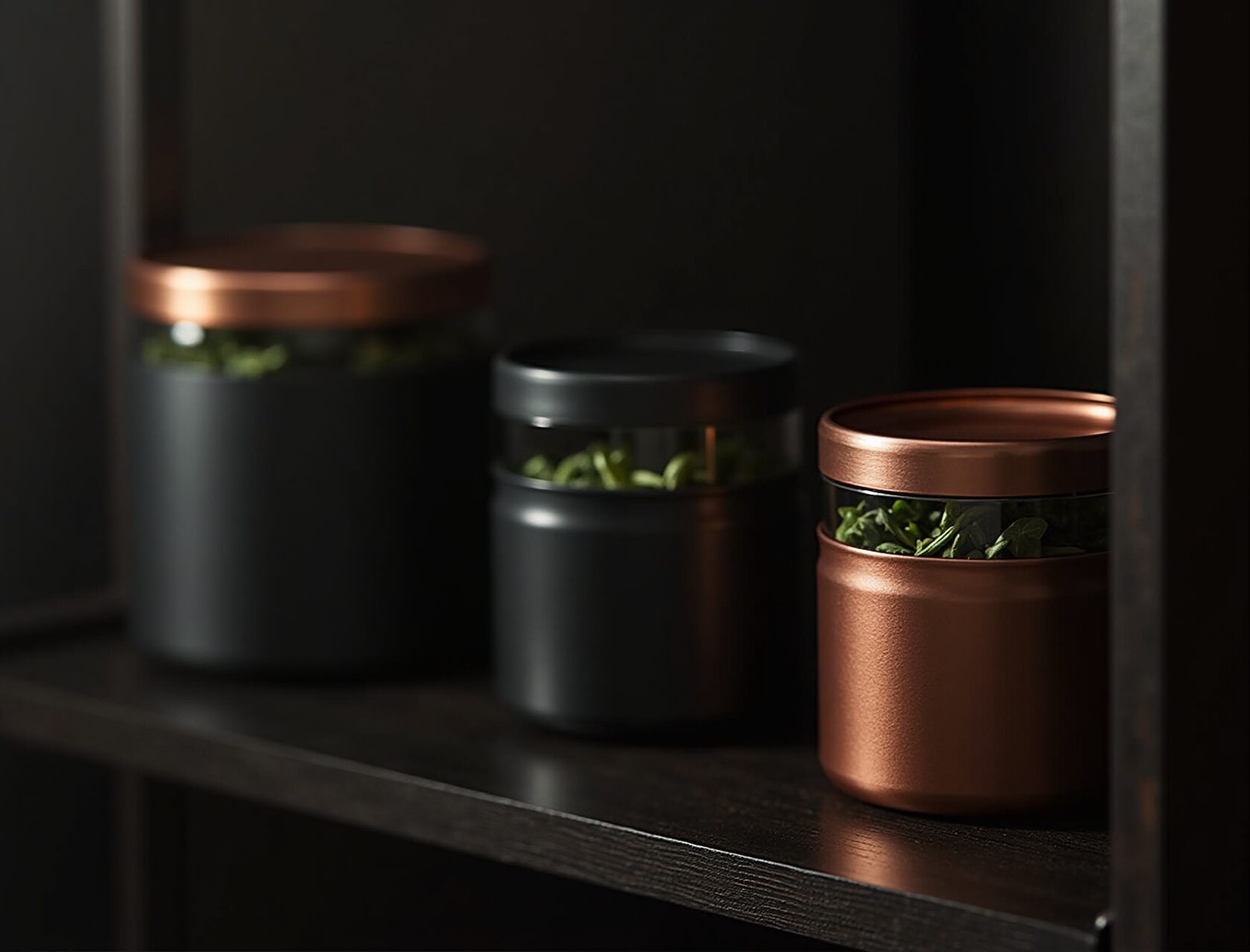
Tin/metal: The traditional choice for Japanese tea storage. Opaque, durable, neutral in flavor, excellent seal when well-made. Japanese tea tins (chazutsu) are the standard.
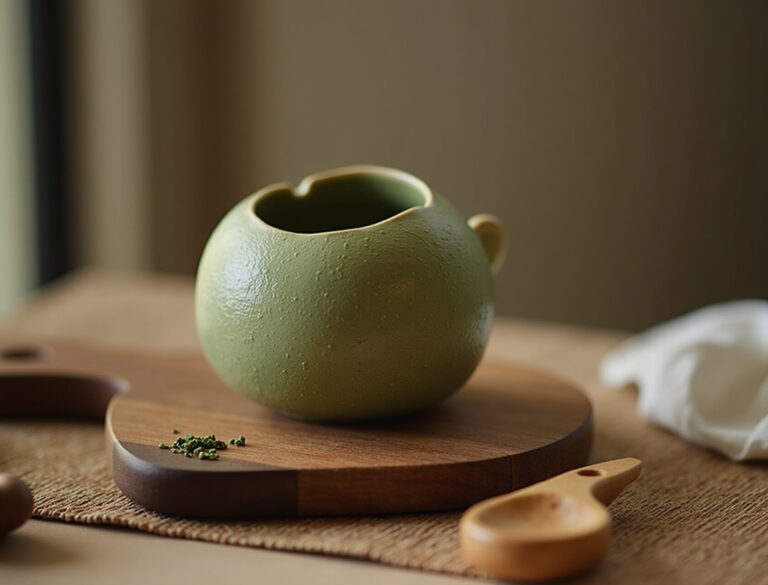
Ceramic: Beautiful, can be completely airtight with a good gasket. Heavier and more breakable than tin. Works well but requires a quality lid seal.
Glass: Flavor-neutral and you can see the tea, but admits light unless stored in a dark place or the glass is UV-coated/dark-colored. Not ideal for loose leaf green teas that need light protection.
Plastic: Generally avoid for Japanese tea storage. Plastic can absorb odors and transfer them back to tea, particularly delicate green teas. Exception: high-quality vacuum-seal containers designed specifically for tea.
Size
Match the tin size to your typical purchase quantity. Japanese loose leaf tea is typically sold in 50g, 100g, or 200g quantities:
- 30-50g capacity: For specialty teas like gyokuro that you buy in smaller quantities and drink slowly
- 100g capacity: Versatile size for everyday teas like hojicha and genmaicha
- 200g+: For households that drink a lot of one tea type regularly
A tin that's much larger than the tea quantity leaves air space above the leaves — minimize this by choosing a tin that's appropriate to your purchase size.
The Best Tea Tins for Japanese Tea
Japanese Double-Lid Tea Tins (Chazutsu)
Traditional Japanese tea canisters use a double-lid design: a tight inner lid that seals the can, then an outer decorative lid over it. This is the standard for a reason — the double seal dramatically reduces oxygen exchange compared to a single lid. Available in various decorative prints featuring Japanese motifs.
Price: $15-$35 depending on size and quality. Worth buying from Japanese kitchen specialists rather than generic tin suppliers.
Cha Tin Round Canisters
Simple, cylindrical Japanese tea tins with good interior finishes and reliable double-lid seals. Often come in subdued colors or traditional patterns. The 100g size is the most practical for everyday green teas.
Vacuum-Seal Tins
Some high-end tea tins incorporate a vacuum-seal mechanism — pressing a button on the lid removes air from the tin. These are excellent for very expensive teas (gyokuro, first flush shincha) where maximum freshness is worth the premium. Price: $25-$50+.
Ceramic Tea Canisters
Japanese ceramic tea canisters (often from Arita porcelain or similar traditions) are beautiful and functional. Look for a good rubber or silicone gasket in the lid. These make excellent decorative storage pieces for counter display.
Storage Placement Tips
Even with a perfect tin, placement matters:
- Away from the stove: Heat shortens shelf life
- Away from windows: Even opaque tins can heat up in direct sunlight
- Not in the refrigerator: Counter-intuitive but correct for opened tea — refrigerator condensation when removing cold tea to room-temperature air introduces moisture. For unopened vacuum-sealed bags, refrigerator storage is fine.
- Dark cabinet or pantry: The ideal location
How Long Does Properly Stored Japanese Tea Last?
- Unopened, vacuum-sealed: 12-18 months (check manufacturer date)
- Opened, stored in quality airtight tin: 4-6 weeks for green teas (sencha, kabusecha); 8-12 weeks for hojicha and bancha (more stable post-roasting)
- Opened, stored in a resealable bag in a tin: Slightly shorter, 3-5 weeks
Quality tea tastes noticeably better fresh. Prioritize fresh purchases over bulk savings — buying 200g of sencha that you'll take 4 months to finish isn't economical if the last 100g tastes flat.
Browse our hojicha, sencha, and genmaicha in quantities sized for regular home use.
Frequently Asked Questions
Can I store Japanese tea in the freezer?
Yes, for unopened packages. The freezer extends shelf life considerably. However, you must let the package come fully to room temperature before opening — this can take 30-60 minutes. Opening a frozen package introduces significant condensation moisture. Once opened, keep in the refrigerator or at room temperature, not back in the freezer.
How do I know if my Japanese tea has gone stale?
Fresh Japanese green tea should smell vibrant, grassy, and slightly sweet. Stale green tea smells flat, slightly papery, or hay-like. The color of the leaves darkens and yellows. The taste becomes flat with reduced umami and sweetness.
Should I keep the tea in its original bag inside the tin?
Yes — this adds a layer of protection. Keep the original bag folded tightly closed and stored inside the airtight tin. Two barriers are better than one.
Are silica gel packets helpful for tea storage?
Very useful in humid climates. Place a small food-grade silica gel packet in the tin along with the tea — it absorbs any ambient moisture that enters when you open the tin for pouring.
What's the most important storage factor?
Airtightness first, then darkness, then temperature. Most storage mistakes happen by leaving tea in the original bag loosely folded on a counter in a sunny kitchen. Even a basic airtight tin in a dark cabinet is a significant improvement.