

Nori Seasoning Guide: From Furikake to Tsukudani and Beyond
Most Western cooks know nori as sushi wrapper and stop there. In Japanese cooking, nori in various processed forms is a seasoning ingredient — adding umami, ocean flavor, and textural contrast to dozens of dishes. This guide covers the main prepared forms of nori, what they taste like, and specifically how to use them.
The Building Block: Quality Nori Sheets
All seasoned nori preparations start from dried nori sheets. The quality of the base product affects every derivative. Key quality indicators: dark forest-green color, glossy surface, firm texture, and clean ocean aroma. Sheets from Japanese growing regions — particularly the Ariake Sea — are considered premium.
For cooking applications where nori is being processed into a seasoning, mid-grade sheets are appropriate — save top-grade sheets for eating whole (sushi, onigiri) where their full character can be appreciated.
Shop our Japanese nori sheets.
Furikake: The Most Versatile Nori Seasoning
Furikake (振りかけ) is a dry Japanese seasoning mix scattered over rice, noodles, vegetables, and anything that benefits from a savory, umami-rich topping. Nori is always a component — typically crumbled or cut into fine strips — alongside sesame seeds, dried fish, salt, and other seasonings.
Nori furikake (basic recipe):
- 2 sheets toasted nori, crumbled finely
- 2 tablespoons toasted white sesame seeds
- 1/2 teaspoon sea salt
- Optional: 1 teaspoon dried bonito flakes, 1/4 teaspoon sugar
Mix and store in an airtight jar. Scatter generously over white rice, cold tofu, avocado, grilled fish, roasted vegetables, or ramen.
Uses for furikake:
- Rice topping — the classic application
- Onigiri filling mixed with rice
- Popcorn seasoning (excellent)
- Pasta or noodle finisher
- Salad dressing base
- Tofu and sashimi topping
Nori Tsukudani: Simmered Nori Paste
Tsukudani (佃煮) is a category of Japanese preserved foods simmered in soy sauce, mirin, and sugar. Nori tsukudani is a dark, intensely flavored seaweed paste that's served alongside rice, used in onigiri fillings, or spread on crackers. It's one of the most distinctively Japanese flavors — rich, salty-sweet, deeply umami, with a spreadable texture.
Nori tsukudani (basic recipe):
- Cut 10 sheets toasted nori into small pieces (about 1-inch squares)
- Add to a small saucepan with: 3 tablespoons soy sauce, 2 tablespoons mirin, 1 tablespoon sake, 1 tablespoon water, 1 teaspoon sugar
- Simmer over medium-low heat, stirring frequently, until the nori has dissolved into a paste and the liquid has nearly evaporated (10-15 minutes)
- Finish with a few drops of sesame oil off heat
Store in the refrigerator for up to 2 weeks. Serve 1-2 teaspoons alongside rice as a condiment. This paste is intensely flavored — a small amount goes a long way.
Kizami Nori: Shredded Nori Strips
Kizami nori (刻み海苔) is nori cut into very fine strips, used as a topping and garnish. The fine shreds add visual texture and flavor without the structural chewiness of a whole sheet piece.
How to cut kizami nori at home:
- Stack 2-3 sheets of toasted nori
- Fold in half, then roll tightly into a cylinder
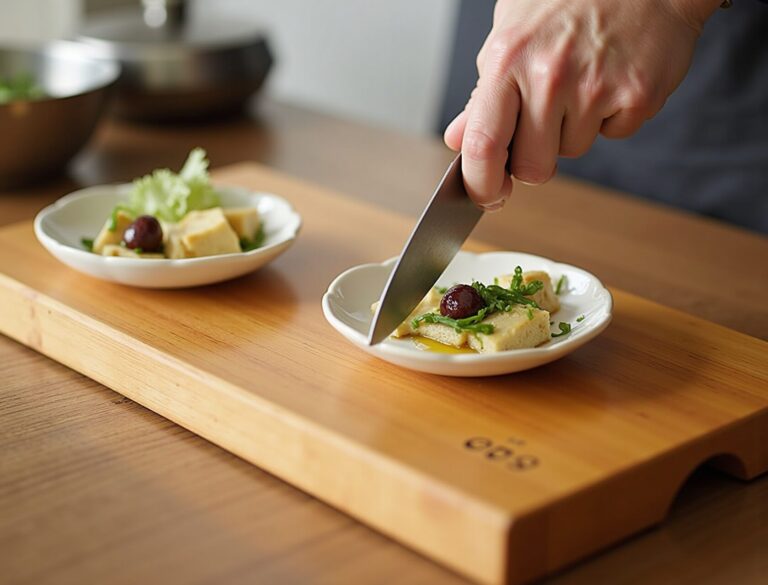
- Cut across the roll with a sharp knife in very thin slices (1-2mm)
- Unfurl and use immediately (or store in an airtight container)
Uses for kizami nori:
- Ramen topping — scattered over the surface
- Cold soba and udon garnish
- Scattered over hiyayakko (cold tofu)
- Mixed into rice for texture
- Scattered over stir-fried vegetables
Seasoned Nori Snacks (Ajitsuke Nori)
Ajitsuke nori (味付け海苔) is commercially prepared seasoned nori — sheets or strips treated with soy sauce, sugar, and sometimes sesame oil to create a thin, crispy, flavorful snack. These are often sold in small individual packets for boxed lunches and snacking.
Making a version at home:
- Mix: 2 tablespoons soy sauce, 1 tablespoon mirin, 1 teaspoon sesame oil
- Brush very lightly over nori sheets (both sides)
- Toast in a dry pan over medium heat for about 30 seconds per side until crispy
- Cut into strips or pieces and serve immediately
These don't store well after seasoning — the moisture from the seasoning causes them to go soft. Make in small batches and eat fresh.
Nori as a Soup Ingredient
Fresh or lightly dried nori pieces added to miso soup, clear soups (suimono), and ramen bring a fresh oceanic note different from the roasted flavor of toasted sheets. For soup use:
- Add small pieces of nori to miso soup just before serving — it softens gently without dissolving
- For clear soup, add thin strips of nori as a visual and flavor garnish
- For ramen, the classic presentation is a whole sheet propped against the bowl rim, where it slowly absorbs the broth
Nori Butter
A contemporary Japanese-inspired compound butter: blend softened unsalted butter with crumbled toasted nori, soy sauce, lemon zest, and optional sesame oil. The result is an umami-rich butter excellent on grilled fish, steak, roasted vegetables, or toast. Not traditional but a creative use of nori's flavor.
Frequently Asked Questions
Can I make furikake with partially stale nori?
Yes — furikake is a good use for nori that has lost its crispness. The texture matters less when it's being crumbled and mixed with other ingredients.
How long does homemade nori tsukudani last?
2-3 weeks refrigerated in a clean, airtight container. The high salt and soy sauce content acts as a preservative.
Can I use raw (untoasted) nori for tsukudani?
Yes. Raw nori produces a slightly different texture in tsukudani — it can maintain more of a chewy quality compared to toasted nori, which dissolves more completely into a smooth paste.
What's the difference between furikake and gomashio?
Gomashio is specifically sesame seeds and salt — no nori. Furikake is a broader category that almost always includes nori along with sesame and other seasonings.
Is nori tsukudani sold commercially?
Yes, widely in Japan and at Japanese grocery stores. It's worth trying commercial versions to understand the flavor profile before making your own. Look for products with simple ingredient lists — soy sauce, nori, mirin, sugar.

 Tokoname Ware Smoke Black Tea Teapot (Kkiri Style) - Made in Japan