Miyazaki Hojicha: Japan’s Premium Roasted Tea Region
When people talk about Japanese tea regions, the names Uji, Shizuoka, and Kagoshima come up immediately. But in the tea world, there is growing attention on Miyazaki prefecture — a mountainous region in southeastern Kyushu that produces some genuinely remarkable hojicha. As someone who has spent years sourcing Japanese teas, I keep coming back to Miyazaki producers for a specific quality that is hard to find elsewhere.
Where Is Miyazaki, and Why Does It Matter for Tea?
Miyazaki is located on the southeastern coast of Kyushu — the southernmost of Japan's main islands. The prefecture's interior is dominated by rugged mountains, deep valleys, and dramatic elevation changes. This geography creates a range of microclimates that allow for diverse tea cultivation, from lowland single-flush teas to high-altitude shade-grown varieties.
The climate in Miyazaki is warm and humid, with significant rainfall — conditions that promote lush growth in Camellia sinensis plants. Warmer climates generally produce teas with bolder, more robust character, which translates well to the roasting process that makes hojicha. The starting material matters enormously in hojicha production, and Miyazaki's naturally bold leaf makes a strong foundation.
What Makes Miyazaki Hojicha Distinctive
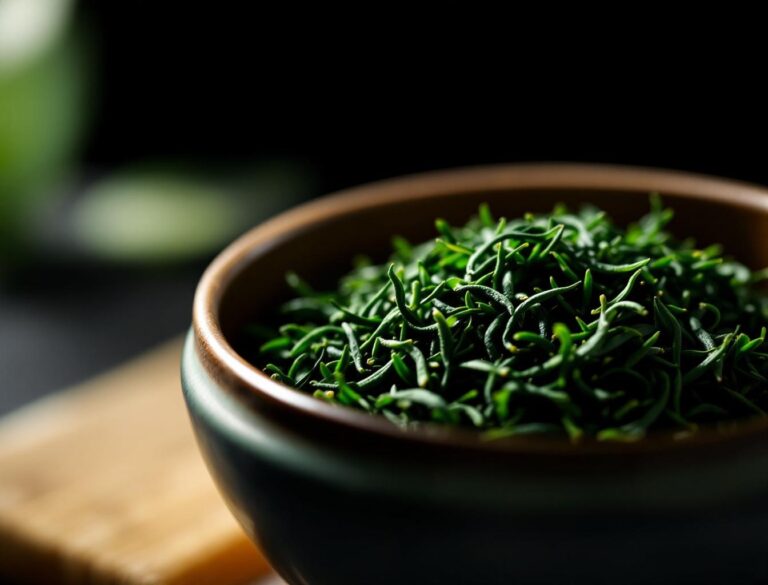
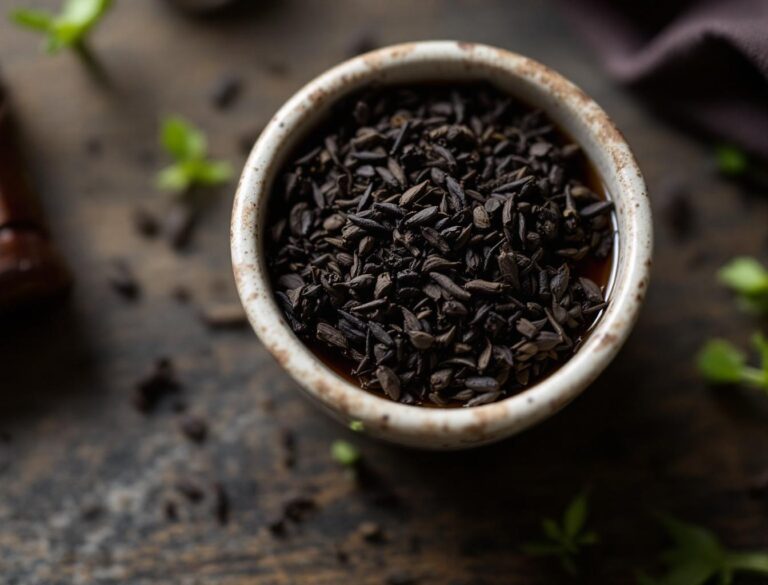
Hojicha describes a process — roasting — applied to a base tea, usually bancha or kukicha (stem tea). The character of the final product depends on both the roasting technique and the quality and origin of the base leaf.
Miyazaki hojicha tends to have a few distinguishing characteristics compared to hojicha from other regions:
- Deeper, earthier base notes: The naturally warmer-climate leaf contributes a richer base flavor that holds up beautifully to the roasting process.
- Pronounced caramel sweetness: The Maillard reaction during roasting produces caramel compounds, and Miyazaki teas often exhibit a pronounced caramel sweetness with a clean finish.
- Lower astringency: High-quality Miyazaki hojicha is remarkably smooth. The roasting process burns off most catechins, and the base leaf character supports a rounded, mellow cup.
- Consistent smokiness without harshness: Smoky notes are present but balanced — never the acrid edge you find in poorly roasted hojicha.
The Roasting Process and Why It Varies by Producer
In Miyazaki, as across Japan, the specific roasting method varies significantly by producer and is often a closely guarded part of their house style. Variables include temperature, duration, equipment, and base material selection. Lower-temperature, longer roasts tend to produce gentler sweetness. High-temperature roasting produces more pronounced smoky, caramelized notes. Many small Miyazaki producers still use traditional drum roasting methods, which creates a distinctly different result compared to modern industrial equipment.
Single-Origin Miyazaki vs. Blended Hojicha
Most commercial hojicha sold in grocery stores is a blend — leaves from multiple regions processed for consistency and cost efficiency. Single-origin Miyazaki hojicha tells a different story. It carries the terroir of a specific place, the decisions of a specific farmer, and the character of a specific growing season.
For tea lovers interested in developing their palate, drinking single-origin teas — even humble ones like hojicha — is one of the fastest ways to understand what terroir actually means in Japanese tea. Miyazaki's distinctive character becomes clear when you have tasted it alongside, say, a Kyoto-region hojicha.
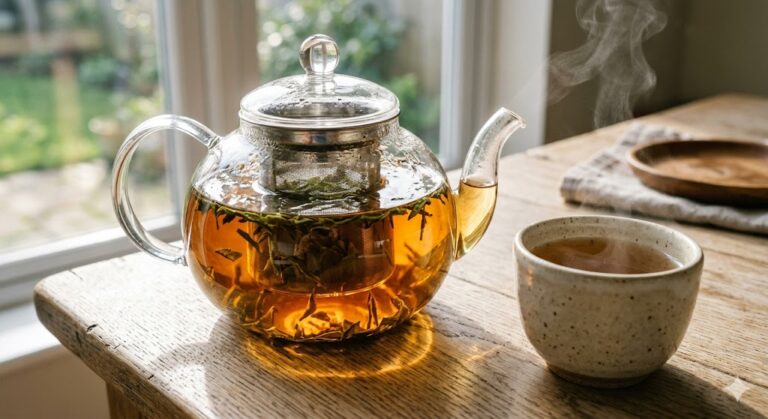
How to Brew Miyazaki Hojicha
Because hojicha has had most of its delicate aromatic compounds transformed through roasting, it can handle brewing conditions that would destroy a sencha or gyokuro.
- Water temperature: 90 to 95 degrees C (195 to 205 degrees F) — near boiling is fine, and for a bold cup, use fully boiling water.
- Steeping time: 30 to 45 seconds for the first steep.
- Leaf ratio: 3 to 4g per 150ml is standard. Go heavier for a richer cup.
- Resteeps: A good Miyazaki hojicha will give 2 to 3 pleasant infusions. The second steep is often the sweetest.
For cold brew: add 6 to 8g per 500ml cold water, refrigerate 4 to 6 hours. Miyazaki hojicha cold brew is extraordinarily good — complex, smooth, and mildly sweet with none of the bitterness you would get from iced coffee.
Pairing Miyazaki Hojicha with Food
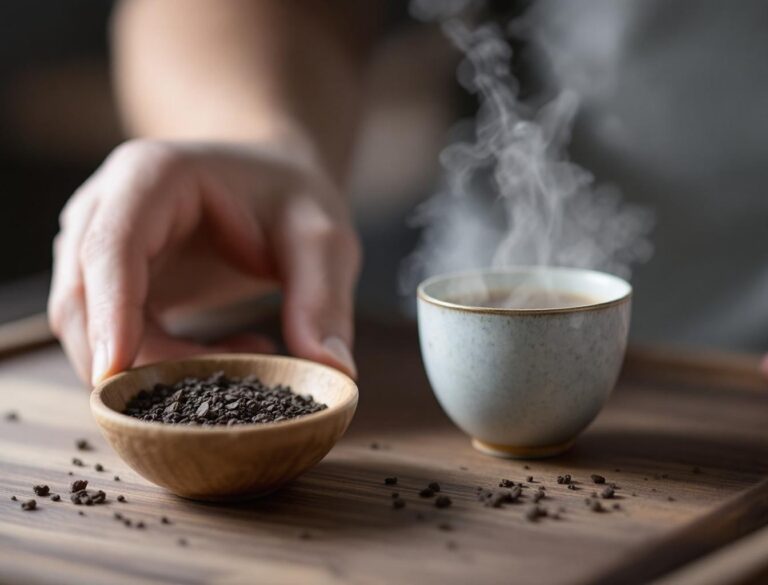
Hojicha's roasty, caramel notes make it an extraordinary food pairing tea. Miyazaki hojicha specifically pairs beautifully with Japanese sweets like wagashi and yokan, dark chocolate, grilled or roasted foods including yakitori and grilled fish, and savory breakfast items. The bold character holds up well alongside rice, pickles, and grilled fish in a classic Japanese morning meal.
Where to Find Miyazaki Hojicha
Single-origin Miyazaki hojicha is increasingly available from specialty Japanese tea retailers both in Japan and internationally. When sourcing, look for producers who specify the town or subregion within Miyazaki, information about the base leaf used, the harvest year (fresh hojicha from the most recent season is significantly better than old stock), and small-batch or artisan roasters who control the process from leaf to cup.
FAQ: Miyazaki Hojicha
- Is Miyazaki hojicha better than hojicha from other regions?
- Better depends on what you are looking for. Miyazaki tends to produce bolder, earthier hojicha with pronounced sweetness. Some people prefer the lighter, more delicate hojicha from Uji-area producers. Try both and decide for your own palate.
- Does hojicha have caffeine?
- Yes, but significantly less than most Japanese green teas. The roasting process degrades caffeine — a typical cup of hojicha has roughly 10 to 20mg of caffeine compared to 30 to 50mg in sencha. It is widely drunk in Japan in the evenings, including by children.
- Is Miyazaki hojicha organic?
- Some Miyazaki producers farm organically; many do not. If organic certification matters to you, ask specifically — it will not always appear on the label, but good specialty tea retailers know their suppliers.
- Can I use Miyazaki hojicha for lattes or baking?
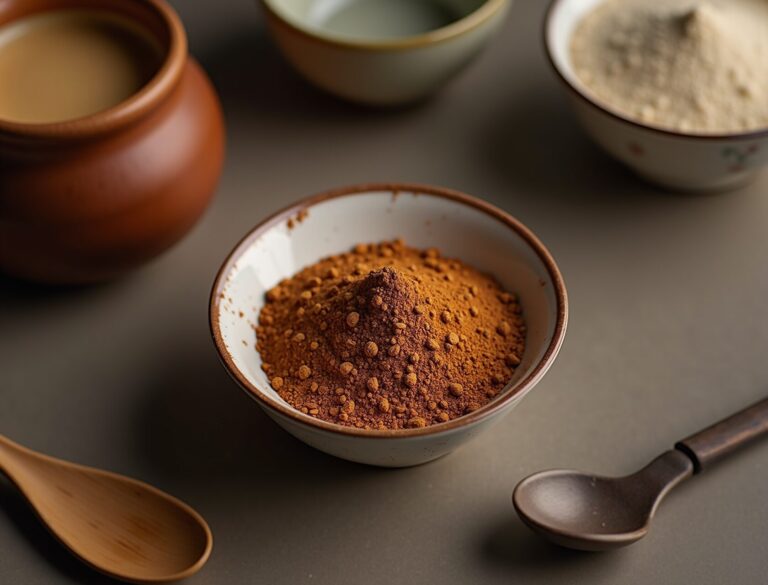
- Absolutely. Hojicha powder (ground from roasted leaf) is the standard for lattes and baking applications. Standard loose-leaf brews beautifully with oat milk or whole milk for a hojicha latte — stronger steeping recommended when mixing with milk.
- What is the difference between Miyazaki hojicha and Miyazaki bancha?
- Bancha is the unroasted base leaf — a mature, third-flush green tea with its own mild, earthy character. Hojicha is what happens when you roast that bancha (or kukicha stems). They can come from the same origin but are distinctly different teas in character and preparation.
Miyazaki is a region worth knowing. As the Japanese tea market expands internationally, regional terroir stories are becoming more important to specialty tea drinkers — and Miyazaki's distinctive hojicha is one of those stories that rewards the attention. Put a bag of Miyazaki single-origin on your next order and taste what I am talking about.