What Is Hojicha?
Hojicha is a Japanese roasted green tea made by firing bancha or sencha leaves at high temperatures, transforming the typical grassy green tea flavor into a warm, toasty, naturally sweet cup with a deep amber color. Unlike most green teas, hojicha has very low caffeine content (7-15 mg per cup versus 95-200 mg in coffee). In Japan it is traditionally the tea that follows dinner. Organic hojicha from Miyazaki Prefecture in southern Japan is prized for its volcanic terroir and clean flavor profile, and it works beautifully as a hot tea, latte, cold brew, or baking ingredient.
What Is Hojicha?
Hojicha (ほうじ茶) is a Japanese green tea that has been roasted over high heat, fundamentally changing its character from the bright, vegetal flavor most people associate with green tea. The name itself tells the story: houji means “roasted” and cha means “tea.”
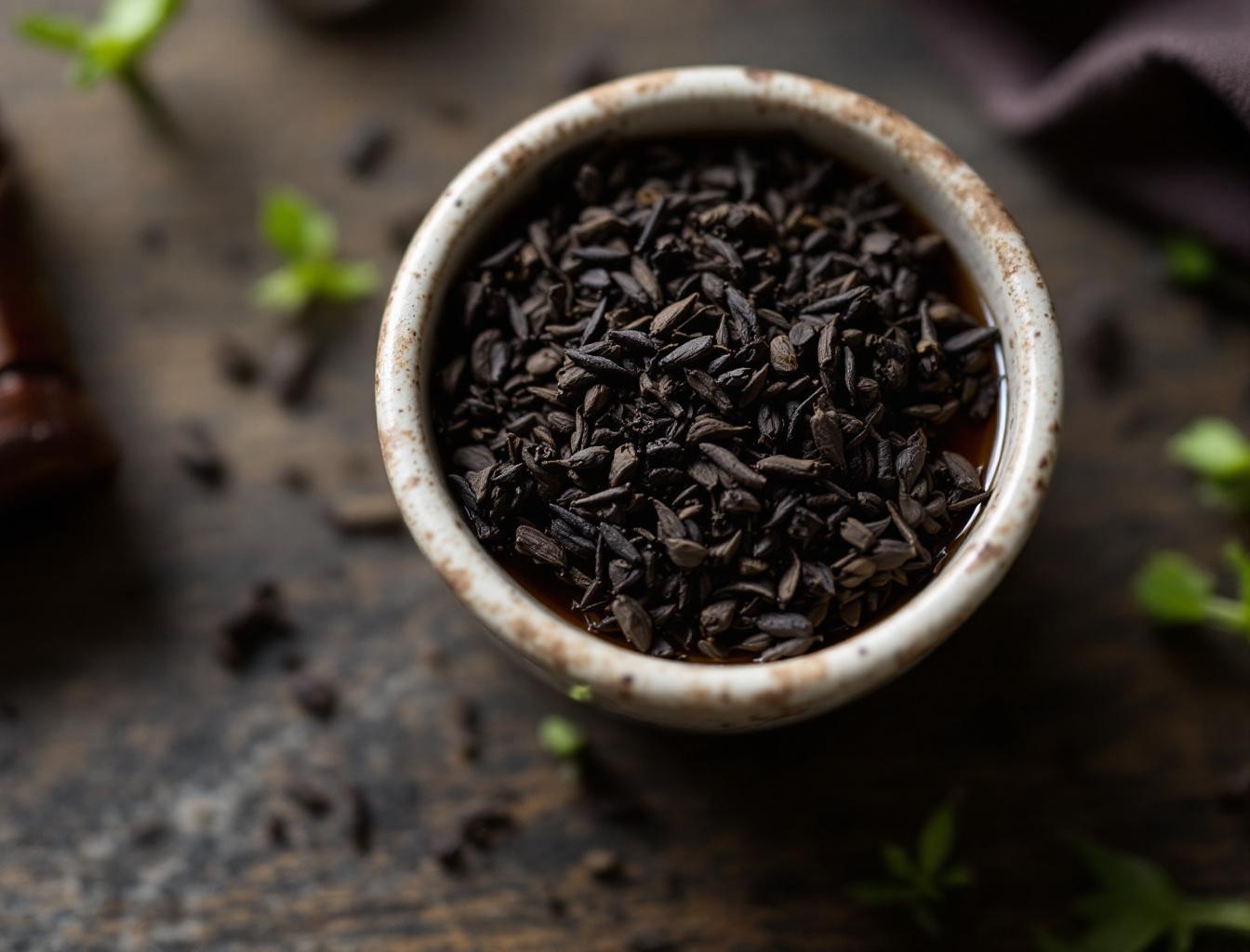
Traditional hojicha production involves roasting tea leaves in a porcelain pot (houroku) over charcoal. Modern producers use large rotating drums, but the principle remains the same — subject the leaves to temperatures between 150-200°C to trigger the Maillard reaction. This is the same chemical process that gives bread its crust, coffee its depth, and caramelized sugar its color. In the tea leaves, it converts the grassy amino acids and catechins into entirely new aromatic compounds called pyrazines, which produce that signature toasty, nutty warmth.
While hojicha can be made from various base teas, the most common starting material is bancha (a late-harvest green tea) or the stems and twigs left over from sencha production. Higher-grade hojicha starts with first-flush sencha leaves, which carry more complexity through the roast.
Why Miyazaki Hojicha Is Different
Miyazaki Prefecture sits on the southeastern coast of Kyushu, Japan's southernmost main island. The region's warm subtropical climate, abundant rainfall, and mineral-rich volcanic soil from the nearby Kirishima mountain range create ideal growing conditions for tea. The volcanic minerals — particularly the high silica and potassium content — contribute to a cleaner, rounder flavor in the finished leaves.
I source our Miyazaki organic hojicha specifically because of this terroir. The JAS Certified Organic designation means no synthetic pesticides, no chemical fertilizers, and no GMOs — just tea leaves, volcanic soil, and skilled roasting.
What Does Hojicha Taste Like?
If you've only experienced green tea as something grassy, vegetal, or slightly bitter, hojicha will change your frame of reference entirely. The roasting process eliminates all of those sharp, astringent qualities and instead delivers a smooth, mellow cup with the toasty, comforting character of hojicha intact. It's a tea that appeals to both green tea purists and those who prefer something more approachable and comforting.
Here's what to expect when you take your first sip:
- Toasty warmth — The dominant note. Think toasted rice, warm bread crust, or roasted chestnuts. This is the pyrazine compounds at work.
- Natural caramel sweetness — Not sugary, but a mellow, brown-sugar sweetness that requires no added sweetener. Many people drink hojicha completely unsweetened and find it satisfying.
- Nutty depth — Similar to lightly roasted almonds or hazelnuts, adding body to what is fundamentally a light tea.
- Zero bitterness — The roasting breaks down the catechins responsible for green tea bitterness. This is why hojicha is often the first Japanese tea recommended to people who say they don't like green tea.
- Clean finish — No lingering astringency or dryness on the palate.
The brewed color is a deep, clear amber — closer to a light whiskey than what you'd expect from a “green” tea. In latte form, it produces a beautiful warm caramel tone.
Hojicha vs Matcha: What's the Difference?
Both hojicha and matcha are Japanese green teas, but they sit at opposite ends of the processing spectrum. Matcha is shade-grown for weeks before harvest to maximize chlorophyll and L-theanine, then stone-milled into a fine powder. Hojicha is roasted at high heat. These fundamentally different approaches produce two teas that couldn't be more distinct.
| Characteristic | Hojicha | Matcha |
|---|---|---|
| Processing | Roasted at 150-200°C | Shade-grown, steamed, stone-milled |
| Color | Reddish-brown (powder), amber (brewed) | Vibrant green |
| Flavor | Toasty, caramel, nutty | Vegetal, umami, slightly bitter |
| Caffeine (8 oz) | 7-15 mg | 60-70 mg |
| Traditional place | After meals, the family evening pot | Morning, early afternoon |
| Beginner-friendly | Very — no bitterness | Can be bitter if not prepared correctly |
| Latte suitability | Excellent — naturally sweet | Excellent — rich and creamy |
The honest answer? You don't need to choose between them. Matcha is the bright, grassy, ceremonial cup. Hojicha is the mellow, toasty one. They complement each other perfectly across the day.
Hojicha vs Sencha: How Do They Compare?
Sencha is Japan's most popular everyday tea, accounting for roughly 60% of all Japanese tea production. While sencha is steamed and dried to preserve its fresh, grassy character, hojicha goes through an additional roasting step that completely rewrites the flavor profile.
| Characteristic | Hojicha | Sencha |
|---|---|---|
| Processing | Steamed, then roasted | Steamed, rolled, dried |
| Flavor | Toasty, caramel, nutty | Grassy, vegetal, umami |
| Caffeine (8 oz) | 7-15 mg | 30-50 mg |
| Brew color | Deep amber | Yellow-green |
| Brew temperature | 80-90°C (176-194°F) | 70-80°C (158-176°F) |
| Forgiveness | Very forgiving — hard to over-brew | More sensitive — over-brewing causes bitterness |
| Best for | Coffee lovers, evening tea, lattes | Green tea purists, daily drinking |
Interestingly, some hojicha is actually made from sencha leaves. When first-flush sencha is roasted, the result is a more nuanced hojicha with greater depth — the high-quality starting material carries complexity through the roast.
How Much Caffeine Is in Hojicha?
This is one of the most common questions I get, and the answer consistently surprises people. Hojicha contains significantly less caffeine than virtually every other tea and coffee option. The high-heat roasting process breaks down and volatilizes much of the caffeine in the leaves.
| Drink | Caffeine per 8 oz cup |
|---|---|
| Coffee | 95-200 mg |
| Matcha | 60-70 mg |
| Black tea | 40-70 mg |
| Sencha | 30-50 mg |
| Hojicha | 7-15 mg |
| Decaf coffee | 2-15 mg |
At 7-15 mg per cup, hojicha sits in roughly the same range as decaffeinated coffee. For a more detailed look at caffeine levels across all green teas, I've put together a separate deep dive.
How to Brew Hojicha
One of hojicha‘s best qualities is how forgiving it is. Unlike sencha or gyokuro, which can turn bitter with slightly too-hot water or slightly too-long steeping, hojicha is remarkably tolerant of imprecise brewing. That said, dialing in these parameters will get you the best cup.
Hojicha Powder
| Parameter | Recommendation |
|---|---|
| Amount | 1 teaspoon (about 2g) |
| Water | 200 ml (6.7 oz) |
| Temperature | 80-90°C (176-194°F) |
| Method | Whisk directly into hot water until smooth |
Hojicha Loose Leaf
| Parameter | Recommendation |
|---|---|
| Amount | 1 tablespoon (about 3g) |
| Water | 240 ml (8 oz) |
| Temperature | 93°C (200°F) — just below boiling |
| Steep time | 30-60 seconds |
Cold Brew Hojicha
Combine 2 tablespoons of loose leaf hojicha with 1 liter of cold filtered water in a pitcher. Steep in the refrigerator for 8-12 hours, then strain. Cold brewing amplifies the natural sweetness and produces a remarkably smooth, refreshing drink — perfect for warm weather.
Pro tip: Hojicha is one of the few teas I actually recommend brewing with near-boiling water. The roasted leaves can handle the heat, and higher temperatures extract more of those toasty, caramel notes. If your cup tastes flat, your water wasn't hot enough.
How to Make a Hojicha Latte
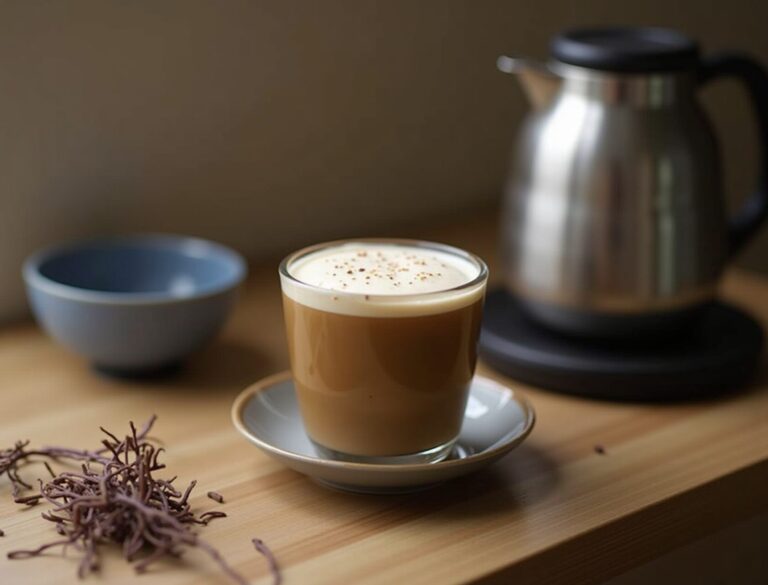
The hojicha latte has become one of the most popular ways to enjoy this tea, and for good reason — the roasted, caramel flavor profile works beautifully with milk. If you've had a matcha latte, think of this as its warmer, mellower sibling.
Hot Hojicha Latte
- Add 1-2 teaspoons of hojicha powder to your cup.
- Pour in about 60 ml (2 oz) of hot water at 80°C.
- Whisk vigorously until completely smooth — a milk frother or chasen (bamboo whisk) works perfectly.
- Top with steamed milk of your choice. Whole milk or barista-blend oat milk froth best.
- Optional: a dash of maple syrup, vanilla extract, or honey. Honestly, try it without sweetener first — you may not need it.
Iced Hojicha Latte
- Whisk 1-2 teaspoons of powder into 60 ml of hot water to create a concentrated “hojicha shot.”
- Fill a glass with ice.
- Pour the hojicha concentrate over the ice.
- Top with cold milk.
The iced version is particularly good in summer. The concentrated shot method ensures the hojicha flavor stands up to the dilution from the ice, rather than becoming watery.
Best Milk Pairings
Hojicha‘s caramel-nutty profile pairs differently with different milks:
- Oat milk — My top recommendation. The natural sweetness of oat milk amplifies hojicha‘s caramel notes. Use barista-blend for better frothing.
- Whole dairy milk — Classic pairing. The fat content creates a rich, creamy texture.
- Almond milk — The nutty flavor complements hojicha‘s roasted character.
- Coconut milk — Creates a tropical twist that works surprisingly well.
How to Use Hojicha Powder in Baking
Because finely stone-milled hojicha powder dissolves completely, it integrates seamlessly into baked goods and desserts. Anywhere you'd use cocoa powder or matcha powder, you can substitute hojicha for a completely different flavor experience — warm, toasty, and naturally sweet.
| Application | Amount | Method |
|---|---|---|
| Cookies | 1-2 tbsp | Sift into dry ingredients |
| Cakes | 1-2 tbsp | Sift into dry ingredients |
| Mochi | 1-2 tbsp | Fold into dough |
| Ice cream | 2-3 tbsp | Dissolve in warm cream before churning |
| Pancakes & waffles | 1 tbsp | Sift into batter |
| Tiramisu | 2 tbsp concentrate | Replace espresso soaking liquid |
| Smoothies | 1-2 tsp | Blend directly with ingredients |
Baker's tip: Always sift hojicha powder before incorporating it into recipes. Stone-milled powder naturally clumps due to static, and sifting ensures even distribution and a smooth result. For a concentrated hojicha flavor in recipes, whisk 2 tablespoons of powder into 60 ml of hot water to create a potent “hojicha paste” before adding it to your batter or base.
Where to Buy Organic Hojicha
Not all hojicha is created equal. Here's what to look for when sourcing quality hojicha:
- Origin transparency — The producer should identify the specific prefecture or region. “Product of Japan” without further detail is a yellow flag.
- Organic certification — JAS (Japanese Agricultural Standards) or USDA Organic. This ensures no synthetic pesticides or chemical fertilizers.
- Stone-milled powder — For powder form, stone-milling produces a finer, smoother texture than industrial grinding. It also generates less heat during processing, preserving flavor compounds.
- Packaging — Foil-lined or aluminum-lined bags protect against light, heat, and oxidation. Clear packaging exposes the tea to light degradation.
Our Miyazaki Organic Hojicha Powder checks every one of these boxes. It's JAS Certified Organic, stone-milled to a fine, smooth texture, sourced directly from Miyazaki Prefecture, and packaged in an aluminum-lined washi (traditional Japanese paper) bag. The 100g bag yields approximately 39 teaspoons — enough for over a month of daily lattes.
If you prefer brewing with whole leaves, our Miyazaki Hojicha Loose Leaf offers the same organic quality in traditional leaf form.
Frequently Asked Questions
Is hojicha a green tea?
Yes. Hojicha starts as a green tea (typically bancha or sencha) that is then roasted at high temperatures. The roasting changes the color from green to brown and transforms the flavor from grassy to toasty, but it's still classified as a Japanese green tea because the leaves undergo the same initial steaming process as other Japanese green teas.
How should I store hojicha powder?
Keep hojicha powder in an airtight, opaque container in a cool, dry cabinet away from direct sunlight and strong odors. For best flavor, consume within 3 months of opening. The powder has a larger surface area than loose leaf, so it oxidizes faster once the bag is opened.
Why does my hojicha powder clump?
Finely stone-milled hojicha powder naturally clumps due to static electricity — this is actually a sign of quality milling. Always sift your powder through a fine-mesh tea strainer before whisking. This takes about 10 seconds and ensures a perfectly smooth, lump-free drink every time.