Best Hojicha for Lattes: Barista-Grade Powder Buying Guide
Best Hojicha for Lattes: Barista-Grade Powder Buying Guide
- Barista-grade hojicha powder is finely ground and dissolves in milk without lumps — not all hojicha powder does this
- Stone-ground (traditional) produces silkier texture; machine-ground is more affordable and still makes excellent lattes
- Look for 100% hojicha with no added sugar, milk powder, or fillers
- Sencha-based hojicha powder has more body; kukicha-based has more sweetness and lower caffeine
What Makes Hojicha Powder “Barista Grade”
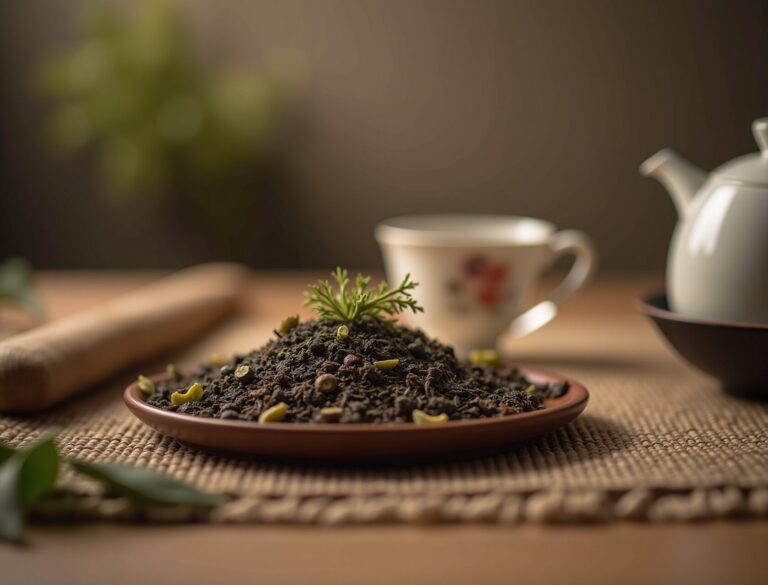
Not all hojicha powder is suitable for lattes. The term “barista grade” (or “latte grade”) indicates a powder that has been ground fine enough to dissolve smoothly in milk without clumping, settling, or creating a gritty texture. This distinction matters because hojicha leaves, once roasted, become brittle and can produce inconsistent particle sizes when ground carelessly.
True barista-grade hojicha powder should:
- Dissolve completely when whisked into hot or cold milk
- Produce no sediment at the bottom of the cup after 5 minutes
- Create a smooth, velvety mouthfeel — not chalky or grainy
- Contain nothing but ground hojicha tea — no added sugar, creamer, or stabilizers
Stone-Ground vs Machine-Ground
| Method | Particle Size | Texture in Lattes | Price |
|---|---|---|---|
| Stone-ground (traditional) | Ultra-fine (5-10 microns) | Silky, creamy, no grittiness | $$$ |
| Machine-ground (modern) | Fine (15-30 microns) | Smooth, slight body, may settle slightly | $$ |
| Home-ground (spice grinder) | Coarse (50+ microns) | Gritty, settles rapidly — not recommended for lattes | $ |
For daily latte-making, machine-ground hojicha powder offers the best value. Stone-ground is superior in texture and worth the premium for special occasions or if you are particular about mouthfeel. Do not attempt to grind loose leaf hojicha in a home spice grinder — the particle size will be too coarse for a good latte.
Base Leaf Types: Sencha vs Kukicha
Hojicha powder is made from roasted tea, but the specific type of tea that gets roasted affects the latte flavor significantly:
- Sencha-based hojicha powder: Fuller body, richer roast flavor, slightly more caffeine (~15mg per latte). Stands up well to whole milk and oat milk. Better for hot lattes
- Kukicha-based (stem) hojicha powder: Naturally sweeter, lighter body, very low caffeine (~5-8mg). Works beautifully with lighter milks like almond or rice milk. Better for iced lattes and dessert drinks
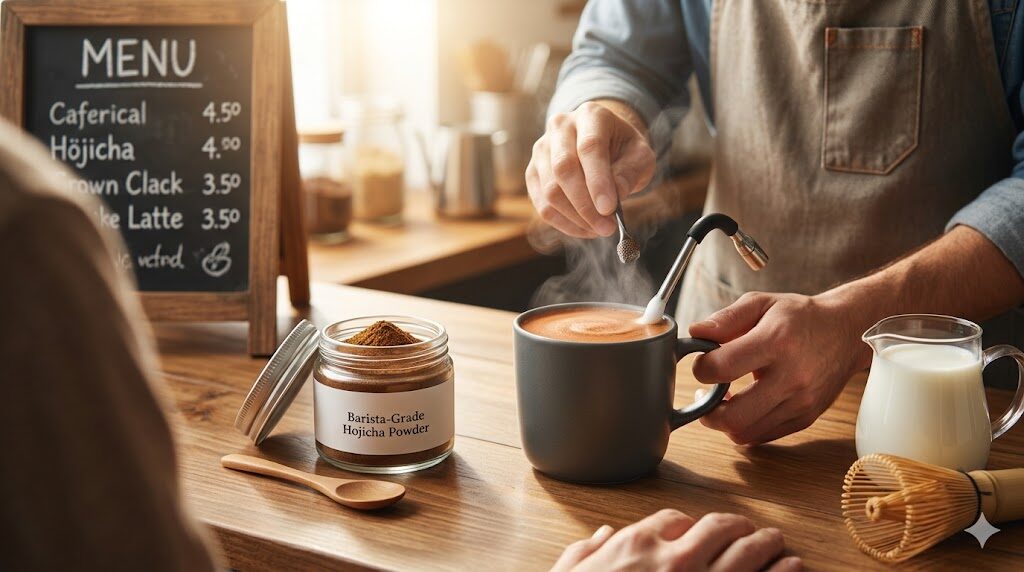
Our hojicha powder is made from first-flush leaf material and ground to barista-grade fineness, producing a latte that is rich, naturally sweet, and completely smooth.
How to Make a Perfect Hojicha Latte
Hot Hojicha Latte
- Sift 2 grams (1 teaspoon) of hojicha powder into a cup to break up any clumps
- Add 30ml of hot water (80°C) and whisk vigorously until a smooth paste forms
- Heat 200ml of your preferred milk to 65-70°C (steaming, not boiling)
- Pour the milk into the hojicha paste while stirring
- Optionally sweeten — though quality hojicha powder is naturally sweet enough for most palates
Iced Hojicha Latte
- Dissolve 2 grams of hojicha powder in 30ml of hot water (this step is important — hojicha does not dissolve well in cold liquid alone)
- Fill a glass with ice
- Pour the dissolved hojicha over the ice
- Top with 200ml of cold milk
- Stir or layer — both presentations work
What to Avoid When Buying
- Added sugar: Many “hojicha latte mixes” are 40-60% sugar. Read the ingredients — it should say only “roasted green tea” or “hojicha”
- Milk powder or creamer: Pre-mixed latte powders are convenient but limit your milk choices and typically use low-quality creamer
- Artificial flavoring: Real hojicha has plenty of natural flavor. Artificial “roasted” flavoring indicates inferior base material
- Unlabeled origin: Reputable hojicha powder lists the region (Kyoto, Yame, Shizuoka) and the base leaf type. “Product of Japan” with no further detail is a red flag
Hojicha Latte vs Matcha Latte: Which Should You Choose?
| Factor | Hojicha Latte | Matcha Latte |
|---|---|---|
| Caffeine | 7-15mg | 60-70mg |
| Flavor | Toasted caramel, nutty, sweet | Vegetal, umami, slightly bitter |
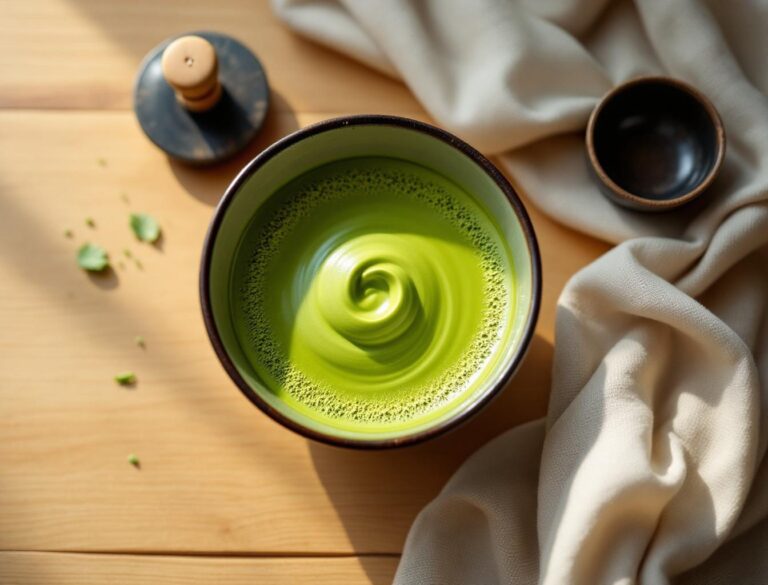
| Color | Warm brown/amber | Bright green |
| Best time | Any time, especially afternoon/evening | Morning or early afternoon |
| Sweetener needed? | Usually not | Often yes |
| Price per serving | $0.50-1.00 | $1.00-2.50 |
Hojicha lattes are gaining on matcha in popularity because they are naturally sweeter, lower in caffeine, and more approachable for people who find matcha's vegetal flavor challenging. The lower price point does not hurt either.
Frequently Asked Questions
How much hojicha powder per latte?
1.5-2 grams (about 1 teaspoon) per 200-250ml of milk. Start with 1.5g and increase if you prefer a stronger roast flavor. Unlike matcha, hojicha does not become bitter when you use more powder — it simply gets richer.
Can I use hojicha powder in a milk frother?
Yes. Dissolve the powder in a small amount of hot water first (30ml), then add milk and froth. Adding dry powder directly to cold milk in a frother will produce clumps.
What milk works best with hojicha?
Oat milk is the most popular choice — its natural sweetness and creamy body complement the toasty flavor perfectly. Whole dairy milk produces the richest result. Almond milk works well with kukicha-based hojicha powder. Coconut milk creates a tropical twist that is surprisingly good iced.
How should I store hojicha powder?
Airtight container, away from light and moisture. Hojicha powder is more shelf-stable than matcha because the roasting process has already transformed the compounds that degrade in green tea. Properly stored, it maintains peak quality for 6 months after opening.
Is hojicha powder the same as ground hojicha?
Not necessarily. “Ground hojicha” might be coarsely ground loose leaf that does not dissolve well. “Hojicha powder” specifically formulated for lattes is ground to a fine particle size that creates a smooth drink. Always check the intended use on the label — latte-grade or barista-grade indicates appropriate fineness.