The Japanese Tea Starter Kit: A Beginner’s Complete Guide to Tools, Teas + First Steps
You've seen the beautiful bowl. The vivid green powder. The bamboo whisk perched on its little ceramic stand. Maybe you've had a matcha latte at a coffee shop and thought: I want to make that at home. Or maybe someone handed you a cup of sencha in Japan and you've been chasing that grassy, clean flavor ever since.
The problem is that the moment you search “Japanese tea starter kit,” you're immediately dropped into a sea of product listings — bundles, sets, Amazon boxes — with no explanation of what you actually need, what you'll use, or what to skip. The intimidation is real. Terms like chasen, chawan, chashaku, and furui read like a vocabulary test. Matcha grades seem deliberately confusing. And if you want to explore beyond matcha to sencha, hojicha, or gyokuro? Now you need a teapot, too?
Here's the truth: Japanese tea preparation is one of the most approachable rituals you can build into your day. The tools are simple once you understand their purpose. The teas are forgiving once you know the three non-negotiables (temperature, freshness, quality). And the journey — from a beginner's bowl of whisked matcha to a perfectly steeped cup of single-origin gyokuro — is one of the most genuinely enjoyable paths in the beverage world.
This guide walks you through everything. What to buy first. Why each tool matters. Which brands are worth it. And what three other Japanese teas to explore once you've got matcha down.
Japanese tea starter kit essentials: A 100-tine bamboo chasen (whisk), ceramic chawan (bowl), bamboo chashaku (scoop), fine-mesh furui (sifter), and a ceremonial-grade or high-quality culinary matcha from a traceable source. Optional but recommended: a whisk holder (kuse naoshi) to extend your chasen‘s life and a small kyusu teapot for loose-leaf exploration.
What Do You Need to Start Japanese Tea?
A complete Japanese tea starter kit requires five core tools and one high-quality tea. The essential tools are a chasen (bamboo whisk with 100 fine tines for proper aeration), a chawan (wide ceramic bowl designed for the whisking motion), a chashaku (long bamboo scoop that reaches into narrow tins without spilling), a furui (fine-mesh sifter that eliminates clumps before they form), and a kuse naoshi (ceramic whisk holder that maintains tine shape during drying). For tea, beginners should choose a ceremonial-grade matcha from a traceable Japanese source — Uji, Nishio, or Kagoshima — with a harvest date on the package. If budget is a concern, a quality culinary-grade or “barista-grade” matcha also works well for learning technique. The entire setup costs between $40 and $80 and lasts years with proper care. Bamboo tools require no soap — only warm water and air drying. Once comfortable with matcha, a small Tokoname-yaki kyusu teapot opens the door to loose-leaf sencha, hojicha, and gyokuro brewing.
The Essential Matcha Starter Kit: 5 Tools You Actually Need
Every matcha tool exists for a specific functional reason. This isn't ceremony for ceremony's sake — each piece solves a real problem in the preparation process. Here's what you need and why.
1. Chawan (Matcha Bowl)
The chawan — matcha bowl — is the centerpiece of the preparation. Its design is deliberate: wide, with high cylindrical walls and a curved interior floor. That shape isn't aesthetic. It's functional. The width gives your chasen room to move in a vigorous zigzag without hitting the sides. The curved floor allows the whisk to reach every gram of powder. The height prevents splashing.
For beginners, choose a chawan with a diameter of at least 4.5 inches. Glazed ceramic is more forgiving to clean than unglazed clay. Tokoname-yaki — the reddish iron-rich clay from Tokoname, Aichi Prefecture — is prized among serious practitioners for how it retains heat and, over time, seasons to smooth out astringency. But a quality glazed ceramic chawan from a reputable seller works perfectly well when starting out.
Avoid coffee mugs or small cups. The whisking motion requires lateral space. A mug will produce a mediocre, clumpy bowl of matcha no matter how good your technique.
2. Chasen (Bamboo Whisk)
The chasen is one of the most sophisticated tools in the tea world — carved from a single piece of Madake bamboo into dozens of fine, curved tines. For home preparation, you want a chasen with 100 tines (labeled as 100-hon). This density creates microscopic bubbles that produce the classic fine-grained foam on a properly whisked bowl of matcha.
Whisks with fewer tines (64-hon or 80-hon) are designed for thick tea (koicha) used in formal ceremony — not for the thin whisked matcha (usucha) most beginners will be making. More tines = better foam for daily preparation.
Before each use, soak your chasen tines in warm water for 20–30 seconds. This makes the bamboo pliable, preventing bristle breakage during the whisk motion. After use, rinse with warm water — no soap, ever. Bamboo is porous and will absorb detergent scent. Place on a kuse naoshi to dry.
According to the Tezumi Introductory Guide to ceremony tools, the highest-quality chasen have been crafted for over 500 years by artisans in Takayama village, Nara Prefecture — where only 18 generations of master craftsmen have passed down the technique.
3. Chashaku (Bamboo Scoop)
The chashaku is a small bamboo measuring scoop with a distinctive long, curved handle. Beginners often wonder why it's so long. The answer is practical: matcha is sold in narrow, tall tins. The chashaku's length lets you reach the bottom without getting powder on your knuckles or spilling. The curved tip lets you scoop precisely without compacting the powder against the tin's walls.
Measurement: two rounded chashaku scoops equals approximately 2 grams of matcha — the standard serving for one bowl of usucha (thin tea). Some practitioners use a digital scale for precision, which is never wrong, but the chashaku method works reliably once you develop consistency.
4. Furui (Sifter)
This is the tool most beginners skip. Don't.
Matcha is ground to a particle size of 5–10 microns — finer than flour, finer than cornstarch. That fineness is why it suspends in water instead of sinking. It's also why, the moment it contacts any humidity in the air, it clumps instantly. Clumps don't dissolve during whisking. They become bitter, gritty chunks that ruin texture.
A fine-mesh furui (sifter) eliminates this completely. Press 2 grams of matcha through the sifter directly into your preheated chawan before adding water. The result: a perfectly aerated, cloud-like powder that dissolves smoothly. This single step is the difference between a mediocre bowl and an excellent one.
Look for a sifter with a mesh size of 100–150 microns. Matcha-specific sifters are sold for $10–$20 and will last years.
5. Kuse Naoshi (Whisk Holder)
The kuse naoshi — whisk holder — is a small ceramic form shaped to fit the chasen‘s tines. After rinsing your whisk, place it tines-down onto the holder while it air dries. This maintains the outward curve of the tines as they dry, preventing them from collapsing inward over time.
Without a kuse naoshi, chasen tines gradually lose their shape. An ill-formed chasen can't properly aerate the tea, and the tines become prone to snapping. A good chasen costs $15–$30. A whisk holder costs $8–$15 and doubles the chasen‘s useful life. It's an easy calculation.
Which Matcha Should a Beginner Buy? (Brand Guide)
The matcha market is full of “ceremonial grade” claims that mean different things from different sellers. Here's how to cut through the noise.
Ceremonial Grade vs. Culinary Grade: What Actually Matters
Ceremonial-grade matcha is made from first-harvest (ichiban-cha) leaves, typically shade-grown for 20–30 days before harvest. This shading process limits photosynthesis, preventing the amino acid L-theanine from converting into bitter catechins. The result is matcha that's naturally sweet, smooth, and complex — designed to be whisked with water alone, with nothing to hide behind.
Culinary-grade or barista-grade matcha uses later harvests, which are more astringent and bolder. They're designed to cut through milk fat in lattes or hold their flavor in baked goods. For learning technique, a high-quality culinary or barista-grade from a reputable brand is actually a reasonable starting point — it's more forgiving and cheaper. But if you want to drink matcha straight with only water, invest in ceremonial grade.
L-theanine is the amino acid primarily responsible for matcha‘s distinctive “calm focus” effect. According to research published in the Asia Pacific Journal of Clinical Nutrition, L-theanine promotes alpha-wave brain activity associated with relaxed alertness. High-quality ceremonial matcha can contain up to five times more L-theanine than standard sun-grown sencha.
| Brand | Grade | Flavor Notes | Price Range | Best For |
|---|---|---|---|---|
| Jade Leaf | Organic Barista Edition | Nutty, smooth, creamy, forgiving | $12–$18 / 30g | Beginners learning technique, lattes |
| Naoki | First Spring / Superior Blend | Toasted cocoa notes, mild, floral | $20–$28 / 30g | Beginners wanting ceremonial quality |
| Encha | Ceremonial (Organic, Uji) | Balanced, creamy, deep umami | $28–$38 / 30g | Purists, first-harvest quality |
| Ooika | Okumidori (Single Origin) | Lavender, umami, fresh-cut grass | $32–$42 / 30g | Freshness seekers, stateside-ground |
| Rishi Tea | Everyday Matcha (Organic) | Bright, lightly astringent, clean | $14–$20 / 30g | Daily drinkers, Whole Foods shoppers |
What to look for on any package: origin region (Uji, Nishio, Kagoshima, or Yame), harvest date, and whether leaves are stone-ground. Avoid matcha with no origin listed — “Japan” alone is not a region. And avoid anything priced below $8 for 30g; that price point cannot support quality shade-growing and stone-grinding.
One brand worth mentioning specifically for freshness: Ooika imports single-origin leaves and grinds them stateside on a rolling basis. Since matcha oxidizes quickly after grinding, their approach delivers significantly fresher flavor than shelf-stable imports. This is the same logic specialty coffee roasters use — grind close to consumption.
Beyond Matcha: Three Other Japanese Teas to Explore
Matcha is the entry point for most Westerners, but Japanese tea culture runs far deeper. Once you're comfortable with your chasen and chawan, these three teas are the natural next steps — and each requires only a simple kyusu teapot and a thermometer.
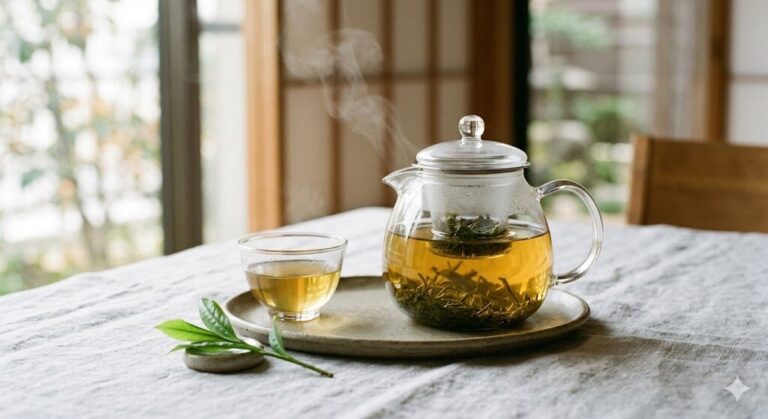
The yokode kyusu — the classic Japanese side-handle teapot — is the tool for all loose-leaf brewing. Its handle sits at 90 degrees to the spout, allowing an elegant one-wrist pour. Unglazed Tokoname-yaki kyusu are particularly prized: the iron-rich clay absorbs tannins over time, gradually smoothing out astringency and developing what tea people call a “seasoned” quality. A quality Tokoname kyusu runs $30–$80 and is worth the investment if you plan to drink sencha or gyokuro regularly.
Sencha: The Everyday Japanese Tea
Sencha is the most consumed tea in Japan — accounting for roughly 60% of domestic tea production, according to the Global Japanese Tea Association. It's the tea that defines Japanese daily life: clean, grassy, slightly sweet, with a savory mineral finish that tea people describe as umami.
Unlike matcha, sencha leaves are steamed immediately after harvest to halt oxidation, then rolled into the distinctive needle shape that releases flavor instantly in hot water. The steam (called mushi) defines the flavor profile — longer steaming (fukamushi sencha) produces a deeper, more vegetal cup; shorter steaming (asamushi) gives a lighter, more delicate result.
Brewing sencha: 75°C (167°F) water temperature, 1 teaspoon (2–3g) per 6oz water, 60 seconds steep time. Lower temperatures and shorter times produce sweeter, more umami-forward cups. Don't fear re-steeping — quality sencha gives 2–3 infusions, with each pour revealing different character.
One important technique: the “golden drops.” When pouring from your kyusu, tilt completely until every last drop falls into your cup. These final drops are the most concentrated, most flavorful part of the extraction. They also prevent the leaves from sitting in residual water, which causes bitterness in the next steep.
Hojicha: The Roasted Evening Tea
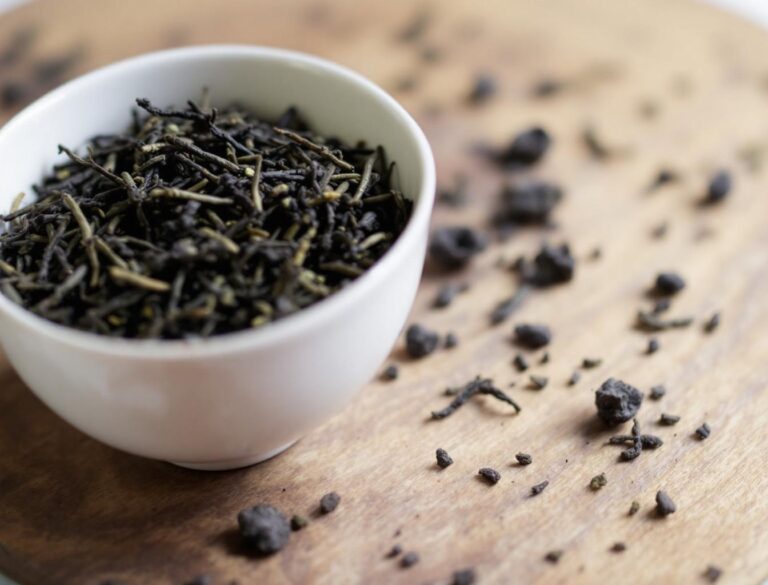
Hojicha is a Japanese roasted tea made by roasting bancha or sencha stems and leaves over high heat. The roasting process fundamentally transforms the tea: it burns off most of the caffeine, converts grassy chlorophyll into warm caramel-toned compounds, and produces a distinctive toasty, nutty flavor profile that tea drinkers describe as a cross between toasted rice and dark chocolate.
For beginners, hojicha is arguably the most approachable Japanese tea. It's naturally low in caffeine (approximately 7–8mg per cup versus matcha‘s 70mg), which makes it ideal for evenings. It's also highly forgiving on temperature — you can brew it at 90°C (194°F) to boiling water, which means no thermometer required. And its warm, roasty character appeals immediately to coffee drinkers transitioning to tea.
Brewing hojicha: Near-boiling water (90–95°C), 2 teaspoons per 8oz water, 30–45 seconds steep time. Hojicha can be re-steeped 2–3 times. It also makes an exceptional cold brew: steep 3 tablespoons in 500ml cold water for 6–8 hours in the refrigerator.
Gyokuro: The Premium Cold-Steep Experience
Gyokuro — literally “jade dew” — is the most prized of all Japanese green teas. Like matcha, it's shade-grown for 20+ days before harvest, which concentrates L-theanine and chlorophyll while suppressing bitterness. Unlike matcha, gyokuro leaves are steamed and rolled whole, not ground into powder. The result is a tea of extraordinary intensity: deeply oceanic, savory almost like dashi broth, with a lingering sweetness that stays on the palate long after the sip.
According to the NLM draft's sommelier-level research, gyokuro contains approximately 85mg of L-theanine per serving — the highest natural concentration of any tea. That amino acid load, combined with its relatively low caffeine (40–50mg), produces a uniquely focused, calm state of alertness.
Gyokuro requires specific handling. It is the most temperature-sensitive tea in the Japanese canon. Brew at 50–60°C (122–140°F) — water that feels barely warm on your wrist. Boiling water will scorch gyokuro's delicate proteins and produce a harsh, bitter cup that bears no resemblance to what the tea can be.
Cold-steep method for beginners: 3–4g gyokuro in 100ml cold water, refrigerate for 2 hours. This technique is nearly foolproof and produces an intensely concentrated, sweet, umami-rich extraction. Start here before attempting hot brewing.
| Tea | Caffeine (approx.) | Flavor Profile | Brew Temp | Beginner Ease |
|---|---|---|---|---|
| Matcha | ~70mg / 2g serving | Vegetal, creamy, umami, sweet | 80°C (176°F) | Medium (tools required) |
| Sencha | ~30–40mg / serving | Grassy, clean, mineral, light umami | 75°C (167°F) | Easy (teapot + thermometer) |
| Hojicha | ~7–8mg / serving | Roasted, nutty, caramel, warm | 90–95°C (194–203°F) | Very Easy (temp-forgiving) |
| Gyokuro | ~40–50mg / serving | Oceanic, savory, intensely umami, sweet | 50–60°C (122–140°F) | Advanced (cold-steep workaround: easy) |
How to Make Your First Perfect Bowl of Matcha
Follow this sequence exactly once. After that, it becomes instinct.
- Heat your water to 80°C (176°F). Use a kettle with temperature control, or bring to a boil and let it cool for 2–3 minutes. Never use boiling water — it scorches the L-theanine and amino acids, producing a bitter, harsh cup. If you only remember one thing from this guide, remember this.
- Preheat your chawan. Pour a small amount of hot water into the bowl. Let it sit for 60 seconds. Pour it out and pat the bowl dry with a clean cloth. This prevents the cold clay from cooling your matcha too quickly.
- Soak your chasen tines. While the bowl preheats, stand your chasen tines in warm water for 20–30 seconds. This makes the bamboo pliable and prevents snapping.
- Sift your matcha. Use your chashaku to measure 2 rounded scoops (~2g) of matcha through your furui directly into the dry, preheated chawan. Press gently. This eliminates clumps before they can form.
- Add water. Pour approximately 60–70ml (2–2.5oz) of 80°C water over the sifted powder. Don't pour directly onto the powder from height — pour gently along the side of the bowl.
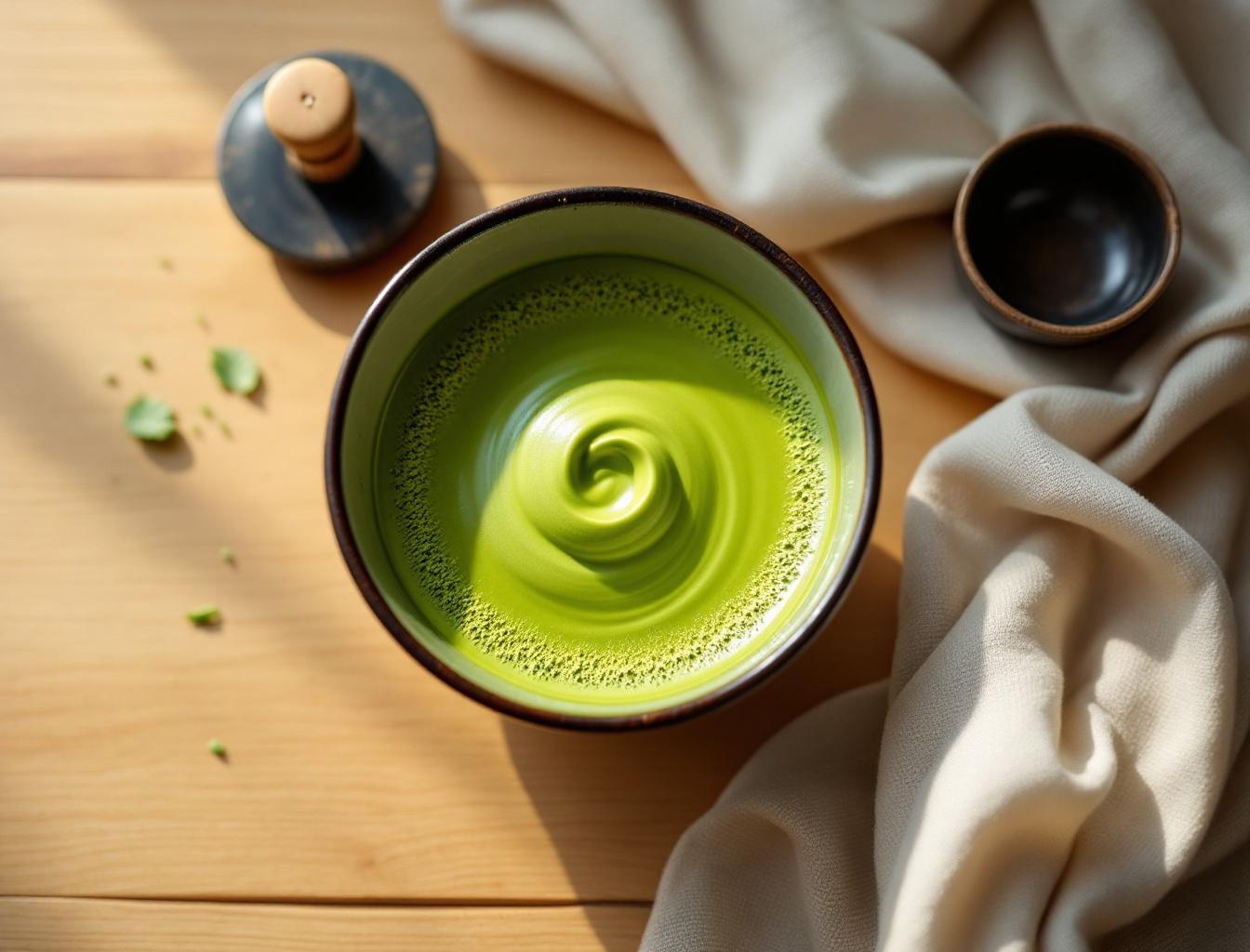
- Whisk. Lift your chasen and make a vigorous “M” or “W” zigzag motion — not circles. Use your wrist, not your arm. Stay near the surface of the liquid; you're incorporating air, not stirring the bottom. Continue for 15–20 seconds until a fine-grained foam covers the surface.
- Drink immediately. Matcha foam dissipates within minutes. The ideal bowl is consumed right after whisking.
That's it. The first time takes five minutes of focused attention. By the third or fourth bowl, it takes ninety seconds and feels meditative rather than technical.
The 5 Beginner Mistakes (And How to Avoid Them)
Most bad bowls of matcha trace back to one of five errors. Here's what to watch for.
Mistake 1: Using Boiling Water
This is the most common and most damaging error. Boiling water (100°C) scorches the delicate amino acids — particularly L-theanine — that give high-quality matcha its sweet, creamy character. What you get instead is a bitter, harsh cup that tastes burned. Target 75–80°C (167–176°F). A thermometer costs $10. A temperature-control kettle costs $30–$50. Either investment transforms your results immediately.
Mistake 2: Skipping the Sifter
Matcha powder clumps the moment it contacts humidity in the air. Skipping the sifter means you're whisking those clumps — they will not dissolve, no matter how vigorously you move your chasen. You'll end up with gritty lumps in an otherwise fine foam. Sifting takes 10 seconds. Do it every time, without exception.
Mistake 3: Not Preheating the Bowl
Cold ceramic is an enemy of good matcha. When hot water hits a cold clay bowl, the temperature drops significantly — often below the threshold where powder dissolves properly and foam forms. Preheat your chawan every single time. Pour hot water in, wait 60 seconds, pour out, pat dry, then proceed.
Mistake 4: Using Soap on Bamboo Tools
Bamboo is porous. Soap doesn't rinse fully out of bamboo's cell structure — it lingers, and you will taste it in your next bowl. The same applies to unglazed clay tools. Rinse everything with warm water immediately after use. Warm water removes all tea residue. Soap is never necessary and always harmful to bamboo and unglazed ceramics.
Mistake 5: Buying Culinary Grade to Drink Straight
Culinary-grade matcha is engineered for use in lattes, baked goods, and smoothies — contexts where its more astringent, punchier profile gets balanced by milk fat or sugar. Drunk straight with water, culinary grade often tastes harsh, bitter, and thin. If you're drinking matcha straight (whisked with water only), invest in ceremonial grade or a clearly labeled first-harvest quality. The difference is not subtle. It's the difference between a beverage you'll love and one you'll tolerate.
Frequently Asked Questions for Japanese Tea Beginners
How much does a complete Japanese tea starter kit cost?
A functional starter kit — chawan, chasen, chashaku, furui, and kuse naoshi — costs between $40 and $80 depending on quality. Add 30g of good ceremonial matcha ($20–$38) and your total first investment runs $60–$120. These tools last for years with proper care. The only recurring cost is the tea itself. Compare this to a quality espresso setup ($200+) and it's an approachable entry point for a daily ritual that delivers genuine flavor complexity.
What is the difference between ceremonial grade and culinary grade matcha?
Ceremonial grade uses first-harvest (ichiban-cha) leaves from shade-grown plants. The shading process concentrates L-theanine and chlorophyll while limiting bitter catechins. The result: sweeter, more complex, more umami-forward. Culinary or barista grade uses later harvests — punchier, more astringent, designed to hold flavor in lattes or baked goods. For drinking straight with water, use ceremonial grade. For lattes and cooking, culinary grade is both appropriate and more cost-effective.
Can I use a milk frother instead of a chasen?
A milk frother produces a passable bowl of matcha. It uses friction rather than aeration, so the foam is coarser and the experience lacks the sensory dimension of bamboo-on-ceramic whisking. For a quick latte at home, it works fine. For the full matcha experience — where the process is part of the point — the chasen is worth using. They're inexpensive ($15–$25) and with proper care last 6–12 months of daily use.
What should I buy first if I can only start with one tea?
Start with a high-quality culinary or barista-grade matcha from Jade Leaf or Naoki alongside a basic chasen-chawan-chashaku-sifter set. Master the technique first, then upgrade to ceremonial grade once you're comfortable. If you're more drawn to something simpler, hojicha loose-leaf is the most forgiving Japanese tea — brew it in any vessel with near-boiling water, no precision required. It's also the only Japanese tea that's genuinely good for evenings, given its minimal caffeine content.
How do I store matcha to keep it fresh?
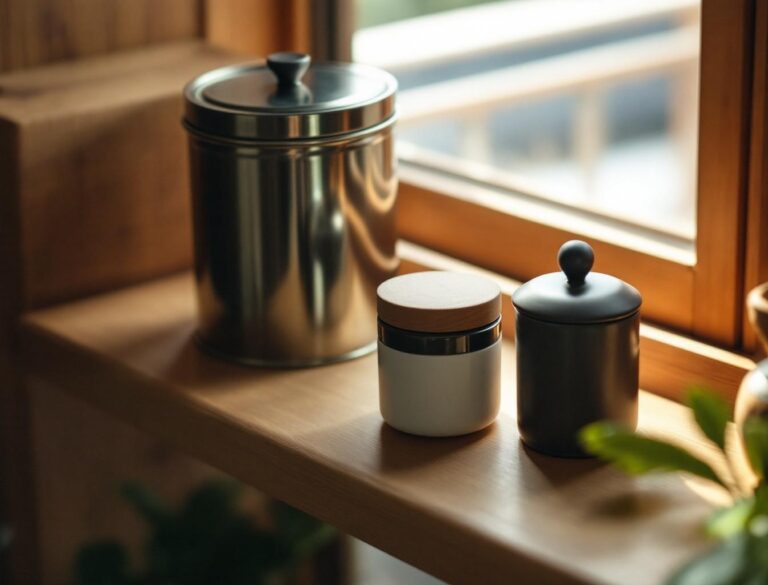
Matcha is highly sensitive to light, heat, oxygen, and moisture. Keep it in its original airtight tin or transfer to an opaque, airtight container. Store in a cool, dark place — a kitchen cabinet away from the stove. For longer storage, refrigerate it, but bring it to room temperature before opening to prevent condensation from getting into the powder. Once opened, consume within 4–6 weeks for best flavor. This is why buying smaller quantities (30g) more frequently beats buying 100g tins that sit half-used for months.
What is the “Golden Drops” technique for loose-leaf tea?
When pouring from a kyusu teapot, always tilt the pot completely until the very last drops fall into your cup. These final drops — called kinshizuku or “golden drops” by practitioners — are the most concentrated, most flavorful extraction from the steep. They also serve a functional purpose: draining the pot completely prevents the leaves from sitting in residual water, which causes bitterness and astringency in subsequent steepings. Quality Japanese sencha and gyokuro yield two to three infusions; the golden drops technique ensures each subsequent steep is as clean as the first.
Your First Step Into Japanese Tea
Buy the tool set first, get the technique solid, then invest in better tea. That's the sequence that actually works. Start with a 100-tine chasen, a simple ceramic chawan wide enough for a proper whisking motion, a furui sifter (non-negotiable), and a barista-grade matcha from Jade Leaf or Naoki. Give yourself a week of daily bowls before evaluating what you want to do differently.
Japanese tea is one of those rare things that rewards every level of engagement — from a two-minute morning ritual with a $15 set to a deeply considered session with a hand-formed Tokoname chawan and single-origin Uji gyokuro. You get to decide how far in you go. But everyone starts the same place: one bowl, one whisk, one decision to slow down long enough to pay attention to what you're drinking.
Welcome to the practice.