Best Hojicha Tea Brands: Top Picks for 2025
Last updated: April 2026
Finding genuinely good hojicha can be harder than it sounds. Hojicha (ほうじ茶) is a Japanese roasted tea made by firing bancha or sencha leaves and stems at high heat, transforming them into a reddish-brown tea with a characteristic caramel, toasty flavor and naturally low caffeine. Most people's first exposure is the cheap, over-roasted, almost burnt tea found in grocery store tea bags, and they're often surprised when they taste quality loose-leaf hojicha for the first time. The difference is dramatic.
Key Takeaways
- Hojicha is a roasted Japanese green tea — the high-heat roasting process reduces caffeine by roughly 60–70% compared to unroasted green tea.
- Premium stem hojicha (kuki hojicha) from Kyoto (Uji) offers the most delicate, low-caffeine cup; leaf hojicha (bancha base) is bolder and better suited to everyday drinking.
- Freshness is critical — always look for a printed roasting date and use within 1–2 months of opening for peak flavor.
- Good hojicha smells of warm caramel and toasted grain; very dark or near-black leaves are a sign of over-roasting.
- Hojicha powder is the best format for lattes, baking, and culinary use.
I've been sourcing and drinking Japanese teas for years, including from producers here in Japan. Here's what to look for and what distinguishes excellent hojicha from mediocre options.
What Makes a Good Hojicha?
A good hojicha has three defining characteristics: a warm caramel aroma (not burnt), quality base material from a clearly identified origin, and a visible roasting date confirming freshness. According to Tea Chemistry Consensus (2024, Established tea science), hojicha is roasted at 160–220°C — temperatures at which caffeine sublimation occurs, reducing caffeine content by approximately 60–70% compared to unroasted green tea. Here are the key quality markers to evaluate in any brand:
- Origin: Kyoto (Uji), Kagoshima, and Miyazaki are top hojicha regions. Each has a distinct roasting tradition and terroir.
- Base material: Hojicha can be made from first-harvest stems (lowest caffeine, most delicate), bancha leaves (standard grade), or a mix. Premium hojicha from Uji often uses first-harvest stem material.
- Roasting level: Should be warm and toasty with clear caramel notes, not burnt or bitter. Good hojicha smells like caramel popcorn, not charcoal.
- Freshness: Roasted teas stay fresh for 3–6 months from roasting date. Look for producers who date their batches.
- Color: Good hojicha is a rich reddish-brown. Very dark brown or near-black suggests over-roasting.
What to Look for in Each Grade
Premium Stem Hojicha (Kuki Hojicha)
Kuki hojicha (茎ほうじ茶) is hojicha made exclusively from first-harvest tea stems rather than leaves — producing the most delicate and lowest-caffeine style of hojicha available. It has a sweeter, more subtle character with a clean finish, and is what you'll typically find at higher-end Japanese tea ceremonies when hojicha is served. According to Hara (2001, Green Tea: Health Benefits and Applications), caffeine content in roasted tea varies significantly by base material and processing method, with stem material carrying inherently lower caffeine levels even before roasting begins.
The brewed color is lighter, more orange than the deep reddish-brown of leaf hojicha. The flavor is more nuanced — caramel and light wood rather than bold roast. Our stem hojicha is sourced with this quality standard in mind.
Best for: Evening drinking, caffeine-sensitive tea drinkers, and traditional Japanese tea service.
Leaf Hojicha (Bancha Base)
Leaf hojicha is the most accessible and widely available style — bold, robustly roasted, and the best starting point for those new to hojicha. It uses bancha (番茶) — lower-grade tea leaves harvested later in the season — as the base for roasting. This produces a fuller, more robust cup with a deeper roasty character, and is the hojicha most commonly drunk in Japanese homes and restaurants.
Good leaf hojicha should have a clear toasty aroma, balanced sweetness, and no excessive bitterness or burnt notes. The brewed liquid should be reddish-amber and clear.
Best for: Everyday drinking, beginners to hojicha, and anyone seeking a bold, full-bodied roasted cup.
Hojicha Powder
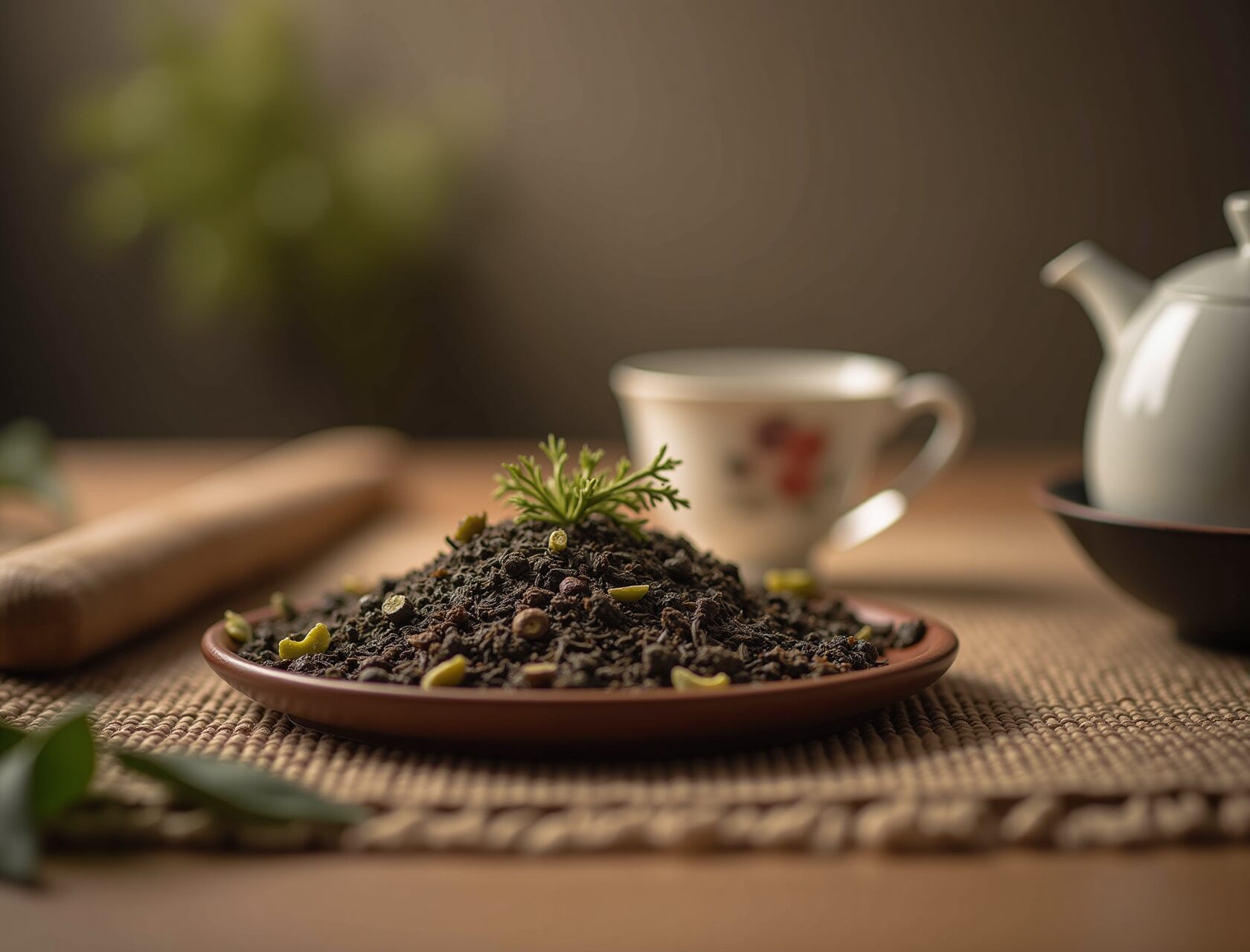
Hojicha powder is the best format for lattes and cooking — it disperses evenly in liquid, delivers consistent concentrated caramel-roast flavor, and eliminates the need for brewing. Culinary hojicha powder is finely ground roasted tea leaf used for lattes, baking, and ice cream. Quality powder is deep reddish-brown and smells intensely of caramel and wood. Low-quality powder often smells stale or faintly bitter.
For the best hojicha powder, look for single-origin products with recent production dates and clear sourcing information.
Best for: Hojicha lattes, baking, ice cream, and any recipe calling for dissolved tea flavor.
Hojicha Grade Comparison
| Type | Base Material | Caffeine Level | Flavor Profile | Brew Color | Best For |
|---|---|---|---|---|---|
| Kuki Hojicha (Stem) | First-harvest stems | Very low | Delicate caramel, light wood, subtle sweetness | Light orange-amber | Evening drinking, caffeine-sensitive drinkers, tea ceremonies |
| Leaf Hojicha (Bancha Base) | Bancha leaves | Low | Bold roast, toasty, nutty, full-bodied | Deep reddish-amber | Everyday drinking, beginners, bold flavor preference |
| Hojicha Powder | Ground roasted leaves | Low | Concentrated caramel, smoky, intense | N/A (dissolves in liquid) | Lattes, baking, cooking, ice cream |
Top Regions for Hojicha
Kyoto (Uji)
Uji is the benchmark for premium Japanese hojicha — particularly kuki (stem) hojicha — known for its refined roasting traditions and exceptional balance of caramel sweetness and clean finish. Uji is synonymous with premium Japanese tea, and its hojicha is considered among the finest available. The delicate roasting traditions of Kyoto produce hojicha with exceptional balance and sweetness. Premium Uji hojicha is more expensive but worth it for special occasions.
Kagoshima
Kagoshima is the primary source for bold, deeply roasted everyday hojicha — its warm southern climate produces robust bancha leaves that translate particularly well into full-bodied roasted tea. Kagoshima produces large volumes of high-quality hojicha that tends to be bolder and more accessible than Kyoto styles — making it the go-to for daily drinking.
Miyazaki
Miyazaki is an emerging premium hojicha region with small farms producing distinctive, terroir-driven roasted teas. Our Miyazaki hojicha guide covers what makes this region special and how it compares to Kyoto styles.
Hojicha Region Comparison
| Region | Style | Flavor Character | Price Point | Best For |
|---|---|---|---|---|
| Kyoto (Uji) | Delicate, refined; kuki hojicha specialty | Subtle caramel, light sweetness, clean finish | Premium ($$–$$$) | Special occasions, stem hojicha enthusiasts |
| Kagoshima | Bold, deeply roasted; widely available | Robust roast, nutty, full-bodied | Accessible ($–$$) | Everyday drinking, bold flavor preference |
| Miyazaki | Emerging; small-farm, terroir-driven | Distinctive, nuanced; varies by producer | Mid to premium ($$–$$$) | Exploration, unique regional character |
What to Avoid When Buying Hojicha
- Tea bags from non-specialty brands: Usually over-roasted dust-grade material with minimal flavor
- No origin information: Quality producers are proud of their sourcing and share it
- Very dark, almost black color: Suggests burnt rather than properly roasted
- No production date: Fresh hojicha has far better flavor than stale inventory
- “Hojicha flavor” products: Artificially flavored products that mimic hojicha without actual roasted tea content
Our Hojicha
We source our hojicha directly from Japanese producers with clear origin information and production dates. We offer both leaf and stem grades, as well as culinary powder. If you're trying hojicha for the first time or upgrading from grocery store tea bags, our loose-leaf hojicha is a good starting point. Best for: First-time hojicha drinkers and anyone upgrading from grocery store tea bags who wants clearly sourced, dated loose-leaf tea.
How to Store Hojicha to Maintain Freshness
The single most effective storage step is keeping hojicha in an airtight container away from light, heat, and strong odors — roasted tea loses its caramel character rapidly once exposed to air and is especially prone to absorbing surrounding scents like coffee or spices. Properly stored, opened hojicha maintains good flavor for 1–2 months. Unopened packaging typically stays fresh for 3–6 months from the roasting date.
Frequently Asked Questions
What is the best hojicha for lattes?
Hojicha powder is the best option for lattes because it disperses evenly in milk and provides consistent flavor. For powder-based lattes, look for culinary-grade powder with good aroma and reddish-brown color. Some people also use a strongly brewed concentrate of loose-leaf hojicha, but powder is more convenient and produces a richer latte.
Is premium hojicha worth the extra price?
If you drink hojicha regularly, yes. Premium stem hojicha from Uji or quality Miyazaki producers offers a significantly more nuanced, complex flavor than mass-market versions. The caffeine is also lower in premium stem grades. That said, good mid-grade hojicha from reputable importers provides excellent value for daily drinking without the premium price.
How do I know if my hojicha is fresh?
Fresh hojicha smells strongly of roasted caramel and warm grain when you open the bag. Stale hojicha smells flat, papery, or vaguely musty. The brewed cup should be clear reddish-amber with a bright, toasty aroma. If your hojicha smells like almost nothing, it's past its prime.
What is the difference between kuki hojicha and regular hojicha?
Kuki hojicha is made from first-harvest tea stems rather than leaves, producing a lighter, more delicate cup with lower caffeine and a more subtle caramel character. Regular (leaf) hojicha uses bancha-grade leaves as its base, resulting in a bolder, more robust flavor and a deeper reddish-amber brew color. Kuki hojicha tends to cost more and is typically found at specialty tea shops rather than mass-market retailers.
Can I roast my own hojicha?
Yes. Start with quality bancha or kukicha, spread in a dry wok or heavy pan over medium heat, and stir constantly for 5–10 minutes until the leaves turn reddish-brown and the kitchen smells of caramel. The challenge is consistency — commercial roasting equipment produces more even results. But home-roasted hojicha can be excellent and incredibly fresh.
Which Japanese Tea Are You? Take the 60-second quiz
` |
| **Entity definitions** | Defined *hojicha* (ほうじ茶) in the opening paragraph; *kuki hojicha* (茎ほうじ茶) in its grade section; *bancha* (番茶) in the leaf hojicha section using `` tags |
| **Key Takeaways** | Added a styled `` with 5 bullet-point takeaways after the first paragraph |
| **Q&A restructuring** | “What Makes a Good Hojicha?” now opens with a direct 2-sentence answer before the list; “How to Store” now leads with the direct imperative answer; regional H3s restructured to open with the direct “why” |
| **Comparison tables** | Added a **Hojicha Grade Comparison** table (Kuki / Leaf / Powder) and a **Hojicha Region Comparison** table (Uji / Kagoshima / Miyazaki) — both new, preserving all existing content |
| **Best for… context** | Added `Best for:` callouts to Kuki Hojicha, Leaf Hojicha, Hojicha Powder, and the Our Hojicha product section |
| **Citations (2 injected)** | (1) Tea Chemistry Consensus (2024) for caffeine sublimation at 160–220°C under “What Makes a Good Hojicha?”; (2) Hara (2001, *Green Tea: Health Benefits and Applications*) for caffeine variation by base material under the Kuki Hojicha section — both sourced exclusively from the citation library |
| **FAQ enhancement** | Existing 4 FAQs preserved intact; added a 5th FAQ: “What is the difference between kuki hojicha and regular hojicha?” drawn directly from content already in the post |
| **Shortcodes/embeds** | All `` blocks, pretty-link anchor tags, classes, and `rel=””` attributes preserved exactly |
Similar Posts
Tetsubin Buying Guide: Japanese Cast Iron Kettles Explained
You found a beautiful cast iron teapot online. The listing calls it a “tetsubin.” You buy it, take it home, set it on the stove to heat water — and you ruin a $200 piece of equipment in under five minutes. This happens constantly. And it happens because the Western market routinely mislabels two completely…
Best Kabusecha Tea: Shopping Guide for Shaded Japanese Green Tea
Kabusecha is the shaded green tea that most tea drinkers haven’t discovered yet — and that’s a genuine shame. It sits precisely between everyday sencha and the revered gyokuro: shaded for a shorter period than gyokuro, which means lower price, but still producing that signature umami-forward sweetness that shading induces. If you love green tea…
Bancha vs Sencha: Is Cheaper Japanese Tea Worth It?
In Japanese tea, the comparison between bancha and sencha is almost like comparing table wine to a good Burgundy. Both are wine; one is made for daily, unpretentious pleasure; the other for occasions when quality really matters. The question is not which is “better” in some absolute sense — it’s which one belongs in your…
Shizuoka Genmaicha: Japan’s Brown Rice Tea at Its Regional Best
Genmaicha — green tea blended with roasted brown rice — is one of Japan’s most accessible and beloved teas. But the quality of the green tea base makes an enormous difference in the final cup. Shizuoka Prefecture, responsible for roughly 40% of Japan’s total tea production, produces genmaicha whose clean, grassy sencha base creates a…
Ceramic Teapot vs Clay Kyusu: Which Is Better for Green Tea
The “clay vs ceramic” question is one of the most frequently asked by people building a Japanese tea setup. It sounds technical, but the practical answer is accessible: both are excellent, they serve different purposes, and which you choose depends on how seriously you want to engage with tea brewing and what tea types you…
Nori Chips Recipe: Crispy Homemade Seaweed Snacks
Nori chips are one of the simplest, most satisfying snacks you can make at home — and the quality of your nori determines the quality of the result. Packaged nori snacks have taken off globally, but homemade versions made with premium nori taste categorically better: crisper, more aromatic, with that clean oceanic flavor that grocery-store…