Bancha vs Sencha: Is Cheaper Japanese Tea Worth It?
In Japanese tea, the comparison between bancha and sencha is almost like comparing table wine to a good Burgundy. Both are wine; one is made for daily, unpretentious pleasure; the other for occasions when quality really matters. The question is not which is “better” in some absolute sense — it's which one belongs in your daily life. I drink both, and I want to make the case for each on its own terms.
The Fundamental Difference: When the Leaves Are Picked
Both bancha and sencha come from the same plant — Camellia sinensis — and go through essentially the same steaming and drying process. The difference is when the leaves are harvested.
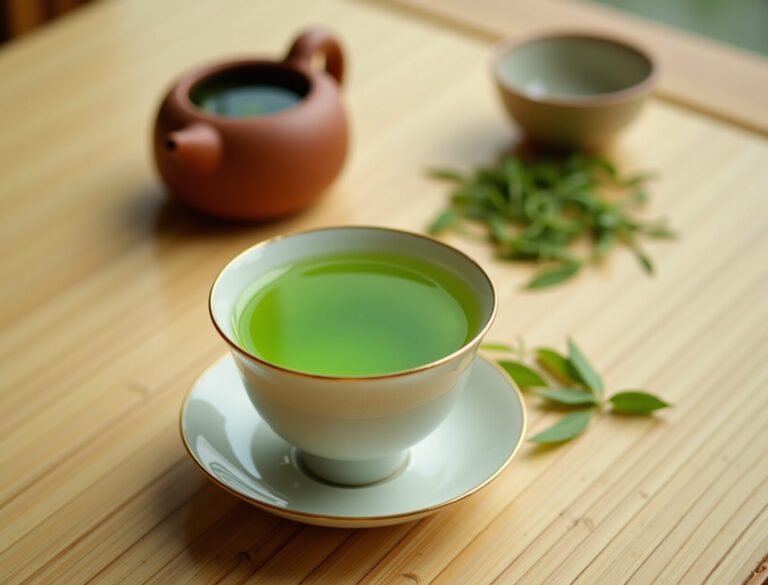
Sencha is made from first and second flush leaves: the young, tender new growth harvested in spring (late April through June in most regions). These early-season leaves are highest in nutrients, most flavorful, and most expensive to harvest because the yield per plant is lower and the window is shorter.
Bancha is made from third flush and later harvests: the mature leaves that remain on the plant after the premium flushes have been taken. These are larger, tougher, and less nutrient-dense. They are harvested later in summer and into autumn, often by machine, at higher yields and lower cost.
Flavor Profile Comparison
Sencha flavor:
- Bright, grassy, and aromatic
- Notable umami depth — especially in premium varieties
- Mild to moderate astringency
- Fresh, almost vegetal character — like spring in a cup
- Sweet finish in high-quality examples
Bancha flavor:
- Milder, earthier, and less complex
- Low astringency — very gentle on the palate
- Slight hay-like, rustic character
- Clean, simple, and unchallenging
- No real umami depth
Sencha is more interesting. Bancha is more forgiving. These are not the same thing, and which matters depends entirely on the context.
Caffeine Content
This is one of bancha‘s practical advantages:
- Sencha: Approximately 20 to 50mg caffeine per cup (varies widely by grade and brewing)
- Bancha: Approximately 10 to 20mg caffeine per cup
Young leaves accumulate higher caffeine concentrations to deter insects. Mature leaves have less. This makes bancha the choice for afternoon or evening drinking when you want the ritual of green tea without the sleep disruption risk.
Nutritional Comparison
Sencha wins on most nutritional markers:
- Higher catechins (antioxidants) — especially EGCG
- More L-theanine (the amino acid responsible for calm focus)
- Higher vitamin C content
- More chlorophyll
Bancha has lower levels of all of these, though it is not nutritionally empty. If you are drinking Japanese green tea specifically for health reasons, sencha is the stronger choice. For casual daily hydration, the difference may not matter much across a normal diet.
Brewing Requirements: Which Is More Forgiving?
This is where bancha‘s practical advantage becomes most clear.
Sencha brewing: Requires care. Water temperature should be 70 to 80 degrees C for premium grades — too hot and the delicate compounds go bitter. Steeping should be 45 to 60 seconds. Over-brewing destroys it quickly.
Bancha brewing: Much more forgiving. You can use near-boiling water (85 to 95 degrees C). A minute or two of steeping is fine. It is hard to seriously ruin a cup of bancha. This makes it the practical choice for everyday drinking when you don't want to babysit a thermometer.
Price Difference and Value
Quality loose-leaf sencha typically costs $20 to $50 per 100g from a good source. Quality bancha runs $8 to $18 per 100g. The price difference reflects the labor, yield difference, and demand premium for early-harvest leaves.
For daily multi-cup consumption, bancha makes obvious economic sense. Many Japanese households keep both: sencha for the first quiet morning cup when flavor matters, bancha for the rest of the day.
When to Drink Each
Reach for sencha when:
- You want a tea experience — something to pay attention to
- You are serving a guest and want to offer something special
- It is morning and you want the full aromatic benefit
- You want the maximum nutritional hit from your tea
Reach for bancha when:
- You want tea with a meal without clashing flavors
- It is late afternoon or evening and caffeine is a concern
- You want an easy, no-fuss daily brewing routine
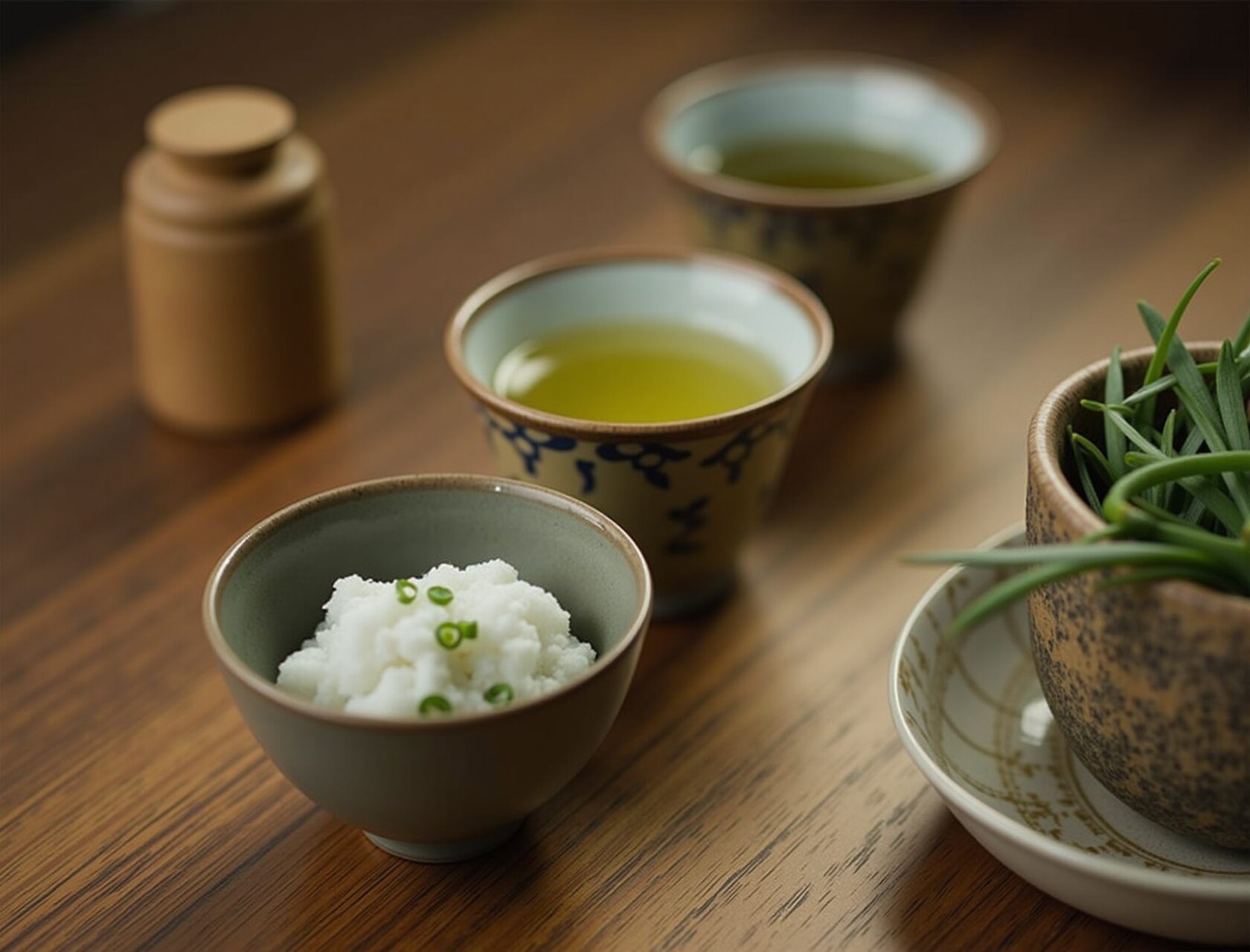
- You're making ochazuke or cooking with tea
FAQ: Bancha vs Sencha
- Is bancha a lower quality sencha?
- No — they are different products made from different leaf material at different times of year. High-quality bancha is crafted intentionally; it is not failed sencha. But it is less complex and less nutrient-dense by design.
- Which is better for weight loss?
- Sencha has more EGCG, which has more evidence for metabolic support. But the practical difference in a normal diet is modest. Both are calorie-free and support hydration, which is the primary mechanism by which any tea supports weight management.
- Can I use bancha in a kyusu the same way as sencha?
- Yes. The brewing vessel is the same. Bancha does not require the same precision of temperature — you can simply wait for boiling water to cool slightly (a minute off the heat) and proceed. Fine mesh filtration is still useful.
- Is organic bancha as available as organic sencha?
- Organic certification is available for both. Bancha‘s lower price point makes the premium for organic certification a larger percentage of total cost — but it is available from specialty retailers focused on clean sourcing.
- Which has more L-theanine — bancha or sencha?
- Sencha, definitively. L-theanine concentrates in young, first-flush leaves. Mature bancha leaves have significantly less. If the calm focus effect of L-theanine is a priority for you, sencha or shade-grown teas are the better choice.
Both teas deserve a place in your kitchen. Bancha is not a compromise — it is a choice, made by millions of Japanese people every day for entirely good reasons. The question is not whether sencha is better; it is whether the difference is worth paying for every time you want a cup of tea. Often, it is not. And that is exactly why bancha exists.
Which Japanese Tea Are You? Take the 60-second quiz
Frequently Asked Questions
Is sencha better than bancha?
Sencha is not inherently better—it’s higher quality due to early spring harvests (late April–June) and more labor-intensive processing. It contains 30–50 mg caffeine per cup vs. bancha’s 15–30 mg. Sencha’s complex flavor suits connoisseurs; bancha’s mellow, earthy profile is ideal for daily drinking. Value depends on your priorities: refinement or accessibility.
Who should not drink sencha green tea?
Avoid sencha if you’re sensitive to caffeine (30–50 mg/cup) or have hypertension. Its high catechin content may irritate stomachs on an empty stomach. Pregnant individuals should limit intake to 200 mg caffeine/day. Bancha, with half the caffeine, is a safer alternative for these groups.
What is the difference between bancha and sencha?
Sencha uses first/second flush leaves (April–June), while bancha uses third/fourth flush (July–September). Sencha is steamed at 80°C for 15–30 seconds; bancha is steamed longer at 70°C. Sencha has brighter, grassy notes; bancha is nutty and roasted. Sencha’s L-theanine content is 1.2–1.5%, bancha’s 0.8–1.0%.