Best Bancha Tea 2025: Affordable Japanese Green Tea Guide
Bancha doesn't get the press that gyokuro or ceremonial matcha does, but ask any Japanese household what they drink daily and it's often this. Bancha is Japan's everyday green tea — made from larger, more mature leaves harvested later in the season. It's earthy, mellow, slightly nutty, and forgiving enough to brew on autopilot. If you want a reliable daily drinker that won't break your budget and delivers genuine Japanese green tea flavor, bancha belongs in your pantry.
What Is Bancha?
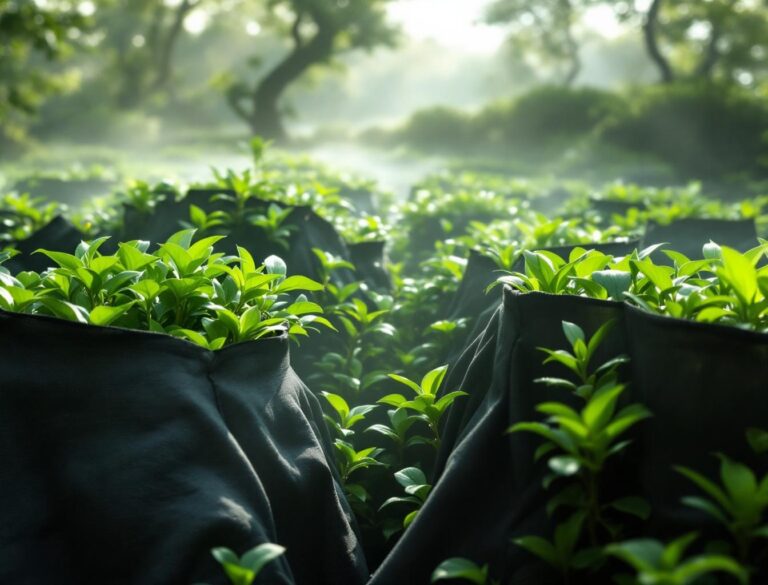
The word bancha (番茶) loosely translates to “common tea” or “everyday tea.” It's made from the same Camellia sinensis plant as other Japanese green teas, but harvested in the third and fourth flushes of the season — July through autumn. By this point, the leaves are larger and more developed than the prized first-flush sencha leaves.
That later harvest matters for several reasons. The leaves contain less caffeine (because older leaves accumulate less caffeine than young buds), they have a more rustic, earthy flavor profile, and they're far more affordable. Bancha is typically 30–60% cheaper than sencha of equivalent origin quality.
Bancha vs. Sencha vs. Hojicha: How They Relate
These three teas are closely related:
- Sencha: First or second flush, young leaves, brighter green flavor, higher caffeine, more expensive.
- Bancha: Later flush, mature leaves, earthier and more mellow flavor, lower caffeine, more affordable.
- Hojicha: Made by roasting bancha (or sometimes sencha stems) at high heat. Roasting transforms the flavor completely — you get toasty, caramel notes with almost no green tea character remaining.
Think of it this way: sencha is the premium daily tea, bancha is the practical everyday tea, and hojicha is what you drink when you want something warming and roasted. Many Japanese households keep all three.
What Makes Quality Bancha?
Even within bancha's “everyday” positioning, there's a clear quality range. What to look for:
Origin transparency: Good bancha will tell you where it came from — Shizuoka, Kagoshima, or Mie Prefecture are the main producing regions. Avoid brands that simply say “Japan” with no further detail.
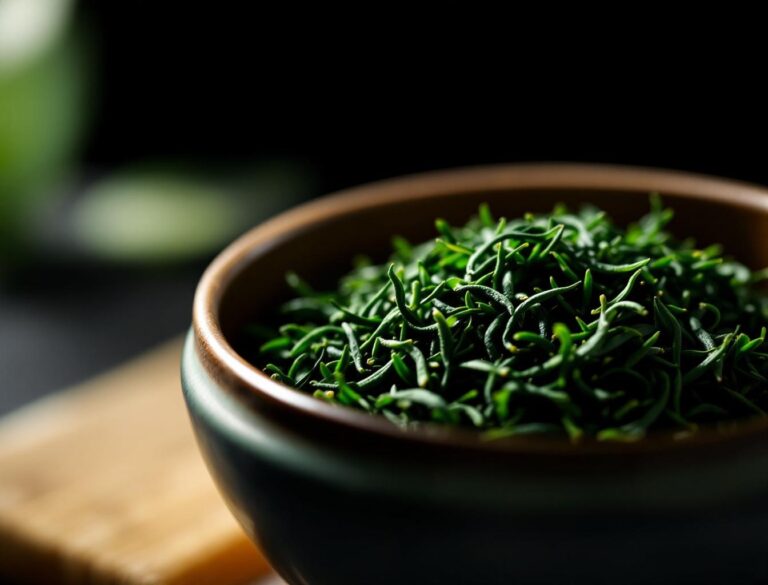
Leaf appearance: Quality loose leaf bancha has intact leaves, not just dust and stems. Some stems are fine — they add sweetness. But mostly stems with minimal leaf indicates bottom-grade processing.
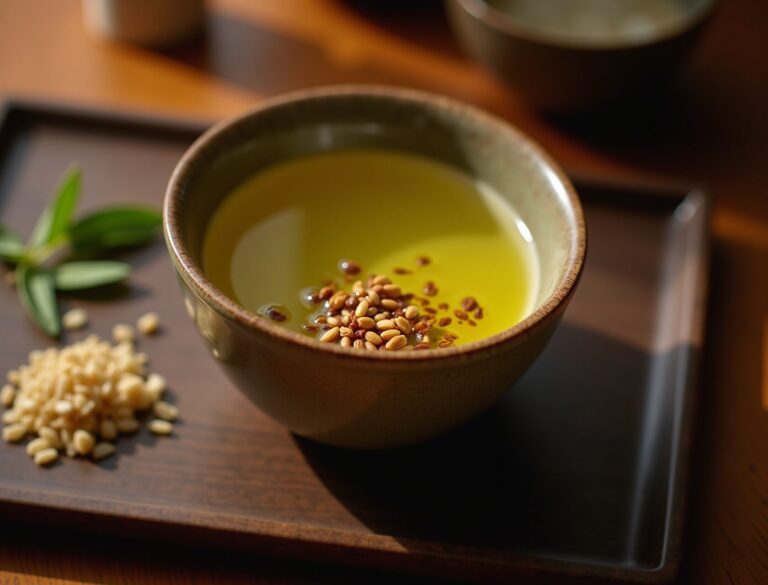
Color after brewing: Should be a warm golden-yellow to pale green. Deep amber might mean over-fermented or very old stock. A clear, bright liquor is what you want.
Aroma: Fresh bancha smells pleasantly grassy and slightly sweet. Stale bancha smells flat or like dry hay with no sweetness.
Organic Bancha: Is It Worth the Premium?
Japan's tea farming regions have generally high agricultural standards, and conventional bancha from established producers is quite clean. That said, JAS-certified organic bancha does exist and is worth seeking if you're a daily drinker. At 3–4 cups a day, your cumulative exposure to whatever the tea plants were treated with adds up. Miyazaki Prefecture has become a hub for organic Japanese tea production, and their organic bancha is excellent.
Expect to pay roughly 30–50% more for certified organic. For a daily tea, that's about $5–8 more per month — reasonable if it matters to you.
Regional Bancha Styles Worth Knowing
Not all bancha tastes the same. Japan has regional traditions that produce distinct styles:
Goishi-cha (Kochi Prefecture): A fermented bancha — Japan's only traditional fermented tea. Has a sour, complex flavor unlike any other green tea. Niche but fascinating.
Batabata-cha (Toyama Prefecture): Aged bancha traditionally whisked in hot water. A regional specialty rarely exported.
Kyobancha (Kyoto): Roasted bancha with a smoky, almost grain-like flavor. Similar to hojicha but less refined. Strong and comforting.
For most buyers, standard Shizuoka or Kagoshima bancha is the right starting point. Regional varieties are worth exploring once you know what base-level bancha tastes like.
How to Brew Bancha
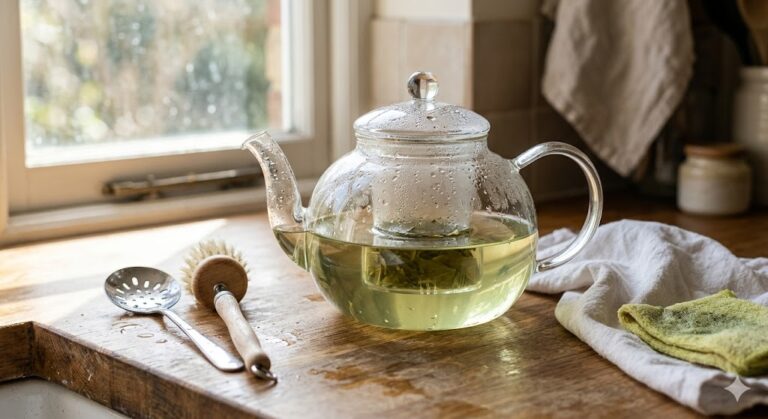
Bancha is the most forgiving Japanese green tea to brew — intentionally so, since it's designed for daily use by busy households:
- Water temperature: 185–203°F (85–95°C). Much more tolerant of near-boiling water than sencha or gyokuro.
- Ratio: 1–1.5 teaspoons per 6–8oz water.
- Steep time: 30–60 seconds for first steep. Bancha is quicker to extract than larger-leaf teas might suggest.
- Resteeps: 2–3 good infusions. By the third steep it becomes very light but pleasant.
One of bancha's practical virtues: you can use tap water that isn't fully filtered and still get a good cup. It's resilient in a way that premium teas aren't.
Best Ways to Drink Bancha
In Japan, bancha is often served throughout meals and after eating. Its lower caffeine makes it suitable even for children in small amounts. Great pairings:
- With rice and pickles at breakfast
- Alongside grilled fish or tempura (cuts through oil nicely)
- As a digestif after heavier Japanese meals
- Cold-brewed in summer — smooth, light, barely caffeinated
Explore our bancha loose leaf selection — we stock everyday Shizuoka bancha and certified organic options from Miyazaki.
Frequently Asked Questions
Is bancha the lowest quality Japanese tea? “Lower grade” in the tea world means different harvest timing, not inferior product. Bancha is exactly what it's meant to be — an everyday tea. It's not trying to be gyokuro. Judging it by sencha standards is like calling a good red wine “low quality” because it's not Champagne.
How much caffeine does bancha have? Approximately 10–20mg per 8oz cup. Significantly less than coffee (~95mg), less than black tea (~40–70mg), and less than sencha (~25–35mg).
Can I drink bancha at night? Yes, it's one of the better options for evening tea. The low caffeine won't disrupt most people's sleep, and its calming earthy flavor is conducive to winding down.
What's the shelf life of bancha? In a sealed, airtight container away from light, loose leaf bancha stays fresh for 12–18 months. It doesn't go unsafe — it just gradually loses vibrancy.
Is bancha good for weight loss? All green teas contain polyphenols and catechins associated with metabolism support, and bancha is no exception. It's a healthy daily beverage but not a magic solution. Drink it because it tastes good and it's good for you.