Kombu Dashi Buying Guide: What to Look For in Quality Kelp Stock
Kombu (kelp) is the foundation of Japanese dashi — the primary cooking stock that underlies miso soup, ramen broth, nimono, udon, and dozens of other dishes. The quality difference between mediocre kombu and excellent kombu is substantial, and it directly affects the umami depth of everything you cook with it. Here's how to buy the right kombu.
What Makes Kombu Good Dashi Material
The key compound in kombu is glutamic acid (glutamate) — one of the primary umami compounds. When kombu is steeped in hot water, it releases glutamates into the water, creating the base of Japanese cooking stock. The better the kombu, the more glutamate it contains, and the more complex and deep the dashi.
Several factors affect glutamate content and overall flavor:
- Species: Different kombu species have different glutamate levels
- Growing region: Water quality, temperature, and mineral content of the growing environment
- Age and cure time: Kombu improves with proper curing, similar to aged cheese
- Harvest timing: Summer-harvested kombu vs. fall-harvested vary in concentration
Kombu Species and Their Uses
Ma-kombu (True Kelp) — Premium Grade
Harvested primarily from the waters around Hokkaido (especially Hidaka and Rishiri), ma-kombu is the benchmark for dashi. It produces a clean, delicate, highly refined stock with subtle sweetness and deep umami. The premium Rishiri-kombu variety is specifically harvested near Rishiri Island and is considered the finest available — used in high-end Japanese restaurants for clear, elegant dashi in kaiseki cuisine.
Best for: Clear soups, delicate dashi where subtlety matters, soup stocks for kaiseki-style cooking.
Hidaka Kombu (Mitsuishi Kombu) — Everyday Grade
Harvested from the Hidaka coast of Hokkaido, this is the most widely available kombu in Japanese supermarkets and a solid everyday choice. It's softer than Rishiri-kombu, which means it's also edible after dashi-making (good in simmered dishes and tsukudani). Flavor is robust and full-bodied — slightly less refined than Rishiri but very practical.
Best for: Everyday dashi, miso soup, noodle broths, nimono. The practical choice for regular home cooking.
Rausu Kombu — Robust Grade
From the Rausu area on the eastern coast of Hokkaido's Shiretoko Peninsula, Rausu kombu produces a golden-colored, rich, deeply flavored dashi with noticeable sweetness. It's thicker and wider than other varieties and produces a more heavily flavored stock — excellent for dishes that need assertive umami.
Best for: Miso soup, shabu-shabu broth, dishes where you want pronounced kombu flavor.
Naga-kombu (Long Kelp) — Value Grade
Thinner, more fibrous, and less flavorful than the premium varieties. Produces serviceable dashi but lacks the depth of Hidaka or Rishiri. Often sold for cooking applications where the kombu itself is eaten as much as the stock produced.
What the White Coating Means (Don't Wipe It Off)
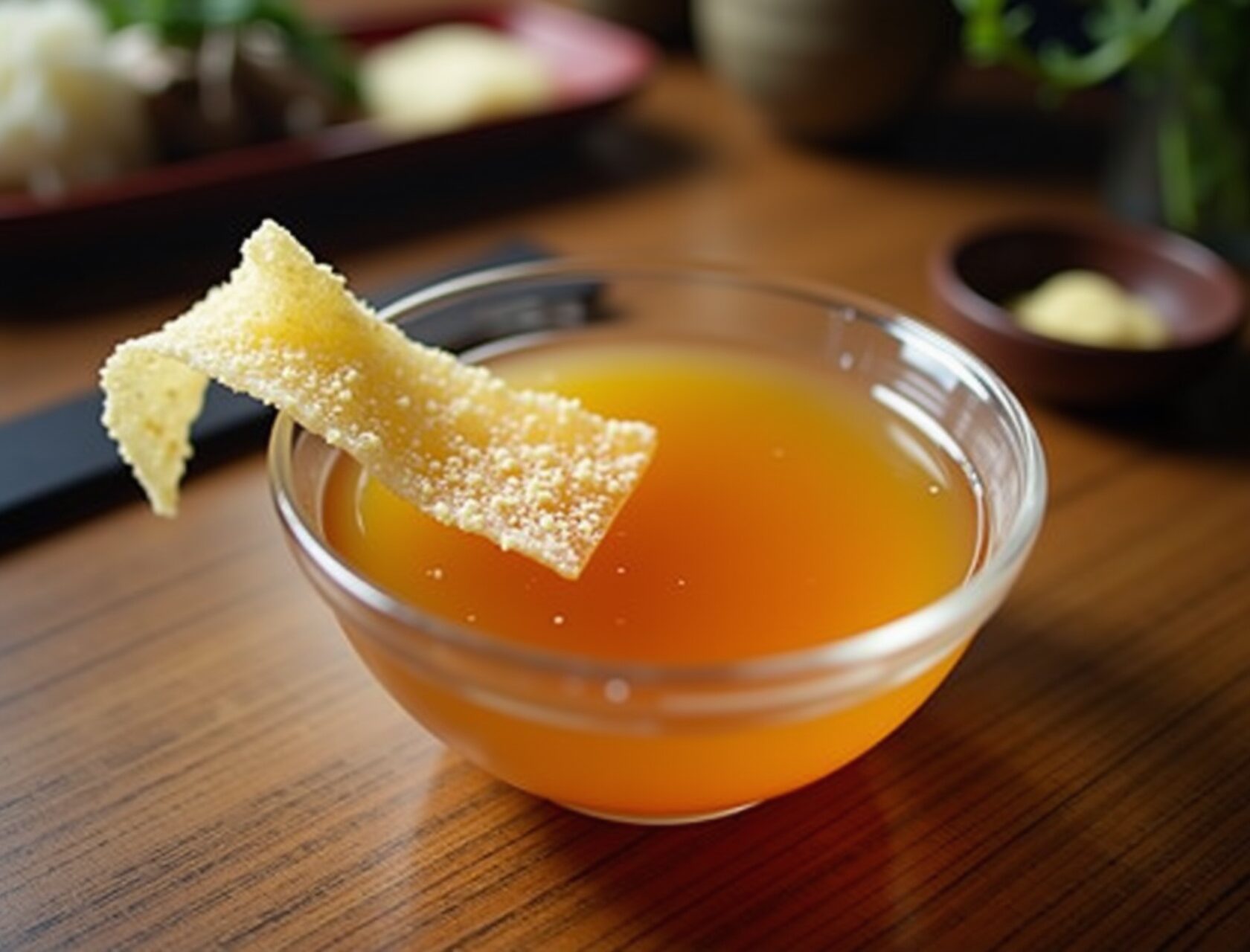
Quality dried kombu has a white powdery coating on the surface. This is mannitol — a sugar alcohol that's a direct indicator of quality and umami potential. More white coating = better kombu, in general. Do not wash kombu before use. Wipe it only very lightly with a damp cloth to remove surface dust, and only if the kombu has visible grit or debris.
Appearance: What to Look For
Good kombu looks like:
- Dark green to near-black, even color
- Visible white coating (mannitol)
- Stiff but flexible — not brittle
- Thick, substantial strips (for premium varieties)
- Clean ocean smell
Avoid kombu that is:
- Very thin and papery
- Brown or olive-colored throughout (sign of poor quality or age)
- No white coating
- Smells sour or musty rather than oceanic
Forms: Dried Strips vs. Powder vs. Dashi Packets
Dried kombu strips: The standard form. You use pieces to steep in cold water for dashi. Most control over flavor intensity. Buy this for regular home dashi-making.
Kombu powder/granules: Concentrated kombu that dissolves in water or can be added directly to dishes. Faster but less nuanced than whole kombu. Useful for boosting umami in sauces and marinades.
Dashi packets (kombu + bonito in sachet): Pre-combined, steep like a teabag. Very convenient, produces good dashi for everyday use. Quality varies — look for packets that list kombu and katsuobushi as primary ingredients without excessive additives.
Shop our kombu dashi and dashi powder options.
How to Make Basic Kombu Dashi
Simple kombu-only dashi for 1 liter:
- Wipe 20g kombu lightly with a damp cloth
- Add to 1.1 liters cold filtered water
- Soak for 30 minutes minimum (overnight cold soak produces excellent dashi)
- Heat over medium-low heat, removing kombu just before boiling (around 60-70°C)
- Use immediately or refrigerate for up to 3 days
This produces a clean, light, vegan dashi. For full awase dashi, add katsuobushi after removing the kombu and strain after 5 minutes.
Recipes That Showcase Kombu Dashi
- Miso soup — the standard application
- Clear soup (suimono) — delicate, showcases kombu's clean flavor
- Udon and soba broth
- Simmered vegetables (nimono)
- Shabu-shabu cooking broth
- Kombu tsukudani — simmer used kombu pieces with soy sauce and mirin for a savory condiment
Browse our katsuobushi for making complete awase dashi.
Frequently Asked Questions
How much kombu per liter of water for dashi?
Standard ratio: 20-30g kombu per 1 liter water. For a more assertive dashi, use 30g; for lighter, more delicate dashi, 20g. Cold steeping overnight with 20g produces excellent results.
Can I reuse kombu after making dashi?
Yes — the used kombu still has flavor and texture suitable for: cooking in nimono, making tsukudani (simmered with soy sauce and mirin), adding to rice for flavor, or cutting into thin strips for a garnish. Don't discard it.
Is kombu the same as wakame?
No. Kombu (kelp, Saccharina japonica) and wakame (Undaria pinnatifida) are different seaweed species. Kombu is thick, large, and used primarily for stock and seasoning. Wakame is thin, leafy, and used in salads and miso soup as a cooked ingredient.
Does kombu expire?
Dried kombu stored properly has a very long shelf life — 2-3 years is common. Store in a sealed container in a cool, dry place. If kombu develops a strong sour or fermented smell, discard it.
What's the difference between kombu and konbu?
Same thing — two romanizations of the Japanese word 昆布. Both refer to dried kelp used for dashi.