Best Genmaicha Tea 2025: Loose Leaf Buying Guide
Genmaicha is one of Japan's most approachable teas — toasty, nutty, with a grassy green tea backbone that keeps every cup interesting. But walk into any specialty shop and you'll find everything from $6 bags to $40 tins, all labeled “genmaicha.” What separates them? Quite a lot. This guide covers what to look for, which origins to prioritize, and how to find the best genmaicha for your kitchen in 2025.
What Is Genmaicha?
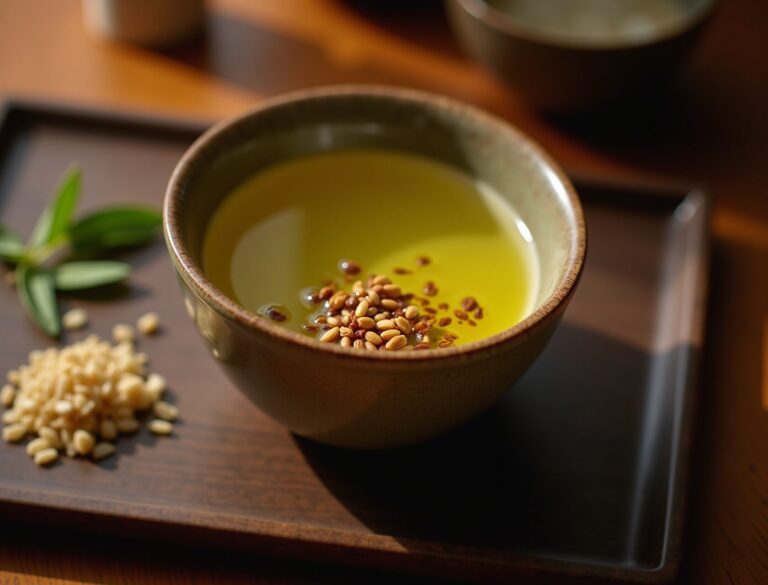
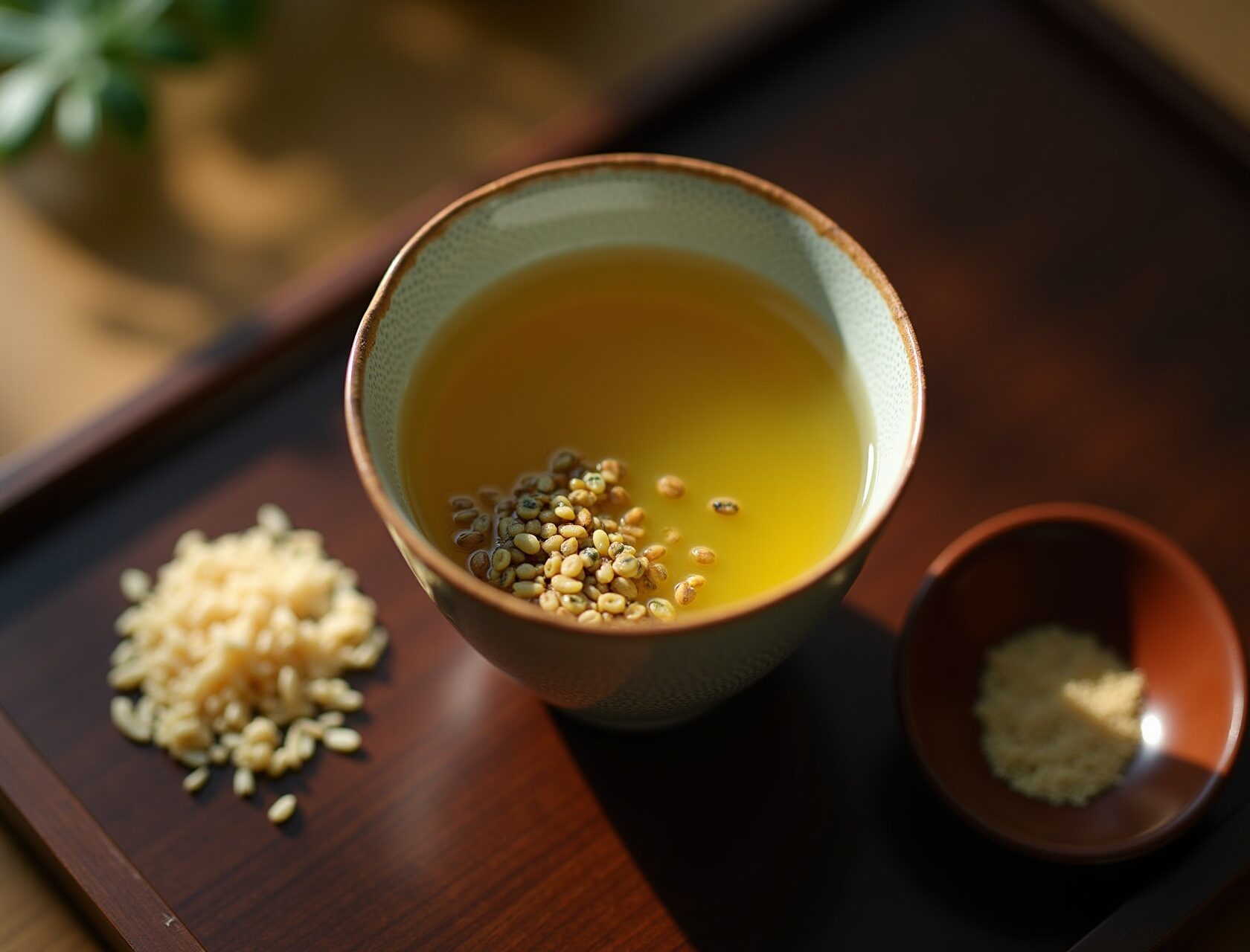
Genmaicha (玄米茶) translates to “brown rice tea.” It's a blend of green tea leaves — most commonly bancha or sencha — and roasted puffed rice. The rice pops during roasting, and those little white kernels are part of genmaicha's visual signature. The result is a tea with lower caffeine than straight green tea, a mellow body, and a toasted rice aroma that some people describe as popcorn-adjacent.
It was historically called “the poor man's tea” because the rice stretched expensive leaves further. Today it's appreciated on its own merits — especially for people who find straight green tea too grassy or astringent, or who want something easier on the stomach alongside food.
Loose Leaf vs. Bagged Genmaicha: Why It Matters
Bagged genmaicha typically uses fannings or dust-grade tea — the smallest pieces left over from processing. These extract quickly but lose nuance fast. You get a flat, one-dimensional cup. Loose leaf genmaicha keeps its structure: you can see whole or partially whole leaves alongside the puffed rice kernels.
With loose leaf, you control the brew. A 3-minute steep at 175°F pulls out sweetness and body. Push to 4 minutes and you get more roast. That flexibility is worth the extra $5–10 per bag.
Genmaicha Grades and Tea Base: What to Look For
The green tea base is the single biggest quality indicator. Higher-grade genmaicha uses sencha or, at the premium end, gyokuro or kabusecha. Lower-grade blends use bancha — which isn't bad, just earthier and less nuanced.
Bancha-base genmaicha is your everyday drinker. Affordable, forgiving with water temperature, and great with food. This is what most supermarket genmaicha uses.
Sencha-base genmaicha is the sweet spot for most loose leaf buyers. You get the brighter, greener notes of sencha balanced with roasted rice. More complexity without the premium price of shaded teas.
Gyokuro or kabusecha-base genmaicha is boutique territory. The umami from shade-grown leaves pairs beautifully with the toasty rice, but these tins run $25–50 and demand precise brewing.
Check the product listing for the tea base. Reputable sellers will tell you. If they don't, assume bancha.
Japanese Origin: Does It Matter?
Yes, significantly. The region matters:
- Shizuoka produces the most volume. Good consistency, bright green flavor, widely available.
- Uji (Kyoto) commands premium prices. Centuries-long reputation, tighter quality control, distinct terroir.
- Kagoshima grows in volcanic soil, resulting in a rounder, slightly sweeter profile that plays well with roasted rice.
- Miyazaki is gaining ground for organic production. Great choice if you prioritize certified organic.
For most buyers, Shizuoka or Kagoshima origin at a reasonable price is the right call. Uji is for when you want to treat yourself or give an impressive gift.
Best Genmaicha to Buy in 2025
At All Day I Eat, we focus on sencha-base genmaicha from small Japanese producers. Here's how to think about different price points:
Everyday brewing ($10–18): Look for 50–100g bags of sencha-base genmaicha. These should steep 2–3 times, give you clean toasty flavor, and work with slightly imprecise water temperatures (165–185°F both work).
Gift or special occasion ($20–45): Step up to tins from Uji or a Shizuoka specialty grower. Gyokuro-base genmaicha in a beautiful tin reads as a thoughtful gift for anyone who cooks Japanese food or enjoys loose leaf tea.
Organic ($15–25): Miyazaki and some Kagoshima producers offer JAS-certified organic genmaicha. The price premium is real (~30–50% more) but worth it if pesticide-free farming matters to you.
How to Brew Genmaicha Properly
Genmaicha is one of the easiest Japanese teas to brew:
- Water temperature: 175–185°F (80–85°C). Slightly hotter than most green teas because the rice helps buffer bitterness.
- Leaf-to-water ratio: 1 teaspoon (2–3g) per 6–8oz water.
- Steep time: 2–3 minutes for the first steep. You'll get 2–3 good infusions.
- Vessel: A small kyusu or any teapot with good drainage. Genmaicha brews fine in Western-style pots too — it's forgiving.
Unlike gyokuro or kabusecha, genmaicha doesn't punish you for slightly wrong temperatures. It's the right tea for someone building their loose leaf habit.
Genmaicha vs. Hojicha: Which Should You Buy?
Both are roasted Japanese teas with lower caffeine and earthy flavors. The key differences:
- Genmaicha retains more green tea character (grassy, slightly vegetal notes underneath the roast). Better if you like green tea but want something softer.
- Hojicha is fully roasted stems and leaves — reads as purely toasty and caramel, no green notes. Better if you want something that tastes nothing like green tea.
- Caffeine: Both are low, but hojicha is slightly lower because roasting further breaks down caffeine.
If you're buying for a household with varied preferences, stock both. They serve different moods and pair with different foods.
Frequently Asked Questions
Does genmaicha expire? It doesn't spoil, but it goes stale. Quality loose leaf genmaicha in an airtight container stays good 6–12 months. The roasted rice loses its aroma first — that's your quality indicator.
Can I cold brew genmaicha? Yes. Use cold water, double the leaf amount, and steep in the fridge for 6–8 hours. The result is sweeter and lighter — excellent in summer.
Is genmaicha good for beginners? It's one of the best entry-point teas. Low caffeine, forgiving to brew, pairs well with food, and its toasty flavor converts people who don't normally drink green tea.
What's the white stuff in genmaicha? Popped (puffed) rice kernels. When rice is roasted at high heat, some kernels pop like popcorn. Normal and actually a sign of proper roasting.
Does genmaicha have caffeine? Yes, but less than straight sencha. Typical genmaicha contains 10–20mg per 8oz cup versus 25–35mg for sencha. Safe for most people to drink in the evening.
Ready to stock your kitchen? Browse our genmaicha loose leaf selection — we carry a curated range of sencha-base and everyday options from trusted Japanese growers.