How to Choose a Hojicha: A Beginner’s Buying Guide
Hojicha is one of the most beginner-friendly Japanese teas you can start with — it's low in bitterness, smells amazing, brews simply, and tastes like a warm, toasty hug. But when you go to buy it online or at a specialty shop, the number of options is confusing: loose leaf, powder, stems vs leaves, different roast levels, various origins. This guide cuts through all of it so you can buy hojicha with confidence.
What Is Hojicha?
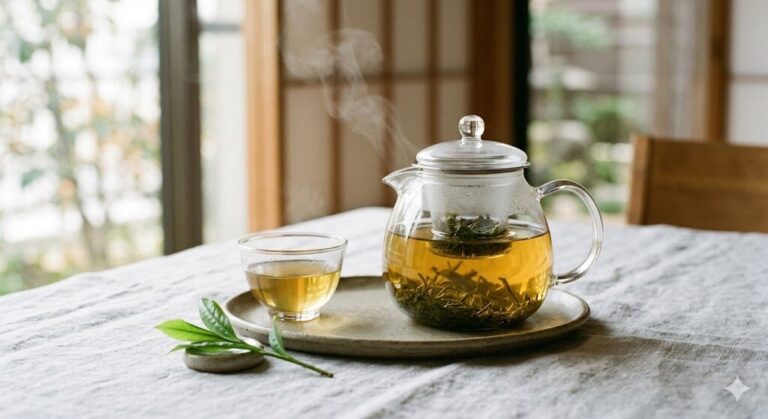
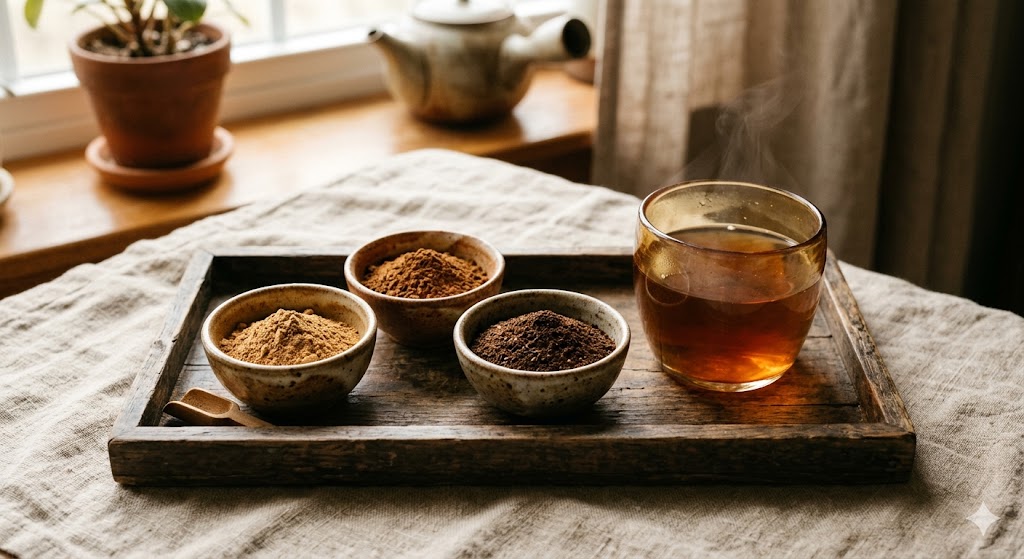
Hojicha (焙じ茶) is green tea — most commonly bancha or sencha-grade leaves — that's been roasted at high temperatures (usually 200°C or higher). The roasting transforms the tea's flavor entirely: the grassy green tea character becomes warm, caramel, and deeply roasted. The color in the cup is amber rather than green. Caffeine is significantly reduced by the heat.
It's one of Japan's most consumed everyday teas, served in restaurants, at family meals, and before bed.
The First Decision: Loose Leaf or Powder?
| Format | What It Is | Best For | Equipment Needed |
|---|---|---|---|
| Loose Leaf | Whole or broken roasted leaves/stems | Drinking as tea (hot or cold brew) | Teapot with filter or infuser |
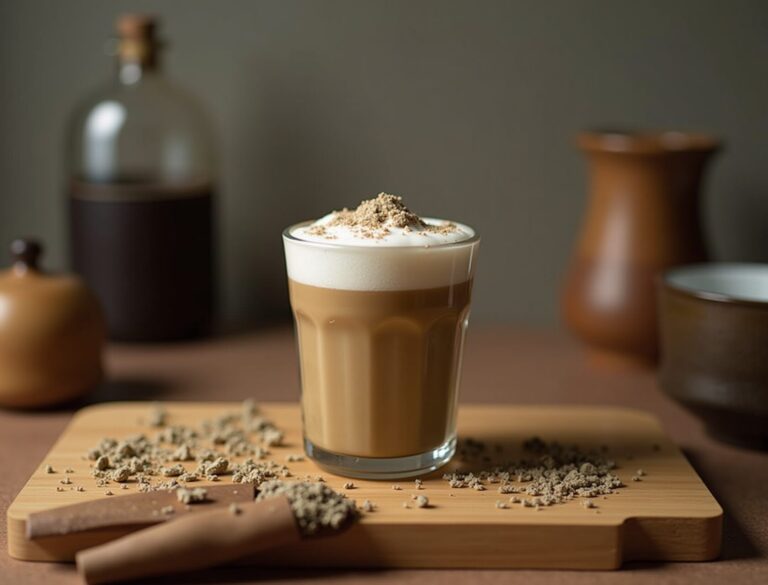
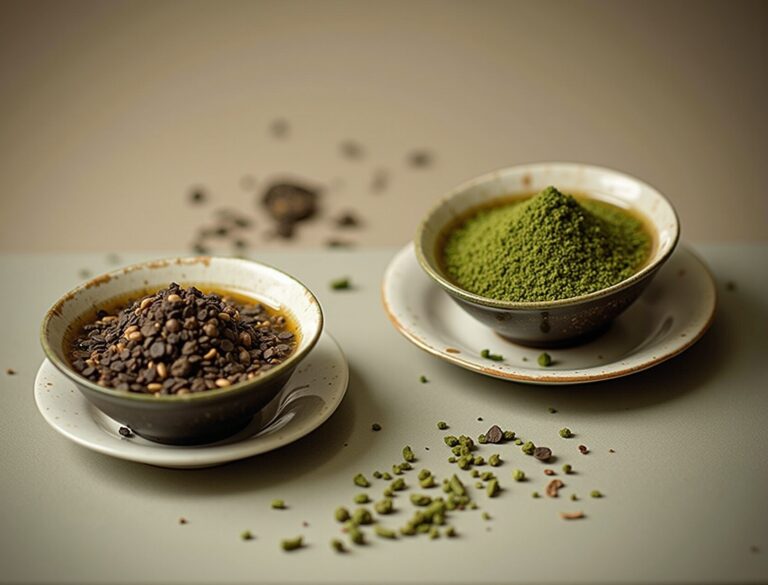
| Powder | Stone-ground loose leaf hojicha | Lattes, baking, mixing into recipes | Small whisk or frother |
| Tea Bags | Finely cut leaf in sachets | Convenience, office, travel | A mug |
Start with loose leaf unless your primary goal is making lattes — in which case, buy the powder. Tea bags are fine for convenience but lose much of what makes quality hojicha worth buying.
Loose Leaf: Leaves vs Stems — Which to Buy First?
Hojicha is made from different parts of the tea plant:
Leaf-Based Hojicha
Made from roasted sencha or bancha leaves. Richer, more complex flavor. The green tea character from the leaves gives depth to the roasted notes. Slightly more caffeine than stem-based. This is the standard, most common type.
Buy this if: You want the classic hojicha experience.
Stem/Stalk-Based Hojicha (Kukicha-style)
Made from roasted tea stems. These have less chlorophyll and caffeine than leaves to begin with, and roasting takes caffeine lower still. The flavor is sweeter, lighter, and more delicate — almost honey-like in some versions.
Buy this if: You're very caffeine sensitive or want the mildest, sweetest hojicha profile.
Mixed (Leaves + Stems)
Many quality hojicha blends use both leaves and stems — the combination creates balanced complexity. This is what most commercial hojicha represents.
Buy this if: You're starting out and don't have a strong preference yet.
Understanding Roast Levels
| Roast Level | Color | Flavor | Caffeine |
|---|---|---|---|
| Light roast | Reddish-brown | Lighter, some green tea character remains, sweeter | Low |
| Medium roast | Brown | Classic hojicha — balanced roasted and green tea notes | Very low |
| Deep roast | Dark brown | Intense roasted, smoky, very low green tea character | Very low |
For beginners: start with medium roast. It's the most forgiving and represents hojicha's typical profile. Move to light or deep roast once you know you enjoy it and want to explore the spectrum.
How to Evaluate Quality When Buying Online
You can't smell or taste tea before buying online, so use these proxy indicators:
- Origin is specified: “Japan” is good; “Kyoto,” “Miyazaki,” “Shizuoka” is better — shows the seller knows their sourcing
- Harvest date or packaging date listed: Freshness matters; hojicha older than 18 months is past its best
- Leaf/stem type is specified: Sellers who know their product describe what they're selling
- No artificial flavorings: Quality hojicha has no added flavors — the roasting provides all the aroma
- Resealable packaging: Important for preserving the volatile roasted oils
How Much to Buy for a First Order
For a first-time buyer: start with 50–100g of loose leaf. This is enough for 15–30 brewing sessions (depending on your ratio), giving you time to decide whether you love it and how you like to brew it. A 100g bag at $18–$25 is reasonable for quality hojicha from Japan.
Don't buy in bulk until you've confirmed which style (leaf vs stem, roast level) you prefer.
Simple Hojicha Brewing Instructions
Hojicha is one of the most forgiving teas to brew:
- Heat water to 90–95°C (near-boiling, but not boiling)
- Add 3–5g of hojicha per 100ml of water into your teapot or infuser
- Pour water over the leaves and steep for 30–60 seconds
- Pour through filter into cups and drink immediately
- Re-steep 2–3 times (each steep reduces flavor intensity; many find the second steep their favorite)
Hojicha is nearly impossible to over-steep to the point of bitterness — it's the perfect starter tea for that reason.
Shop hojicha loose leaf — sourced from Japan
Frequently Asked Questions
Is hojicha the same as roasted green tea?
Yes — hojicha is a type of Japanese green tea that has been roasted. The roasting transforms the flavor from the typical vegetal green tea character to a warm, caramel, toasty profile. It starts as sencha or bancha (regular green tea) before roasting.
How is hojicha different from matcha?
Matcha is shade-grown, steamed, and stone-ground into a bright green powder — very high caffeine, umami-forward flavor. Hojicha is roasted at high heat into dark brownish leaves/powder — very low caffeine, caramel-roasted flavor. They're both made from green tea plants but are completely different in flavor, caffeine, and use.
Can I drink hojicha at night?
Yes — hojicha is one of the lowest-caffeine teas available, particularly stem-based versions. A cup of hojicha in the evening is common in Japanese households. It won't disrupt sleep for most people, even those sensitive to caffeine.
What does hojicha taste like for a first-time drinker?
Most first-time hojicha drinkers are surprised by how different it is from green tea. It's warm, toasty, slightly sweet, and reminiscent of roasted grain or mild coffee — with no bitterness at all. People who “don't like tea” often discover they love hojicha.
How should I store loose leaf hojicha after opening?
Transfer to an airtight container away from direct light and heat. A tin or opaque jar works well. Refrigeration extends freshness, but let the container reach room temperature before opening to prevent condensation on the leaves. Use within 3–4 months of opening for best flavor.