Best Teaware for Genmaicha: Glass, Ceramic, or Clay?
Genmaicha is one of the most democratic Japanese teas — it brews beautifully in almost anything and doesn't punish casual brewing technique the way gyokuro or kabusecha can. That said, your teaware choice does affect the genmaicha experience in meaningful ways: the visual presentation, the thermal character of the brew, and subtly even the flavor. Here's an honest breakdown of how glass, ceramic, and clay teaware each serve genmaicha — and which is the best starting point.
What Genmaicha Needs From Teaware
Before comparing materials, understand genmaicha‘s specific brewing requirements:
- Temperature range: 175–185°F (80–85°C). Wider tolerance than most Japanese teas.
- Steep time: 2–3 minutes. A good strainer is essential because genmaicha‘s puffed rice kernels can be bulky and rice fines can escape poor mesh.
- Volume: Works well in small (200ml) to medium (500ml) vessels. The flavor is enjoyable in both concentrated and larger portions.
- Visual element: Genmaicha‘s distinctive puffed rice and the golden-amber brew color are part of its charm — visibility can enhance the experience.
Glass Teaware for Genmaicha: The Visual Choice
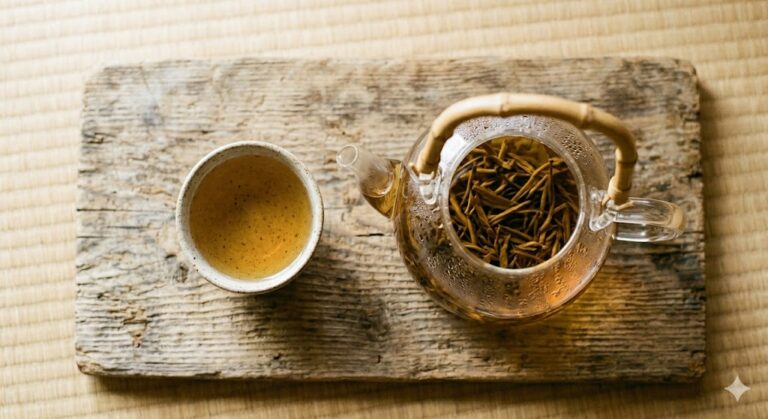
Glass teapots and kyusu are the best choice for experiencing genmaicha visually. The amber-golden brew color developing against the white puffed rice and green tea leaves is genuinely beautiful to watch — not a trivial consideration in a tea you'll make every day.
Hario's glass kyusu (the Chacha Kyusu Maru or Chaho) work particularly well for genmaicha because:
- The wide, round body allows the leaves and rice to expand and circulate during steeping
- The borosilicate glass maintains temperature well over the 2–3 minute steep time
- The mesh strainer captures genmaicha‘s varied particle sizes effectively
- Cleaning is simple — no risk of rice residue absorbing into the vessel material
Best glass options: Hario Chacha Kyusu Maru (300–450ml), Hario Chaho (360–700ml). Shop Hario glass teapots here.
Glass limitation: Loses heat slightly faster than ceramic or clay because glass conducts heat more readily. For genmaicha‘s 2–3 minute steep at moderate temperature, this is rarely a practical problem.
Ceramic Teaware for Genmaicha: The Balanced Choice
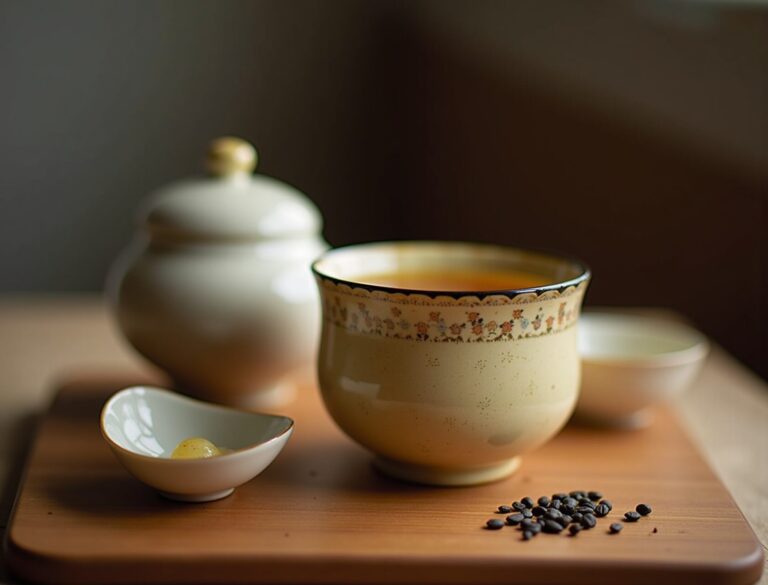
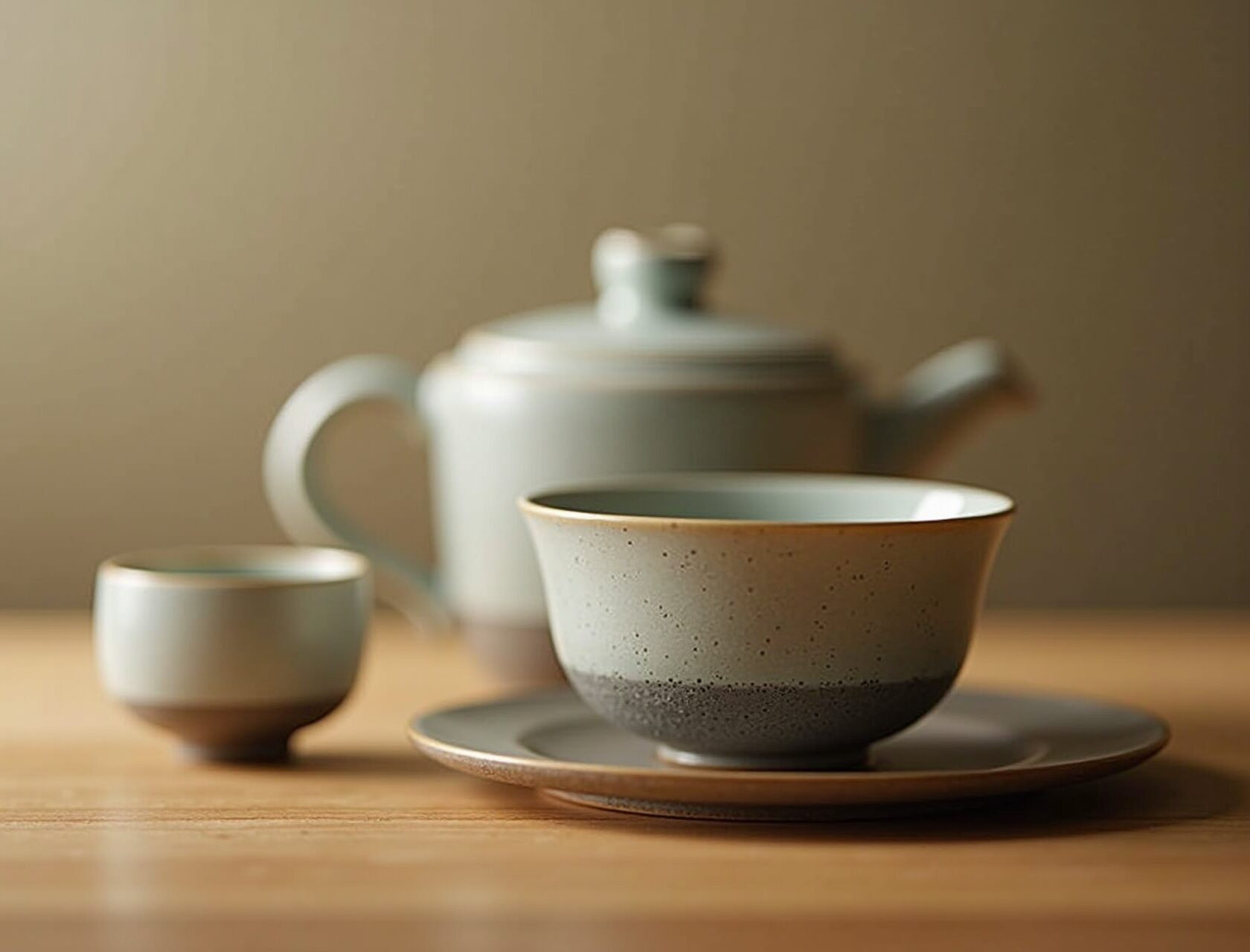
White or light-colored porcelain teapots are the classic Western serving vessel for any tea, and they work well for genmaicha. Japanese domestic ceramic kyusu in glazed porcelain or stoneware bring good thermal retention and a neutral flavor contribution.
Advantages:
- Better heat retention than glass — maintains temperature for the full steep time without external warming
- More traditional aesthetic if you prefer the Japanese ceramic kitchen look
- Wide range of sizes and styles available from Japanese makers
- The neutral glaze means no flavor interaction with the tea
For genmaicha specifically, a white or celadon-glazed small ceramic kyusu (200–400ml) is the traditionalist's choice. The rice and tea blend looks particularly good against white ceramic's clean background.
Limitation: No visibility into the brew. For genmaicha‘s first time drinkers, seeing the puffed rice and amber color is part of the experience that ceramic eliminates.
Clay Teaware for Genmaicha: When It Matters
Unglazed clay teapots — primarily Tokoname iron-rich red clay from Aichi Prefecture — are the most traditionally revered Japanese teapots. They develop a “seasoning” over years of use, absorbing the teas brewed in them and (theoretically) contributing subtle complexity to future brews.
For genmaicha specifically, this seasoning effect is more nuanced than for premium teas:
- The roasted rice component doesn't contribute nuanced flavor that benefits from clay's properties in the same way as gyokuro or kabusecha
- If you use a clay pot for multiple tea varieties, the seasoning effect is diluted anyway
- Clay's excellent thermal mass and retention helps with consistent steeping
A dedicated Tokoname kyusu for genmaicha is a lovely choice if you drink genmaicha exclusively from one pot and want the full Japanese teaware experience. For most home cooks who drink multiple teas, the seasoning benefit of clay is not practically significant for genmaicha.
The Verdict: What to Actually Buy
For most genmaicha drinkers, ranked by recommendation:
- Glass kyusu (first choice): The visual element is genmaicha-specific magic. Hario 300–450ml. Watch the amber develop, see the rice float, enjoy the cup fully visible before it reaches your lips. Best for new genmaicha drinkers and daily use.
- Glazed ceramic kyusu (second choice): Better heat retention, traditional aesthetic, excellent functionality. Right choice if aesthetics lean traditional Japanese rather than contemporary glass.
- Unglazed clay kyusu (for enthusiasts): Worth having eventually for the full traditional experience, but not the right starting point for most buyers.
Cup Pairing for Genmaicha
What you drink genmaicha from matters too:
- Clear glass cups: Shows the golden color of genmaicha at its best. Pairs well with glass teapots for a cohesive aesthetic.
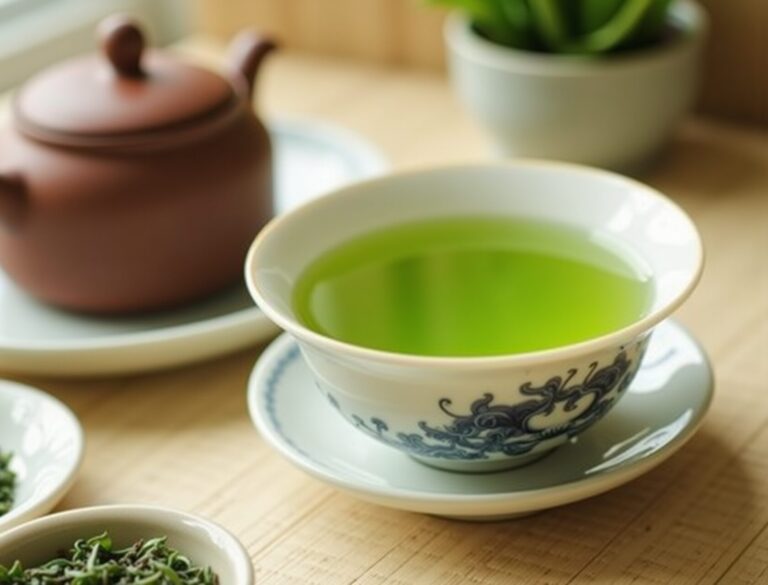
- White porcelain yunomi: The clean white background shows genmaicha‘s amber color clearly. Traditional and clean-looking.
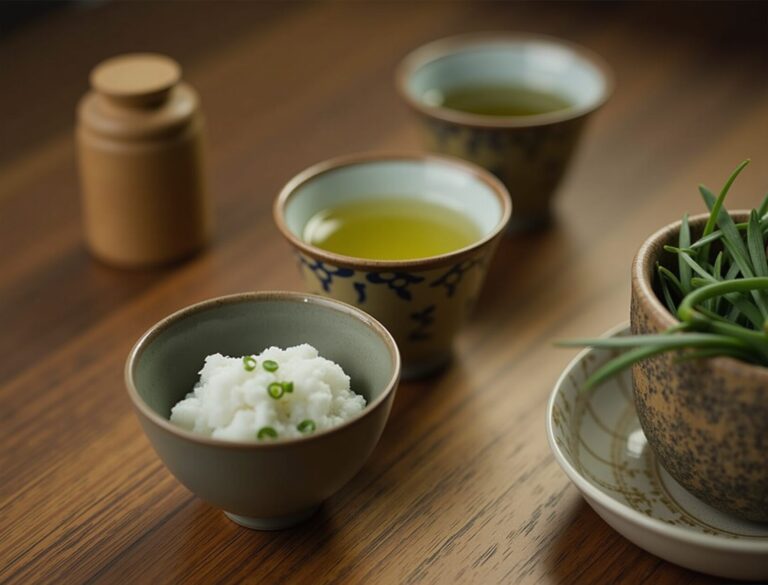
- Celadon or earth-toned ceramic cups: Adds warmth to the presentation. Genmaicha‘s earthy character pairs well with natural clay aesthetics.
Frequently Asked Questions
Does the rice in genmaicha clog teapot strainers? Quality teapots with fine mesh strainers handle genmaicha well. The puffed rice stays in the teapot; only a fine mesh strainer can occasionally accumulate rice fines. Rinse strainers immediately after use to prevent buildup.
Can I use a Western teapot for genmaicha? Yes — genmaicha is forgiving enough to taste good from almost any vessel. The strainer quality matters more than the teapot material for this tea specifically.
How many cups does a 300ml teapot make from genmaicha? Standard ratio yields two 150ml (5oz) cups from a 300ml teapot — traditional Japanese portion sizes. For Western-sized cups (250ml/8oz), you'll get one generous cup per brew.
Is a Hario glass teapot worth it if I mainly drink genmaicha? Absolutely. Genmaicha‘s visual character — the white rice kernels, the golden brew, the gradual color development — is displayed at its best in clear glass. It's one of the teas that most rewards a glass vessel.
Can I reuse genmaicha leaves for a second steep? Yes — genmaicha yields 2–3 good infusions. Second steep: 2.5–3 minutes at the same temperature. The rice loses its pop on subsequent steeps and the flavor becomes lighter and more purely tea-forward. Both steeps are worth drinking.