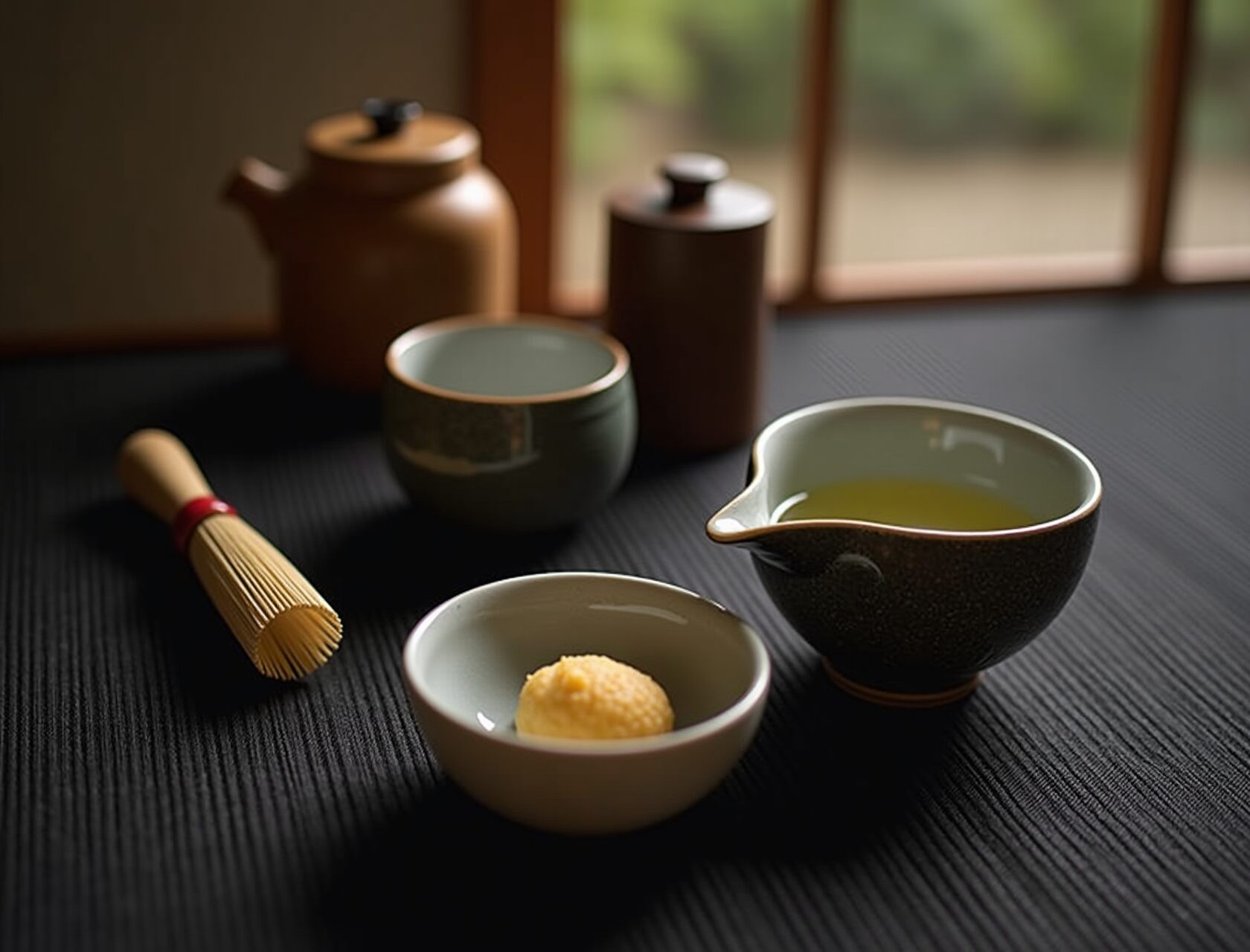
Yunomi vs Chawan: Which Japanese Tea Cup Should You Use?
If you're building a Japanese tea setup, you'll encounter two vessel names repeatedly: yunomi and chawan. Both are cups used for tea. Both are ceramic. Both are beautiful. But they are not interchangeable, and buying the wrong one for your intended use is a mistake that happens regularly with new tea enthusiasts.
The short version: yunomi is your everyday tea cup for loose leaf teas like sencha, hojicha, and genmaicha. Chawan is the wide bowl used specifically for matcha preparation and drinking in the Japanese tea ceremony. If you don't drink matcha, you probably don't need a chawan right now.
Here's everything you need to know.
What Is a Yunomi?
Yunomi (湯呑み, literally “hot water drinking”) is the standard Japanese teacup for everyday use. It's cylindrical or slightly tapering, without a handle, and typically holds between 150ml and 250ml. Yunomi are used for all loose leaf teas — sencha, hojicha, genmaicha, bancha, kabusecha, gyokuro, and others.
They're made to be held with both hands, cradled in the palm, which is part of the sensory pleasure of Japanese tea drinking. The handless design keeps you connected to the temperature of the tea and slows down your drinking pace.
Yunomi characteristics:
- Cylindrical, with or without foot ring
- No handle
- 150-250ml typical capacity
- Glazed inside (usually), glazed or unglazed outside
- Used for any loose leaf Japanese tea
- Suitable for everyday use
Shop yunomi teacups in our Japanese teaware collection.
What Is a Chawan?
Chawan (茶碗, “tea bowl”) is the wide, open bowl used for preparing and drinking matcha in the Japanese tea ceremony (chado). Its wide opening serves multiple functions: it provides surface area for whisking matcha with a bamboo chasen, allows you to see the foam developing, and keeps the matcha at the right temperature while drinking.
Chawan are also used as rice bowls in non-tea contexts (the same word is used), but in the context of teaware, chawan refers to the tea bowl specifically.
Chawan characteristics:
- Wide, open bowl shape
- No handle
- Larger capacity than yunomi — typically 250-400ml
- Deliberately uneven, hand-shaped, with aesthetic imperfections (wabi aesthetic)
- Often made from rustic, unglazed or partially glazed clay with visible texture
- Used specifically for matcha — not suited for other teas
The Key Difference: Brewing vs. Serving
The most important functional difference is that a chawan is where you prepare matcha, not just where you drink it. You add matcha powder and hot water to the chawan, then whisk directly in it with a chasen. The wide base is needed for the whisking motion to work properly.
A yunomi is purely a vessel for drinking already-brewed tea. You brew tea in a kyusu teapot (or a kyusu with a built-in strainer), then pour into yunomi to serve.
You cannot whisk matcha in a yunomi — the narrow opening and smaller base don't allow the chasen movement. And you wouldn't drink sencha from a chawan — the wide opening causes it to cool too quickly and the serving size is wrong.
Aesthetics and Tradition
Both yunomi and chawan are highly developed artistic traditions in Japanese ceramics, but with different aesthetics.
Yunomi: Range from simple, utilitarian everyday cups to expensive artisan pieces. Common production styles include Tokoname ware (iron-rich clay, reddish brown), Arita porcelain (white, delicate), and Hasami porcelain. Everyday yunomi are affordable; collector pieces from named potters can be expensive.
Chawan: Often the most prized piece in a tea ceremony collection. The wabi aesthetic values imperfection, asymmetry, and evidence of the handmaking process. Famous chawan styles include Raku ware (hand-formed, soft, matte), Hagi ware (porous, changes over years of use), and Karatsu ware. Antique tea ceremony chawan are among the most valuable Japanese ceramics in existence.
If you're serious about tea ceremony, investing in a quality chawan is worthwhile. If you simply want to drink good sencha and hojicha at home, a set of yunomi is what you need.
Size Differences and Practical Impact
Yunomi hold 150-250ml, which corresponds to a typical serving of Japanese tea. Japanese teas like gyokuro and high-grade sencha are brewed in small volumes (as little as 60-80ml per serving), so having multiple yunomi for multiple infusions from a single brewing is common.
Chawan hold more — 250ml to 400ml — because you need room for the whisking action and for the foam that develops during preparation. A matcha bowl that's too small will cause the chasen to splash matcha powder out during whisking.
Choosing Your First Japanese Teacup Set
If you're starting a Japanese tea practice focused on loose leaf teas, start with yunomi. A set of two or four yunomi is all you need to begin. Look for:
- A capacity between 150-200ml for most teas
- A foot ring that raises the cup slightly (better heat retention, easier to pick up)
- Glazed interior for easier cleaning and neutral flavor impact
- A style that matches your kyusu teapot
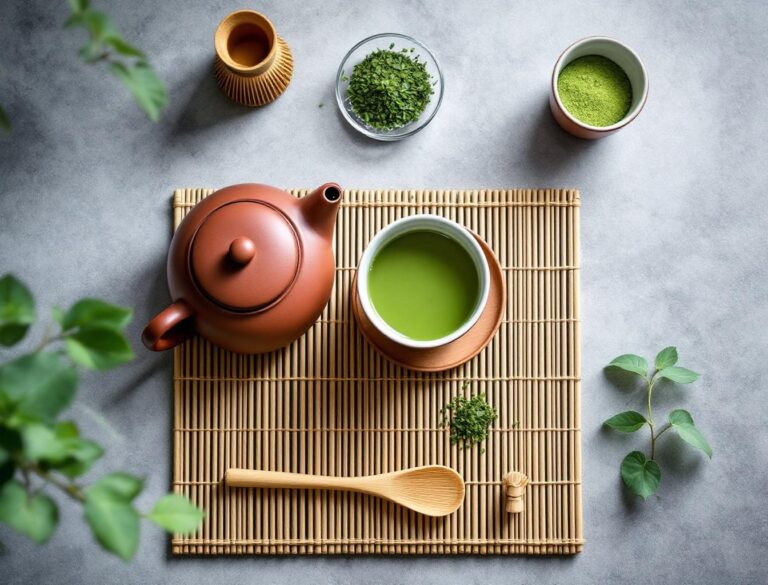
If you're starting a matcha practice or want to explore the tea ceremony, add a chawan to your setup. Pair it with a chasen (bamboo whisk) and chashaku (tea scoop). Browse our complete Japanese tea sets.
Can You Use Yunomi for Matcha or Chawan for Other Tea?
You can, with limitations. Whisking matcha in a yunomi works if the opening is wide enough to get the chasen moving — some yunomi with a wider mouth are called “matcha yunomi” and marketed for this. A standard cylindrical yunomi is too narrow.
Drinking sencha or hojicha from a chawan isn't wrong, but it's awkward — the tea cools quickly in the wide bowl and you tend to serve more than intended. Some people enjoy the experience for the aesthetics, but it's not practical for everyday use.
Frequently Asked Questions
Do yunomi come in sets?
Yes — yunomi are commonly sold in sets of two (for couples, called meoto yunomi) or sets of four to six. Matching sets from a single production batch ensure consistent sizing and glaze.
What size chawan do I need?
For standard matcha preparation, a chawan that holds 300-400ml and has an opening diameter of at least 10cm is ideal. If you have large hands, go wider.
Are yunomi microwave safe?
Most ceramic yunomi are microwave safe, but check for any metallic glazes or gold trim — these are not microwave safe.
What's the difference between a yunomi and a teacup?
A Western teacup has a handle and often a matching saucer. A yunomi has no handle and no saucer. The handle-free design is deliberate — cradling the cup in both hands is part of the Japanese tea ritual.
Can I use my chawan for soup or rice?
Yes. Chawan means “tea bowl” but is also used for rice bowls and small soups. A matcha chawan is on the larger side for a rice bowl, but it works.
What clay is best for yunomi?
Tokoname clay is especially popular for yunomi — the iron-rich clay is said to smooth the taste of tea by binding with tannins. Porcelain yunomi from Arita or Hasami are also excellent, with a cleaner aesthetic.