Hojicha Powder: Lattes, Baking, and Culinary Applications
Last updated: April 2026
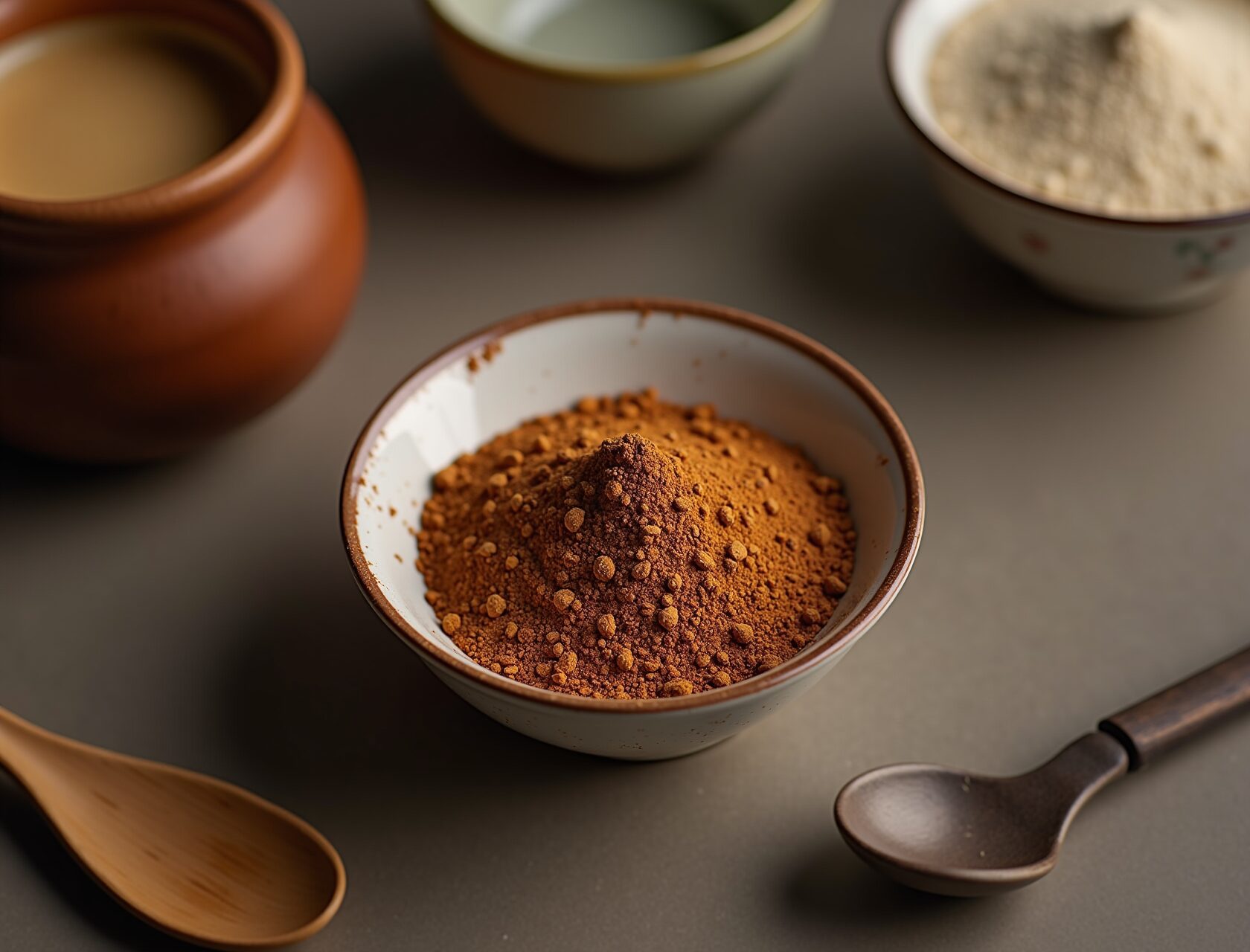
Hojicha powder is hojicha (焙じ茶 — roasted Japanese green tea, typically made from bancha or sencha leaves) ground to a fine powder, processed the same way as matcha. This changes how you use it: instead of steeping and discarding the leaves, you dissolve the powder directly into liquid, consuming the whole leaf. The culinary applications that open up from this are significant — everything from lattes to ice cream to risotto — because the powder integrates into other ingredients in ways loose-leaf tea can't. For a closer look, explore our Miyazaki organic hojicha powder (Best for: lattes, baking, ice cream, and savory culinary applications).
Key Takeaways
- Hojicha powder suspends in liquid rather than dissolving — the slurry method (powder mixed with a small amount of hot water first) is the most reliable way to prevent clumping in lattes and hot drinks.
- According to established tea chemistry research (2024), hojicha‘s roasting process at 160–220°C causes caffeine sublimation, reducing caffeine content by approximately 60–70% compared to unroasted green tea — making it one of the lower-caffeine culinary tea powders.
- In baking, hojicha powder functions like cocoa powder: it distributes through dry ingredients, colors the final product a warm brown, and adds toasted, caramel-adjacent flavor without altering moisture balance at a 10–15% flour substitution ratio.
- Hojicha‘s Maillard-derived roasted flavor compounds make it genuinely effective in savory applications — risotto, spice rubs, and pasta sauce — where most unroasted teas would not work.
- Store at room temperature in an airtight container; avoid refrigeration, which causes condensation and irreversible clumping.
This guide covers the practical side: how powder behaves differently from loose-leaf hojicha, how to prepare it properly, and specific culinary applications — both sweet and savory — where hojicha powder produces the best results.
How Does Hojicha Powder Differ from Loose-Leaf Hojicha?
| Feature | Hojicha Powder | Hojicha Loose Leaf |
|---|---|---|
| Composition | Whole leaf/stem finely ground | Whole or broken leaves/stems for steeping |
| Preparation | Dissolved/suspended in liquid — entire leaf consumed | Steeped and discarded — water-soluble compounds only |
| Nutrient intake | All compounds: fiber, fat-soluble nutrients, full catechin content | Water-soluble compounds only (most catechins, theanine) |
| Caffeine per cup | ~15–25mg (higher because whole leaf consumed) | ~7–15mg (extraction only) |
| Best use | Lattes, baking, ice cream, sauces, confections | Traditional hot tea, cold brew |
| Water temperature | 80–95°C | 93–100°C |
| Shelf life (opened) | 2–3 months | 3–6 months |
The key difference is total compound intake. Loose-leaf brewing extracts the water-soluble fraction and leaves everything else behind. Powder delivers the entire leaf — including fiber and any fat-soluble compounds that don't extract well in water. According to Hara (2001, Green Tea: Health Benefits and Applications), the roasting process that creates hojicha fundamentally alters tea's chemical composition, reducing caffeine and transforming aromatic compounds through thermal reactions — producing a flavor and composition profile distinctly different from unroasted green teas. For most culinary purposes, this means a more intense flavor and a slightly higher overall nutrient profile, at the cost of a slightly shorter shelf life and more attention to mixing technique (powder clumps if added incorrectly).
What Tools Do You Need to Prepare Hojicha Powder?
The four main tools for preparing hojicha powder are a bamboo whisk (chasen), handheld frother, blender, and sealed shaker — each suited to different preparations. Hojicha powder doesn't dissolve; it suspends. Unlike sugar or salt, you're working with fine plant particles that need to be evenly dispersed rather than dissolved. The tool you use determines how smooth and lump-free the result is.
Bamboo Whisk (Chasen)
The traditional method. A chasen (茶筅 — a handcrafted bamboo whisk used in Japanese tea ceremony and preparation) creates the finest, silkiest micro-foam through its rapid M-shaped or W-shaped whisking motion against the bottom of the bowl. Use a wide, flat vessel (a matcha chawan, or Japanese tea bowl, or a similar shallow bowl) rather than a deep mug — the width gives the whisk room to move.
After use: rinse immediately with warm water. Do not soak. Stand the whisk upright or on a whisk holder — this preserves the tine shape. A chasen that dries bent can't produce proper foam.
Handheld Frother
Fast, practical, and the most common everyday tool. A handheld frother disperses powder quickly and produces good foam for lattes without the technique required for a chasen. Best approach: add powder to a small amount of hot water (the slurry — see below) first, froth to eliminate clumps, then add to milk.
Blender
The best tool for ultra-smooth results, iced drinks, and recipes where you're incorporating hojicha powder into a larger volume of liquid (smoothies, ice cream base, frappé). The blender's high speed creates a completely uniform suspension without any graininess. For anything going through a blender anyway — a frozen drink, an ice cream base — add the powder at the blending stage rather than pre-mixing.
Sealed Shaker
A mason jar, cocktail shaker, or protein shaker bottle. Add powder and liquid, seal, shake hard. Works well for iced drinks and travel situations where you don't have other tools. Not as smooth as a blender or chasen for hot applications, but functional for cold drinks where you'll strain or the temperature hides minor graininess.
What Is the Slurry Method and Why Does It Matter?
The slurry is a small, concentrated mixture of hojicha powder and hot water prepared before adding to milk or a larger volume of liquid — it is the single most reliable technique for preventing clumping in any hot hojicha drink. For any hot drink — latte, drinking chocolate, warm dessert application — start with a slurry rather than adding powder directly to milk or a large volume of water. The slurry eliminates clumping before it becomes a problem.
Slurry ratio: 3–4 grams of hojicha powder to 40ml of hot water (80–90°C). Whisk or froth this small volume until smooth before adding to milk or other liquid. This concentrated paste disperses evenly when diluted — clumps that form in a small volume are easy to break up; clumps that form in 200ml of milk are not. Keeping the slurry water below boiling also preserves hojicha‘s roasted aromatic compounds — according to Komes et al. (2010, Food Research International), higher water temperatures increase extraction of catechins and tannins, which can add unwanted astringency even in a roasted tea.
How Do You Make a Hojicha Latte?
A hojicha latte is made by whisking hojicha powder into a hot-water slurry, then combining with steamed or cold milk — it is the most versatile application for the powder and works with any milk type. The fat in dairy and oat milk produces better foam and a richer mouthfeel that complements the toasty notes particularly well.
- Make the slurry: 3–4g powder + 40ml hot water (85°C), whisked smooth
- Steam or heat 180–200ml milk to approximately 65°C for a hot latte, or use cold milk for an iced version
- Pour the slurry into the cup first, then add the milk
- Sweeten if desired — brown sugar or maple syrup work best; their caramel notes amplify hojicha‘s toasty character rather than competing with it
For an iced latte: make the slurry with hot water, then pour over ice, then add cold milk. Don't skip the hot-water slurry step even for cold drinks — it eliminates clumps that would otherwise persist through the cold preparation.
How Do You Use Hojicha Powder in Baking?
In baking, hojicha powder functions like cocoa powder: it distributes through dry ingredients and disperses into wet ingredients during mixing, coloring the final product a warm brown and imparting a roasted, nutty flavor — making top hojicha powders especially valuable for consistent results.
Hojicha Chiffon Cake
A chiffon cake (a light, airy sponge made with vegetable oil and whipped egg whites rather than butter) uses a meringue for its characteristic springy, open crumb — the whipped whites provide lift that a standard butter cake can't achieve. Hojicha powder integrates into the dry ingredients and colors the batter a warm tan.
Key technique notes:
- Use a tube pan (with a center tube) — the tube allows even cooking through the center and gives the batter a surface to cling to as it rises. Without it, the cake sinks under its own weight.
- Do not grease the pan — the ungreased surface is intentional, giving the batter purchase to climb as it rises.
- When folding the meringue into the batter, use 2–3 tablespoons of cream of tartar per egg white volume to stabilize the meringue to stiff peaks before folding.
- Standard substitution ratio: replace 10–15% of the flour weight with hojicha powder for pronounced flavor without significantly altering texture.
Hojicha Tiramisu
Tiramisu's core flavor — espresso-soaked ladyfingers, mascarpone cream — is built around bitterness and acidity from coffee. Hojicha replaces this with roasted, slightly sweet, non-bitter notes that interact with mascarpone differently. The result is a softer, less sharp dessert with a warm toasted quality rather than espresso's bright acidity.
Preparation: Brew a concentrated hojicha (3–4g powder to 100ml water, whisked) as the soaking liquid. Dip ladyfingers briefly — not soaking them as you would with espresso, since hojicha is less dense and absorbs faster. The mascarpone layer remains unchanged.
The substitution is essentially 1:1 for espresso in most tiramisu recipes, though you may want to add a small amount of brown sugar to the soaking liquid to compensate for espresso's natural bitterness providing counterpoint to the sweet mascarpone.
No-Churn Hojicha Ice Cream
No-churn ice cream (whipped cream base with sweetened condensed milk) doesn't require a machine and produces creamy results when executed correctly. Hojicha powder integrates cleanly at the mixing stage.
Technique note on smoothness: Use alcohol-based vanilla extract rather than vanilla paste or no vanilla. The alcohol lowers the freezing point slightly, which inhibits large ice crystal formation — the primary cause of icy rather than creamy texture in no-churn preparations. Dissolve the hojicha powder in a tablespoon of hot water first (mini-slurry), then cool before folding into the whipped cream base. Standard ratio: 3–4 teaspoons of hojicha powder per 500ml of cream.
What Are the Best Savory Uses for Hojicha Powder?
Hojicha powder works well in risotto, as a dry spice rub for proteins, and in tomato-based pasta sauces — its Maillard-derived roasted flavor compounds integrate naturally with savory cooking in a way most teas cannot. The Maillard reaction (a thermal chemical reaction between amino acids and reducing sugars that produces brown color and roasted aromatic compounds) is the same process responsible for flavor in browned meat, roasted vegetables, and dark beer. This makes hojicha genuinely useful in savory contexts where unroasted teas would taste out of place.
Hojicha-Infused Risotto
Stir 1–2 teaspoons of hojicha powder into the arborio rice at the toasting stage — before adding the first ladle of stock. The powder coats the grains and the sustained heat of risotto cooking integrates the flavor throughout. The starch released from the rice during cooking binds the hojicha into a cohesive, creamy texture. The resulting risotto has a slightly nutty, toasted character that works well with mushrooms, aged cheese, or as a base for roasted root vegetables.
Spice Rub for Proteins
Mix hojicha powder with salt, black pepper, and a small amount of brown sugar to create a dry rub. The powder's roasted aromatic compounds amplify and develop further when applied to the surface of proteins during high-heat cooking. Particularly effective on salmon — a 1:1 ratio of hojicha powder to brown sugar with salt creates a glazed crust as the sugar caramelizes.
Tomato-Based Pasta Sauce
Add 1 teaspoon of hojicha powder per 400g of tomatoes (canned or fresh) early in the cooking process. The long simmer softens any astringency from the residual catechins and integrates the earthy, roasted notes into the sauce's complexity. Works best in sauces with meat or mushrooms rather than light, fresh preparations where the tea would compete with brightness.
How Should You Store Hojicha Powder?
Store hojicha powder at room temperature in a tightly sealed, airtight container away from heat and light — and avoid refrigeration, which causes condensation and irreversible clumping. Hojicha powder is more shelf-stable than unroasted teas (the roasting drives off the volatile compounds most susceptible to oxidation), but it still degrades without proper storage conditions.
- Store in a cool, dark place — a kitchen cupboard away from heat sources
- Do NOT refrigerate — the temperature differential when taking the container in and out causes condensation. Moisture is the enemy of powder: it clumps irreversibly and accelerates degradation
- Seal tightly after each use — exposure to air oxidizes the compounds and flattens the flavor
- Use within 2–3 months of opening — after this the roasted aromatics fade and the powder loses the toasty depth that makes it interesting
- Unopened: approximately 1 year from production date
Signs of degraded powder: flat or stale-smelling when you open the container (fresh hojicha powder has a distinct roasted, slightly caramel aroma), clumping even before contact with moisture, or a pale, yellowish-brown color rather than the warmer, uniform brown of fresh powder.
Which Hojicha Product Form Should You Choose?
For cooking and baking, hojicha powder is the most versatile form. The market also includes hojicha extract and syrup — the comparison below identifies which form fits which use case.
| Product Form | What It Is | Best For | Limitations |
|---|---|---|---|
| Hojicha Powder (ground whole leaves) | Finely ground roasted tea leaves — full leaf consumed | Baking, lattes, savory cooking, ice cream, any recipe where powder integrates into dry ingredients | Requires slurry technique to prevent clumping; shorter shelf life than extract |
| Hojicha Extract (concentrated liquid) | Water-based concentrate of hojicha flavor compounds | Cold drinks, ice cream flavoring, applications where powder texture would be a problem; grab-and-go lattes | Fewer whole-leaf compounds than powder; less suitable for baking where powder distribution matters |
| Hojicha Syrup (pre-sweetened liquid) | Hojicha flavor in a sugar syrup base | Café-style sweetened drinks, drizzles over desserts | Pre-sweetened — not suitable for savory cooking or baking where sweetness needs to be controlled independently |
For cooking and baking, powder is the most versatile form. For grab-and-go lattes where you just need flavor quickly, extract is convenient. Syrup is the most restricted in application.
Frequently Asked Questions
Is hojicha powder the same as hojicha matcha?
No — “hojicha matcha” is a marketing term, not an accurate product description. Hojicha powder is finely ground roasted Japanese green tea; matcha is a separate product made from shade-grown, stone-ground tea leaves processed by an entirely different method. Some products labeled “hojicha matcha” simply mean hojicha in powder form intended for use the way you'd use matcha. The flavor profiles are entirely different: matcha is grassy and umami-forward; hojicha powder is toasty, smoky, and caramel-adjacent.
Can I just blend hojicha powder into a smoothie without making a slurry first?
Yes — when using a blender, add the powder directly without a slurry step. The blender's mechanical power disperses it evenly without pre-mixing. The slurry step is only necessary for manual preparation methods (chasen, frother) where there isn't enough mechanical force to break up clumps that form in a larger volume of liquid.
How does hojicha powder affect baked goods compared to matcha powder?
The primary differences are flavor and color: hojicha powder adds toasted, caramel-adjacent, non-bitter flavor and a warm brown color, while matcha adds grassy, slightly bitter, umami flavor and a green color. In terms of flavor register, hojicha is closer to cocoa powder — though the actual taste is distinct. Hojicha is significantly more accessible to people who find matcha‘s bitterness or grassiness challenging. In baking chemistry, the substitution is typically 1:1 by weight.
What milk works best in a hojicha latte?
Full-fat dairy milk produces the best results — richest flavor, best foam, and strongest amplification of hojicha‘s caramel notes. Oat milk is the best non-dairy option: it foams well and has a natural sweetness that pairs cleanly with hojicha‘s toasted character. Almond milk is thinner and sweeter but functional. Soy milk works, though its assertive natural flavor can compete with the tea. Regardless of milk type, the most important variable is heating temperature — don't exceed 65–70°C or the proteins denature and the texture becomes thin and watery.
How much hojicha powder per serving for cooking vs. drinking?
For drinking (latte): 3–4g per cup (roughly 1.5–2 teaspoons). For baking: 10–15% substitution of flour weight — a 200g-flour recipe would use 20–30g of hojicha with flour reduced correspondingly. For savory applications: start with 1–2 teaspoons per serving and adjust — hojicha‘s flavor is assertive enough that more isn't always better in savory contexts where you're looking for background complexity rather than hojicha as the dominant note.