Best Japanese Teapot 2026: Kyusu, Tetsubin, and Glass Compared
There is no single “best” Japanese teapot — there's the best teapot for your tea, your habits, and your kitchen. Three distinct teapot types dominate Japanese tea culture: the clay kyusu, the cast iron tetsubin, and the glass teapot (most commonly Hario). Each excels in different scenarios and serves different teas better. This guide breaks down every meaningful comparison so you can make the right call.
The Three Teapot Types at a Glance
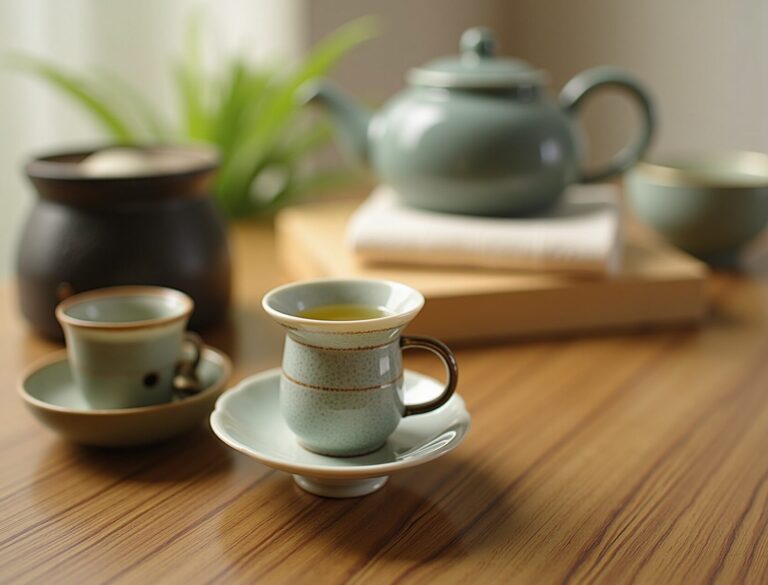
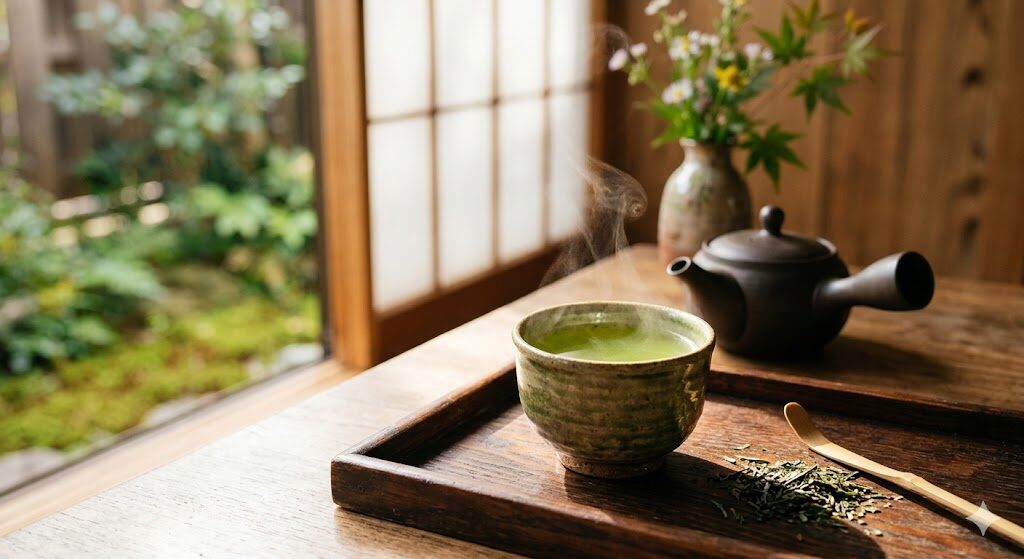
Clay Kyusu: The traditional Japanese brewing pot, made from clay (most commonly Tokoname iron-rich clay or Banko yaki purple clay). Small, designed specifically for loose leaf green tea. The standard for sencha, kabusecha, gyokuro, genmaicha, and hojicha.
Cast Iron Tetsubin: Japanese cast iron kettle, traditionally used to boil water. Modern versions are often enamel-lined teapots that brew tea directly — beautiful, with excellent heat retention, suited for robust teas like hojicha and bancha.
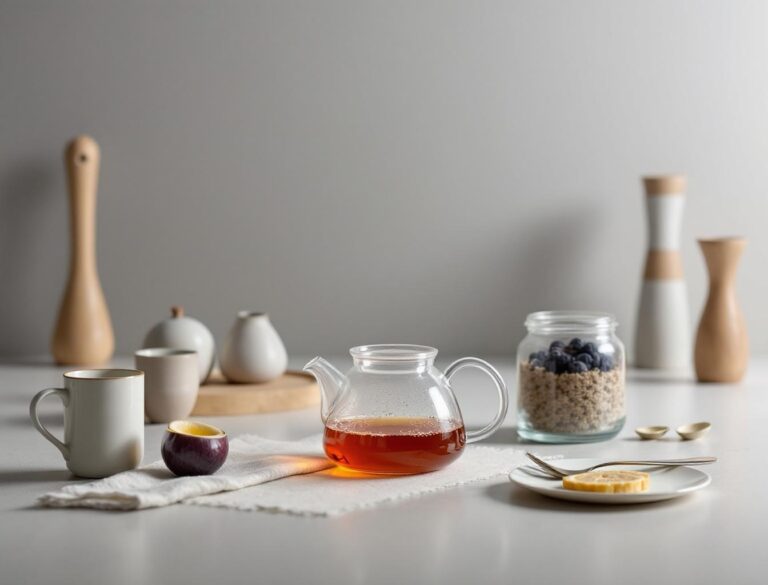
Glass Teapot (Hario): Borosilicate glass teapots, pioneered in Japan by Hario. Completely neutral, visually beautiful (you watch the tea brew), versatile for all teas. Particularly popular for showcasing flowering teas, herbal blends, and any tea where color is part of the experience.
Best for Japanese Green Teas: Clay Kyusu
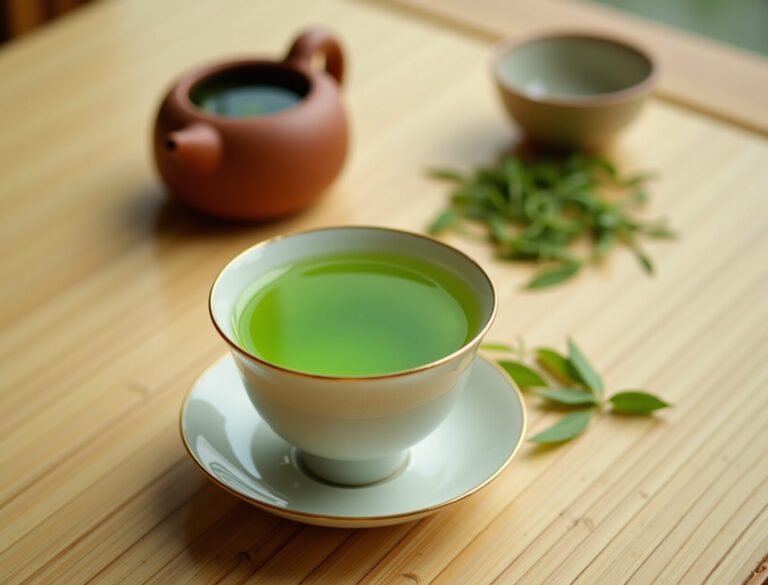
Sencha, kabusecha, gyokuro, and genmaicha are best brewed in a clay kyusu — specifically Tokoname clay. Here's why:
- The iron-rich clay actively interacts with tea, binding with tannins and softening astringency
- The small volume (200-400ml) is appropriate for the small, concentrated servings Japanese green teas are designed for
- The seasoning that builds up over hundreds of brews enhances every subsequent cup
- Fine ceramic strainers integrated into the pot handle fine Japanese leaves well
Top recommendation: A quality Tokoname kyusu in the 200-300ml range, made from red Tokoname clay with a grid or ball strainer appropriate for the teas you'll brew. Shop our Tokoname kyusu collection.
Best for Hojicha and Bancha: Cast Iron or Large Kyusu
Hojicha and bancha are robust, tolerant of higher temperatures, and often brewed in larger quantities. Cast iron teapots (enamel interior) work well here:
- Excellent heat retention keeps hojicha at drinking temperature through multiple cups
- Larger capacity suits serving guests
- The aesthetic matches the earthy, rustic character of these teas
A back-handle (ushirode) kyusu in a larger size (500-600ml) is an equally valid choice for these teas. Cast iron adds ceremony; a large kyusu maintains the traditional brewing approach.
Best Visual Experience: Glass Teapot
If watching the tea brew is part of your enjoyment — the unfurling of leaves, the color developing in the water — a Hario glass teapot is unbeatable. Borosilicate glass is completely flavor-neutral, easy to clean, and allows you to gauge brew strength visually.
The Hario Chacha Kyusu Maru (round glass teapot) is particularly popular for its elegant shape and quality glass. It's designed specifically for Japanese tea with an appropriate strainer for loose leaf use.
Glass teapots are especially well-suited for: hojicha (beautiful amber color), sencha (bright green), flowering teas, any tea where the visual is important to the experience. View our Hario glass teapot selection.
The Best Japanese Teapots in 2026
Best Everyday Kyusu: Tokoname Clay Side-Handle (200-250ml)
The workhorse of Japanese tea brewing. A mid-size Tokoname side-handle kyusu with a fine ceramic ball strainer is the correct choice for anyone who primarily drinks green Japanese teas. Price range: $45-$80 for excellent everyday quality. Available in our shop.
Best for Beginners: Hario Filter-in Bottle or Small Glass Kyusu
For someone just starting Japanese tea who isn't ready to commit to a clay pot with specific care requirements, a simple Hario glass teapot with infuser is forgiving, beautiful, and easy to use. Easy to clean, no seasoning required, works immediately out of the box. Price range: $25-$45.
Best for Hojicha: Cast Iron Teapot (400-600ml)
A cast iron teapot (enamel-lined interior) in the 400-600ml range keeps hojicha hot through a full session, looks beautiful on a tea tray, and handles the robust flavor of roasted green tea very well. Price range: $40-$100.
Best Investment: Artisan Tokoname Kyusu
If you're committed to Japanese tea practice and want a pot to use for 20+ years, an artisan-made Tokoname kyusu from a named potter is worth the investment. Handmade pieces have better clay quality, better strainer fit, and develop a more distinctive seasoning. Price range: $100-$500+.
Side-by-Side Comparison Table
| Feature | Clay Kyusu | Cast Iron Teapot | Glass Teapot |
|---|---|---|---|
| Best for | Green teas, gyokuro, sencha | Hojicha, bancha, robust teas | Any tea, visual brewing |
| Heat retention | Medium | Very high | Low-medium |
| Flavor impact | Yes (clay-tea interaction) | Minimal (enamel lining) | None (fully neutral) |
| Care complexity | Moderate (no soap, seasonal) | Low-moderate | Easy (dishwasher safe) |
| Price range | $40-$500+ | $40-$150 | $25-$80 |
| Aesthetic | Traditional, tactile | Bold, decorative | Modern, clean |
What to Buy Based on Your Situation
- You primarily drink sencha or kabusecha: Tokoname kyusu, 200-250ml range
- You primarily drink hojicha: Cast iron teapot or large kyusu
- You're new to Japanese tea: Hario glass teapot — low maintenance, versatile
- You want one pot for everything: Hario glass teapot or ceramic kyusu with wide opening
- You're buying as a gift: Hario glass teapot + a set of teas — beautiful presentation, minimal learning curve
Browse our complete Japanese teapot collection with options across all three styles.
Frequently Asked Questions
What size teapot should I buy?
For 1-2 people: 200-300ml kyusu or 400ml glass teapot. For 3-4 people: 400-600ml of any style. Japanese teas are typically served in small cups (100-150ml), so a 200ml kyusu serves 2 cups per infusion.
Can I use a clay kyusu for hojicha?
Yes, but dedicate it to hojicha rather than mixing with delicate green teas. A kyusu used for roasted hojicha will develop seasoning specific to that tea's flavors.
Is a Hario glass teapot good for daily use?
Excellent. Hario's borosilicate glass is durable for regular use, the glass is inert so it never affects flavor, and most models are dishwasher safe. The main care consideration is not dropping it.
Do expensive teapots make better tea?
For clay kyusu, yes — to a point. Higher-quality clay and better craftsmanship do produce better seasoning and more consistent brewing. For glass teapots, the quality distinction is primarily in glass thickness and build quality, which affects durability more than flavor.