Best Teapot for Sencha: Clay, Glass, or Stainless Steel?
Best Teapot for Sencha: Clay, Glass, or Stainless Steel?
Sencha is Japan's flagship green tea — bright, grassy, slightly astringent, with a clean savory finish. It's also one of the most temperature-sensitive teas to brew: too hot and it's harsh, too long and it's bitter, in the wrong vessel and the delicate flavor gets muted or distorted. Your teapot choice matters more with sencha than with almost any other tea. This guide cuts through the options.
Why Sencha Is Demanding on Teapots
Sencha's flavor compounds are sensitive in ways that make vessel choice consequential:
- High catechin content makes it prone to astringency when brewed hot or long
- Theanine provides sweetness and umami that can be suppressed or enhanced by the brewing vessel
- The grassy, chlorophyll-driven notes are volatile and can be overwhelmed by any mineral off-flavor from the teapot
- The optimal brewing window — 45-60 seconds at 75-80°C — is narrow, so a teapot that pours quickly and completely is essential
A good sencha teapot needs to: hold the right temperature during the brief steep, pour completely and cleanly, and either enhance or not interfere with the tea's natural flavor.
Clay (Tokoname): The Benchmark for Sencha
Among all teapot materials, Tokoname clay is specifically associated with sencha brewing. The connection isn't coincidental — the iron and mineral profile of Tokoname clay from Aichi Prefecture demonstrably reduces tannin extraction, making sencha taste smoother and less astringent than it does brewed in neutral vessels.
How it works: The iron in unglazed Tokoname clay binds with catechins and tannins, reducing their presence in the finished cup. The result is a rounder, softer, less sharp version of the same tea — closer to what first-flush sencha tastes like from a specialty café than what most home cooks achieve with generic equipment.
Best Tokoname features for sencha:
- Multiple small clay holes (sasame filter) rather than a single hole or stainless insert
- 200-300ml capacity for 1-2 person brewing (smaller volume = more concentrated, more flavor-controlled steeps)
- Lid fit that allows you to invert without spillage
- Thin walls for responsive heat behavior
Other clay options: Banko ware (Mie Prefecture) is a purple clay with exceptional heat retention — more versatile than Tokoname and better suited to hojicha, bancha, and genmaicha than to delicate sencha. Hagi ware (Yamaguchi Prefecture) is softer and more porous, prized for the patina it develops over time, but its porosity means a Hagi pot should be dedicated to one tea type only. New clay pots benefit from seasoning: brew 3-5 batches of inexpensive tea through a new pot in the first week before using your best sencha — this builds a tea film that improves the pot's flavor character over time.
Recommended for: Daily sencha drinkers who want the best possible cup and are willing to hand wash and care for the pot.
Shop Tokoname kyusu: shop.alldayieat.com/product/tokoname-kyusu/
Glass: The Honest Option
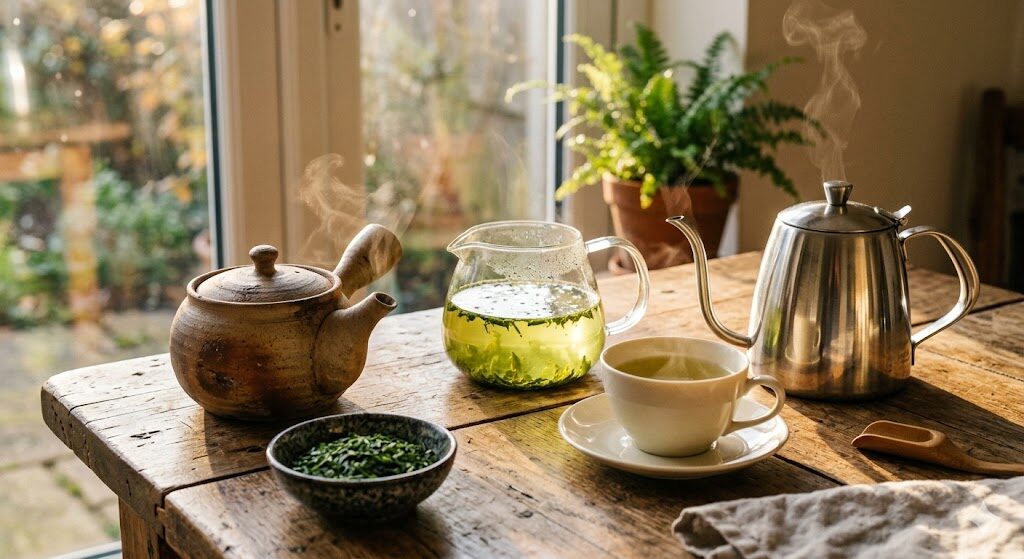
Borosilicate glass is chemically inert — it contributes nothing to the tea's flavor, positive or negative. What you taste in glass is exactly what the leaves produce. For sencha tasters who want to assess the tea itself without any clay influence, glass is the right choice.
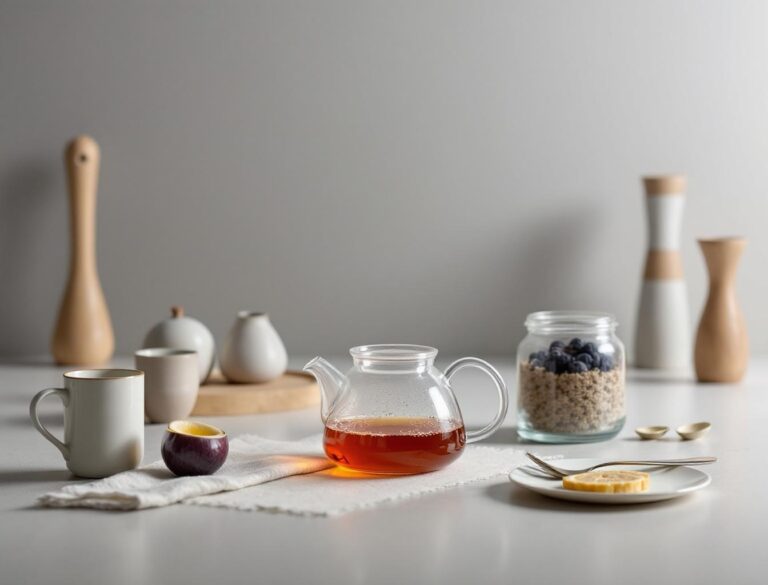
Hario glass teapots are the standard here. The Chacha Kyusu Maru or Otto series both work well for sencha. The key practical advantage of glass for sencha is visual: you can watch the pale green color deepen during steeping and pull the tea at exactly the moment you want. This makes it easier to develop intuition for the right steep time than brewing in opaque clay.
Recommended for: Beginners developing their sencha palate, multi-tea households, cold brew sencha (glass goes straight to the refrigerator), or anyone who wants to taste sencha without external influence.
Shop Hario glass teapots: shop.alldayieat.com/product/hario-glass-teapot/
Stainless Steel Kyusu
Stainless steel teapots exist at the practical end of the market — durable, dishwasher-safe, and consistent. For sencha, stainless performs neutrally (similar to glass) without glass's fragility. The main appeal is maintenance: stainless steel can be cleaned aggressively, doesn't require oiling, and doesn't break if dropped.
Limitations for sencha: Stainless steel conducts heat more aggressively than clay or glass, which can cause slight over-extraction at the edges of the pot if the steep time is long. For short sencha steeps (45-60 seconds), this is a minor issue. Also less aesthetically satisfying than clay or glass for a tea that deserves a considered presentation.
Recommended for: Practical brewers who prioritize durability and convenience over aesthetics or the clay-enhancement effect.
Cast Iron: Better Suited to Other Teas
Modern cast iron teapots (tetsu kyusu) almost always have an enameled interior and are used as brew-in-place vessels rather than heated directly — that distinguishes them from traditional tetsubin kettles. Their strength is heat retention: tea stays hot far longer than in glass or thin clay, and they're visually dramatic on a table. For sencha specifically, that's not much of an advantage — the steep is short and precision matters more than staying-power — so cast iron is a better match for longer, hardier steeps like hojicha, bancha, or genmaicha. Expect $40-150 for solid cast iron, more for authentic Nambu ironware; weight (400-600g empty) and rust-prevention care are the tradeoffs.
What About Porcelain?
Glazed porcelain kyusu are mostly neutral — the glaze prevents clay interaction with the tea. They're beautiful and traditional, but offer no flavor advantage over glass and no enhancement of the kind Tokoname provides. Good all-purpose choice, especially for gifting and for households where multiple tea types are brewed.
Quick Decision Guide
- Best flavor from sencha every day: Tokoname clay, 200-250ml
- Most versatile for all teas: Hario glass
- Most durable for low-maintenance households: Stainless steel
- Best gift for a sencha drinker: Tokoname clay with signed artisan mark
Frequently Asked Questions
- Does the teapot really change how sencha tastes?
- Yes, measurably. Blind tasting comparisons consistently find that the same sencha brewed in Tokoname clay tastes less astringent and smoother than the same tea brewed in glass. The difference is more pronounced with higher-quality sencha where tannin levels are higher. For a budget sencha, the effect is smaller.
- How small should a sencha teapot be?
- 200-300ml is the sweet spot for 1-2 people. Sencha is brewed in multiple short steeps — typically 3-4 from one measure of leaves. A small pot means each steep is concentrated and flavorful. Larger pots are fine for groups but require more leaves to maintain the right leaf-to-water ratio.
- What's the ideal water temperature for sencha?
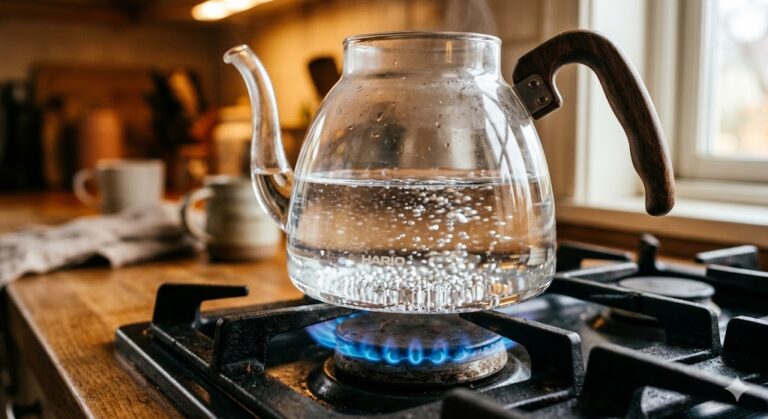
- 75-80°C. This is below boiling — you need either a temperature-controlled kettle or the patience to let just-boiled water cool for 5-6 minutes. This step alone has more impact on sencha quality than teapot choice. If you brew sencha with boiling water, even the best Tokoname pot won't save you from bitterness.
- Can I use my sencha teapot for hojicha too?
- In a glass or stainless teapot, yes without issue. In a Tokoname clay kyusu, it's technically possible but not recommended — the absorbed flavors of roasted hojicha can gradually affect the sencha character. Dedicated pots for different teas is the traditional approach for serious tea drinkers.
- Should my first teapot be clay or glass?
- Glass is the better first teapot for most people — versatile, easy to clean, works for any tea, and lets you watch the brew while you learn steep times. Once you've settled on sencha as your daily tea, add a Tokoname pot dedicated to it.