Summer Tea Collection: Cold Brew and Iced Japanese Tea
Cold-brewed Japanese tea is one of the most underrated summer drinks available. Unlike iced versions of coffee or Western tea that require hot brewing followed by dilution over ice, Japanese teas — especially green teas — cold brew brilliantly, producing smooth, clean, naturally sweet-tasting drinks with no bitterness. This guide covers which teas to cold brew, how to do it well, and the tools that make the process effortless.
Why Japanese Tea Cold Brews Better Than Other Teas
Cold water extracts different compounds from tea than hot water. Specifically:
- Catechins and tannins (the bitter, astringent compounds) extract poorly from cold water. You get far less bitterness.
- Theanine (the amino acid that creates sweetness and umami) extracts readily from cold water. More sweetness, more savory depth.
- Caffeine extracts slightly less from cold water, making cold brew slightly lower in caffeine than hot brewing.
Japanese teas — particularly sencha, gyokuro, kabusecha, and genmaicha — contain high levels of theanine from being grown in shade or from the specific cultivars used. Cold brewing amplifies this theanine character while suppressing bitterness. The result tastes naturally sweet and mellow, with no added sugar needed.
Best Japanese Teas for Cold Brewing
Sencha
The most accessible and versatile cold-brew tea. Sencha cold-brewed overnight produces a pale yellow-green liquid with a clean, mildly grassy character and a surprising natural sweetness. Use a higher leaf ratio than hot brewing — about 2 teaspoons per 200ml — and steep for 6–8 hours in the refrigerator.
Gyokuro
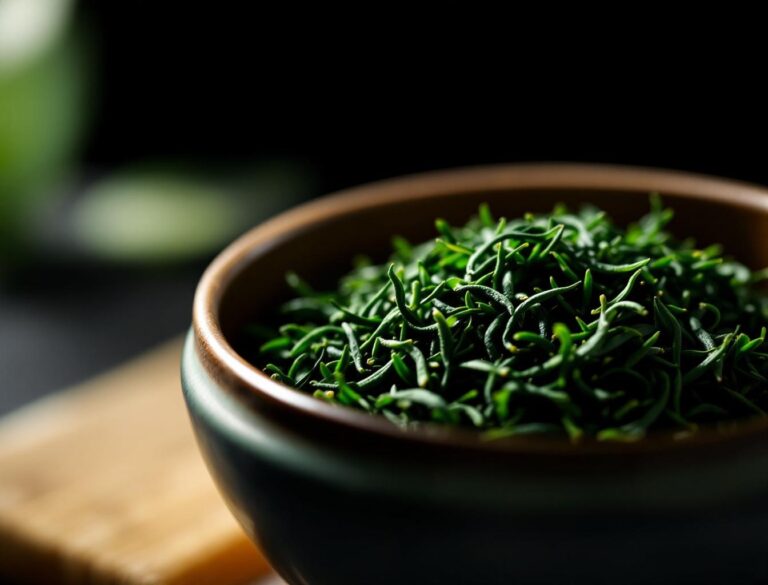
Gyokuro cold brew is a revelation. This premium shade-grown tea, which can be sharp and intense when brewed hot, becomes one of the most umami-rich and sweetest cold beverages available. Steep 2 tablespoons of gyokuro leaves in 200ml cold water for 2–4 hours. The result is thick, savory, and deeply green — unlike anything else.
Kabusecha
Partially shade-grown like gyokuro but lighter, kabusecha cold brews beautifully and sits between sencha and gyokuro in intensity. It's often more affordable than gyokuro, making it an excellent daily cold-brew option when you want that shade-grown sweetness without the premium price.
Genmaicha
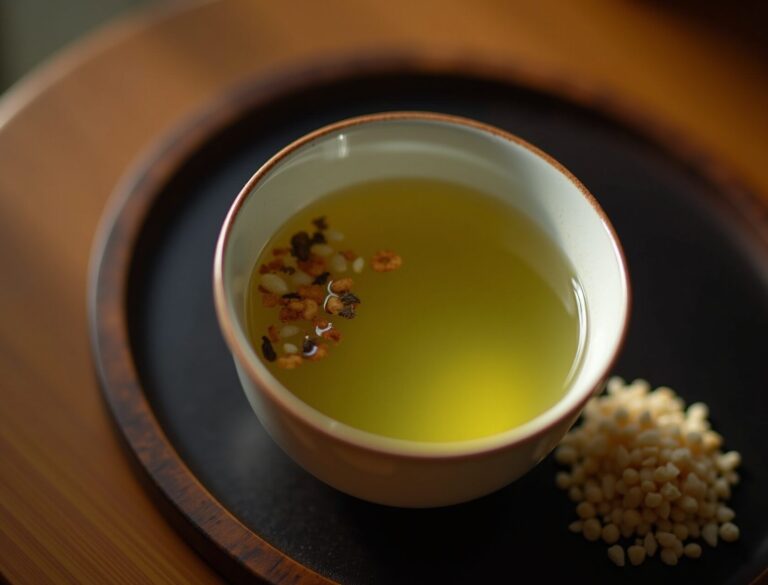
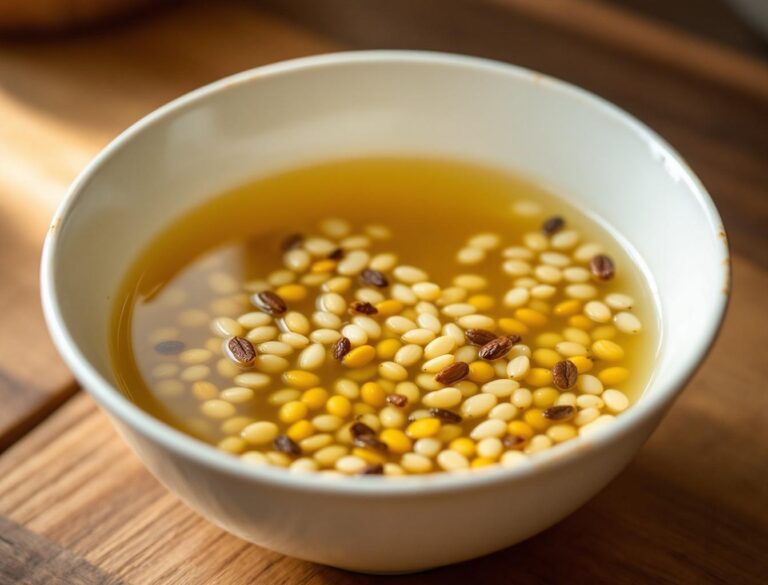
Cold-brewed genmaicha produces a lightly toasty, savory-sweet drink with the green tea character balanced by the roasted rice. The flavor is milder cold than hot but extremely drinkable. The visual is also lovely — pale golden with flecks of rice floating in the glass vessel.
Hojicha
Iced hojicha is slightly different from cold brew — the roasted nature of hojicha means a brief hot brew followed by quick chilling over ice preserves more of the roasted aroma. True cold-brewed hojicha is lighter and more subtle. Both work; the quick-chill method preserves more aromatic intensity.
Cold Brew Methods
Refrigerator cold brew (mizudashi): The most common method. Add loose leaf tea to a glass pitcher or Hario glass teapot, add cold water, refrigerate for 6–8 hours. Strain and serve. No fuss, excellent results, produces the smoothest tea.
Room temperature cold brew: Steep at room temperature for 2–3 hours instead of refrigerating overnight. Faster, but the tea needs to be consumed immediately and doesn't keep as well. Some teas (genmaicha, hojicha) work better at room temperature.
Ice pack method: Fill the teapot infuser with leaves, pack ice around and below the leaves (or in the pot), and let ice melt slowly over the leaves. Very slow, very smooth, produces exceptional gyokuro.
Iced tea (hot then chilled): Brew hot at slightly lower temperature (70–80°C) at double strength, then pour immediately over a glass full of ice. Best for hojicha and genmaicha where you want to preserve roasted aromas that cold brewing doesn't fully extract.
Equipment for Summer Cold Brew
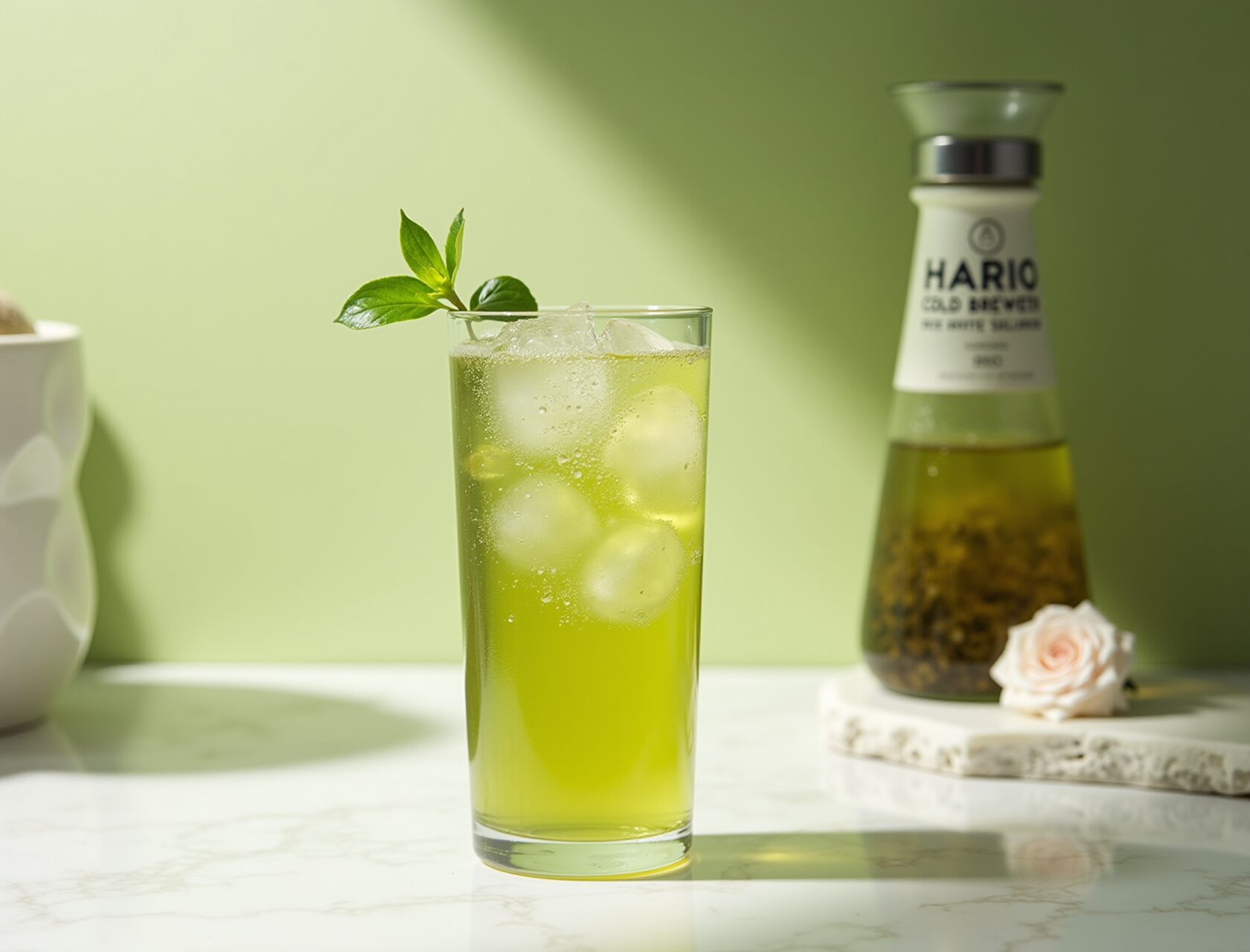
Hario glass pitcher or cold brew bottle: Hario makes dedicated cold brew tea bottles with built-in strainers — the tea leaves go in the strainer, cold water fills the bottle, and after steeping you simply remove the strainer without any mess. These are specifically designed for mizudashi tea and work beautifully.
Glass kyusu: Your standard Hario glass teapot doubles as a cold brew vessel. Fill the infuser, fill with cold water, lid on, straight into the refrigerator. The glass lets you monitor the brew color.
Fine mesh strainer: If you're using a pitcher without a built-in strainer, a fine stainless mesh strainer set over the serving glass produces clean, sediment-free cold brew.
Browse our summer tea collection at shop.alldayieat.com/product/cold-brew-tea/.
Serving Ideas
- Straight over ice in a clear glass — let the color be visible
- With a slice of lemon for sencha cold brew (brightens the flavor without overpowering it)
- As an iced hojicha latte — dilute hojicha cold brew with equal parts cold oat milk
- In cocktails — cold-brewed sencha works beautifully with gin and light citrus
- As a base for summer shaved ice (kakigori) flavoring
Frequently Asked Questions
- How long does cold-brewed Japanese tea keep?
- 2–3 days refrigerated. Cold brew made at low temperatures without hot steeping is more stable than hot-brewed tea. Keep it covered in the refrigerator and drink within 3 days for best flavor.
- Can I cold brew any Japanese tea?
- Most Japanese green teas cold brew well. The technique is less suited to heavily oxidized teas (oolong, black tea) but works for all Japanese green teas, hojicha, and genmaicha. The cold water extracts the best compounds from Japanese green tea specifically.
- Is cold-brewed Japanese tea lower in caffeine?
- Slightly. Cold water extracts caffeine less efficiently than hot water, so cold brew typically contains 10–20% less caffeine than the same tea brewed hot. The difference is real but modest — cold-brewed sencha still contains caffeine.
- How much tea do I use for cold brew?
- More than hot brewing — roughly 1.5–2x the amount. For hot sencha you might use 1 teaspoon per 150ml; for cold brew, use 2 teaspoons per 150ml. The longer, cooler extraction needs more leaf to achieve comparable strength.
- Does cold-brewed Japanese tea taste different from iced Japanese tea?
- Yes, noticeably. Cold-brew is smoother, sweeter, and lower in bitterness because the cold water never fully extracts the bitter catechins. Hot-brewed iced tea (brewed hot then chilled) has more complexity and more of the tea's roasted or grassy notes — which is often desirable for hojicha. Choose based on what you want to emphasize.