Hario Tea Cup Guide: Clear Glass vs Traditional Yunomi
The cup you drink from shapes the tea experience more than most people realize. Temperature retention, the weight in your hand, whether you can see the tea's color — all of these affect how much you enjoy each session. Hario makes beautiful glass tea cups that present Japanese tea like a jewel in your hand. This guide compares them to traditional yunomi and helps you choose what's right for your collection.
Hario Glass Tea Cups: What's Available
Hario produces several glass cup styles designed for tea:
| Cup Type | Capacity | Double Wall? | Best For |
|---|---|---|---|
| Single-wall glass cup | 200–240ml | No | Cold tea, iced tea |
| Double-wall glass cup | 150–240ml | Yes | Hot tea, insulation |
| Hario Cha Cha Mug | 300ml | No | Pour-over directly into cup |
| Yunomi-style glass | 150–200ml | Varies | Traditional Japanese portions |
Double-Wall Glass: The Engineering Behind the Experience
Hario's double-wall glass cups have two layers of borosilicate glass with a vacuum or air gap between them. This insulation does two critical things:
- Keeps hot tea hot for 15–20 minutes longer than single-wall glass
- Keeps the exterior comfortable to hold — no burning your fingers even with 90°C green tea inside
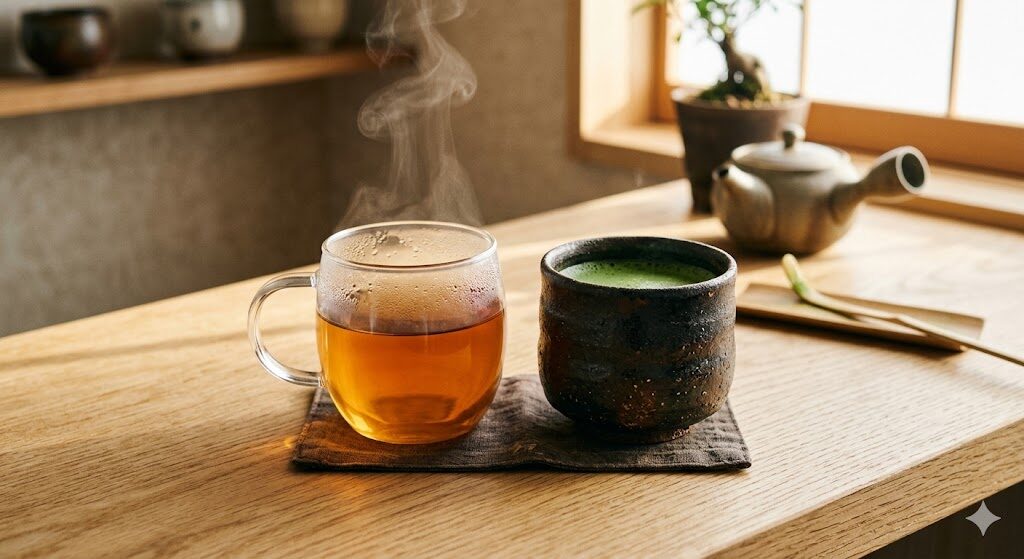
The visual effect is striking: when you fill a double-wall cup with amber hojicha, the liquid appears to float suspended in the glass. This effect is especially dramatic with deeply colored teas like hojicha, genmaicha, and kabusecha.
Single-Wall Glass: Ideal for Cold Tea and Visual Impact
Single-wall glass cups transfer cold directly to your hand, which is pleasant in summer. They're also lighter, cheaper, and have a simpler, more classic appearance. For cold-brewed teas — overnight genmaicha, hojicha cold brew — single-wall glass is the right choice.
The main limitation: single-wall glass cups become uncomfortable to hold with hot tea above about 75°C. This limits their use for hojicha, which is often brewed at 90–95°C.
Traditional Yunomi: What You Give Up and Gain
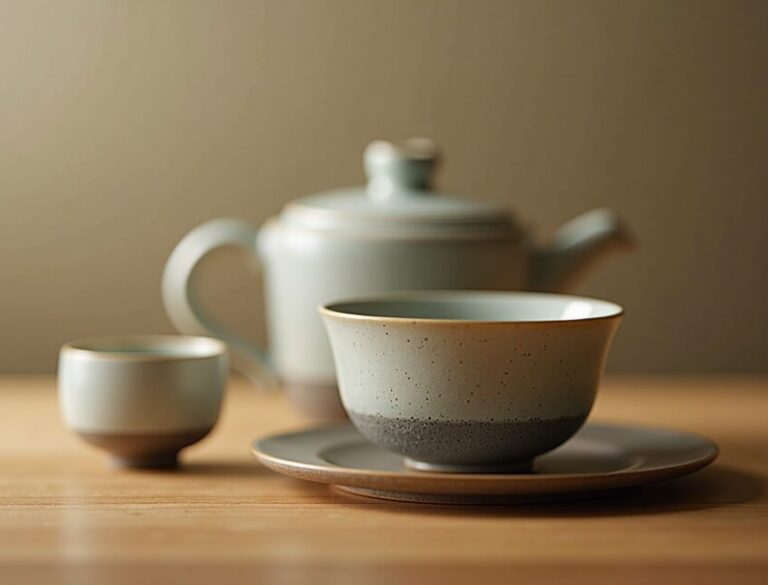
Yunomi are the classic Japanese ceramic tea cups — cylindrical, slightly rough-textured, sized for 150–200ml. They've been used for daily Japanese tea drinking for centuries. Here's how they compare:
| Factor | Hario Glass Cup | Traditional Yunomi |
|---|---|---|
| Heat retention | Double-wall: good; Single: moderate | Excellent — ceramic holds heat |
| Visual experience | Full color transparency | None — opaque |
| Weight in hand | Very light | Heavier, more tactile |
| Dishwasher safe | Yes (borosilicate) | Usually yes (check glaze) |
| Tea staining | Rinses clean easily | Unglazed stains; glazed stays clean |
| Price range | $8–$20 each | $15–$80+ each |
| Aesthetic | Modern, minimalist | Traditional Japanese craft |
The Right Cup for Each Tea
Match the cup to the tea for the best experience:
- Hojicha — double-wall glass cup; the amber color glows beautifully through the glass, and the insulation keeps the tea warm longer
- Genmaicha — either glass or yunomi; glass highlights the golden color; yunomi feels more traditional
- Kabusecha — glass shows off the deep jade color dramatically; use a smaller cup (150ml) to appreciate each pour
- Bancha — casual ceramic yunomi; this is everyday tea, and the utilitarian feel suits it
- Cold brew tea — single-wall glass, no question; the cold transfers pleasantly to your hand
Sizing: Japanese vs Western Tea Cup Volumes
Standard Japanese tea cups (yunomi, glass) are 150–200ml — much smaller than Western mugs. This is intentional: Japanese tea culture emphasizes frequent small pours rather than one large cup. The smaller volume keeps each pour at optimal temperature and encourages multiple steeps from the same leaves.
If you're used to Western-style mugs and want to maintain that habit, Hario's 300ml Cha Cha Mug bridges both worlds.
Browse Hario glass tea cups here
Building a Complete Hario Glass Tea Set
A coordinated Hario glass set creates a beautiful table presentation:
- Hario Chacha Kyusu Maru 450ml (teapot)
- Two Hario double-wall glass cups 150ml (for sharing)
- Hario Yuzamashi 300ml (water cooling vessel)
This combination handles every aspect of proper Japanese tea service and looks excellent as a gift set for anyone getting into Japanese tea culture.
Frequently Asked Questions
Are Hario glass tea cups dishwasher safe?
Yes — Hario borosilicate glass cups are dishwasher safe. Place them on the top rack to minimize vibration risk. Double-wall cups should be checked occasionally for water ingress between the walls, which can cloud the glass over time in the dishwasher.
How big is a standard Japanese tea cup in ml?
Traditional Japanese tea cups (yunomi) hold 150–200ml. This is much smaller than a Western coffee mug (350–500ml). Japanese tea practice involves multiple small pours from the same leaves rather than one large cup.
What is the difference between a yunomi and a chawan?
A yunomi is a tall cylindrical cup used for everyday tea — green tea, hojicha, genmaicha. A chawan is a wide, shallow bowl used specifically for matcha in the tea ceremony. They're not interchangeable.
Do double-wall glass cups break easily?
Hario's borosilicate double-wall cups are more durable than they look. The main risk is dropping them on a hard floor — the double-wall construction is actually structurally stable under normal thermal use. Treat them with the same care as any quality glassware and they last for years.
What is the best Hario cup for hojicha?
The Hario double-wall glass cup in 200–240ml is ideal for hojicha. The insulation keeps the tea at drinking temperature longer, and hojicha's amber color looks spectacular through the clear double-wall construction.