Best Hojicha Powder: Top Picks for Lattes and Baking
Last updated: April 2026
Hojicha powder is the most versatile form of Japan's beloved roasted green tea. Whisk it into hot milk for a latte that tastes like toasted caramel. Fold it into cookie dough, cake batter, or cream cheese frosting. Mix it into a morning smoothie for a caffeine-gentle start to the day. Unlike matcha powder, hojicha is deeply approachable — low bitterness, naturally sweet, and forgiving in both temperature and technique.
- Hojicha powder is a stone-ground roasted Japanese green tea with a caramel, toasty flavor and very low bitterness — far more approachable than matcha.
- The roasting process reduces caffeine significantly — roughly 60–70% compared to unroasted green tea — making hojicha suitable for afternoon and evening use.
- Culinary, barista, and premium grades serve different purposes; choosing the right grade is the most important buying decision.
- Hojicha powder dissolves completely in liquid — unlike loose leaf — making it ideal for lattes, baked goods, smoothies, and ice cream.
- Store in an airtight, opaque container and use within 3 months of opening for best flavor.
But not all hojicha powders are equal. Culinary-grade, ceremonial-grade, and barista-specific powders perform very differently. This guide tells you which to choose and why.
🍵 New to hojicha? Take our 60-second quiz: Find Your Perfect Japanese Tea
Get a personalized recommendation — plus a discount code for your first order.
What Is Hojicha Powder?
Hojicha powder is a finely stone-ground Japanese roasted green tea — the same concept as matcha, but made from roasted rather than shade-grown leaves. The roasting process (typically at 160–220°C) generates pyrazines — flavor compounds responsible for hojicha's signature caramel, toasty taste — while also driving off a substantial portion of caffeine through sublimation (Hara, 2001, Green Tea: Health Benefits and Applications).
Important distinction: hojicha powder is NOT the same as finely-cut hojicha loose leaf. Powder dissolves completely into liquid; loose leaf must be strained. For lattes and baking, powder is the correct format.
What Should I Look for When Buying Hojicha Powder?
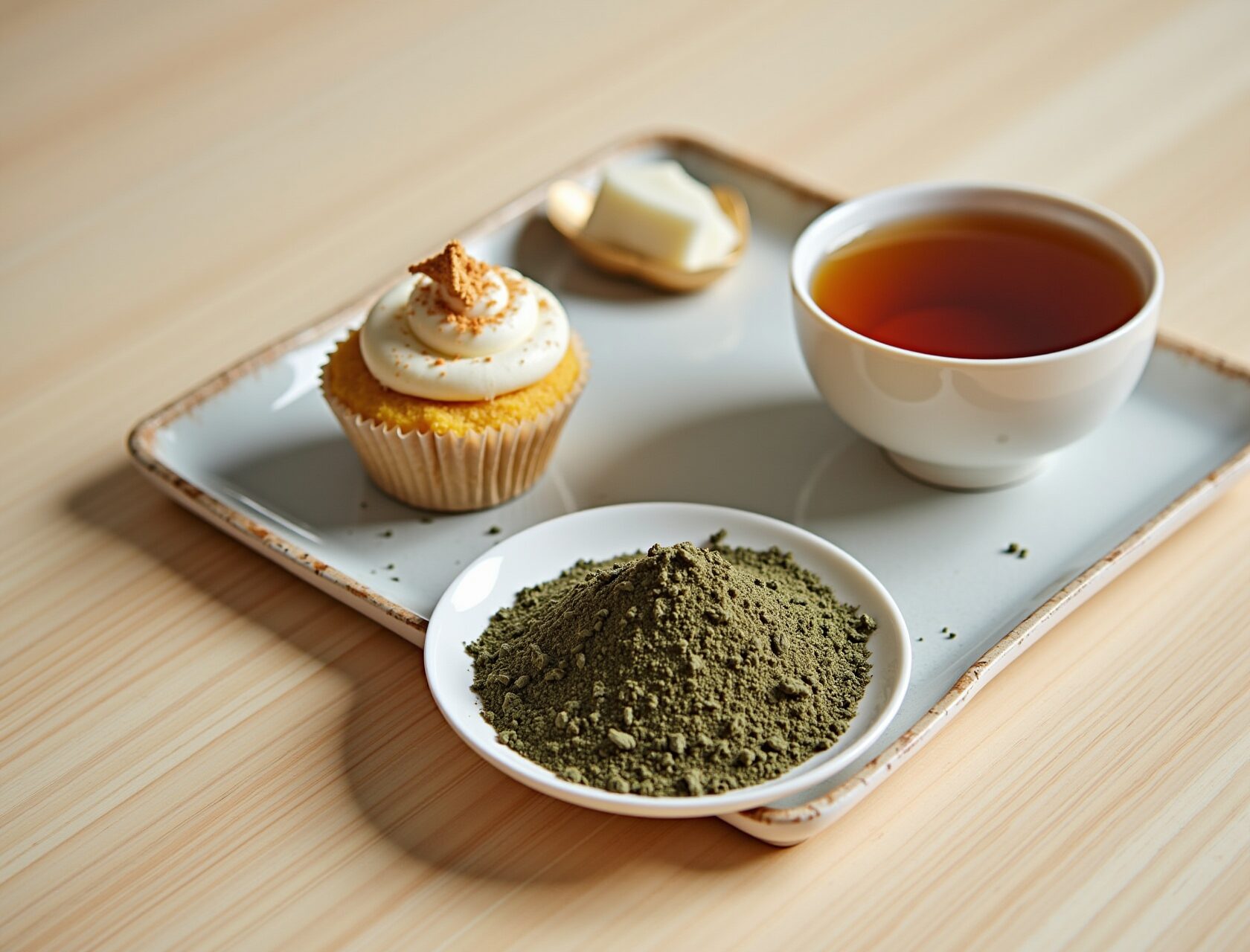
The best hojicha powder has a rich reddish-brown color, silky-fine grind, strong roasted aroma, and comes from Japan — particularly regions like Kyoto, Miyazaki, or Shizuoka. Use the table below as a buying checklist.
| Factor | What to Look For | Impact |
|---|---|---|
| Color | Rich reddish-brown, uniform | Indicates good roast depth and freshness |
| Grind fineness | Silky-fine, not gritty | Dissolves smoothly in milk and batters |
| Aroma | Strong roasted, caramel, earthy | More aroma = more flavor in applications |
| Origin | Japan (Kyoto, Miyazaki, Shizuoka) | Authentic flavor profile; quality consistency |
| Leaf grade | Stems/stalks vs leaves | Stem-based hojicha has distinct roasted sweetness |
| Packaging | Resealable, airtight, opaque | Preserves freshness; roasted oils oxidize quickly |
Which Grade of Hojicha Powder Do I Need?
Culinary Grade
Best for: cookies, cakes, mochi, ice cream, chocolate, and any recipe involving heat or competing ingredients. Culinary-grade hojicha powder has higher moisture tolerance, a slightly coarser grind, and robust flavor designed to hold up in baking where heat and competing ingredients dilute the tea's subtlety.
Look for: strong roasted aroma, deep brown color, affordability (larger quantities for cooking use).
Barista / Latte Grade
Best for: café-style lattes, iced hojicha drinks, and any milk-based preparation. Finely ground for smooth dispersion in hot and cold milk without clumping. Some brands add creamers or sweeteners — avoid these if you want to control sweetness yourself. A good barista-grade hojicha powder dissolves with a small whisk or milk frother without visible particles.
Look for: very fine texture, strong aroma, dissolves cleanly in milk at 65°C.
Drinking / Premium Grade
Best for: traditional preparation whisked with hot water and sipped straight. Stone-ground from top-quality hojicha leaves, premium grade offers the most nuanced flavor at the highest price. The subtlety is lost in baking — reserve this grade for drinking.
Browse our hojicha powder selection
How Do I Make a Hojicha Latte with Powder?
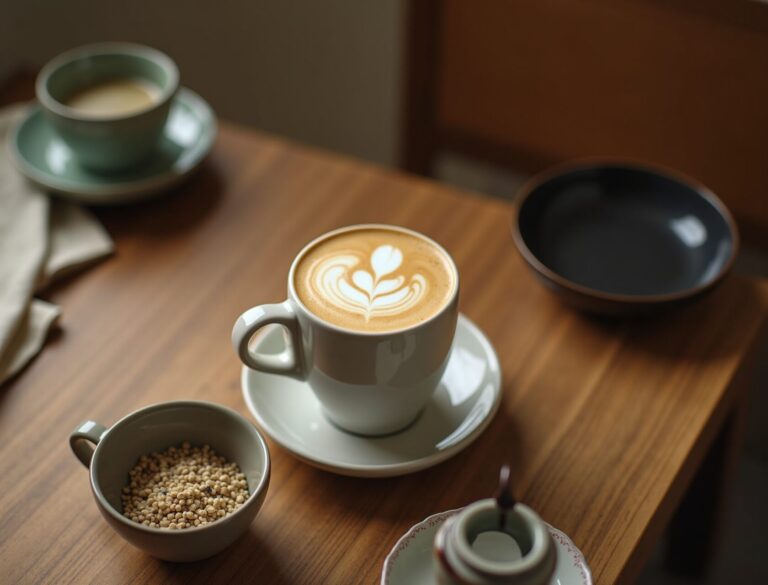
To make a hojicha latte, whisk 2–3 teaspoons of powder with a small amount of hot water into a smooth paste first, then pour in frothed milk. The paste step prevents clumping and is the single most important technique tip.
- Add 2–3 teaspoons of hojicha powder to your cup or frother
- Add 2 tablespoons of hot water (85–90°C) and whisk into a smooth paste
- Steam or heat 200ml of milk to 65°C
- Froth milk until foamy
- Pour frothed milk over the hojicha paste
- Optional: sweeten with honey or simple syrup
The paste step is key — hojicha powder mixed with water first disperses evenly into milk. Pouring milk directly onto dry powder causes clumping.
How Much Hojicha Powder Should I Use for Baking?
For most baking applications, use 2–4 tablespoons of hojicha powder per standard batch, substituting it for an equal portion of flour. The table below gives specific ratios by application.
| Application | Hojicha Powder Amount | Notes |
|---|---|---|
| Cookies (1 dozen) | 2–3 tablespoons | Replace equal amount of flour |
| Cake (9″ round) | 3–4 tablespoons | Add with dry ingredients |
| Cream cheese frosting | 1–2 tablespoons | Sift to prevent lumps |
| Ice cream (1 quart) | 3–4 tablespoons | Mix into custard base |
| Smoothie (one serving) | 1 teaspoon | Blend completely |
| Mochi (8 pieces) | 2 tablespoons | Mix into rice flour before cooking |
How Does Hojicha Powder Compare to Matcha Powder?
Hojicha and matcha are both finely ground Japanese teas, but they differ fundamentally in flavor, caffeine level, color, and ideal use cases. Hojicha is roasted and caramel-forward; matcha is shade-grown and grassy-umami. According to tea chemistry research, hojicha roasted at 160–220°C loses approximately 60–70% of its caffeine via sublimation — the primary reason hojicha has a fraction of the caffeine of matcha (Multiple sources / Tea chemistry consensus, 2024, Established tea science).
| Property | Hojicha Powder | Matcha Powder |
|---|---|---|
| Caffeine (per serving) | ~7mg | ~35mg+ |
| Bitterness | Very low | Moderate to high |
| Flavor profile | Roasted, caramel, earthy | Grassy, vegetal, umami |
| Color | Warm brown | Bright green |
| Forgiveness in recipes | High — stays mild even when over-measured | Lower — can taste harsh if over-measured |
| Best for | Afternoon/evening use; approachable flavor; those sensitive to bitterness | Morning boost; traditional preparation; vibrant green color applications |
If you find matcha too intense or bitter, hojicha powder is an excellent alternative that works in most of the same applications.
How Should I Store Hojicha Powder to Keep It Fresh?
Store hojicha powder in an airtight, opaque container away from light, and refrigerate after opening. The roasted oils in hojicha oxidize quickly once exposed to air, degrading both aroma and flavor within weeks if stored improperly.
- Store in an airtight container away from light
- Refrigerate after opening (but let it come to room temperature before opening to prevent condensation)
- Use within 3 months of opening for best flavor
- Freeze in small batches if you won't use it quickly
Frequently Asked Questions
What is the best hojicha powder for lattes?
Barista-grade hojicha powder — finely ground, unflavored, and free of added creamers or sweeteners — is the best choice for lattes. Look for a strong roasted aroma and Japanese origin to ensure authentic flavor. Our hojicha powder is sourced from Japan and ground fine enough to dissolve cleanly in hot milk without clumping. See it here.
Can I use loose leaf hojicha instead of powder for baking?
No — loose leaf hojicha doesn't dissolve and leaves a gritty texture in baked goods. You can grind loose leaf hojicha in a spice grinder to create a powder, but the result is coarser than purpose-ground powder and behaves differently in recipes.
Is hojicha powder caffeinated?
Yes, but the caffeine level is much lower than matcha or regular green tea — roughly 5–10mg per serving compared to 35–50mg for matcha. The roasting process drives off a significant portion of caffeine through sublimation, which begins at approximately 178°C (Multiple sources / Tea chemistry consensus, 2024, Established tea science). Many people drink hojicha lattes in the afternoon or evening without sleep disruption.
What does hojicha powder taste like?
Hojicha powder tastes roasted, caramel-like, and slightly woody, with natural sweetness and virtually no bitterness. It's often compared to mugicha (roasted barley tea) or mild coffee in terms of its comforting, toasty character — making it highly approachable for people who find green tea bitter.
How much hojicha powder per latte?
Use 2–3 teaspoons (4–6g) per 200–250ml of milk for a flavorful hojicha latte. Adjust upward for more roasted intensity or downward if you're new to the flavor. Most people settle on about 2 teaspoons as their daily go-to ratio.