Genmaicha Latte Recipe: A Cozy Toasty Drink
Last updated: April 2026
The genmaicha latte is one of those drinks that surprises people who try it for the first time. It's not grassy like a matcha latte or as intensely roasty as a hojicha latte. It's somewhere in the middle — warm, nutty, slightly sweet, with a toasty grain character that pairs beautifully with steamed milk. Deeply satisfying and very easy to make at home.
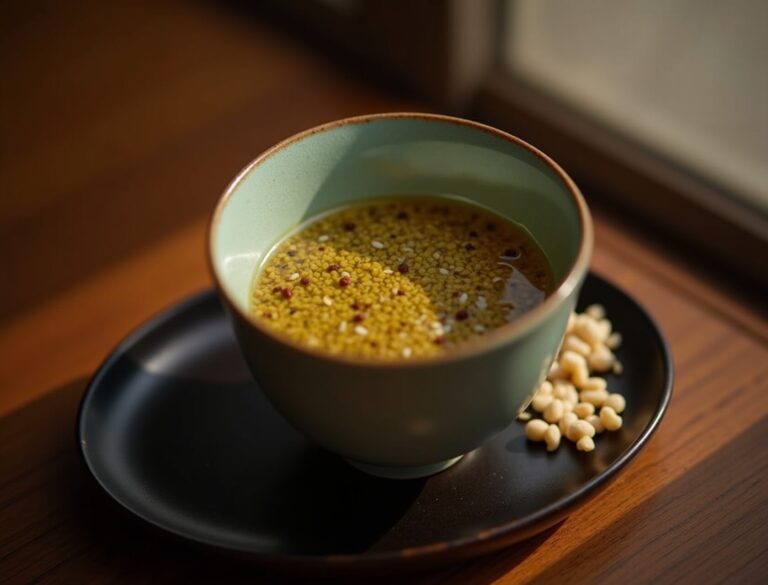
What is genmaicha? Genmaicha (玄米茶) is a traditional Japanese green tea blended with roasted brown rice. According to Heiss & Heiss (2007, The Story of Tea), it originated as a way to stretch expensive tea supplies by adding the nutty, toasty flavor of rice — if you'd like to learn more, you can read our about genmaicha guide.
- Genmaicha has roasted brown rice blended with green tea, originating as a way to make expensive tea more affordable (Heiss & Heiss, 2007, The Story of Tea) — now valued for its toasty flavor and naturally low caffeine.
- A genmaicha latte is extremely low in caffeine (~7–15mg), making it ideal for afternoon or evening drinking without disrupting sleep.
- Brewing at 85°C (185°F) creates a concentrated base that extracts flavor without over-extraction, producing a balanced, less astringent taste (Komes et al., 2010, Food Research International).
- Oat milk is the best pairing for genmaicha — its natural sweetness and grain character complement the roasted rice perfectly.
- The drink occupies a flavor middle ground between matcha (grassy and bitter) and hojicha (intensely roasty), making it approachable for new tea drinkers.
Here's how I make it, plus variations for iced and powder-based versions.
What Do You Need to Make a Genmaicha Latte?
You have two main options for the tea base: loose-leaf genmaicha or genmaicha powder. For most home cooks, loose-leaf is the recommended starting point because it is more widely available and produces a more nuanced flavor.
- Option A: Loose-leaf genmaicha (Best for: traditional, nuanced flavor) — Makes a more traditional, nuanced latte. Requires steeping a concentrate.
- Option B: Genmaicha powder (Best for: speed and convenience) — Quicker and more convenient, similar to a matcha latte workflow. Not as widely available as loose leaf.
For most home cooks, the loose-leaf method produces the best results because genmaicha powder isn't widely available. Our loose-leaf genmaicha works beautifully for this recipe, and following the right brewing tips ensures a balanced, flavorful base for your latte.
How Do You Make a Hot Genmaicha Latte?
The hot genmaicha latte starts with a concentrated steep at 85°C — this gives you a bold base that holds its character after milk is added. Follow the steps below for the loose-leaf method.
Ingredients
- 4 grams loose-leaf genmaicha (about 1.5 heaped teaspoons)
- 80ml water at 85°C (185°F)
- 200ml whole milk (or oat milk, which pairs particularly well)
- 1–2 teaspoons honey or simple syrup (optional)
Instructions
- Brew a strong genmaicha concentrate: steep 4 grams of tea in 80ml of water at 85°C for 90 seconds to 2 minutes. This concentrated steep produces a bold, flavorful base that won't get washed out by the milk. Using 85°C rather than boiling water reduces catechin over-extraction and astringency (Komes et al., 2010, Food Research International).
- Strain the tea into your cup or a small measuring pitcher.
- Add sweetener to the hot concentrate and stir to dissolve if using.
- Steam or heat your milk until hot and frothy. If you don't have a steam wand, heat in a small saucepan until nearly simmering, then whisk vigorously or use a handheld milk frother for 30 seconds.
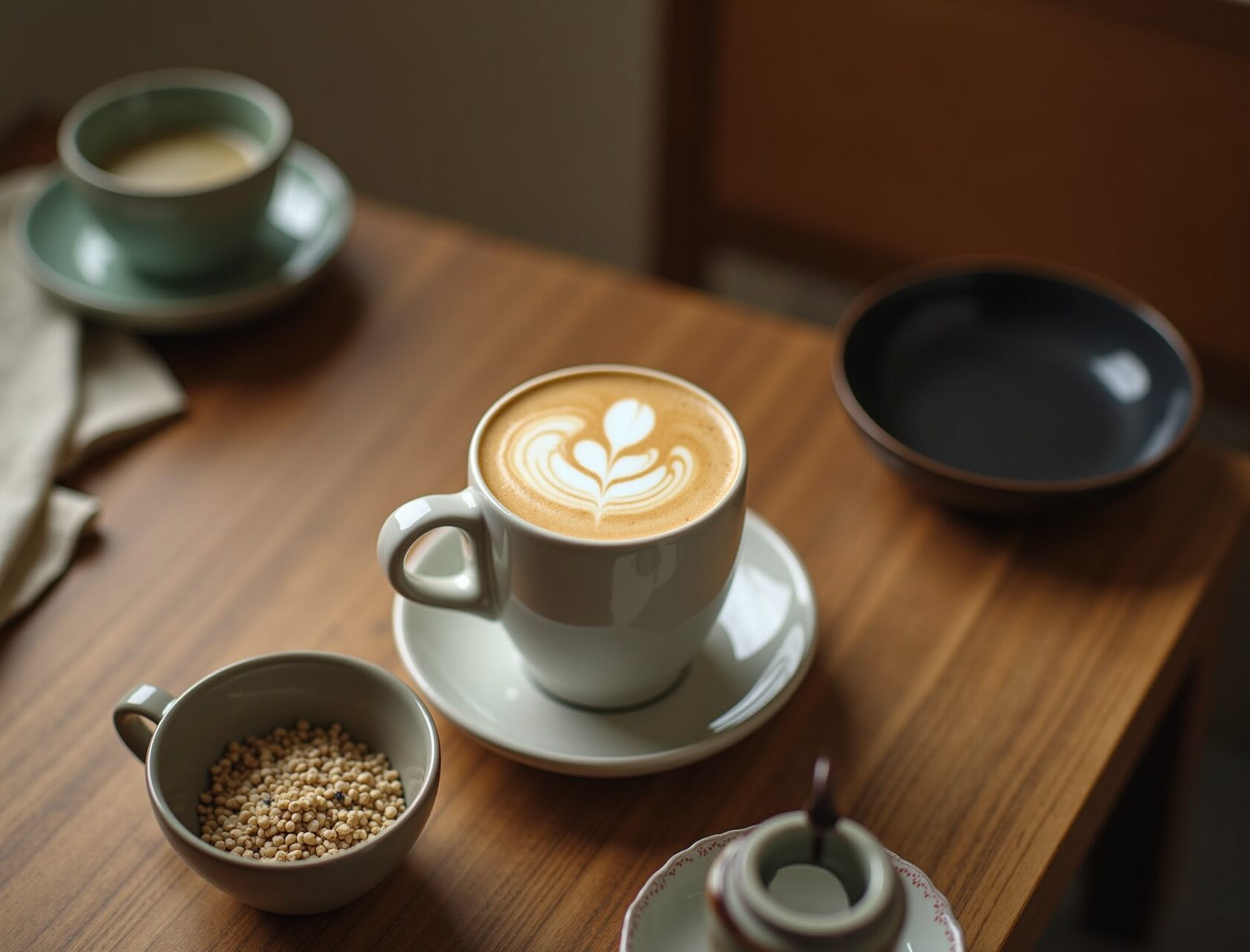
- Pour the steamed milk over the genmaicha concentrate. Hold back some foam with a spoon, then spoon it on top.
- Optionally garnish with a few loose genmaicha leaves or a very light sprinkle of toasted rice.
How Do You Make an Iced Genmaicha Latte?
The iced version follows the same concentrate method but uses a slightly stronger steep to compensate for dilution from ice. The result is a refreshing, nutty drink that works especially well with oat or almond milk.
Ingredients
- 5 grams loose-leaf genmaicha
- 80ml water at 85°C (185°F)
- 150ml cold milk or milk alternative
- Sweetener to taste
- Ice
Instructions
- Brew a strong genmaicha concentrate: 5 grams in 80ml of hot water for 2 minutes. You want it stronger than normal to compensate for dilution from ice.
- Add sweetener to the hot concentrate and stir.
- Let the concentrate cool for 5 minutes or pour over a small amount of ice to flash-cool it.
- Fill a tall glass with ice.
- Pour the cooled concentrate over the ice.
- Top with cold milk. Stir gently.
The iced version has a wonderful refreshing quality — the nutty, toasty character of genmaicha works beautifully cold and pairs well with lightly sweetened oat or almond milk.
Which Milk Works Best for a Genmaicha Latte?
Oat milk is the top recommendation for a genmaicha latte — its natural grain sweetness mirrors the roasted rice in the tea for a cohesive, complementary pairing. That said, other milks each bring something different to the drink:
- Whole dairy milk (Best for: classic, creamy preparation): Classic, creamy, rounds out the toasty character
- Oat milk (Best for: complementing grain-based tea flavors): My personal favorite — the natural sweetness and neutral flavor of oat milk complements genmaicha‘s toasty grain character perfectly, like grain meeting grain
- Almond milk (Best for: adding a complementary nutty dimension): Adds a nutty note that works well with the roasted rice
- Coconut milk, canned full-fat (Best for: rich, dessert-forward lattes): Creates a richer, more dessert-like latte
What Sweeteners Work Best in a Genmaicha Latte?
Honey and simple syrup are the two most versatile choices — honey adds floral depth while simple syrup keeps the flavor clean and neutral. Because genmaicha has natural sweetness from the roasted rice, start with a small amount and adjust to taste:
- Honey (Best for: adding subtle floral notes): Adds floral notes that pair nicely with the toasty character
- Simple syrup (Best for: clean, neutral sweetness): Clean sweetness that doesn't compete with the tea
- Brown sugar syrup (Best for: enhancing roasted character): Adds a light molasses note that enhances the roasted quality
- Maple syrup (Best for: dessert-leaning drinks): A sweeter, dessert-leaning option
Genmaicha Latte vs Hojicha Latte vs Matcha Latte: Which Should You Choose?
The genmaicha latte is the most approachable of the three — lower caffeine than matcha, less intensely roasty than hojicha, and naturally sweeter than both. Use the table below to find the best fit:
| Tea Latte | Flavor Profile | Caffeine Level | Best For |
|---|---|---|---|
| Matcha Latte | Vivid green, slightly bitter, grassy-sweet | High (50–70mg) | Morning energy, ceremonial tea preparation |
| Hojicha Latte | Deep caramel-brown, intensely toasty, almost coffee-like | Very low — roasting at high heat drives off caffeine via sublimation (Tea chemistry consensus, 2024) | Evening drinking, coffee replacement |
| Genmaicha Latte | Warm amber, nutty-toasty with mild green tea character, naturally sweeter | Very low (7–15mg) | Afternoon/evening, all-day comfort drink, new tea drinkers |
The genmaicha latte occupies a nice middle ground — more character and depth than most herbal teas but gentler and sweeter than matcha or hojicha.
Frequently Asked Questions
Can you use genmaicha bags to make a latte?
Yes — tea bags work and produce a serviceable latte, though loose-leaf delivers more nuanced flavor. Use 2 tea bags and steep in a small amount of water (80ml) for 2–3 minutes to make the concentrate. The flavor will be less nuanced than loose-leaf genmaicha but perfectly serviceable for a home latte.
Is a genmaicha latte caffeinated?
Yes, but only lightly — a genmaicha latte made with the proportions above contains approximately 7–15mg of caffeine, which is very low. It's a genuinely good option for people who want a warm, comforting drink in place of higher-caffeine beverages like coffee or other higher-caffeine teas. For reference, brewed green tea contains roughly 29mg of caffeine per 237ml serving (USDA FoodData Central, 2024); dilution into a latte concentrate brings the per-serving caffeine down further.
What does a genmaicha latte taste like?
Warm, nutty, and toasty with a mild, slightly sweet green tea character underneath — that's the defining flavor of a genmaicha latte. The roasted rice gives it a grain quality that works beautifully with milk. It's less sharp than a matcha latte and less intensely roasty than a hojicha latte — an approachable, comforting drink.
Can you froth oat milk for a genmaicha latte?
Yes — barista-grade oat milk froths particularly well and is an excellent match for genmaicha (Best for: complementing grain-based tea flavors). Regular oat milk may not froth as well — look for “barista” or “for coffee” versions if you want proper foam. Alternatively, any oat milk heated and whisked vigorously will give you enough foam for a satisfying latte.
Where does genmaicha come from?
Genmaicha originated in Japan as a practical way to extend costly loose-leaf tea by blending it with toasted brown rice. According to Heiss & Heiss (2007, The Story of Tea), it began as a budget tea and evolved into a widely enjoyed variety prized for its distinctive toasty flavor. It is produced across Japan's major tea-growing regions, with Shizuoka prefecture — which accounts for approximately 40% of Japan's total tea production — among the primary sources (Japan Tea Central Association, 2024).