Hojicha Powder Buying Guide: Barista Grade vs Culinary (2026)
Hojicha powder has quietly become one of the most versatile ingredients in the Japanese tea world. Whether you want to make a silky roasted latte, fold it into baked goods, or whisk up a quick bowl, the right hojicha powder makes all the difference — and the wrong one can turn your latte grainy, bitter, or flat.
This guide breaks down everything you need to know before you buy: the difference between barista-grade and culinary hojicha powder, what stone-ground really means, how to read a label, and which products are worth your money at All Day I Eat Like a Shark.
What Is Hojicha Powder?
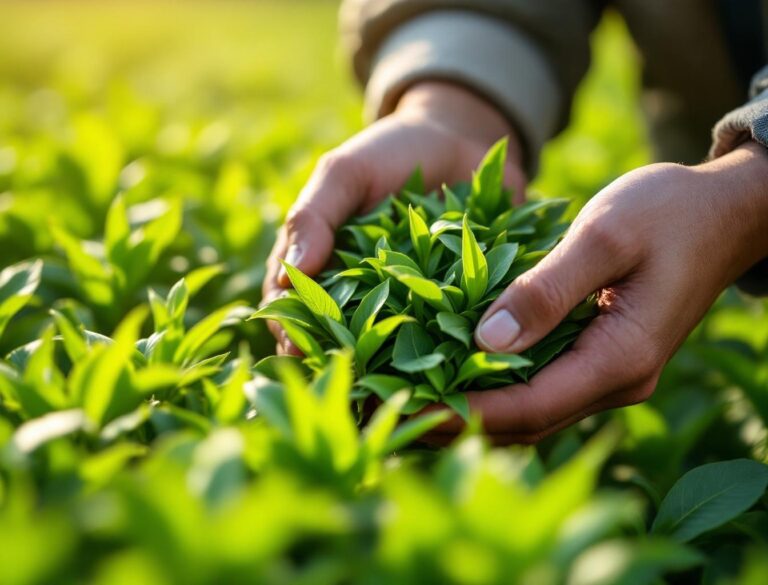
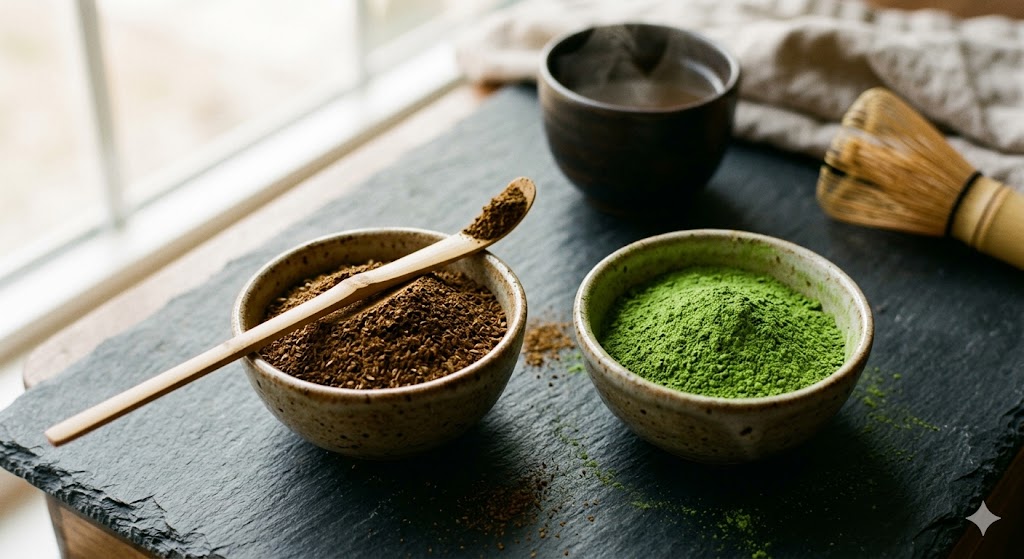
Hojicha powder is finely ground roasted Japanese green tea. Unlike matcha, which is ground from shade-grown leaves, hojicha starts with fully roasted bancha or kukicha stems and leaves. That roasting process creates the signature caramel, nutty, low-bitterness flavor that makes hojicha powder a barista favorite and a baker's secret weapon.
The powder format means it dissolves more easily than loose leaf and infuses directly into liquids, batters, and creams without steeping time.
Barista Grade vs Culinary Grade: What's the Real Difference?
| Feature | Barista Grade | Culinary Grade |
|---|---|---|
| Grind fineness | Extremely fine (5–10 micron) | Medium-fine |
| Suspension in milk | Stays suspended, minimal grittiness | May settle or feel grainy |
| Flavor intensity | Concentrated roast, bright aroma | Milder, more diffuse |
| Best use | Lattes, cold foam, whisked drinks | Baking, ice cream, savory coatings |
| Price per gram | Higher | Lower |
Bottom line: If you're making a hojicha latte or drink where texture matters, barista grade is worth the premium. For baking and cooking where the powder is suspended in fat or batter, culinary grade performs just as well at a lower cost.
What “Stone-Ground” Actually Means
Authentic matcha and premium hojicha powder are ground on slow-moving granite stone mills. This keeps temperature low during grinding, preserving volatile aromatic compounds that would otherwise burn off under high-speed mechanical milling. Stone-ground hojicha powder has a noticeably richer roasted aroma compared to blade-milled versions.
Look for the phrase “石臼挽き” (ishiusu-biki) or “stone ground” on the label. Mass-market culinary powders skip this step — fine for casual baking, but you'll taste the difference in a clean latte.
How to Read a Hojicha Powder Label
- Origin region: Kyoto (Uji) and Miyazaki are premium. Generic “Japan” with no region is often a blended, lower-grade product.
- Base leaf type: Kukicha stem-based hojicha tends to be lighter and sweeter. Bancha leaf-based is more robust and earthy. Both work well as powder.
- Additives: Pure hojicha powder has one ingredient. Avoid anything with maltodextrin, powdered milk, or sugar — those are drink mixes, not pure powder.
- Particle size: Some premium brands state mesh fineness (e.g., 100 mesh, 150 mesh). Higher numbers = finer grind = better suspension.
- Packaging: Nitrogen-flushed or vacuum-sealed tins preserve flavor. Avoid powder sold in clear bags exposed to light.
Hojicha Powder for Lattes: What to Look For
A great hojicha latte requires powder that:
- Dissolves cleanly in hot water before adding milk (don't add powder directly to cold milk)
- Produces a rich caramel-brown color without turning muddy gray
- Delivers roasted sweetness without astringency or bitterness
- Holds texture when steamed milk is poured over (no clumping)
Barista-grade hojicha powder from our shop is optimized for exactly this use case. Whisk 1 teaspoon in 30ml of 80°C water, then pour over steamed oat milk for a café-quality result at home.
Hojicha Powder for Baking
Culinary hojicha powder shines in:
- Cookies and shortbread (substitute 10–15% of flour weight)
- Ganache and chocolate truffles (add to warm cream)
- Pound cake and financiers
- Ice cream and panna cotta
- Savory applications: hojicha-smoked salt, rubs for duck or pork
For baking, you want the lower price point of culinary grade, but still avoid anything with fillers. Pure hojicha powder behaves predictably in recipes; mixed powders do not.
Hojicha Powder vs Hojicha Tea Bags: Which Should You Buy?
| Hojicha Powder | Hojicha Tea Bags / Loose Leaf | |
|---|---|---|
| Convenience | High — no steeping needed | Requires steeping time |
| Versatility | Drinks, baking, cooking | Drinking only |
| Flavor depth | Concentrated | More nuanced, layered |
| Cost | Higher per serving | Lower per serving |
Both belong in a well-stocked Japanese tea pantry. Use loose leaf hojicha for daily drinking and powder for lattes and baking.
Storage: How to Keep Hojicha Powder Fresh
Once opened, hojicha powder oxidizes quickly. Follow these rules:
- Transfer to an airtight, opaque container if the original packaging isn't resealable
- Store in a cool, dark place — not the refrigerator (condensation ruins powder)
- Use within 4–6 weeks of opening for peak flavor
- Keep away from strong-smelling foods; tea powder absorbs odors
Frequently Asked Questions
Is hojicha powder the same as matcha?
No. Matcha is ground from shade-grown tencha leaves and has a grassy, umami-forward flavor. Hojicha powder comes from roasted tea and has a caramel, nutty taste with very low caffeine and no bitterness.
How much caffeine is in hojicha powder?
Hojicha powder contains approximately 7–10mg of caffeine per teaspoon — significantly less than matcha (around 70mg per serving). This makes it a popular evening drink and a good option for caffeine-sensitive drinkers.
Can I make hojicha powder at home?
Technically yes — roast bancha and grind it in a spice grinder. Practically, home-ground powder is much coarser than commercial stone-ground product and will feel gritty in drinks. For lattes, buy proper powder.
What's the best ratio for a hojicha latte?
Start with 1–1.5 teaspoons of barista-grade hojicha powder whisked into 30ml of 80°C water, then add 150–200ml of steamed milk. Adjust to taste — more powder for stronger flavor, longer steeping for milder result.
Is hojicha powder good for you?
Hojicha contains antioxidants, L-theanine, and virtually no caffeine. It's gentler on the stomach than green tea and traditionally consumed after meals to aid digestion. As with any food, moderate consumption as part of a varied diet is the sensible approach.
Ready to stock your pantry? Browse our premium hojicha powder alongside the full hojicha tea collection at All Day I Eat Like a Shark.