Genmaicha Buying Guide: How to Choose the Best Japanese Rice Tea (2026)
Genmaicha is the one Japanese green tea that almost everyone enjoys on the first sip. The toasted rice gives it a savory, nutty warmth that rounds off any green tea bitterness — making it approachable. If you're curious about similar roasted teas, you might also want to explore hojicha vs genmaicha.
But not all genmaicha is created equal. The quality range is enormous, from dusty supermarket blends to single-origin, hand-blended versions that are genuinely exceptional. This guide gives you everything you need to buy well.
What Is Genmaicha?
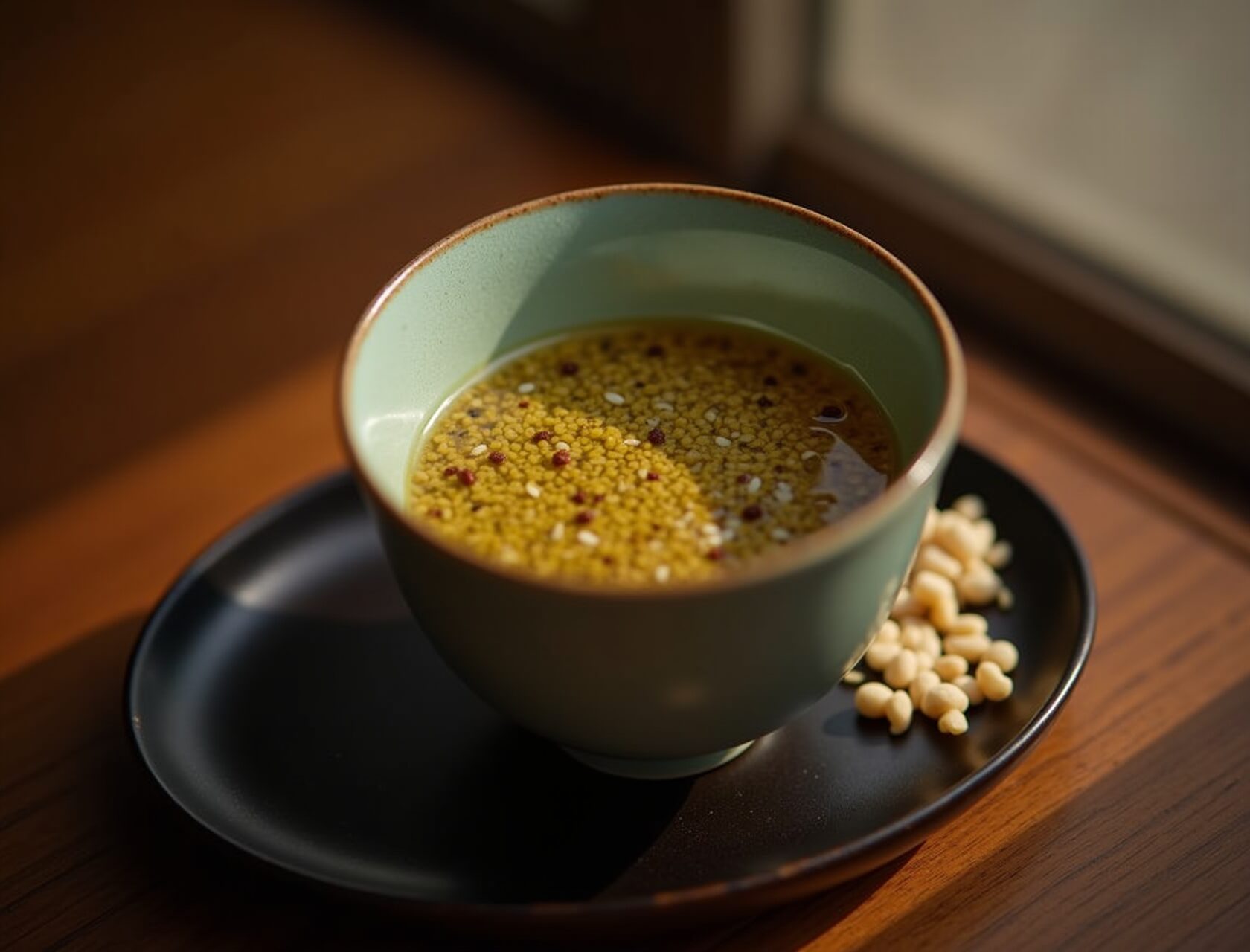
Genmaicha (玄米茶) is a blend of Japanese green tea — most commonly bancha or sencha — with roasted brown rice (genmai). Some of the rice kernels pop during roasting, creating the distinctive “popcorn tea” appearance. The tea was originally a humble, economical blend, stretching expensive tea with cheap rice. Today it's appreciated on its own terms as a unique flavor category.
The base tea matters enormously. Bancha-based genmaicha is mellow and easy-drinking. Sencha-based versions are brighter and more vegetal. High-end genmaicha sometimes uses gyokuro or kabusecha as the base, producing a richer, more complex cup.
Key Quality Indicators
The Base Tea
Look for the base tea stated on the label. “Green tea + roasted rice” tells you nothing about quality. “Uji bancha + roasted genmai” tells you a lot. Single-origin teas from Uji, Shizuoka, or Kagoshima are generally higher quality than generic “Japan” blends.
Rice Quality and Roast
The roasted rice should be evenly golden-brown with a clean popcorn aroma. Over-roasted rice smells acrid; under-roasted rice is starchy without aroma. Pop the bag open and smell before you buy if possible — premium genmaicha smells like warm, fresh-popped corn.
Leaf Grade
High-grade genmaicha uses whole or large-cut leaves that unfurl when steeped. Lower-grade product uses fannings and dust. Whole-leaf genmaicha brews more cleanly and has more nuanced flavor.
Blend Ratio
The ratio of tea to rice is never stated but affects flavor significantly. More rice = lighter, sweeter, less caffeine. More tea = greener, slightly more caffeinated. Taste a few different brands to find your preferred balance.
Genmaicha Grades Compared
| Grade | Base Tea | Leaf Cut | Best For | Price Range |
|---|---|---|---|---|
| Premium | Gyokuro, Kabusecha, Shincha | Whole leaf | Gongfu, slow brewing | $$$ |
| Mid-grade | Sencha, Fukamushi sencha | Needle cut / whole | Daily drinking, meals | $$ |
| Everyday | Bancha | Larger cut | Large-volume brewing, iced | $ |
| Commercial | Blended/unspecified | Fannings, dust | Tea bags only | Low |
Genmaicha with Matcha (Matcha-iri Genmaicha)
Many genmaicha blends include a dusting of matcha powder — this style is called matcha-iri genmaicha (抹茶入り玄米茶). The matcha adds a vivid green color, a umami note, and slightly more caffeine.
What to look for:
- The matcha should turn the liquid a warm jade color, not a dull khaki
- Flavor should be savory-sweet from the rice with a clean green tea finish
- Avoid blends where matcha is listed as the last ingredient — it's an afterthought at that ratio
Shop our genmaicha collection including matcha-blended versions.
Genmaicha vs Hojicha: Which Should You Choose?
| Factor | Genmaicha | Hojicha |
|---|---|---|
| Flavor profile | Nutty, savory, lightly vegetal | Caramel, roasted, sweet |
| Caffeine | Low-moderate | Very low |
| Color in cup | Pale gold to green | Amber-brown |
| Food pairing | Rice dishes, sushi, savory snacks | Sweets, chocolate, breakfast |
| Evening drinking | Moderate (some caffeine) | Excellent (very low caffeine) |
Many Japanese households keep both. Genmaicha is the meal companion; hojicha is the evening wind-down.
How to Brew Genmaicha
Genmaicha is forgiving — harder to overbrew than sencha or gyokuro. Basic guidelines:
- Water temperature: 80–90°C (175–195°F). Higher than most green teas because the roasted rice is not damaged by hotter water.
- Amount: 1–2 teaspoons per 200ml
- Steep time: 1–2 minutes
- Vessel: Works in any teapot. A clear glass teapot lets you watch the leaves and rice unfurl beautifully.
Genmaicha also cold brews exceptionally well. Use 1 tablespoon per 400ml cold water, steep overnight in the refrigerator. The result is sweet, nutty, and refreshing.
What to Avoid When Buying Genmaicha
- Stale stock: Genmaicha‘s roasted rice notes fade quickly. Check harvest or packaging dates. Anything over 18 months old is past its best.
- Artificial flavoring: Good genmaicha gets all its flavor from the tea and rice. “Natural flavors” on the label is a red flag.
- Broken rice: Premium genmaicha uses whole grain kernels. Powdery rice debris indicates low quality or rough handling.
- Unknown origin: No region stated = blended commodity tea.
Frequently Asked Questions
Does genmaicha have caffeine?
Yes, but less than regular sencha. The rice dilutes the tea content, resulting in roughly 15–30mg of caffeine per cup — about a third of coffee. It's a good afternoon option for people watching their caffeine intake.
Can I resteep genmaicha?
Whole-leaf genmaicha can be resteeped 2–3 times. Each infusion reveals different aspects of the flavor. The rice notes are strongest on the first steep; the green tea character comes through more clearly on subsequent infusions.
Is genmaicha good cold?
Genmaicha is excellent cold brewed. The cold extraction brings out the natural sweetness of the rice while keeping the cup light and clean. It's one of the best Japanese teas for summer iced tea.
What food pairs well with genmaicha?
Genmaicha‘s nutty, savory profile makes it a natural match for rice dishes, sushi, grilled fish, miso soup, onigiri, and savory crackers. It also pairs beautifully with light Japanese sweets like mochi or yokan.
How is genmaicha different from roasted barley tea (mugicha)?
Mugicha is made from roasted barley only — no green tea. It's caffeine-free and has a darker, more bitter roast flavor. Genmaicha contains green tea and has the lighter, more complex flavor of both tea and rice working together.
Browse our full genmaicha range and pair it with a glass teapot to watch the leaves steep.