Bancha vs Hojicha: Two Low-Caffeine Japanese Teas Compared
Last updated: April 2026
If you are looking for a Japanese green tea you can drink in the evening without lying awake counting ceiling tiles, bancha — bancha: the mature, late-harvest Japanese green tea made from larger, older leaves picked after the main growing season — and hojicha — hojicha: roasted Japanese green tea, most commonly produced by roasting bancha leaves and stems at high heat — are your two main options. Both are low-caffeine, both are widely drunk in Japan without concern for sleep disruption, and both are genuinely enjoyable — but they are radically different in flavor and use. Understanding the difference makes choosing the right one for your evening ritual easy.
- Hojicha is roasted bancha: The two teas share a common base — roasting is what separates them, and it transforms the flavor completely.
- Flavor contrast is dramatic: Bancha tastes mild, grassy, and earthy; hojicha tastes toasty, caramelized, and warm. They do not taste alike.
- Both are genuinely low-caffeine: Bancha contains approximately 10–20mg of caffeine per cup; hojicha drops further to around 5–15mg because roasting drives off caffeine through sublimation.
- Hojicha is far more versatile: Beyond drinking, hojicha powder is used in lattes, ice cream, chocolate, and baked goods. Bancha is primarily a drinking tea.
- Both are affordable and widely available — loose-leaf from Japanese specialty retailers, or bagged from everyday grocery stores.
The Key Relationship: Hojicha Is Made from Bancha
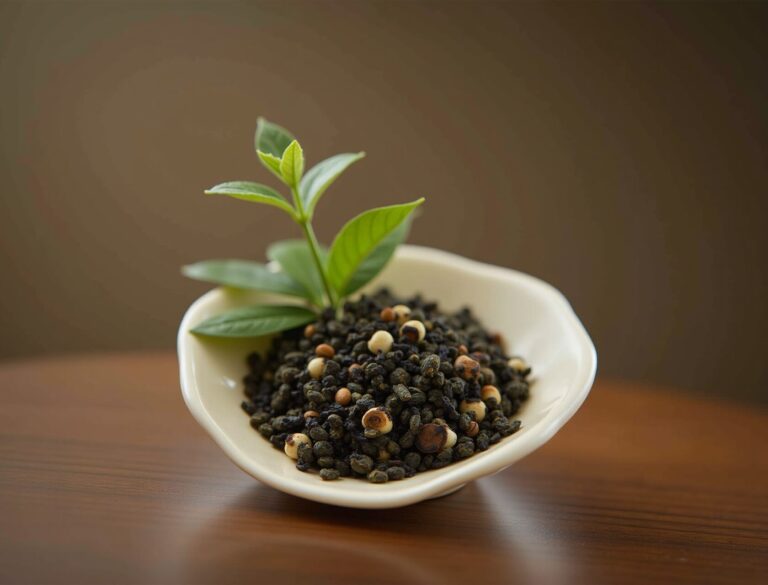
Hojicha is not a completely separate tea from bancha — in most cases, it is bancha, just roasted. Before diving into the comparison, this is worth stating clearly: hojicha is bancha that has been roasted. Specifically, the leaves (and sometimes stems) of bancha — the mature, late-harvest Japanese green tea — are roasted at high temperatures until they turn a reddish-brown color and develop the characteristic roasted aroma that defines hojicha.
You are essentially comparing the base ingredient to the finished product. Understanding this relationship makes the flavor differences completely logical.
How Do Bancha and Hojicha Differ in Flavor?
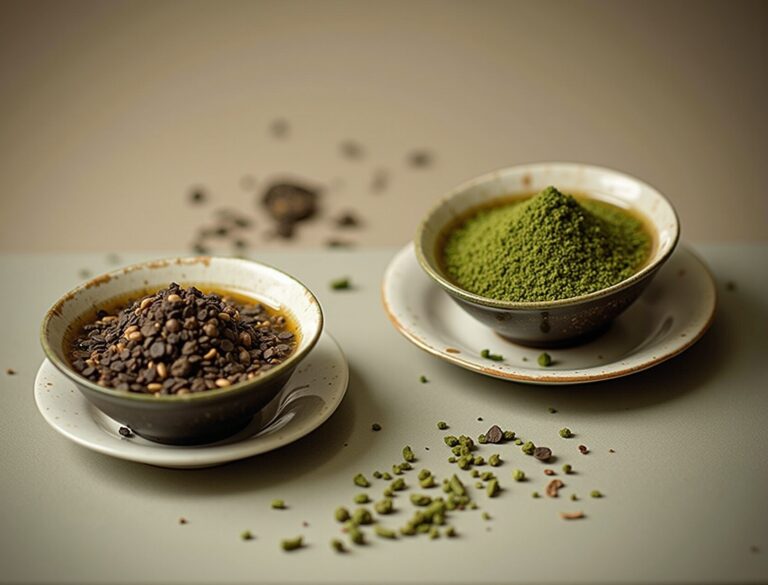
Bancha tastes mild, grassy, and earthy; hojicha tastes toasty, caramelized, and warm — the roasting process replaces every green, vegetal note with roasted-grain complexity.
Bancha (Best for: those who prefer a quiet, undemanding green tea): Mild, earthy, and grassy. Think of it as a quieter, simpler version of sencha (the standard-grade Japanese green tea harvested earlier in the season from younger, more tender leaves). There is a slight hay-like quality, low astringency, and a clean, unpretentious finish. It tastes green.
Hojicha (Best for: those who want a warm, comforting evening drink with real depth of flavor): Toasty, caramelized, and warm. The roasting process completely transforms the flavor — the grassy, vegetal character of the green tea is burned off and replaced by Maillard reaction compounds (the same browning chemistry responsible for caramelization, roasted coffee notes, and toasted bread) that produce caramel, chocolate-adjacent, and smoky notes. It does not taste green. It tastes roasted.
If you hold both up to describe them without tea context: bancha tastes like a mild herbal tea; hojicha tastes like a lightly roasted grain beverage. They share a common origin but diverge completely in experience.
Which Has Less Caffeine: Bancha or Hojicha?
Hojicha has less caffeine than bancha — both qualify as low-caffeine teas, but roasting reduces caffeine further via a process called sublimation.
According to established tea chemistry research, caffeine's sublimation point is approximately 178°C, and hojicha roasted at 160–220°C loses an estimated 60–70% of its caffeine through this process — not decomposition, but physical vaporization of the caffeine molecule (Tea chemistry consensus, 2024). Processing method more broadly affects caffeine levels across all Japanese green tea varieties (Hara, 2001, Marcel Dekker).
- Bancha: Approximately 10 to 20mg per cup (about 20 to 40 percent of what you'd find in sencha)
- Hojicha: Approximately 5 to 15mg per cup (roasting reduces caffeine further via sublimation)
According to USDA FoodData Central (2024), standard brewed green tea contains approximately 29mg of caffeine per 237ml — both bancha and hojicha sit well below that baseline. If extreme caffeine sensitivity or total pre-sleep caffeine elimination is your goal, hojicha is the safer choice. Both are considered appropriate for evening consumption by most people, including in Japan where hojicha is widely given to children at dinner.
Bancha vs Hojicha: Side-by-Side Comparison
| Feature | Bancha | Hojicha |
|---|---|---|
| What it is | Mature, late-harvest Japanese green tea leaves | Roasted bancha (or kukicha) leaves and stems |
| Flavor profile | Mild, grassy, earthy, hay-like | Toasty, caramelized, smoky, warm |
| Caffeine (per cup) | ~10–20mg | ~5–15mg |
| Cup color | Light golden-green | Amber to reddish-brown |
| Brew temperature | 85–95°C | 90–100°C (boiling water is fine) |
| Steep time | 45–60 seconds | 30–45 seconds |
| Best food pairings | Light dishes, rice, sashimi, vegetables | Grilled/roasted dishes, Japanese sweets, dark chocolate |
| Culinary versatility | Primarily a drinking tea; limited cooking use | Lattes, ice cream, chocolate, tiramisu, baked goods |
| Price | Slightly less expensive | Slightly more (added roasting step) |
| Best for | Neutral, all-day drinking; delicate food pairing; those new to Japanese tea | Evening ritual; bold flavor; cooking and baking; lowest caffeine |
How Do You Brew Bancha vs Hojicha?
Hojicha tolerates boiling water and brews quickly; bancha needs slightly cooler water to preserve its delicate green character. Both are forgiving and beginner-friendly.
Bancha brewing:
- Water temperature: 85 to 95 degrees C
- Steep time: 45 to 60 seconds
- Leaf ratio: 3 to 4g per 150ml
- Color: Light golden-green
Hojicha brewing:
- Water temperature: 90 to 100 degrees C (even boiling water works well)
- Steep time: 30 to 45 seconds
- Leaf ratio: 3 to 5g per 150ml (can go heavier for a bolder cup)
- Color: Amber to reddish-brown
Hojicha is even more forgiving than bancha with water temperature — boiling water is actively appropriate because the delicate aromatic compounds have already been transformed by roasting. There is nothing left to destroy.
Which Pairs Better with Food?
Hojicha pairs better with bold, savory, and roasted dishes; bancha works best as a neutral companion to lighter meals. Both belong at the dinner table.
Bancha with food (Best for: light dishes, everyday meals, neutral accompaniment): Bancha‘s mild character works well alongside almost anything without competing with food flavors. It is the neutral companion — refreshing without demanding attention. Works especially well with lighter dishes: rice, light sashimi, vegetable-forward meals.
Hojicha with food (Best for: grilled meats, Japanese confectionery, rich and savory dishes): Hojicha‘s bold, roasted character actually enhances savory foods rather than simply not interfering. It pairs particularly well with grilled and roasted dishes, richer foods, Japanese sweets, and dark chocolate. The roasty profile creates genuine flavor synergy rather than simple neutrality.
Which Is More Versatile Beyond the Cup?
Hojicha is significantly more versatile beyond the cup — its bold roasted flavor survives cooking and mixing in ways that bancha's mild green character simply cannot.
Bancha (Best for: straightforward daily drinking; ochazuke): Primarily used for drinking. Works in boiled form for large batches; good for ochazuke (a Japanese dish of hot tea poured over cooked rice). Limited use in cooking because its mild flavor gets lost.
Hojicha (Best for: culinary applications, lattes, and bold-flavor experimentation): Extraordinarily versatile beyond the cup. Hojicha powder (ground roasted leaf) has become a popular culinary ingredient — hojicha lattes, hojicha ice cream, hojicha chocolate, hojicha tiramisu. The bold flavor survives cooking and mixing in ways that bancha simply cannot.
How Do Bancha and Hojicha Compare in Cost and Availability?
Both teas are affordable — bancha is slightly less expensive, with hojicha carrying a small premium for the added roasting step. Neither will strain a tea budget.
High-quality loose-leaf examples of both are available from specialty Japanese tea retailers. Everyday grocery-store versions (bagged) are widely available and acceptable for casual use.
The Verdict: Which Should You Choose?
Choose hojicha for the lowest caffeine, boldest flavor, and maximum versatility; choose bancha if you want a simple, quiet, green everyday tea.
Choose bancha (Best for: neutral all-day drinking, gentle green flavor, beginners exploring Japanese tea) if you want a quiet, undemanding tea to drink with food or when you want something green but gentle. Choose hojicha (Best for: evening rituals, bold flavor seekers, cooking and baking applications, maximum caffeine reduction) if you want a warm, comforting, flavorful evening tea experience — something with more character, more versatility, and maximum caffeine reduction. Most tea drinkers who discover both end up keeping both on hand for different moods and purposes.
FAQ: Bancha vs Hojicha
- Is hojicha just roasted bancha, or is it its own thing?
- Mostly roasted bancha, but technically hojicha can also be made from kukicha (stem tea) or other base teas. Bancha-based hojicha is most common. Either way, the roasting is what defines hojicha — not the specific base.
- Which is better for sleep — bancha or hojicha?
- Hojicha has slightly less caffeine, so if caffeine sensitivity is the primary concern, hojicha has a small edge. Both are widely considered appropriate for evening consumption.
- Can I blend bancha and hojicha?
- You can, but they have such different characters that blending them does not really add anything useful. Better to drink one or the other. The main reason to blend would be adjusting flavor intensity.
- Which is better for kids?
- In Japan, both are given to children. Hojicha is slightly more common in that context because of the lower caffeine content and the sweeter, more approachable flavor that children tend to prefer. Bancha‘s mild grassy notes are less universally appealing to young palates.
- Is cold brew better for bancha or hojicha?
- Both make excellent cold brew, but they produce very different results. Cold brew bancha is very mild and delicate. Cold brew hojicha retains more of its caramel complexity and is more satisfying on a hot day. I prefer cold brew hojicha for summer — it is genuinely outstanding.
Japan's evening tea culture is built on exactly these two teas — the mild-mannered bancha and the warmly roasted hojicha. Getting to know both is part of getting to know Japanese tea on its own terms rather than through the Western lens that tends to focus exclusively on premium grades. These are the teas that actually get drunk every day, and they deserve to be understood.