Japanese Tea Sampler Set: The Best Way to Try Multiple Types
The best advice anyone can give a new Japanese tea drinker: try a sampler before committing to a full bag. Japanese tea has extraordinary range — from the bright, grassy snap of sencha to the deep caramel warmth of hojicha to the umami-rich creaminess of kabusecha — and your preference is genuinely impossible to predict without tasting. A well-curated sampler set gives you the full landscape in small amounts, costs less than a single full bag, and sends you to your next purchase with actual knowledge instead of guesswork.
What a Good Japanese Tea Sampler Should Include
The best sampler sets are curated with intention, not just “throw in whatever's in stock.” Here's what separates a thoughtful sampler from a random assortment:
Coverage of the flavor spectrum: A good sampler should move across the taste range — at least one grassy/vegetal tea (sencha or kabusecha), one toasty/roasted tea (hojicha or genmaicha), and one everyday/approachable tea (bancha or genmaicha). This lets you quickly identify which direction your palate leans.
Individual sealing: Each tea should be sealed separately. Loose teas in a shared tin absorb each other's aromas and cross-contaminate flavors. Quality samplers use individual nitrogen-flushed packets.
Brewing notes per tea: Different Japanese teas require different water temperatures and steep times. A sampler without brewing instructions sets up new drinkers for disappointing first cups. Good samplers include cards or booklets with specific instructions.
Adequate quantity per tea: 10–15g per variety is the minimum for a meaningful impression — that's enough for 4–6 cups. Samplers with 5g per tea are too small to form a real opinion.
The Core Japanese Teas to Sample
Any comprehensive sampler should cover these:
Sencha (煎茶): The most drunk Japanese green tea. Bright, grassy, slightly vegetal, with a clean fresh finish. This is baseline Japanese green tea — everything else is a variation or departure from it. If you like sencha, the whole world of Japanese green tea opens up.
Hojicha (ほうじ茶): Roasted, caramel, smoky. Nearly no caffeine. The anti-green-tea Japanese tea — approachable for people who normally avoid green tea. Essential inclusion in any sampler.
Genmaicha (玄米茶): Green tea blended with roasted rice. Toasty, nutty, still has the green tea backbone. The food-pairing champion. Lower caffeine than straight sencha. A daily drinker for many.
Bancha (番茶): Everyday, earthy, practical. The affordable backbone of Japanese home tea drinking. Low caffeine, very forgiving to brew. Shows you the rustier, more approachable side of Japanese green tea.
Kabusecha (かぶせ茶): The premium surprise in a sampler. Shaded for 1–2 weeks, producing noticeable umami sweetness and deep green color. Often the revelation tea that makes people realize Japanese green tea can taste creamy and savory, not just grassy. Browse our kabusecha here.
Optional Additions for an Extended Sampler
If you want to go deeper:
- Gyokuro: The most shaded, most premium, most demanding to brew. Intense umami. Not the right starting point but a valuable “peak experience” inclusion for serious samplers.
- Kamairicha: Japan's pan-fired green tea (most Japanese green tea is steamed). Lighter color, less grassy, slightly nutty. Rare and interesting.
- Kukicha: Made from stems and twigs of the tea plant rather than leaves. Extremely low caffeine, sweet, almost creamy. Great night-time tea.
How to Taste Through a Sampler Properly
Getting the most from your sampler means approaching it with some intention:
- Taste in order of delicacy: Start with the most delicate tea (usually kabusecha or sencha) and move toward the most robust (hojicha or bancha). Starting with hojicha can dull your palate for subtler teas.
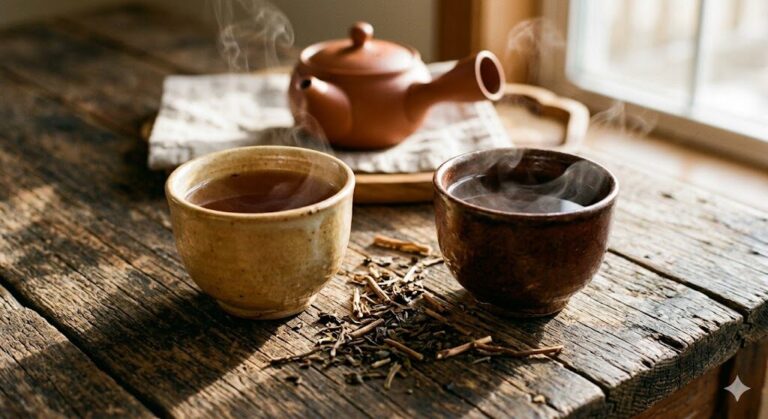
- Same vessel, same volume: Brew each tea in the same teapot and same cup to eliminate vessel variables.
- Follow the brewing instructions exactly on the first cup: Once you know what the “correct” version tastes like, then experiment with variations.
- Leave a rest between teas: Eating a plain cracker or drinking a small amount of plain water between teas resets your palate.
- Note your reactions honestly: Don't force yourself to like the “premium” teas. Your actual preference is the only relevant data point.
After the Sampler: What to Order Next
After tasting through a sampler, most people fall into one of a few camps:
- “I loved the roasted ones”: → Stock hojicha and genmaicha as your everyday teas. Consider a hojicha latte in the mornings.
- “I loved the grassy ones”: → Explore sencha more deeply — different regions (Shizuoka vs Kagoshima vs Uji) taste meaningfully different. Then try kabusecha for a premium step up.
- “I loved the umami one”: → If kabusecha was your revelation, consider trying gyokuro. Budget $30–50 for 50g and brew it carefully.
- “I liked them all equally”: → Stock a rotating variety. Genmaicha and hojicha for daily use, kabusecha for weekends and guests.
Our Recommended Sampler Lineup
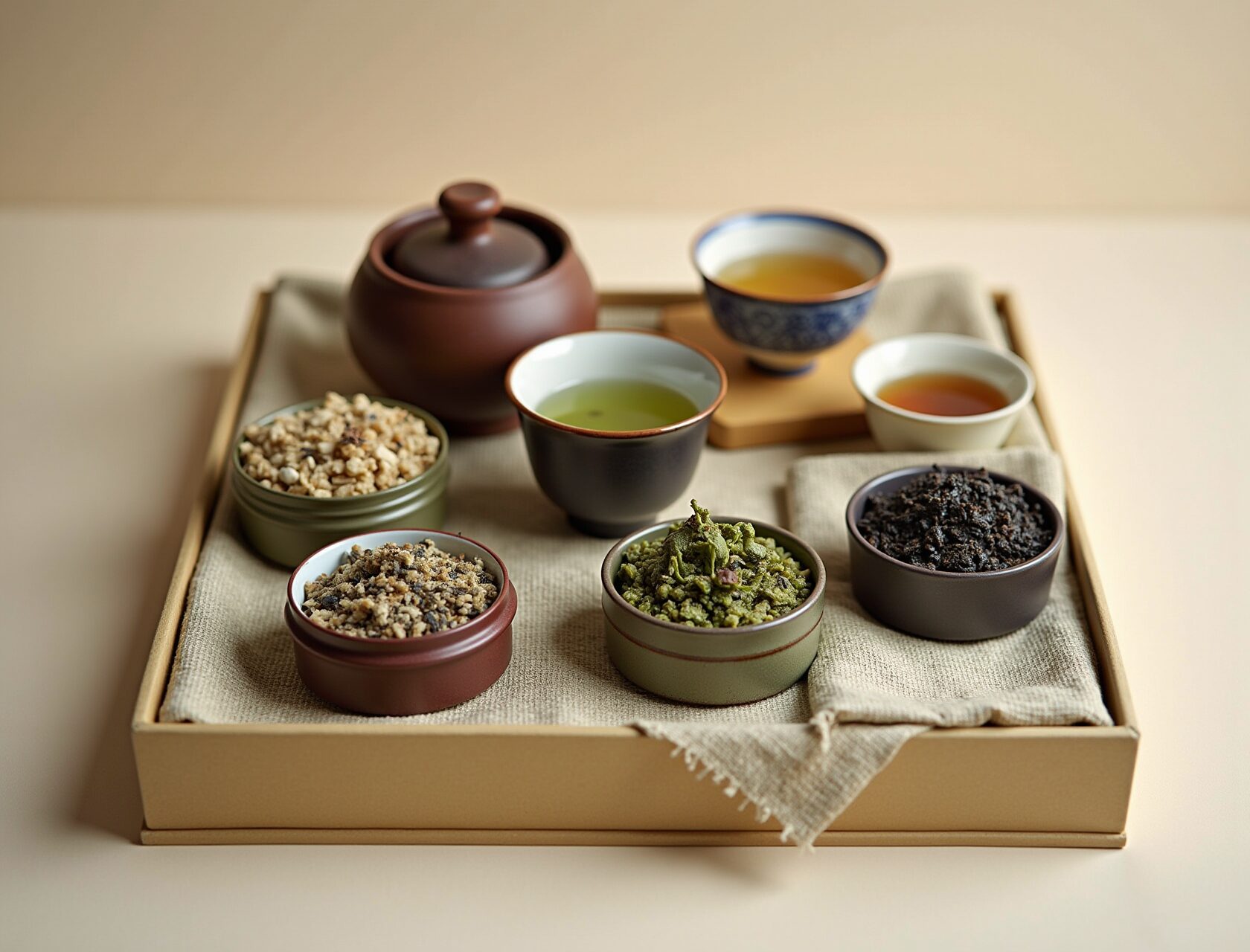
Our Japanese Tea Sampler Set includes hojicha, genmaicha, bancha, and kabusecha — 15g each, individually sealed, with detailed brewing cards. It's designed specifically for people who want to explore Japanese tea beyond sencha and find their everyday tea.
Frequently Asked Questions
How long will a sampler stay fresh? With sealed individual packets, 6–12 months. Once opened, consume within 4–6 weeks for best flavor.
Are Japanese tea samplers good gifts? Excellent gifts for anyone interested in Japanese food culture, anyone curious about tea, or anyone you want to introduce to alternatives to their daily black tea or green tea bag routine.
How much does a quality sampler cost? Expect $20–35 for a quality 4–5 tea sampler with adequate amounts per variety and brewing guidance. Samplers under $15 are usually too small to form real impressions.
Should I brew all the teas the same way? No — and this is why brewing instructions matter. Kabusecha and gyokuro need significantly cooler water than hojicha or bancha. Following the correct temperature for each tea is the biggest variable in whether you enjoy it.
Can I re-steep sampler teas? Yes — most Japanese loose leaf teas yield 2–3 good infusions. For a sampler portion (10–15g), you can brew the first steep correctly and get a meaningful impression even from a small quantity.