Shizuoka Genmaicha: Japan’s Brown Rice Tea at Its Regional Best
Genmaicha — green tea blended with roasted brown rice — is one of Japan's most accessible and beloved teas. But the quality of the green tea base makes an enormous difference in the final cup. Shizuoka Prefecture, responsible for roughly 40% of Japan's total tea production, produces genmaicha whose clean, grassy sencha base creates a particularly well-balanced blend. If you've only tried supermarket genmaicha and wondered why the fuss, a Shizuoka-sourced loose leaf version will answer your question.
What Makes Shizuoka's Green Tea Base Special
Genmaicha blends are only as good as the sencha used to make them. Shizuoka sits on the slopes of Mount Fuji and the Abe River basin, with well-draining volcanic soil and a climate marked by warm days, cool nights, and reliable fog during the growing season. These conditions produce sencha with bright, clean grassiness and moderate umami — characteristics that complement rather than compete with the roasted rice component.
The most prized Shizuoka genmaicha use first or second flush tea, harvested in spring or early summer when the leaves are most flavorful. Lower-grade versions use later-season material, which is harsher and less sweet. The difference is apparent in the cup: premium Shizuoka genmaicha has a lively, fresh green note behind the toasty rice; budget blends taste flat and astringent.
The Brown Rice Component: What to Know
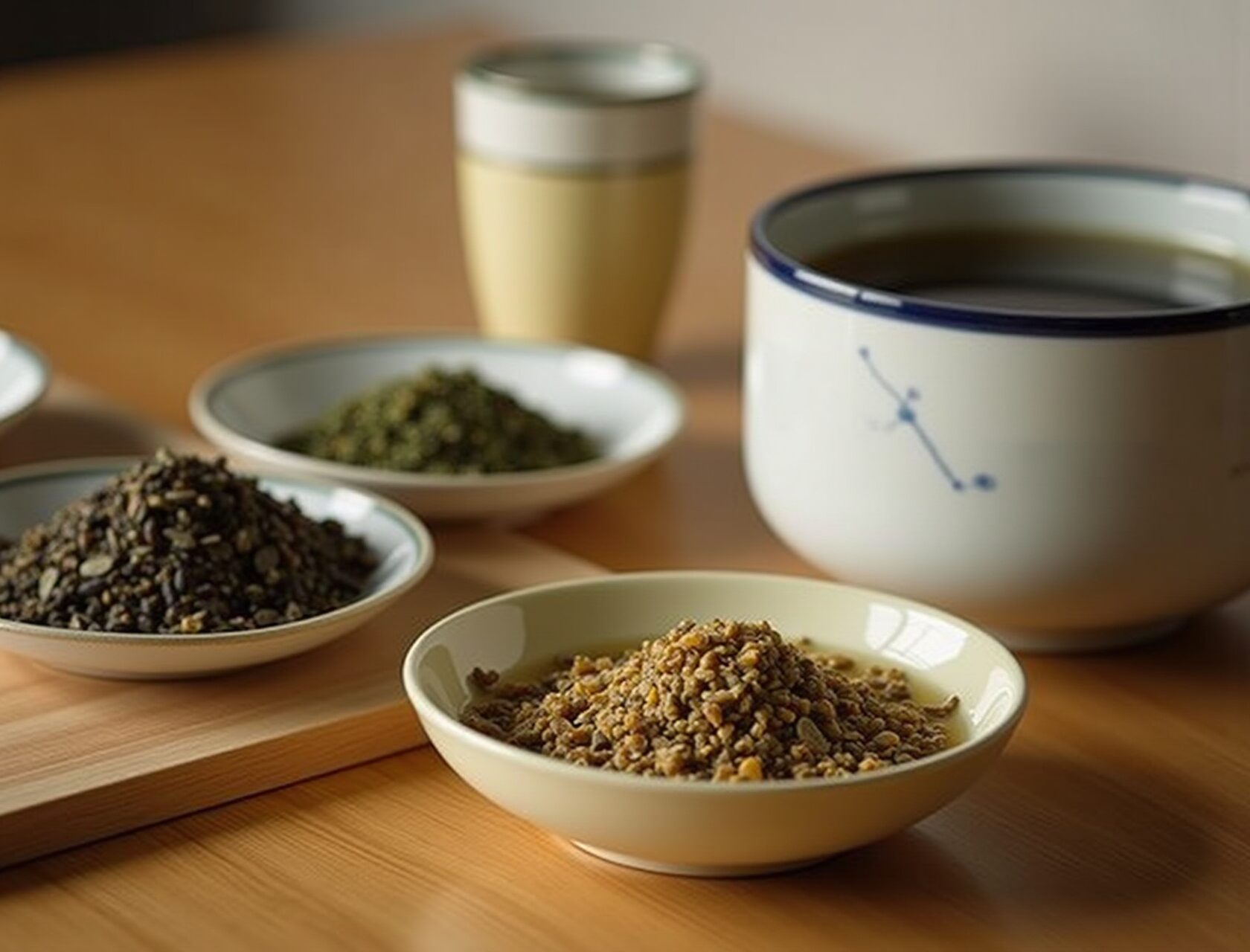
The rice in genmaicha is typically uruchimai (non-glutinous Japanese short-grain rice), washed and then dry-roasted until some kernels puff into what look like small pieces of popcorn. These “popped” kernels — called hanpuka mai — are prized in premium blends and indicate careful roasting. Heavier roasting produces darker, nuttier notes; lighter roasting keeps the rice flavor more delicate.
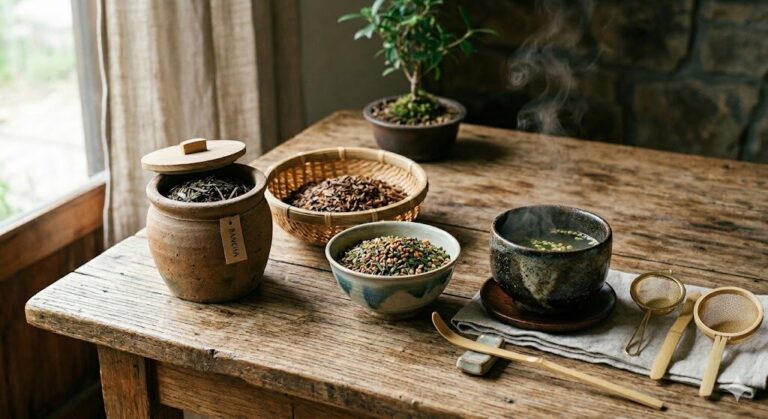
In authentic genmaicha, the rice and tea are blended by weight, typically in roughly equal proportions. Mass-produced versions often use more rice than tea to lower costs — a detail you can spot by examining the blend (too much rice, not enough leaves). Quality Shizuoka genmaicha should look balanced — roughly half green needle-shaped leaves, half brown and popped rice kernels.
How to Brew Shizuoka Genmaicha
Genmaicha brews more forgivingly than pure sencha because the rice dilutes the catechins and reduces astringency. But there's still a right way:
- Water temperature: 80–85°C (176–185°F). Hotter than gyokuro or kabusecha, but cooler than a full boil. At this temperature, the roasted rice notes bloom into the water while the green tea stays balanced.
- Quantity: 3–4g per 180ml (about a standard cup)
- Steep time: 60–90 seconds for the first infusion
- Second infusion: 45 seconds at the same temperature. Genmaicha gives a solid second pour — the rice and leaves both have more to give.
- Cold brew option: Use 6g per 500ml cold water, steep 4–6 hours refrigerated. The result is nutty and smooth — excellent for summer.
Shizuoka Genmaicha vs Other Regional Genmaichas
As covered in our regional variation of genmaicha, Shizuoka and Uji genmaicha represent two different style philosophies. Shizuoka's is clean and grassy; Uji's tends to be more refined and umami-forward. In either case, the blend reflects the character of the local tea and rice traditions.
Browse our Shizuoka genmaicha selection for current harvest options.
Pairing Shizuoka Genmaicha with Food
Genmaicha‘s dual nature — grassy tea plus toasty grain — makes it unusually versatile with food:
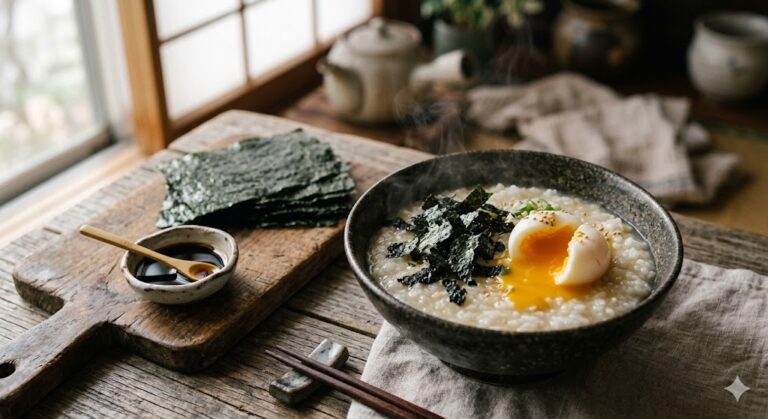
- Japanese rice dishes: Ochazuke (tea poured over rice) is a classic application. Shizuoka genmaicha produces an excellent ochazuke broth with savory and toasty notes.
- Tempura and fried foods: The tea's brightness cuts through oil cleanly.
- Salted snacks: The roasted rice note complements crackers, rice crackers (senbei), and savory cheese.
- Breakfast: Genmaicha‘s grain notes make it one of the few Japanese teas that pairs naturally with morning foods — toast, oatmeal, eggs.
Frequently Asked Questions
- Is Shizuoka genmaicha caffeinated?
- Yes, but less so than pure sencha. Because roughly half the blend by weight is rice (which contains no caffeine), you get approximately half the caffeine of an equivalent serving of sencha — around 20–30mg per cup.
- What's the difference between regular and matcha-iri genmaicha?
- Matcha-iri genmaicha has powdered matcha dusted onto the leaves. It produces a greener, more astringent cup with stronger tea flavor and more caffeine. Standard genmaicha is more balanced and toasty.
- Can I cook with genmaicha?
- Absolutely. Use brewed genmaicha instead of water when making rice — the subtle toasty flavor adds depth. It also works well as a poaching liquid for delicate fish.
- How fresh does genmaicha need to be?
- The rice component stays stable longer than pure green tea, but the green tea base still degrades with age. Use within 6–12 months of opening for best results.
- Why does some genmaicha have a burnt smell?
- Over-roasted rice. This happens in lower-quality blends where temperature control during roasting was inconsistent. Good Shizuoka genmaicha smells toasty and nutty, not burnt or acrid.