Japanese Everyday Tea Buying Guide: Bancha, Hojicha, Genmaicha
Not every Japanese tea is a ceremony-grade gyokuro or a first-flush shincha. Some of the most beloved teas in Japan are the ones people drink every single day — with meals, in the evening, from a thermos at work. Bancha, hojicha, and genmaicha are those teas. They're affordable, forgiving to brew, low in caffeine relative to premium greens, and genuinely delicious in their own right. This guide covers all three so you can choose the right daily tea for your lifestyle.
Bancha: Japan's True Everyday Green
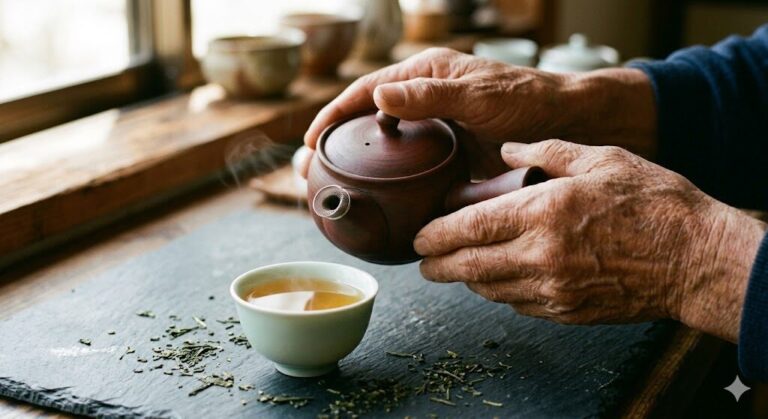
Bancha is made from the same Camellia sinensis plant as sencha and gyokuro, but it's harvested later in the season — after the prized first and second flushes. The leaves are larger, coarser, and lower in caffeine because less nitrogen has been absorbed at the later harvest stage.
Flavor: Light, mildly vegetal, sometimes slightly woody or hay-like. Less complex than sencha but refreshing and clean.
Caffeine: Moderate — roughly 10–20mg per cup, making it suitable for afternoon and early evening drinking.
Best brewing approach: 80°C water, 1 teaspoon per 200ml, 30–60 second steep. Bancha is forgiving — you can brew it hotter and longer than premium teas without harsh bitterness.
When to reach for bancha: With meals (especially Japanese food), as a daily utility tea, when you want hydration without the caffeine punch of coffee or matcha, when budget matters. Bancha is the rice of Japanese tea — humble, essential, and deeply satisfying when done well.
Hojicha: The Roasted Evening Tea
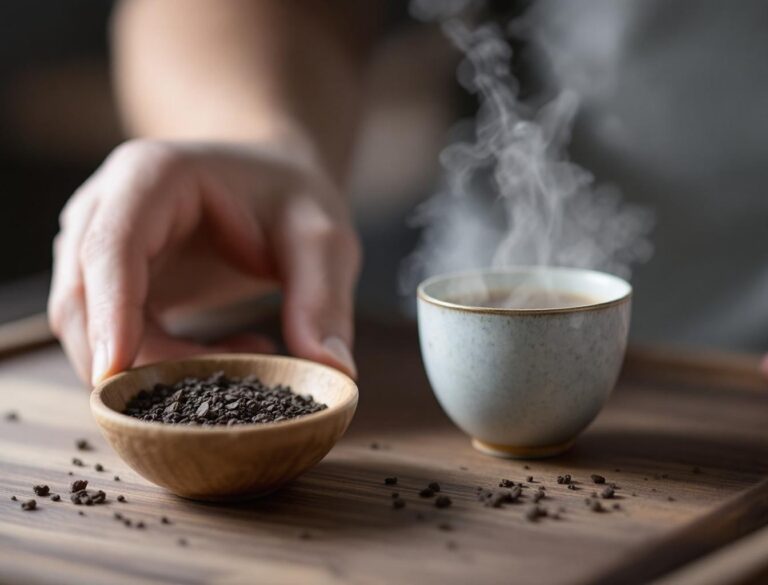
Hojicha starts as bancha or stem tea (kukicha), then gets roasted over charcoal or in a drum. The roasting process transforms the tea's chemical profile: chlorophyll breaks down, catechins diminish, and the aromatic roasted compounds take over. The result is a tea that's closer in visual appearance and aroma to roasted coffee or barley tea than to conventional green tea.
Flavor: Roasted, nutty, slightly caramel-like, with low bitterness and no grassiness. Warming and comforting.
Caffeine: Exceptionally low — 7–15mg per cup. The lowest-caffeine Japanese tea widely available. Perfect for evenings, for caffeine-sensitive drinkers, and for children.
Best brewing approach: 90–95°C water, 1–2 teaspoons per 200ml, 30–45 seconds. Hojicha handles near-boiling water better than any other Japanese green tea. It can also be cold-brewed or made as a concentrated hojicha for lattes.
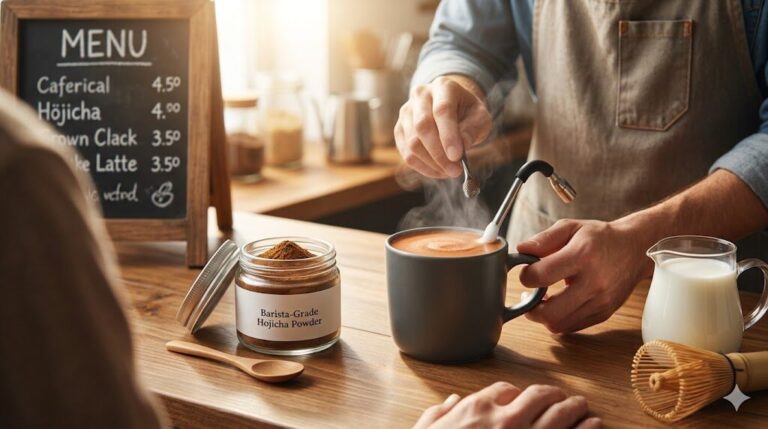
When to reach for hojicha: Evening tea, after-dinner tea, as a coffee replacement, for lattes, for cooking and baking (hojicha ice cream, hojicha chocolate), or any time you want warmth without stimulation.
Genmaicha: Tea With Toasted Rice
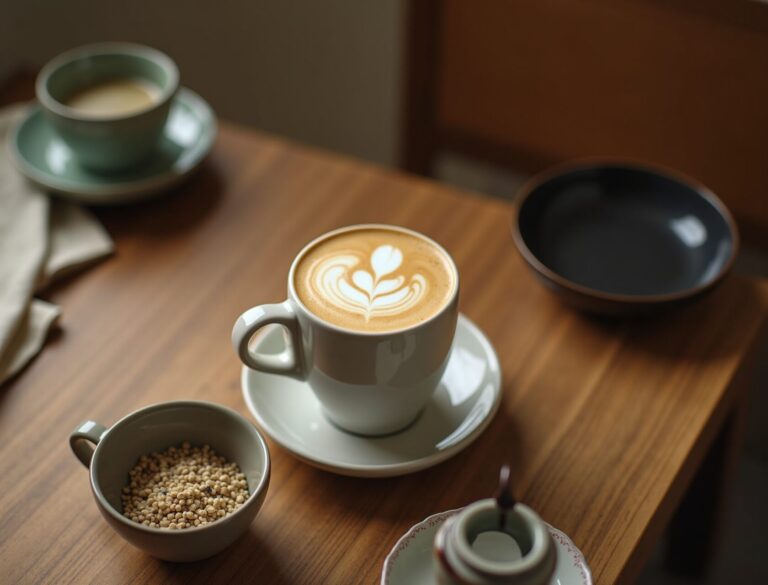
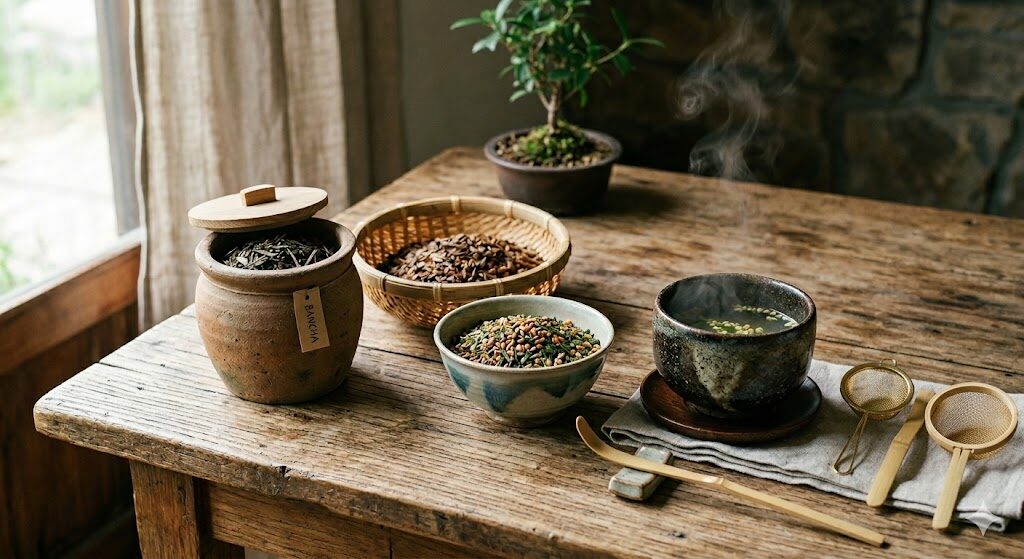
Genmaicha is a blended tea — typically bancha or sencha mixed with toasted and puffed brown rice. Some of the rice grains pop when toasted, creating the popcorn-like appearance that gives the tea its nickname “popcorn tea.” The blend softens the tea's bitterness while adding a toasty, savory dimension.
Flavor: Grassy green tea base + toasty, nutty, slightly sweet rice notes. The combination is savory and warming — different from either component alone.
Caffeine: Slightly lower than pure bancha or sencha because the rice dilutes the tea portion of the blend. Roughly 10–15mg per cup.
Best brewing approach: 80°C water, 1 teaspoon per 200ml, 45–60 seconds. The rice doesn't need high heat and over-brewing can make it starchy.
Matcha-iri genmaicha: A popular variation blended with powdered matcha, which gives the tea a more intense green color and a deeper flavor. If you want genmaicha with more bite and a brighter green appearance, seek out matcha-iri versions.
When to reach for genmaicha: With food (especially savory Japanese meals where the toasty notes complement rather than compete), as a bridge for people transitioning from roasted grains like barley tea or rooibos, for anyone who finds pure green tea too vegetal.
Comparing the Three: Side-by-Side
| Bancha | Hojicha | Genmaicha | |
|---|---|---|---|
| Base tea | Late-harvest green | Roasted bancha/kukicha | Bancha + roasted rice |
| Caffeine | Low-moderate | Very low | Low |
| Brew temp | 80°C | 90–95°C | 80°C |
| Steep time | 30–60 sec | 30–45 sec | 45–60 sec |
| Flavor | Light, grassy | Roasted, nutty | Grassy + toasty |
| Best for | All day, with meals | Evening, lattes | With savory food |
Buying Quality Everyday Tea
Because these teas are inexpensive, quality signals matter for knowing what's genuinely good:
- Origin: Kyushu-sourced teas (Saga, Fukuoka) and Shizuoka are reliable for everyday quality. Avoid blended products that don't list origin at all.
- Packaging: Airtight foil packaging preserves freshness. Loose cellophane bags allow oxidation and produce flat-tasting tea.
- Roast freshness for hojicha: Hojicha sold within 6 months of roasting has noticeably more aroma. Check the roast/pack date if available.
- Rice quality in genmaicha: Quality genmaicha uses well-puffed, evenly roasted rice. Flat, under-roasted rice produces a starchy rather than toasty note.
Browse our complete everyday tea collection at shop.alldayieat.com/product/japanese-everyday-tea/.
Building a Practical Everyday Tea Rotation
Many Japanese households keep all three teas in rotation because each serves a different moment:
- Morning: Bancha with breakfast
- Afternoon: Genmaicha with lunch or a snack
- Evening: Hojicha after dinner or before bed
A starter set of all three gives you a tea for every part of the day without high caffeine intake. The combined cost is typically less than a single bag of premium sencha, and the versatility is unmatched.
Frequently Asked Questions
- Which everyday Japanese tea has the least caffeine?
- Hojicha. The roasting process breaks down most of the caffeine, leaving 7–15mg per cup. It's one of the lowest-caffeine options across all tea types, not just Japanese teas.
- Can I reuse the leaves for a second steep?
- Yes for all three. Bancha and genmaicha give good second steeps. Hojicha gives a slightly lighter second steep with less roasted character. Use slightly hotter water or longer steep time for the second round.
- What's the difference between loose-leaf and bagged everyday tea?
- Bagged everyday Japanese teas are widely available and functional. Loose-leaf gives better flavor because the leaves can expand fully during steeping. For bancha and hojicha, the quality gap between bag and loose-leaf is smaller than for premium teas. For genmaicha, loose-leaf allows the rice to expand properly.
- Which goes best with food?
- All three pair well with Japanese food. Genmaicha's savory, toasty quality complements grilled fish, rice dishes, and miso soup particularly well. Bancha is a clean palate refresher that works with almost anything. Hojicha pairs naturally with sweeter dishes and desserts.