Best Hojicha Latte Kit: Everything You Need to Make Roasted Tea Drinks
Hojicha lattes have gone from niche Japanese café drinks to a genuine coffee alternative for people who want something warm, slightly earthy, and low in caffeine. Unlike matcha, hojicha is forgiving — it mixes easily into milk without the fussy whisking technique, and the roasted flavor holds its own against any milk type. This guide covers exactly what you need to make excellent hojicha lattes at home, from the tea itself to the tools.
What Makes Hojicha Different From Matcha for Lattes
Both are Japanese green teas used in lattes, but they're quite different in practice:
- Flavor profile: Hojicha tastes roasted, nutty, and slightly caramel-like. It has none of the grassy bitterness that some people find challenging in matcha. The roasting process removes most of the chlorophyll and catechins, leaving mostly the aromatic roasted compounds.
- Caffeine: Hojicha is one of the lowest-caffeine Japanese teas — typically 7–15mg per serving, compared to 35–70mg in matcha. This makes it ideal for evenings or for caffeine-sensitive drinkers.
- Mixing ease: Hojicha powder disperses more readily into liquid than matcha. You don't need a bamboo whisk (chasen) — a regular milk frother or even a spoon works.
- Color: Hojicha gives drinks a warm amber-brown color. It's less dramatic than matcha‘s bright green but photographs beautifully in its own way.
The Core of Your Kit: Hojicha Powder
The most important variable in a hojicha latte is the powder quality. There are two types:
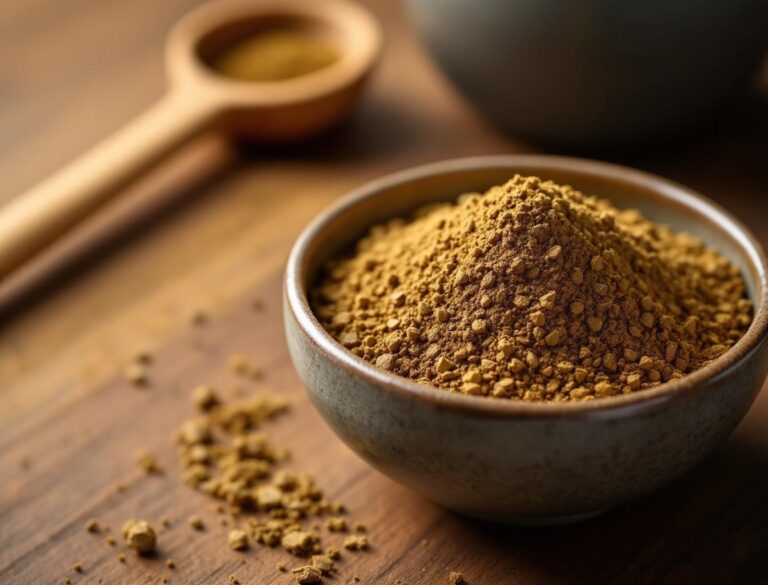
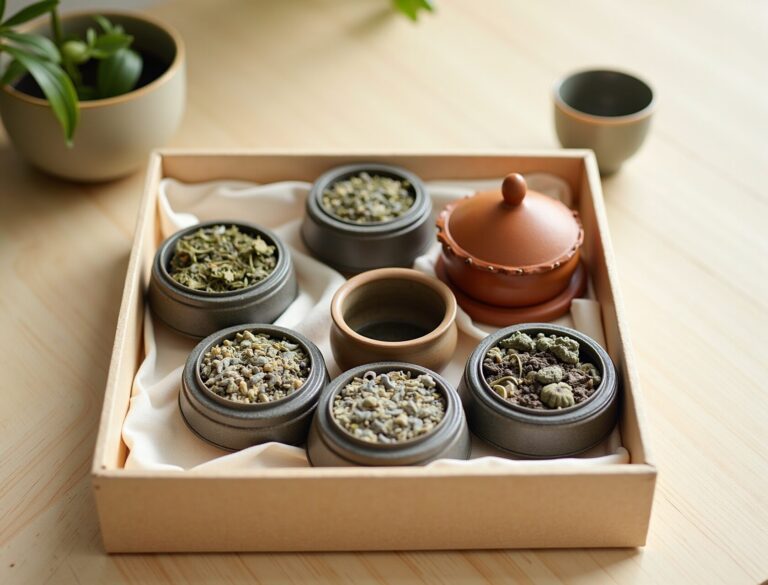
Ground hojicha tea powder: Whole roasted tea leaves ground into a fine powder, similar to how matcha is made. This is the best option. The full leaf structure means you get more depth of flavor, more of the roasted oils, and a richer latte. Look for powder made from whole leaf rather than dust and stems.
Hojicha latte powder blend: A premixed blend containing hojicha powder, sugar, and sometimes powdered milk or creamer. Convenient but limits your control over sweetness and dairy content. Good for portability but not ideal for home use where you control all the variables.
For the best results, buy pure hojicha powder and add your own sweetener and milk. Our recommended hojicha powder is available at shop.alldayieat.com/product/hojicha-powder/.
Tools You Need for the Perfect Hojicha Latte
Milk frother or steam wand: The single most important tool beyond the tea itself. An electric handheld frother ($10–$20) creates the foam layer that makes a latte feel café-quality. A French press can also steam and froth milk by pumping the plunger. If you have an espresso machine with a steam wand, even better. Without any frothing capability, a hojicha latte is just sweetened tea with milk — still good, but not a latte.
Small saucepan or milk pitcher: Heat milk on the stovetop before frothing. The target temperature is 60–65°C (140–150°F) — hot enough to hold foam but not scalded. A small 250ml stainless saucepan works perfectly.
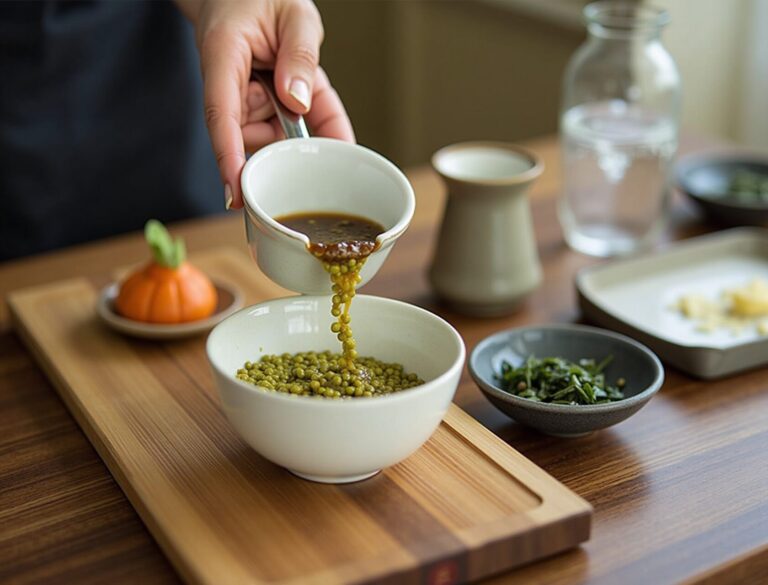
Small bowl or cup for mixing concentrate: Dissolve your hojicha powder in a small amount of hot water first (2 tablespoons water to 1–2 teaspoons powder), then add the frothed milk. This ensures no clumps and full flavor extraction.
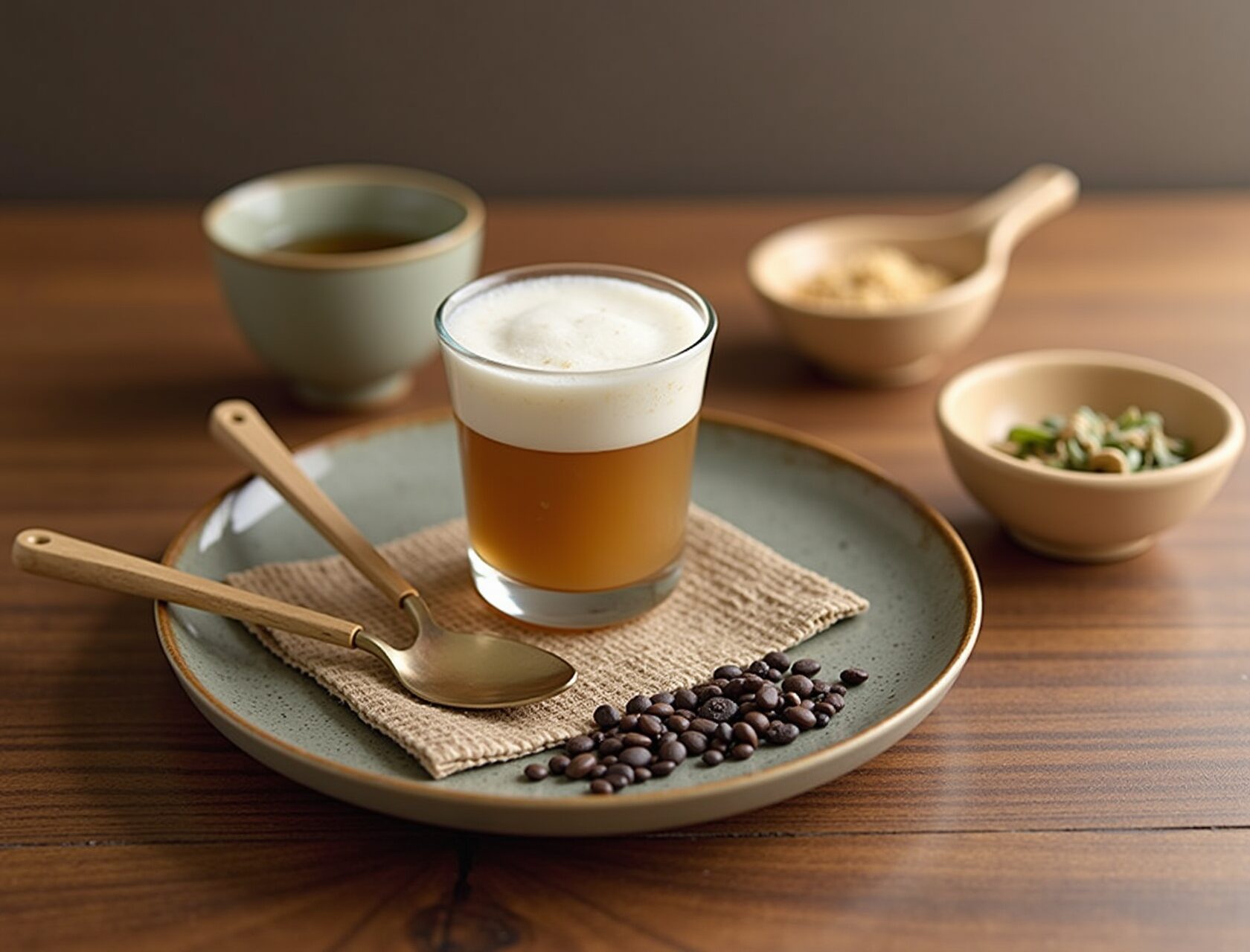
Serving cup: A wide-mouth ceramic mug or a glass latte cup (300–350ml) works well. Glass shows the layered effect if you pour the milk carefully over the hojicha concentrate.
Building the Complete Hojicha Latte Kit
| Item | Budget Option | Upgrade Option |
|---|---|---|
| Hojicha powder | Pure ground hojicha, 50g | Single-origin roasted whole-leaf powder |
| Milk frother | Handheld electric frother | Aeroccino or steam wand |
| Serving cup | Standard ceramic mug | Hario glass latte cup |
| Sweetener | White sugar or honey | Kuromitsu (Japanese black sugar syrup) |
| Milk | Whole dairy or oat milk | Barista oat milk for best foam |
How to Make the Basic Hojicha Latte
- Measure 1.5–2 teaspoons hojicha powder into a cup.
- Add 2 tablespoons hot water (80–90°C) and mix until smooth. Add sweetener now if using.
- Heat 150–180ml milk to 60–65°C. Froth until microfoam forms.
- Pour frothed milk gently over the hojicha concentrate.
- For an iced version: pour the hojicha concentrate over ice, then add cold milk. No frothing needed.
Adjust the powder amount to taste. More powder = stronger, more bitter. Less powder = lighter, more milk-forward.
Milk Options and How They Perform
- Whole dairy milk: Rich, foams well, classic café result. The flavor pairs naturally with roasted hojicha.
- Oat milk (barista blend): The best non-dairy option for frothing. Creamy, slightly sweet, complements hojicha‘s nutty notes. Regular oat milk can be watery — use barista version.
- Coconut milk: Adds a tropical sweetness that works surprisingly well with roasted tea. Doesn't foam as well but gives a unique flavor combination.
- Almond milk: Light and nutty but foams poorly. Better for iced hojicha than hot lattes.
Frequently Asked Questions
- How much caffeine is in a hojicha latte?
- Very little. A serving of hojicha powder contains roughly 7–15mg of caffeine, compared to 35–70mg in matcha and 80–100mg in coffee. Hojicha is one of the few warm drinks you can comfortably have in the evening without sleep disruption.
- Can I use whole hojicha leaves instead of powder?
- You can brew hojicha tea strongly and add steamed milk, but the result isn't quite the same as a powder-based latte. The powder dissolves into the milk for a uniform texture; brewed tea and milk stay more separate. For latte-style drinks, powder is the right tool.
- What's the best sweetener for a hojicha latte?
- Plain white sugar works fine. For a more Japanese flavor, try kuromitsu (Japanese black sugar syrup), which adds a rich molasses note that complements the roasted tea beautifully. Honey also works — a lighter honey like acacia rather than a heavy buckwheat variety.
- How do I store hojicha powder?
- In an airtight container away from light and heat. Hojicha powder doesn't oxidize as quickly as matcha because the roasting process reduces chlorophyll and reactive compounds. It stays fresh for 3–6 months at room temperature, longer in the refrigerator.
- Is hojicha latte good for kids?
- Yes — hojicha‘s low caffeine content makes it the most kid-friendly of all Japanese teas. A small hojicha latte has less caffeine than most hot chocolates. The flavor is mild and approachable, and the sweetness is adjustable.