Best Genmaicha Tea: Our Top Picks for Every Budget
Last updated: April 2026
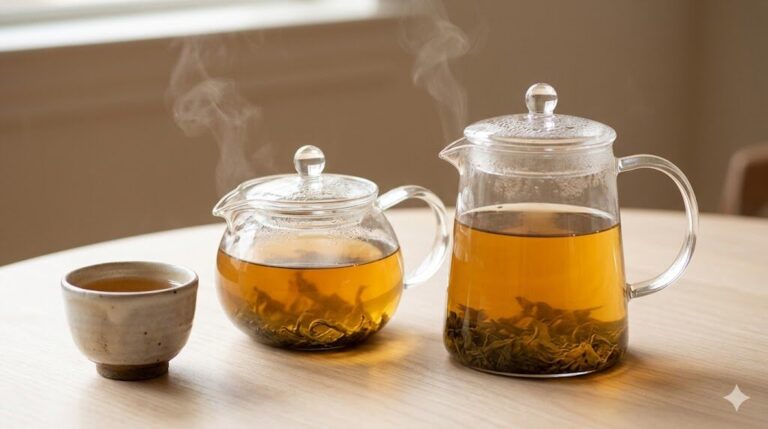
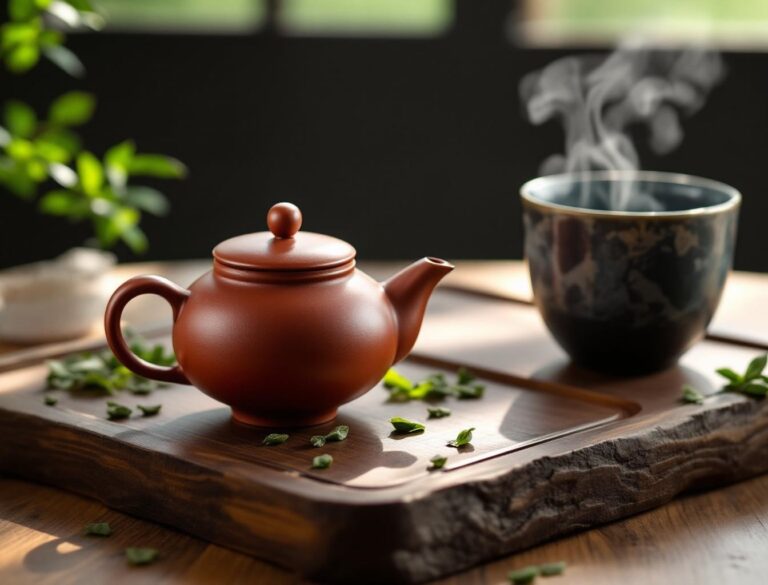
I have probably brewed more cups of genmaicha than any other Japanese tea over the past decade. Genmaicha (玄米茶) is a traditional Japanese green tea blended with roasted brown rice, producing a toast-like aroma and nutty flavor that makes it one of the most distinctive and approachable about genmaicha basics in the world of tea.
- The tea base is the single most important quality indicator — sencha-based genmaicha offers significantly more complexity and umami than cheaper bancha-based versions.
- Rice-to-tea ratio determines brew strength — a quality genmaicha should be roughly 50/50 by volume; blends skewed toward rice produce a thin, grain-dominated cup.
- Freshness is critical and often overlooked — always check the production or best-by date, and prioritize nitrogen-flushed or vacuum-sealed packaging.
- Matcha iri genmaicha is the most forgiving option for beginners — added matcha boosts umami and makes the tea harder to brew badly.
- Genmaicha is one of the most accessible entry points into Japanese tea — its toasty, approachable flavor profile wins over people who find plain green tea too grassy or bitter.
Here's what I actually look for when buying genmaicha, and what makes a good one worth paying more for.
🍵 Not sure genmaicha is your tea? Take our 60-second quiz: Find Your Perfect Japanese Tea
Get a personalized recommendation — plus a discount code for your first order.
What Makes a Good Genmaicha?
A good genmaicha comes down to four core quality markers: the tea base, rice-to-tea ratio, freshness, and particle uniformity. Understanding these distinctions separates genuinely excellent genmaicha from the cheap bagged versions that flood grocery store shelves.
The Tea Base Matters Most
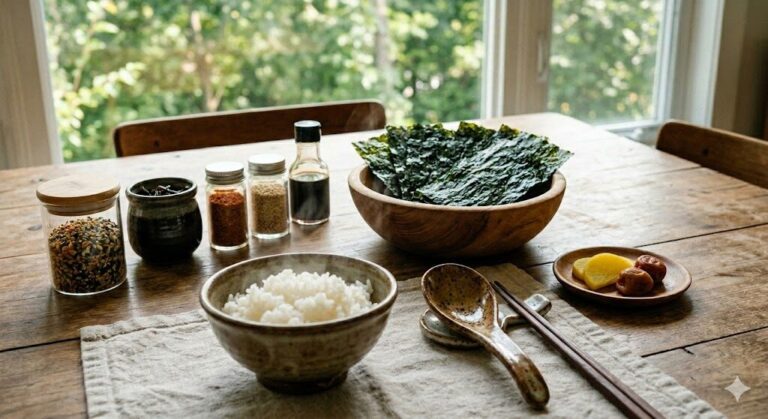
Genmaicha is made from either sencha or bancha, and this base tea dramatically affects the final quality. Sencha-based genmaicha has more complexity, umami depth, and vibrancy — it tastes like a real tea, not just roasted rice. According to Yamamoto et al. (1997, Chemistry and Applications of Green Tea), first-flush sencha contains the highest concentrations of theanine and the most prized flavor compounds — qualities that carry directly through into a high-quality genmaicha base. If you're curious about how genmaicha can be used beyond the cup, its unique flavor profile makes it a great ingredient for cooking applications.
If a genmaicha label doesn't specify sencha or bancha, it's probably bancha or a lower-grade blend. Premium genmaicha will tell you exactly where the tea came from.
Rice-to-Tea Ratio
There's no industry standard for how much rice goes into genmaicha. Budget versions often skew heavily toward rice (cheaper) and away from tea leaves (more expensive). A balanced genmaicha should be roughly 50/50 by volume. If you look in the bag and see 70% rice, expect a thin, predominantly grain-flavored brew.
Freshness
Genmaicha has a shorter shelf life than most people assume — especially the tea leaf component. Stale genmaicha loses the green tea freshness and just tastes like roasted rice water. Look for packaging with a production or best-by date, and prioritize teas that have been sealed properly (nitrogen flushed or vacuum sealed) rather than loose in a cardboard box.
Particle Size and Uniformity
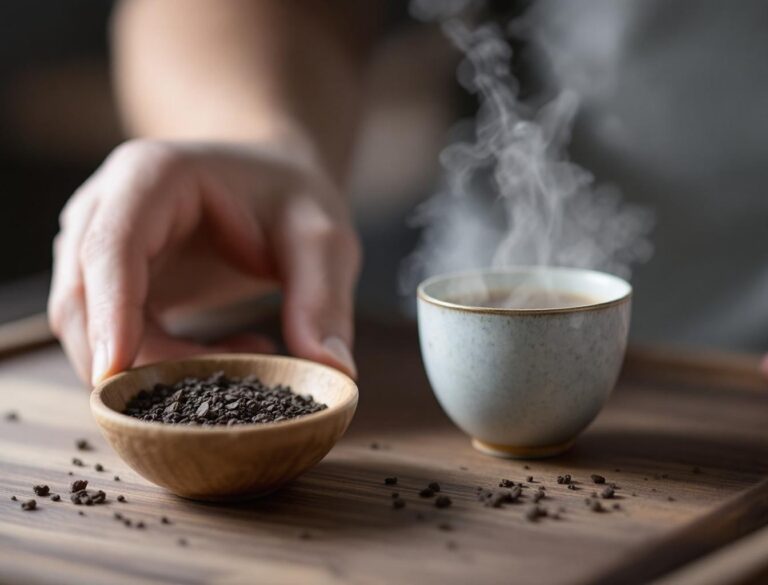
Higher-grade genmaicha uses whole or clearly defined broken pieces of rice and intact tea leaves. Lower-grade versions have a lot of tea dust and broken rice that produces an astringent, cloudy brew. Check the bottom of the package when you open it — a lot of dust suggests lower quality.
Genmaicha Types Compared
| Type | Tea Base | Flavor Profile | Caffeine Level | Best For | Price Range |
|---|---|---|---|---|---|
| Sencha-Base Genmaicha | Sencha (higher grade) | Complex, vegetal, nutty, umami-forward | Moderate (lower than plain green tea) | Flavor enthusiasts; daily drinkers who want a full-flavored cup | Mid–High |
| Bancha-Base Genmaicha | Bancha (lower grade) | Mild, grain-dominant, less vegetal | Low | Budget everyday drinking; high-volume households | Budget |
| Matcha Iri Genmaicha | Sencha or Bancha + matcha dust | Rich umami, slightly sweet, greener hue in the cup | Moderate–High | Beginners; those who prefer a richer, more forgiving brew | Mid |
| Cold Brew Genmaicha | High-leaf-ratio sencha blend | Smooth, mellow, lightly nutty, low bitterness | Low–Moderate | Summer drinking; iced tea preparation | Mid |
Caffeine reference: According to USDA FoodData Central (2024), brewed green tea contains approximately 29mg of caffeine per 237ml cup. Genmaicha‘s rice content dilutes the tea leaf proportion, resulting in a lower caffeine level per cup than plain brewed green tea.
Which Genmaicha Should You Buy? Our Top Picks
Best Overall: Our Japanese Genmaicha (Sencha Base)
Best for: Experienced tea drinkers and anyone who wants to taste what quality genmaicha actually is.
The genmaicha we carry at All Day I Eat uses whole-leaf sencha as the base rather than bancha or fannings. The rice is roasted brown rice with a good proportion of popped pieces, which add that characteristic nutty sweetness. What distinguishes it is that the green tea base is still clearly present in the cup — you taste the leaf, then the grain, then the two together. That balance is what separates it from cheaper versions where the rice overwhelms everything.
Best for Beginners: Any Matcha Iri Genmaicha
Best for: People new to Japanese green tea who want an approachable, forgiving brew with added richness.
Matcha iri genmaicha (genmaicha with matcha) is a good starting choice because the matcha adds umami and richness that makes the tea feel more “complete.” It's harder to brew badly than plain genmaicha, and the flavor is slightly more complex right out of the bag. Look for versions where the matcha is dusted on the leaves rather than in a separate packet — they integrate better during brewing.
Best Everyday Budget Option
Best for: High-volume daily drinkers who want a reliable cup without premium pricing.
For daily drinking where you're going through a lot of tea, the important thing is freshness over prestige. A mid-range Japanese brand (Itoen, Yamamotoyama, or similar) with a clear production date brings the best balance of quality and value — and you can rest assured it won't contain excessive caffeine, making it ideal for afternoon or evening drinking. For more detail on what to expect, see our guide on how much caffeine genmaicha contains.
Best for Cold Brew
Best for: Summer drinking, meal prep, or anyone who prefers iced Japanese tea.
Cold brew genmaicha wants a higher proportion of tea leaf for proper flavor extraction in cold water. Our sencha-base genmaicha works particularly well here. Avoid matcha iri genmaicha for cold brew — the matcha settles unevenly without heat.
What Should You Avoid When Buying Genmaicha?
Avoid these common pitfalls that consistently produce a disappointing cup, regardless of how well you brew.
- Genmaicha in paper teabags — the leaves and rice can't expand, resulting in thin, disappointing brew.
- Products without a date — genmaicha stored improperly or too long loses its fresh green tea character.
- Very cheap bulk genmaicha — often more rice stem and leaf dust than actual sencha or bancha leaves.
- Flavored genmaicha — added flavoring (cherry blossom, citrus) usually masks low-quality tea. Real genmaicha doesn't need enhancement.
How to Evaluate Genmaicha You Already Have
Smell the dry leaves before brewing — that's the fastest quality check available. Good genmaicha smells like roasted rice with a fresh, vegetal undertone from the tea leaves. If it smells only of roasted grain with no green note, the tea leaf may be stale or of low quality — but knowing how to brew genmaicha can help you extract the most flavor even from a modest batch.
How Should You Store Genmaicha?
Store in an airtight, opaque container away from heat, light, and strong odors — this is the single most effective way to preserve genmaicha‘s flavor. Don't refrigerate unless you have a proper sealed container — genmaicha will absorb refrigerator odors quickly. Once opened, aim to use within 4–6 weeks for best flavor.
Frequently Asked Questions
Is expensive genmaicha worth it?
Yes, up to a point. There is a meaningful quality difference between budget and premium genmaicha, primarily in the tea base. However, genmaicha tops out in quality relatively quickly compared to premium teas like gyokuro. A good mid-range sencha-base genmaicha at a reasonable price is often the sweet spot.
What's the difference between regular and matcha iri genmaicha?
Regular genmaicha is a blend of green tea and roasted brown rice; matcha iri adds a dusting of powdered matcha over that base. Matcha iri (with matcha) genmaicha adds a dusting of matcha over the standard genmaicha blend. The matcha contributes additional umami, slight sweetness, and a greener hue to the brew. It has slightly more caffeine than plain genmaicha.
Can I buy good genmaicha locally?
Yes — Japanese grocery stores and some Asian markets carry decent genmaicha, but freshness is harder to verify in person. Check the production date when buying in person. For consistent quality and freshness, ordering from a specialty Japanese tea source like our shop ensures you're getting properly stored tea.
How do I know if my genmaicha has gone stale?
Stale genmaicha loses its fresh green tea aroma — the clearest warning sign is a bag that smells purely of dry rice with no vegetal undertone. Stale genmaicha loses its fresh green tea aroma — it smells primarily of dry rice with no vegetal note. The brewed cup will taste flat, papery, or just like warm rice water. If you're unsure, compare it to a freshly opened bag.
What is the difference between sencha-base and bancha-base genmaicha?
Sencha-base genmaicha delivers noticeably more flavor complexity and umami; bancha-base is milder, more affordable, and appropriate for high-volume everyday use. The tea leaf base — whether sencha or bancha — determines the underlying character of the cup. Sencha is harvested earlier and processed to preserve more flavor compounds. Bancha uses later-harvest, lower-grade leaf that produces a simpler, more grain-forward result when blended with roasted rice.
Which Japanese Tea Are You? Take the 60-second quiz
“`
—