Kabusecha: Japan’s Hidden Gem Between Sencha and Gyokuro
Kabusecha sits in one of the most interesting positions in Japanese tea — shaded long enough to develop sweetness and umami, but not so long that it loses the fresh, grassy character of sencha. Most producers aim for a balance that highlights its versatility, making it a favorite among both casual drinkers and connoisseurs who appreciate its nuanced flavor. If you're curious to explore more about this unique tea, our detailed overview dives deeper into its history, production, and tasting notes.
This guide covers everything from the biochemistry of why shade changes tea to how to brew kabusecha properly, compare it against its shaded cousins, and know what to look for when buying.
What Is Kabusecha?
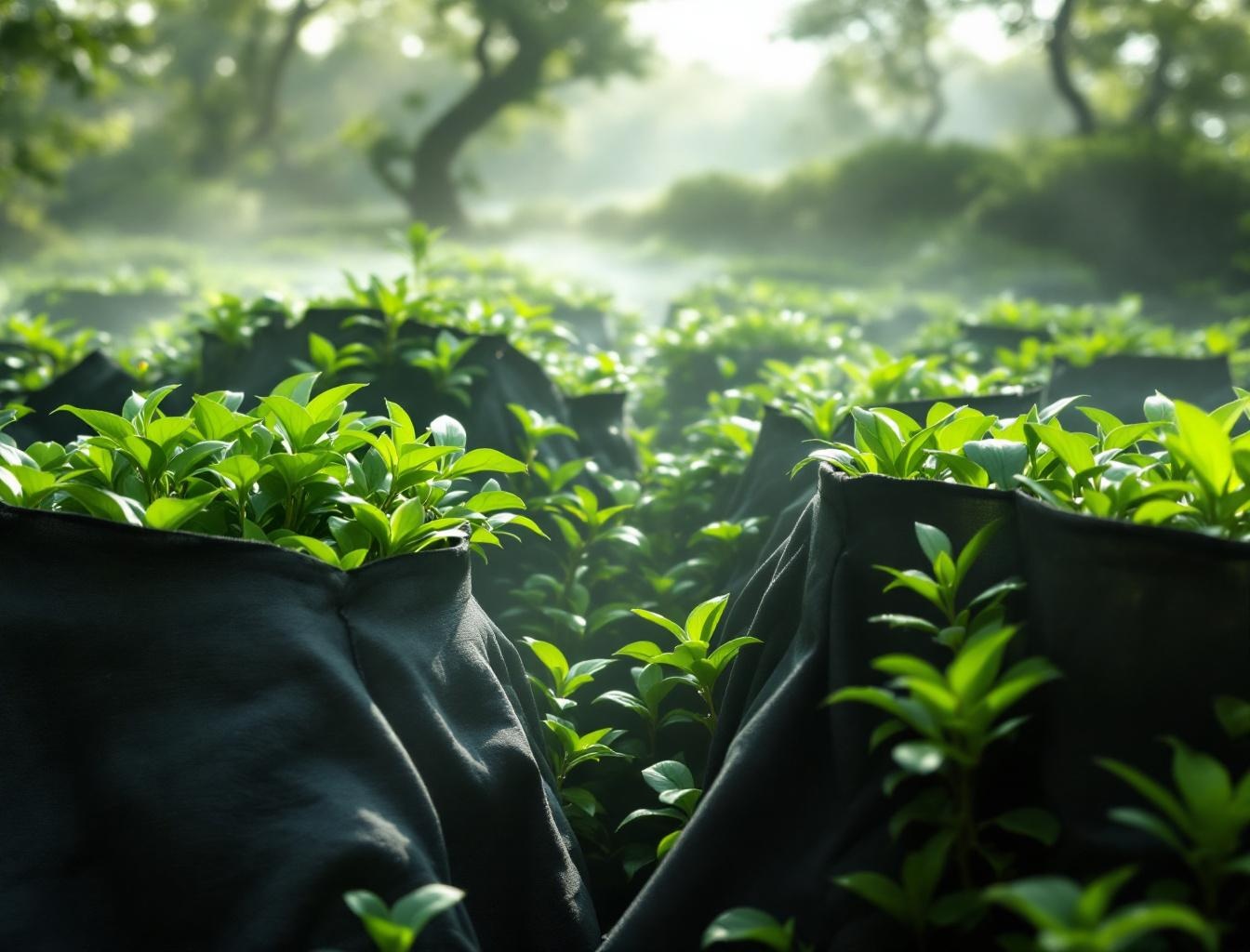
Kabusecha (被せ茶) literally translates to “covered tea.” The name describes the production method: tea plants are covered with shade cloth for 7 to 14 days before harvest, blocking roughly 50% of sunlight. This brief shading period positions kabusecha squarely between sencha (no shading) and gyokuro (20–30 days of shading at 70–90% light reduction).
The result is a green tea with noticeably more sweetness and lower bitterness than sencha, a hint of the marine ooika (covered aroma) found in gyokuro and matcha, but still with enough vegetal brightness to feel refreshing rather than rich. It's a gateway into shade-grown teas — approachable enough for everyday drinking, complex enough to satisfy serious tea drinkers.
The Shading Science Behind Kabusecha's Flavor
This is where kabusecha gets genuinely interesting — and where most tea guides stop short of explaining what's actually happening. Shading doesn't just “make tea sweeter.” It triggers a measurable biochemical stress response in the Camellia sinensis plant that fundamentally rewrites its chemical profile.
What Happens Inside the Leaf Under Shade
When a tea plant is deprived of sunlight, four key things happen simultaneously:
- Chlorophyll surges (up to 3x). The plant compensates for reduced photosynthesis by producing more chlorophyll to capture whatever light remains. This creates the vibrant, deep neon-green color characteristic of kabusecha — far more saturated than standard sencha.
- L-theanine accumulates. Under sunlight, the amino acid L-theanine is converted into catechins (astringent, bitter compounds that also act as the plant's UV sunscreen). When shade blocks that UV light, the plant no longer needs the sunscreen, so L-theanine is preserved. This is the primary driver of kabusecha's sweetness and umami character.
- Catechins decrease. Less UV exposure means less catechin production. Lower catechins = less bitterness and astringency. A cup of kabusecha will never bite you the way an oversteeped sencha does.
- Caffeine increases. Shade is stressful for the plant. As a defense mechanism against insects (caffeine is a natural pest deterrent), the plant ramps up caffeine production. This is why shaded teas are consistently higher in caffeine than unshaded teas.
The Ooika (Covered Aroma)
Kabusecha has a subtle version of what Japanese tea culture calls ooika (覆い香) — the “covered aroma.” This is the slightly marine, seaweed-adjacent fragrance present in all shade-grown teas. The chemistry behind it involves dimethyl sulfide (DMS), the same compound responsible for the ocean smell of marine algae. As catechins break down under shade, a chain of reactions produces DMS, which gives kabusecha its faint but distinctive oceanic note.
In gyokuro and matcha (shaded much longer), this aroma is pronounced and characteristic. In kabusecha, it's present but subtle — more of a backdrop note than the defining feature.
The CE/TA Ratio: Why Kabusecha Is Calming, Not Jittery
Researchers have developed a quantifiable indicator called the CE/TA ratio — the molar sum of Caffeine + EGCG (stimulating compounds) divided by Theanine + Arginine (relaxing compounds). When this ratio is below 3.0, the tea actively promotes stress relief rather than stimulation.
Because shading preserves L-theanine while reducing catechins, premium kabusecha and first-flush Japanese teas consistently fall below this threshold. This is the biochemical reason why shaded teas feel focused rather than jittery — the calming amino acids genuinely counterbalance the caffeine. Note: this ratio climbs with each subsequent steep as the amino acids exhaust faster than caffeine, so the calming effect is most pronounced in your first one or two cups.
Kabusecha vs. Gyokuro vs. Sencha vs. Matcha: Comparison Table
| Tea | Shade Duration | Light Blocked | L-Theanine | Bitterness | Caffeine | Flavor Profile | Price Range |
|---|---|---|---|---|---|---|---|
| Sencha | None | 0% | Low | Medium | Medium | Grassy, vegetal, bright | $ |
| Kabusecha | 7–14 days | ~50% | Medium-High | Low | Medium-High | Sweet, umami-tinged, fresh | $$ |
| Gyokuro | 20–30 days | 70–90% | Very High | Very Low | High | Deep umami, marine, brothy | $$$ |
| Matcha | 20–60 days | 70–95% | Very High | Varies by grade | High | Rich, creamy, savory (powdered) | $$–$$$$ |
The practical takeaway: kabusecha gives you a meaningful step up from sencha in sweetness and umami without the intensity and price premium of gyokuro. It's also forgiving to brew — not as temperature-sensitive as gyokuro — which makes it an excellent choice for everyday drinking.
Where Kabusecha Comes From
Mie Prefecture: The Home of Kabusecha
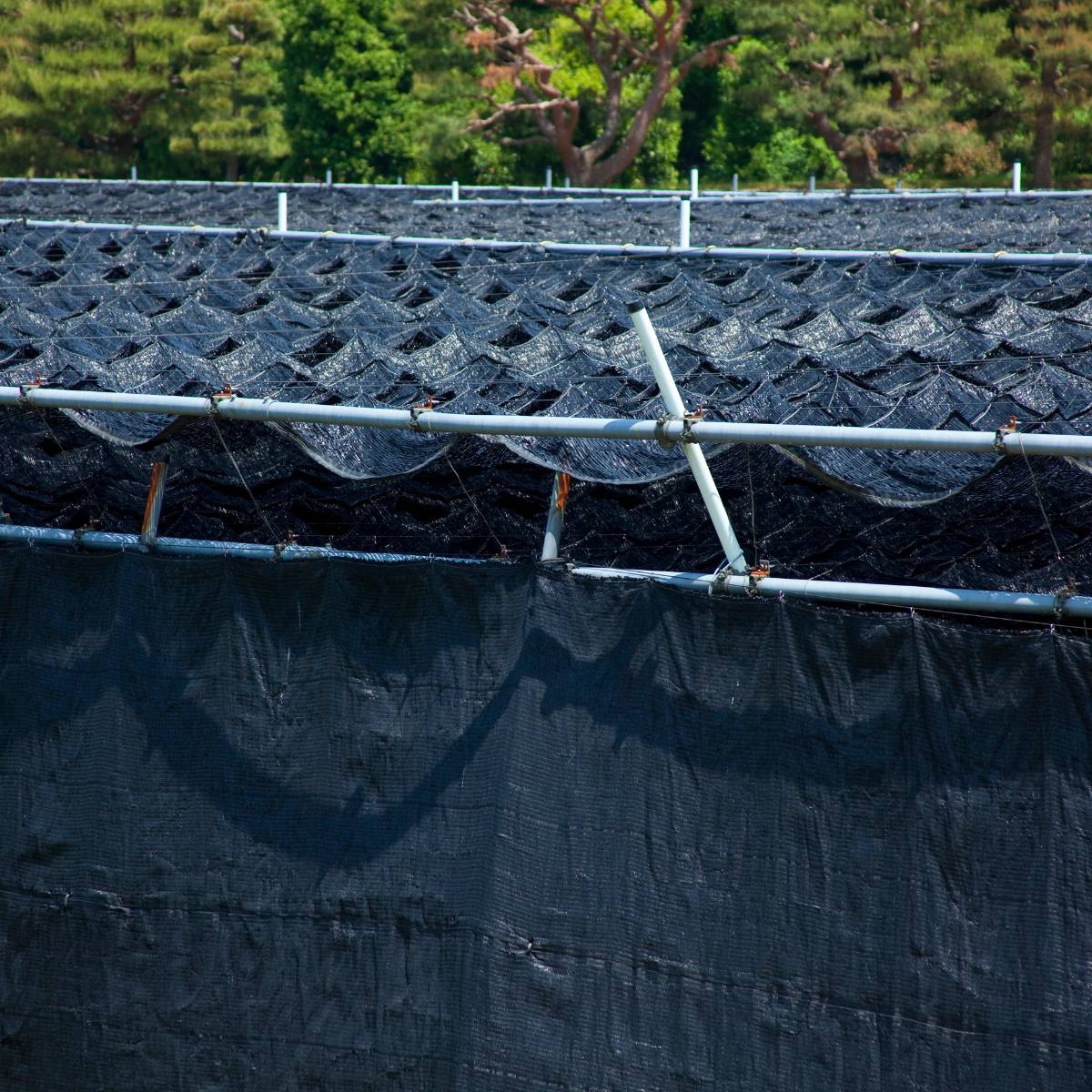
Mie Prefecture (伊勢茶 — Ise Tea region) is Japan's largest kabusecha producer by volume. The region's climate — humid, with relatively mild temperatures — suits the kabusecha style well. Mie producers typically use direct-shade methods (jikakabuse) where synthetic black cloth is draped over the bushes, blocking around 50% of sunlight.
Other kabusecha production occurs in Shizuoka, Uji, and Kagoshima, each adding their own terroir character. Kagoshima's flat volcanic plateau teas tend toward boldness; Shizuoka mountain teas offer more aromatic lift; Uji kabusecha carries the historic prestige of Japan's most celebrated tea region.
The 2025 Shift in Japanese Tea Geography
A significant industry moment happened in 2025: Kagoshima overtook Shizuoka as Japan's top first-flush tea producer by volume for the first time on record. A devastating April frost cut Uji's premium tencha production by 40%, driving auction prices up 116%. Shizuoka's production dropped 19% as the aging farming population retreats from steep, labor-intensive mountain plots.
For kabusecha buyers, this means the regional provenance story is shifting. Kagoshima's mechanized flat-land production brings efficiency; traditional shizuoka and Uji producers are moving into ultra-premium territory. When you see a kabusecha labeled with a specific region or farm, that specificity is increasingly meaningful — single-origin teas reflect genuine terroir rather than marketing.
Key Cultivars Used in Kabusecha
Just as wine grapes shape a wine's character, Camellia sinensis cultivars shape kabusecha's flavor. The most common cultivar is Yabukita (accounting for roughly 75% of all Japanese tea cultivation) — balanced, reliable, classic. But producers increasingly work with specialty cultivars:
- Okumidori — Late-budding, velvety, zero bitterness. Excellent for kabusecha as its late frost window reduces crop loss risk. Known for producing a smooth, creamy cup.
- Saemidori — Vivid neon-green color, intense sweetness. Highly prized but frost-sensitive (a real liability after 2025). Common in premium kabusecha from Uji producers.
- Asatsuyu — Sometimes called “natural gyokuro” because even without shading it develops deep umami. When shaded as kabusecha, it produces an exceptionally rich cup with pronounced sweetness.
Flavor Profile: What Does Kabusecha Taste Like?
Kabusecha is clean and sweet with a savory mid-note that opens up as you drink. The first impression is usually brightness — lighter than gyokuro, greener than matcha — followed by a gentle umami that doesn't dominate the cup. There's no harsh astringency when brewed correctly. The finish is soft and slightly marine if you're paying attention.
The aroma in the cup tends toward fresh seaweed or green vegetables, with occasional floral notes depending on the cultivar. Okumidori-based kabusecha often has an almost creamy quality; Saemidori versions are more vivid and sweetly grassy.
Think of it this way: if sencha is a crisp salad and gyokuro is a rich dashi broth, kabusecha is somewhere between — more complex than the salad, more approachable than the broth.
How to Brew Kabusecha
Kabusecha is more forgiving than gyokuro but still benefits from a lower temperature than you'd use for sencha. The lower temperature preserves the L-theanine sweetness and prevents the catechins from extracting aggressively.
| Parameter | Recommended | Notes |
|---|---|---|
| Water temperature | 160–170°F (70–77°C) | Lower than sencha (180°F), higher than gyokuro (140–160°F) |
| Leaf amount | 1 tsp (2–3g) per 6–8 oz | Err toward more leaf rather than more time |
| Steep time (1st) | 60–90 seconds | Shorter for a sweeter, umami-forward cup |
| Steep time (2nd) | 30–45 seconds | Second steep is often the most balanced |
| Steep time (3rd) | 45–60 seconds | Brighter, grassier character returns |
| Infusions | 2–3 total | Amino acids largely depleted by the third steep |
Brewing Tips
- Cool your water actively. Don't just let boiling water sit — pour it through a secondary vessel. Target 165–170°F, not “warm” as a guess.
- Use more leaf, less time. If your kabusecha tastes flat, add more tea before adding more steep time. Oversteeping extracts bitterness; more leaf extracts sweetness at the same steep time.
- Drain the pot completely. Don't leave tea sitting in hot water between infusions. Pour off every drop to prevent over-extraction.
- The second infusion is often the best. The leaves have opened, the amino acids are flowing freely, and the balance is usually ideal.
Iced Kabusecha
Cold brewing kabusecha produces a remarkably sweet, low-bitterness tea. Pack your teapot with a generous amount of leaf (4–5g per cup), add cold or room-temperature water, and refrigerate for 6–8 hours. The result is almost syrupy-sweet with clean green flavor — and a very low CE/TA ratio, meaning maximum calming effect from the L-theanine.
For a faster cold brew: brew double-strength with hot water (70°C), then immediately pour over ice. The rapid chill locks in the L-theanine sweetness and stops catechin extraction cold.
Kabusecha's Health Profile
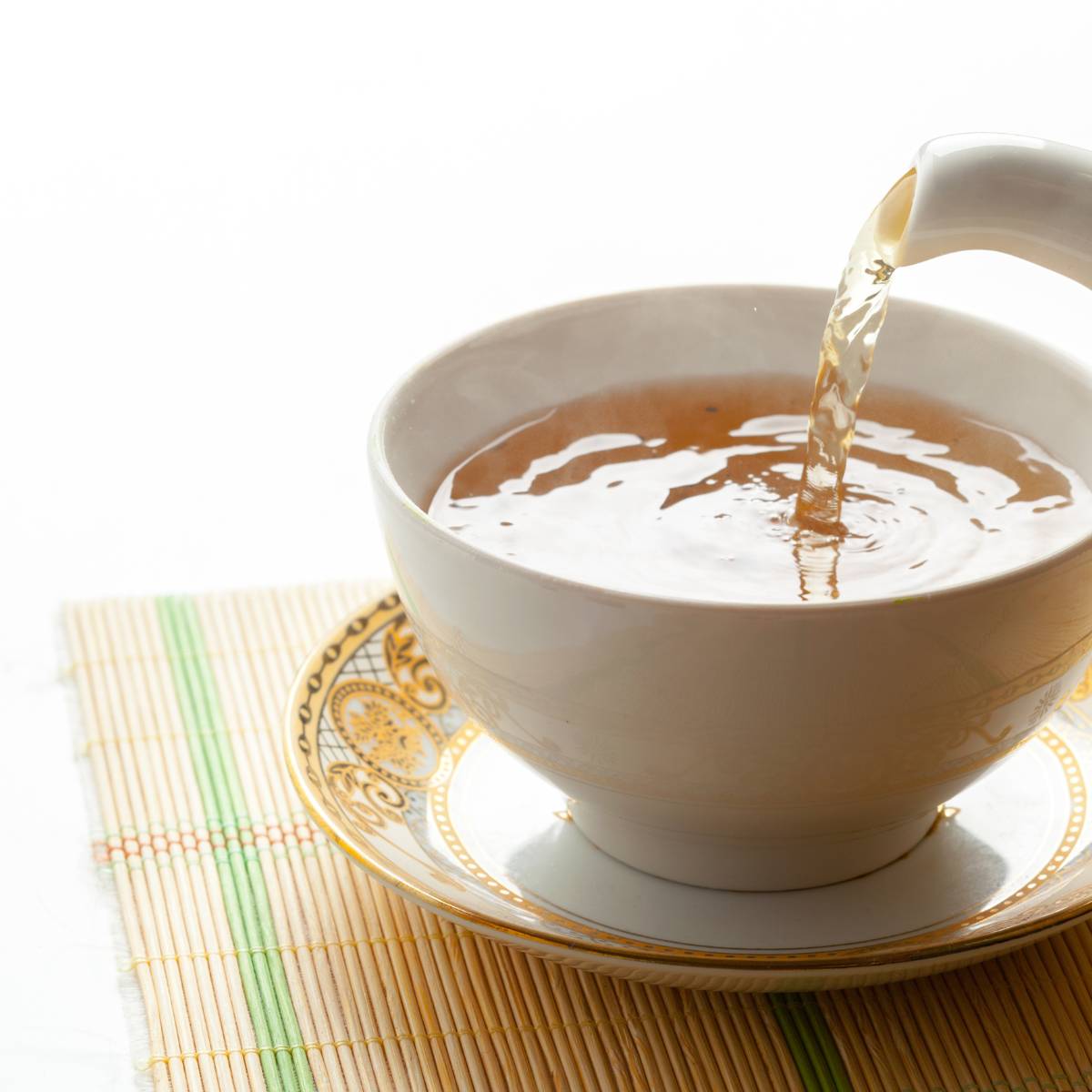
Shade-growing concentrates several compounds that studies associate with positive health outcomes. L-theanine is the most distinctive — at levels meaningfully higher than sencha — and research suggests it promotes alpha brain wave activity, which is associated with a calm, focused mental state without drowsiness. Combined with caffeine (also elevated compared to sencha), kabusecha delivers what many drinkers describe as “focused calm” rather than jittery alertness.
Catechins (particularly EGCG) are present in kabusecha, though at lower concentrations than in sencha — shading reduces catechin production. For those seeking maximum antioxidant catechin content, sencha or ban-cha is actually superior. For those prioritizing the calming amino acid profile and umami sweetness, kabusecha wins decisively.
The chlorophyll concentration in kabusecha is notably high — that vivid green color translates to a leaf dense with chlorophyll, which some research links to antioxidant activity. Vitamins C, B2, and various minerals including fluoride are present, as they are in most green teas.
Note: Studies suggest associations between green tea compounds and various health markers, but kabusecha should be enjoyed as a food and beverage, not as medical treatment for any condition.
How to Buy Kabusecha: What to Look For
Kabusecha is rarer in Western markets than sencha or matcha, so sourcing matters more. Here's what to evaluate:
Color
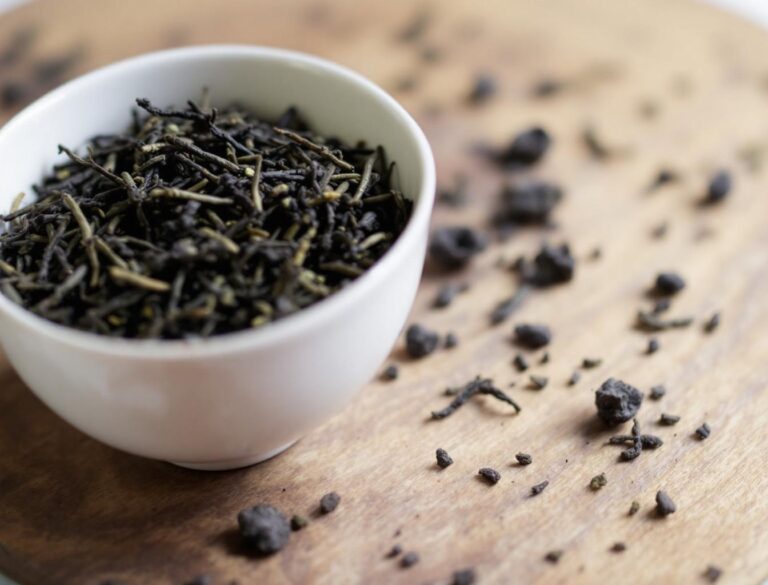
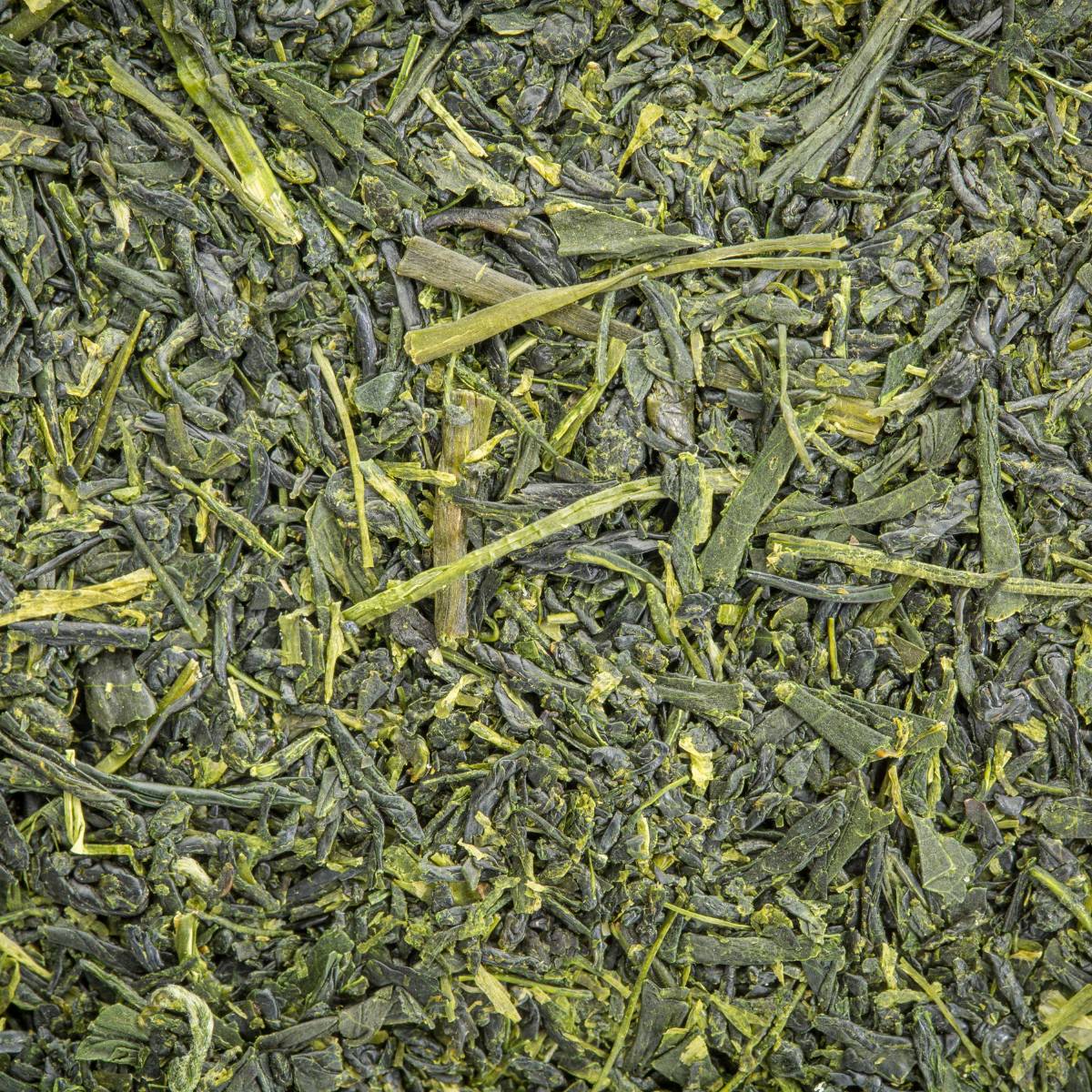
Good kabusecha is vividly, almost unnaturally green — deep emerald to dark neon. Pale or yellowish-green kabusecha suggests poor shading, old stock, or improper storage. The elevated chlorophyll content from shading should be immediately visible.
Aroma
Fresh kabusecha should smell sweet and green with a faint marine note — the ooika covered aroma. A flat, hay-like, or musty smell indicates the tea has degraded or been stored improperly.
Origin Specificity
Mie Prefecture is the most recognized kabusecha origin. Uji (Kyoto) and Yame (Fukuoka) producers also make excellent kabusecha. Vague origin labeling (just “Japan”) isn't necessarily disqualifying but specific regions or farms are a quality signal.
Harvest Date
First flush (shincha, May harvest) kabusecha is the most prized — highest L-theanine, most vibrant color, freshest flavor. Second flush is available but noticeably different. Green tea oxidizes over time; for kabusecha, aim to buy and consume within 3–6 months of the harvest date. Avoid anything without a clear production date.
Loose Leaf vs. Bagged
Kabusecha in tea bags is almost always poor quality — the confined space prevents the needle-shaped leaves from unfurling properly, and the grade of leaf used in bags is typically inferior. Loose leaf is the default for anyone serious about this tea.
How to Store Kabusecha
Kabusecha is more sensitive to storage conditions than heavily processed teas. Green tea oxidizes when exposed to oxygen, light, heat, and moisture — any of these degrade the L-theanine, chlorophyll, and aromatic compounds that make kabusecha worth drinking.
- Container: Airtight tin, opaque and sealed. Not glass (light damage) and not a bag with a zip-top (not airtight enough).
- Location: Cool, dark cupboard away from the stove. Not the freezer unless it's a large unopened quantity — the condensation cycle when you open and close a frozen container accelerates degradation.
- Duration: Once opened, consume within 3–4 weeks for peak flavor. Unopened, refrigeration (not freezer) extends shelf life to 6 months post-harvest.
- Away from odors: Tea absorbs smells aggressively. Don't store near spices, coffee, or anything strongly aromatic.
Frequently Asked Questions About Kabusecha
Is kabusecha the same as gyokuro?
No. Both are shade-grown, but gyokuro is shaded for 20–30 days at 70–90% light reduction — producing a much more intense, brothy, umami-heavy tea. Kabusecha is shaded for only 7–14 days at roughly 50% light reduction, resulting in a mellower profile that still tastes recognizably like green tea rather than concentrated seaweed broth. Gyokuro is also significantly more expensive.
How much caffeine does kabusecha have?
Typically 30–50mg per 8oz cup, depending on water temperature, steep time, and leaf quality. This is moderately higher than sencha due to the shading stress response that increases caffeine production. Less than coffee (80–100mg), but more than standard sencha (25–40mg). If you're caffeine-sensitive, brew at a lower temperature for less time — caffeine extraction is highly temperature-dependent.
Can I brew kabusecha multiple times?
Yes, 2–3 infusions work well. The first steep is richest in L-theanine sweetness; the second is often more balanced; the third is brighter and grassier. By the fourth steep, you're mostly extracting water-soluble compounds that don't contribute much flavor or benefit. Important: the calming amino acids (L-theanine, arginine) deplete faster than caffeine, so by the third or fourth steep, the tea's stress-relieving properties are largely gone even if the color remains.
Is kabusecha good for beginners to Japanese tea?
Yes, it's an excellent entry point for anyone stepping up from basic green tea or sencha. It has the forgiving brewing temperature range of sencha but noticeably more sweetness and complexity. Less polarizing than gyokuro (some people find the intense umami off-putting initially), and more interesting than standard sencha.
What's the difference between kabusecha and gyokuro in terms of shading method?
Kabusecha typically uses jikakabuse — synthetic black cloth draped directly over the bushes, blocking about 50% of light. Gyokuro uses either the same method with denser cloth (blocking 70–90%) or traditional honzu shading — reed and straw mat structures built over the plants that provide the most precise climate control and produce the highest quality, most expensive teas.
Does kabusecha taste like seaweed?
There's a subtle marine note (the ooika covered aroma from dimethyl sulfide) but it's nothing like eating nori. In kabusecha, the ooika is background — you might notice it in the dry leaf aroma and as a faint oceanic quality in the cup. It's much more subtle than in gyokuro or matcha, where the marine note is a defining characteristic. Most first-time kabusecha drinkers describe it as “pleasantly complex” rather than seaweed-forward.
When is the best time to drink kabusecha?
Kabusecha works well morning through afternoon. The L-theanine + caffeine combination supports focused work without the crash of coffee. It's gentle enough to drink 30 minutes before a meal without disrupting appetite. Avoid very late-day drinking if you're caffeine-sensitive — while L-theanine smooths the caffeine effect, it doesn't eliminate it.
Is kabusecha vegan?
Yes. Kabusecha is pure dried tea leaf — no additives, no animal products, no processing agents. It's also naturally gluten-free, though if you're highly sensitive, confirm that the facility doesn't process anything else on shared equipment.
What's the proper serving size?
Japanese tradition uses smaller cups (3–5oz) and multiple infusions rather than one large 8oz cup. This approach gives you more aromatic notes from the steam, lets you experience the tea's evolution across infusions, and regulates your caffeine intake more naturally. That said, a standard 6–8oz mug works fine if that's what you have.
Can I use kabusecha in cooking?
Yes. The spent leaves are edible and traditional — ochasoba (tea-leaf noodles) and rice dishes using spent tea leaves are common in Japanese cuisine. The flavor contribution is grassy-savory rather than strongly tea-flavored. You can also use finely ground kabusecha in marinades or dressings for a mild green tea note.
Looking to try some? Kabusecha (Covered Green Tea) 100g is available in our shop. For a broader introduction to Japanese green teas, the Japanese tea guide covers the full spectrum of styles and how to navigate them.
Related reads: Gyokuro — Japan's Most Premium Loose-Leaf Tea | Beginner's Guide to Japanese Tea | 15 Tips to Make the Perfect Cup of Japanese Tea