Genmaicha: Japan’s Toasted Rice Tea — Flavor, Types & Brewing
Genmaicha (玄米茶) is one of those teas that rewards you on every level — a nutty, warming brew with a uniquely forgiving character. It starts with high-quality Japanese green tea leaves blended with roasted brown rice, and what you get in the cup is something neither ingredient could produce alone: grassy freshness softened by toasty warmth, a brew that's approachable without being boring. If you're curious, explore the complete guide to genmaicha brown rice tea for the full story.
The flavor story is genuinely interesting, too. Because the roasted rice replaces anywhere from 40–75% of the tea leaf volume, genmaicha delivers a lower-caffeine cup than most green teas, with a mellow, popcorn-like character that sets it apart. If you've been looking for a green tea that's gentle, easygoing, and easy to brew well, you've found it.
The “People's Tea” — Genmaicha's Origins
Genmaicha didn't begin as a luxury beverage. It began as a solution to poverty. In feudal and early modern Japan, pure green tea was expensive enough that ordinary households rationed it carefully. Adding roasted brown rice — a plentiful, cheap filler — allowed families to stretch precious tea supplies without sacrificing the ritual of a warm cup. This is why genmaicha earned the nickname okyakusama no ocha (the people's tea) and was associated with Buddhist temple kitchens and working-class households.
The roasted rice does something unexpected: it improves the tea. The Maillard reaction during roasting produces pyrazines and furanone compounds — the same chemistry that makes toast and coffee smell good — which weave into the green tea's vegetal notes and create genmaicha‘s signature popcorn-and-grass profile. What began as a cost-cutting measure became a flavor innovation that spread worldwide.
Today, genmaicha is made across a quality spectrum. Traditional, lower-grade versions use bancha (late-harvest leaves) as the base — earthy, mild, forgiving. Premium versions swap in sencha or even gyokuro, producing a more complex cup with richer umami and more vibrant green tea character. The top tier is matcha-iri genmaicha, which adds a dusting of matcha powder for deeper color and a creamier sweetness.
What Makes Genmaicha Different: Two Ingredients, One Cup
Genmaicha's character draws from two distinct sources — the Camellia sinensis leaf and the roasted brown rice grain. Understanding what each contributes explains why this tea tastes so different from straight green teas.
From the Tea Leaf
- Grassy, vegetal notes — The green tea base brings the fresh, brisk character that makes genmaicha unmistakably a green tea rather than a grain infusion.
- A touch of umami — Especially in premium sencha- and gyokuro-based blends, the leaf contributes a savory depth that balances the rice.
- Caffeine — Present, but diluted by the rice — a cup of genmaicha carries roughly two-thirds the caffeine of the same cup of sencha.
- A bright green color — The leaf gives the brewed cup its pale jade tone before the rice's toasty character takes over.
From the Roasted Brown Rice
- Toasted-grain sweetness — The rice brings a gentle, popcorn-like sweetness that rounds out the green tea's edge.
- A nutty aroma — Roasting fills the cup with a warm, comforting fragrance you can smell before the first sip.
- Pyrazines — Aromatic compounds produced during roasting, responsible for the nutty, toasty scent.
- A soft, rounded body — The starch from the rice gives the brew a slightly fuller, smoother texture than a plain green tea.
Caffeine Comparison at a Glance
| Tea Type | Caffeine per Cup (8 oz) | Flavor character | Traditional Place |
|---|---|---|---|
| Sencha | 30–50 mg | Grassy, bright | The classic everyday cup |
| Genmaicha | 20–30 mg | Nutty, toasty, grassy | The all-day household pot |
| Hojicha | 15–25 mg | Roasted, caramel | The after-dinner cup |
| Bancha | 10–20 mg | Mild, earthy | The kitchen-table staple |
The caffeine reduction in genmaicha is structural, not a processing trick: the rice physically replaces leaf mass. When you brew a gram of genmaicha, roughly half of that gram is roasted rice — which contains zero caffeine. This simple dilution effect makes genmaicha one of the lowest-caffeine green teas available.
What Makes Genmaicha a Pleasure to Drink
Genmaicha's appeal is all about flavor and easygoing character. Here's what makes it such a beloved everyday cup.
1. The Toasty Aroma
Before you even taste it, genmaicha announces itself with a warm, nutty fragrance — toasted grain, a hint of popcorn, the comforting smell of something roasting. The pyrazines released when the rice is roasted carry this aroma straight out of the cup, and for many drinkers it's the single most memorable thing about the tea.
2. A Mellow, Approachable Flavor
Where pure sencha can be grassy and bracing, genmaicha is rounded and gentle. The roasted rice softens the green tea's sharper notes and adds a toasted-grain sweetness, producing a cup that's friendly to newcomers and satisfying to longtime tea drinkers alike. It's one of the easiest green teas to enjoy without any acquired taste.
3. Naturally Low in Caffeine
With far less caffeine than sencha — thanks to the rice diluting the leaf — genmaicha is the pot Japanese households keep going from morning to evening. It's a natural choice for an after-dinner cup when a stronger green tea would feel like too much.
4. A Smooth, Rounded Body
The starch from the roasted rice gives the brew a slightly fuller texture — what tea drinkers sometimes describe as a “rice water” quality. It makes genmaicha feel comforting and substantial in the cup without being heavy.
5. Forgiving to Brew
Genmaicha is one of the most forgiving green teas to prepare. It tolerates a wide temperature range and a generous steeping window without turning harsh, so you get a pleasant cup even without precise measurements — perfect for everyday, unfussy brewing.
6. Endlessly Versatile
Hot in winter, cold-brewed in summer, paired with a meal or sipped on its own — genmaicha fits almost any occasion. Its toasty-grassy profile is also a natural match for savory Japanese food, which is why it's such a fixture on restaurant tables.
7. A Cozy Evening Cup
The warm, toasted aroma makes genmaicha the cup many Japanese households pour after dinner. It delivers the ritual and flavor of a real green tea in a gentle after-dinner cup.
Genmaicha vs. Sencha: Key Differences
| Feature | Genmaicha | Sencha |
|---|---|---|
| Base ingredient | Green tea + roasted brown rice (50/50) | Pure first-flush green tea leaves |
| Caffeine | 20–30 mg/cup | 30–50 mg/cup |
| Unique notes | Toasted rice, popcorn, pyrazines | Fresh-cut grass, more amino-acid umami |
| Body | Smooth, slightly rounded | Brisk, lively |
| Traditional place | The all-day household pot | The classic morning cup |
| Flavor | Nutty, toasty, grassy | Grassy, vegetal, bright |
| Price point | More affordable | Premium (especially first flush) |
Types of Genmaicha Worth Knowing
Standard Genmaicha (Bancha Base)
The traditional, everyday version uses bancha (late-harvest tea) as the green tea component. This makes it the most affordable and most forgiving brew — mild, earthy, with prominent roasted rice character. Excellent as a daily drinker and genuinely pleasant served piping hot in winter.
Premium Genmaicha (Sencha Base)
Using sencha as the base elevates genmaicha significantly. You get a brighter, more complex flavor — the green tea's grassy brightness plays against the rice's warmth rather than getting submerged by it. Requires slightly lower brewing temperatures (80°C vs. 85°C) to prevent bitterness.
Matcha-iri Genmaicha (With Powdered Matcha)
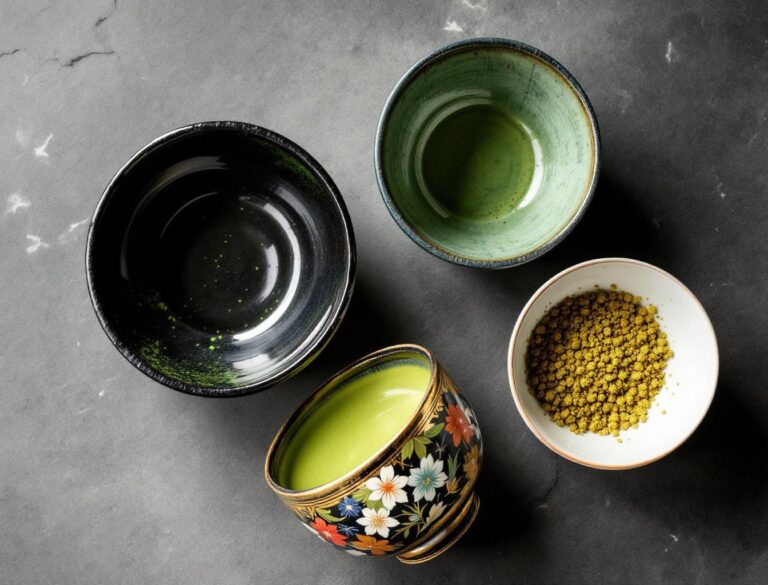
Matcha-iri genmaicha adds stone-ground matcha powder to standard genmaicha, turning the brew a vivid green. It adds a creamier sweetness and boosts the tea's visual appeal. Worth knowing: the matcha settles during brewing, so give the pot a gentle swirl before pouring. This is the version for anyone after genmaicha‘s gentleness with a bolder, greener flavor.
Gyokuro-Based Genmaicha
Rare and expensive, but remarkable: gyokuro's intense umami transforms the blend into something almost brothy. The rice grounds the shaded tea's intensity into something approachable. Reserved for special occasions or serious tea enthusiasts.
How to Brew Genmaicha for the Best Flavor
Brewing temperature matters more than most people realize. Water that's too hot (above 90°C) produces harsh tannins; too cool (below 75°C) under-extracts both flavor and aroma.
| Parameter | Standard Genmaicha | Sencha-Base Premium | Matcha-iri Genmaicha |
|---|---|---|---|
| Water temperature | 80–85°C (176–185°F) | 75–80°C (167–176°F) | 80°C (176°F) |
| Tea quantity | 1 tsp / 2g per 200ml | 1 tsp / 2g per 200ml | 1 tsp / 2g per 200ml |
| Steep time (1st) | 60–90 seconds | 45–60 seconds | 60 seconds |
| Re-steeps | 2–3 times | 2–3 times | 1–2 times |
| Flavor tip | Add a squeeze of lemon | Best drunk fresh | Swirl before pouring |
Cold brew genmaicha (mizudashi method): Add 2 tablespoons of genmaicha per 500ml of cold, filtered water. Refrigerate for 3–4 hours or overnight. The result is a naturally sweet, very low-caffeine cold brew with minimal bitterness. Perfect for summer.
Teaware note: A kyusu (Japanese side-handle teapot) with a built-in mesh strainer is ideal for genmaicha — the popped rice grains can clog fine basket infusers. Pour every last drop to prevent over-extraction between infusions.
Who Loves Genmaicha
Genmaicha‘s lower caffeine and gentle, nutty character make it a favorite for a broad range of tea drinkers:
- Those who find sencha too strong — The mellow flavor and lower caffeine make it an easygoing alternative.
- Everyday drinkers — It's the classic Japanese household tea, poured freely from morning to night.
- Evening drinkers — One of the few green teas that genuinely works as an after-dinner cup.
- Those new to green tea — The nutty, toasty flavor is significantly more approachable than pure sencha's grassy intensity.
- Food pairers — Its toasty-grassy profile is a natural match for savory Japanese meals.
Explore Our Genmaicha Collection
We source genmaicha directly from Japanese producers who use whole-grain roasted rice (not puffed rice dust) and quality green tea bases. Whether you want the everyday-drinker bancha base or the premium sencha-base version, our collection gives you the real thing. View our genmaicha collection →
Frequently Asked Questions About Genmaicha
Does genmaicha have caffeine?
Yes, but significantly less than most green teas. A cup of genmaicha contains approximately 20–30 mg of caffeine, compared to 30–50 mg in sencha and 70–100 mg in a cup of coffee. The roasted rice physically replaces half or more of the tea leaf, diluting the caffeine content proportionally. This makes genmaicha the mellowest brew in the everyday lineup.
What does genmaicha taste like?
Warm, nutty, and gently grassy — like toasted rice water with a green tea backbone. The roasted rice brings a popcorn-like quality that makes it instantly recognizable. Higher-quality versions using sencha as the base have a brighter, more complex character; bancha-base versions are earthier and more mellow. It's one of the most approachable of all Japanese green teas for people new to the category.
What is matcha-iri genmaicha?
Matcha-iri genmaicha is standard genmaicha blended with powdered matcha. The matcha turns the brew a vibrant green and adds a creamier sweetness compared to plain genmaicha. It's an excellent option for those who want genmaicha‘s approachability with a bolder, greener flavor. Swirl the pot before pouring since matcha settles.
How does genmaicha compare to hojicha?
Both are lower-caffeine Japanese teas with a toasty character, but they're made differently. Genmaicha is green tea blended with roasted rice — you taste the fresh green tea alongside the nutty grain. Hojicha is green tea that's been roasted itself, producing a different aromatic profile with more smoky, caramel notes and even less caffeine. Genmaicha keeps more of the fresh green tea flavor; hojicha is fully roasted through and through.
What is the best way to brew genmaicha?
Use water at 80–85°C (176–185°F) — hot enough to extract flavor from the rice, cool enough to keep the cup smooth. Steep for 60–90 seconds. A kyusu teapot with a mesh strainer works best since the popped rice grains can clog fine infuser baskets. Pour every drop before the next infusion to prevent over-extraction. You can re-steep genmaicha 2–3 times.
Can I cold brew genmaicha?
Yes, and the cold-brew version is excellent. Use 2 tablespoons per 500ml of cold filtered water, steep in the refrigerator for 3–6 hours. Cold brewing extracts very little caffeine and produces a naturally sweeter, more delicate flavor without bitterness. It's one of the best summer iced teas in the Japanese green tea family.
Why is genmaicha so affordable?
Because roasted brown rice makes up roughly half of the blend, less tea leaf goes into each gram than in a pure sencha. That's the same reason genmaicha originated as a household economy tea — and it remains one of the best-value Japanese green teas you can buy.