What makes genmaicha chazuke the ultimate comfort food in Japanese home cooking?
What makes genmaicha chazuke the ultimate comfort food in Japanese home cooking?
Genmaicha chazuke represents the soul of Japanese domestic cooking—a deceptively simple dish that transforms humble rice, hot tea, and minimal toppings into something profoundly nourishing and deeply satisfying. Genmaicha, which combines roasted green tea with roasted rice kernels, creates a unique beverage that's lighter than hojicha yet more complex than plain sencha. When poured over warm rice, the tea rehydrates the rice slightly, awakening its starches while infusing it with subtle toasted grain notes and vegetal sweetness. The roasted rice kernels in the tea sink to the bottom, creating a textural contrast—soft rice, delicate tea, and a whisper of nutty grain. I've served this dish to everyone from culinary students to skeptical Western diners, and I watch their expressions shift from polite interest to genuine contentment within the first spoonful. There's something almost medicinal about genmaicha chazuke—in traditional Japanese herbalism, it's prescribed for digestive recovery and gentle nourishment. The pharmacist in me recognizes this isn't folklore; genmaicha's brown rice provides B vitamins and fiber while green tea contributes antioxidants, making this genuinely nutritious comfort food.
Why genmaicha chazuke deserves a place in your daily cooking rotation
Chazuke teaches you fundamental Japanese flavor principles in about 90 seconds of active preparation. The dish demonstrates how a single liquid (tea) can entirely transform a starch (rice), how minimal ingredients create maximum satisfaction, and how temperature and timing matter as much as any technique. Beyond pedagogy, genmaicha chazuke solves practical problems: it's a perfect late-breakfast or light dinner when you want something warm but not heavy; it's an elegant way to repurpose leftover rice; it's naturally adaptable to whatever proteins or vegetables you have available. The genmaicha brewing method I'll share—a specific water temperature and steeping time—ensures the tea supports rather than overwhelms the rice. This is especially important if you're using premium toasted rice kernels; the flavor difference between a five-dollar and fifteen-dollar box of genmaicha is immediately apparent when the tea is the dish's centerpiece rather than a side beverage.
Genmaicha quality and toasted rice tea extraction: ingredient deep-dive
Genmaicha exists on a spectrum, and understanding this spectrum directly impacts your chazuke's quality. On the economy end, you'll find blends where roasted rice comprises thirty to forty percent of the mix—the rest is lower-grade green tea. These work fine for casual drinking but create a somewhat thin chazuke. Premium genmaicha uses fifty to sixty percent roasted rice with higher-grade green tea leaves, creating a more balanced, aromatic beverage. The absolute best genmaicha uses roasted rice kernels from the first harvest season, combined with gyokuro or high-grade sencha. This is expensive—twenty to thirty dollars per one hundred grams—but creates a chazuke that's genuinely special—the rice's caramel notes blend with the tea's subtle sweetness into something unforgettable.
The roasted rice itself matters enormously. Each kernel should be uniform in color—a warm, golden brown with no pale centers or dark burnt spots. If you're seeing inconsistent coloring, the roasting batch had temperature fluctuations, which means uneven flavor. The size also matters; kernels should be roughly one quarter inch, neither powder nor whole rice grains. When the genmaicha brews, these kernels gradually soften and release their starch into the water, creating a slightly thickened, creamy tea that clings to the rice grains beautifully.
For brewing the chazuke itself, water temperature is critical. The ideal temperature is one hundred sixty to one hundred seventy-five degrees Fahrenheit. This range extracts the toasted rice's sweet, malty notes while keeping the green tea's character bright rather than grassy. Water that's too hot—above one hundred eighty-five degrees Fahrenheit—makes the green tea component bitter and masks the rice's delicate caramel notes. Water that's too cool—below one hundred fifty-five degrees Fahrenheit—creates a thin, somewhat flat-tasting chazuke that doesn't properly meld with the rice. I recommend using a kettle with temperature control—investments of forty to sixty dollars for a reliable electric gooseneck kettle pay dividends across all Japanese tea brewing.
The rice itself should be day-old or older. Freshly cooked rice is too soft and breaks down into mush when the hot tea hits it; rice that's been refrigerated for a day or more has firmed up slightly and maintains its texture integrity. This is one of the rare instances where leftovers are genuinely superior to freshly cooked rice.
Expert techniques for brewing the perfect genmaicha pour
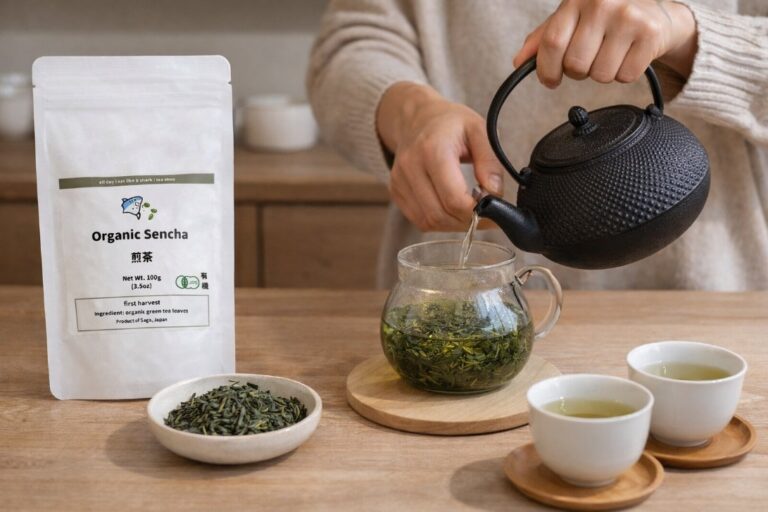
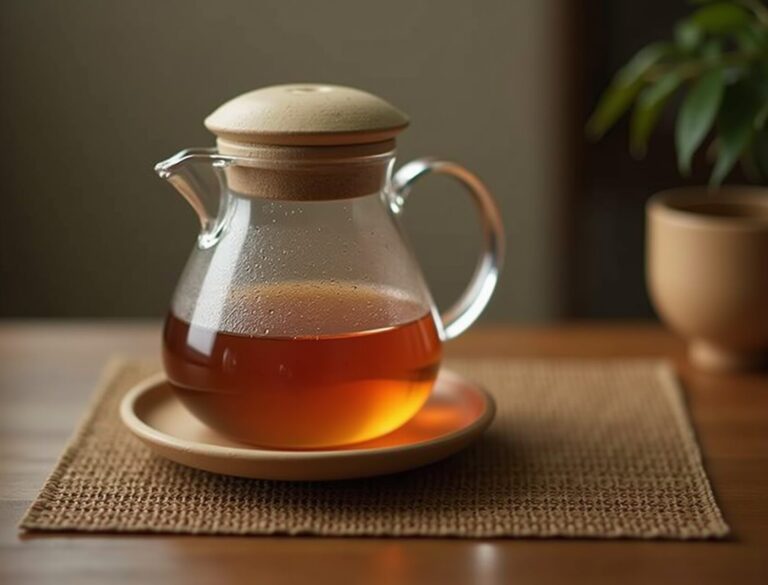
The two-phase brewing method prevents over-extraction. First, brew the genmaicha separately in a small pot or kettle. For a one-point-five-cup serving of chazuke, use zero-point-seventy-five teaspoons of loose genmaicha—or one tea bag. Pour one hundred sixty to one hundred seventy-five degrees Fahrenheit water over the tea and let it steep for exactly two minutes. Timing is essential—at two minutes, you've extracted the roasted rice's sweetness and the tea's subtle grassy notes without bitterness. At three minutes, the astringency becomes apparent. Transfer the tea into a fresh cup to stop the steeping immediately. This two-step method gives you control that steeping directly over the rice doesn't provide.
The temperature gradient matters for rice integration. Your rice should be warm but not piping hot—ideally one hundred forty to one hundred sixty degrees Fahrenheit. If the rice is room temperature, the tea will cool rapidly and the flavors won't integrate properly. If the rice is steaming hot—above one hundred eighty degrees Fahrenheit—the suddenly intense heat will cause the starch to rupture, creating that mushy texture you're trying to avoid. To achieve the right rice temperature, briefly reheat your prepared rice in the microwave—thirty to forty-five seconds for a single bowl—or in a small saucepan over low heat, stirring gently. The rice should be warm enough that you'd hesitate to immediately grab the bowl with bare hands.
The pour technique determines flavor distribution. Pour the tea slowly and deliberately, starting from the center of the bowl and spiraling outward. This ensures even distribution and allows the tea's flavor to spread gradually rather than creating concentrated pockets. Pour approximately seventy-five to eighty-five percent of the tea initially, leaving some in reserve. After the first pour, let the rice and tea rest for twenty to thirty seconds—this allows the tea to soak into the rice granules. Then add the remaining tea. This two-pour method creates superior texture and flavor integration compared to a single pour.
Topping placement affects flavor progression. If you're adding salmon or other proteins, place them on the surface rather than mixing them into the rice. This ensures they retain their own texture and don't absorb excess moisture from the tea. Similarly, fresh toppings like sliced scallions or nori should be added after the final tea pour—the residual heat will gently warm them without cooking them, preserving their brightness.
The listening ear technique reveals doneness. This sounds poetic but it's genuinely useful: after you've made chazuke several times, listen to the sound as you stir. Fresh, perfectly integrated chazuke makes a soft, almost whispering sound as you mix rice with the tea-soaked surface. If it sounds loud or crunchy, the rice hasn't absorbed enough tea yet; give it another ten to fifteen seconds. This auditory feedback develops with practice and becomes a reliable indicator of texture.
Flavor variations and topping strategies
The umami-forward salmon chazuke: Top with one to two ounces of tea-smoked salmon arranged on the surface. The salmon's inosinate compounds create a savory depth that transforms chazuke from comforting to sophisticated. Add a small dollop of yuzu mayo and a few shiso leaves. This version works beautifully for lunch or light dinner.
The vegetable-forward chazuke: Layer thinly sliced cucumber, a few thinly sliced shishito peppers sautéed until charred then cooled, and a handful of fresh edamame. This is the summer version—light, bright, cooling. The genmaicha's warm roasted notes provide contrast to the cool vegetables.
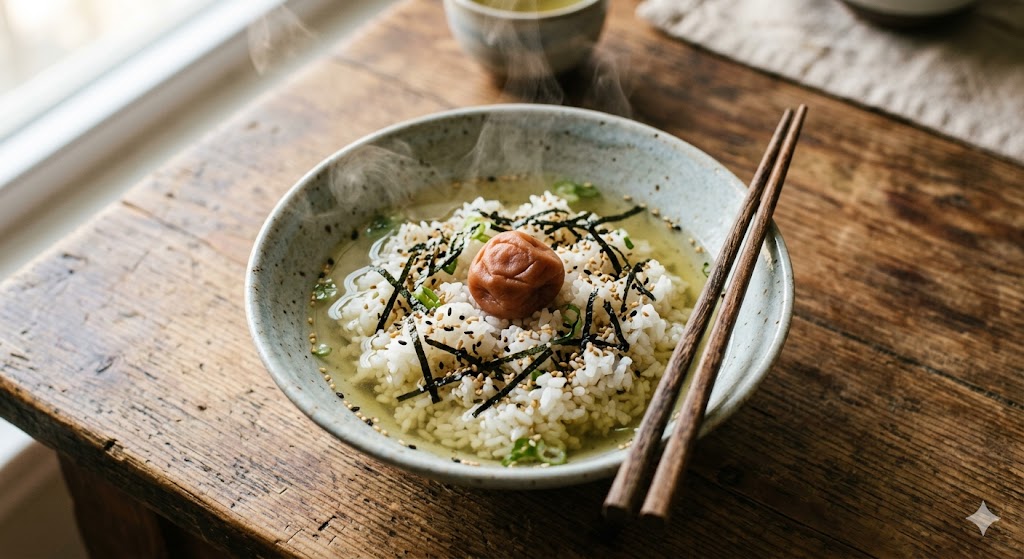
The umeboshi-nori variation: This is the traditional comfort-food version. Place a single umeboshi in the center of the rice, tear a piece of nori into small strips and scatter on top. The umeboshi's salty-sour intensity is cut beautifully by the genmaicha's sweetness. Add a few drops of tamari or shoyu around the plum if you want additional savory depth. This version is what Japanese students eat when they're studying late, what workers eat for quick lunch, what people eat when they're recovering from illness.
The fugu-inspired delicate version: Create a drift of daikon sprouts across the rice, top with micro shiso, and add a tiny amount of wasabi paste on the side. The idea is maximum aromatic complexity with minimal bulk—this is chazuke that celebrates the genmaicha itself rather than hiding behind toppings.
The double-tea method for complexity: Brew half the genmaicha as described, but brew the other half as a cold concentrate. Prepare the rice with hot genmaicha as usual, then swirl a small amount—about one tablespoon—of the cold concentrate on top just before serving. The temperature gradient creates subtle flavor layering—the cold concentrate's more pronounced roasted rice character sits on the surface.
Equipment considerations for genmaicha chazuke
You actually need very little: a pot or kettle for heating water, a small cup or bowl for brewing the tea separately, and your serving bowl. That said, a few investments improve the experience. A gooseneck kettle with temperature control—forty to eighty dollars—eliminates guesswork around water temperature. A quality tea infuser or small strainer—fifteen to twenty-five dollars—helps if you're using loose genmaicha rather than tea bags. Your serving bowl should be ceramic or porcelain, ideally six to eight inches in diameter and at least two inches deep. The reason: ceramic retains and gradually releases heat, keeping your chazuke at the ideal temperature throughout eating. Glass bowls cool too quickly; metal bowls conduct heat too rapidly and can make the tea taste slightly metallic.
A small wooden spoon or rice paddle is helpful for stirring—wood doesn't conduct heat and feels more pleasant on the lips than metal. Finally, if you make chazuke regularly, a small rice cooker with a keep-warm setting allows you to have properly temperature-controlled rice ready at any time, not just immediately after cooking. This single appliance removes the biggest variable from the chazuke equation.
Frequently asked questions about genmaicha chazuke
Can I use tea bags instead of loose genmaicha? Yes, though loose tea typically tastes better because the roasted rice kernels expand properly and contribute their full character. Tea bags often contain smaller, broken rice pieces that contribute less nuance. That said, quality genmaicha tea bags are convenient and work perfectly well for everyday preparation. Just ensure you're using full-leaf tea bags and adjust steeping time to one-point-five minutes instead of two minutes, since the bags contain finer particles.
What if I don't have day-old rice? Spread freshly cooked rice on a plate and let it cool completely, then briefly reheat it. This approximates the texture of refrigerated rice because the cooling process allows the starch to set. It's not identical to overnight-refrigerated rice, but it's a workable alternative. The key is avoiding piping-hot rice straight from the cooker.
How do I know if my genmaicha is high quality? Look at the visual composition: you should see intact green tea leaves and uniform, golden-brown roasted rice kernels. Smell it—quality genmaicha has a pronounced toasted grain aroma with underlying grassy notes; lower-quality blends often smell primarily of rice. Taste a small amount dry: the roasted rice should taste almost sweet, like popcorn or roasted chestnuts, not bitter or burnt. Finally, steep some and observe: quality genmaicha creates a clear golden-amber liquid; low-quality genmaicha often looks murky or grayish.
Can I add milk or cream to genmaicha chazuke? Technically yes, but I wouldn't recommend it. The delicate balance between the tea's vegetal notes and the rice's starch is disrupted by dairy fat. However, if you want a creamier mouthfeel, you could add a small amount—about one tablespoon—of unsweetened coconut milk for a Japanese-influenced twist—coconut's subtle sweetness complements roasted rice better than dairy does.
Is genmaicha chazuke supposed to taste bitter? No. If your chazuke tastes bitter, your water was too hot or your steeping time was too long. Remake it with slightly cooler water—aim for one hundred seventy degrees Fahrenheit instead of one hundred seventy-five degrees Fahrenheit—and steep for only one-point-five minutes. Well-made genmaicha chazuke should taste gently sweet, warming, with a subtle roasted grain character. It should feel nourishing rather than challenging.
Storage, meal planning, and serving rhythms
Store unbrewed genmaicha in an airtight, opaque container away from light and heat. Roasted rice kernels oxidize over time, and exposure to light accelerates this process. A properly stored tin will maintain quality for six to eight months; after that, the roasted rice loses its vibrant flavor. Keep your prepared rice in the refrigerator in an airtight container for up to five days. Cold rice reheats beautifully—thirty seconds in the microwave restores its ideal serving temperature.
Genmaicha chazuke is most satisfying as a breakfast or light dinner. It's not meant to be heavy; it's meant to be nourishing and restorative. In traditional Japanese homes, it's the dish you eat on quiet mornings before a busy day, or in the evening when you want something warm but not demanding. Seasonally, it's perfect year-round—in summer, serve it at a slightly cooler temperature with bright vegetable toppings; in winter, let it steam and add rich toppings like salmon or mushrooms.
Make it part of your routine. Every few days when you cook rice, cook an extra half cup. Store it properly, and you'll always have the base for an elegant, nourishing meal ready in ninety seconds. This is how genmaicha chazuke works in real life—not as an occasion dish, but as a reliable, deeply satisfying staple.