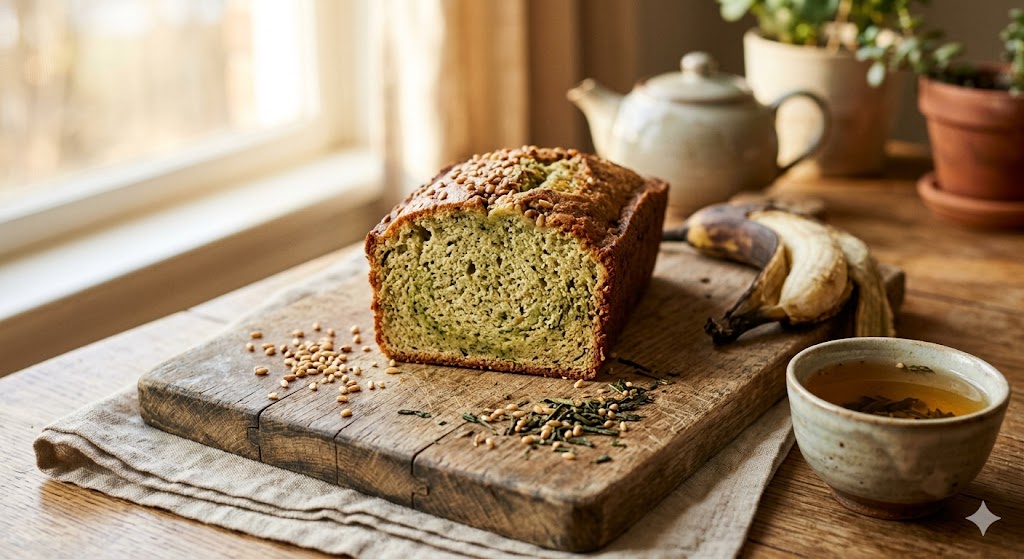
Genmaicha Banana Bread — Toasted Rice Tea Loaf with Overripe Banana
Genmaicha Banana Bread — Toasted Rice Tea Loaf with Overripe Banana
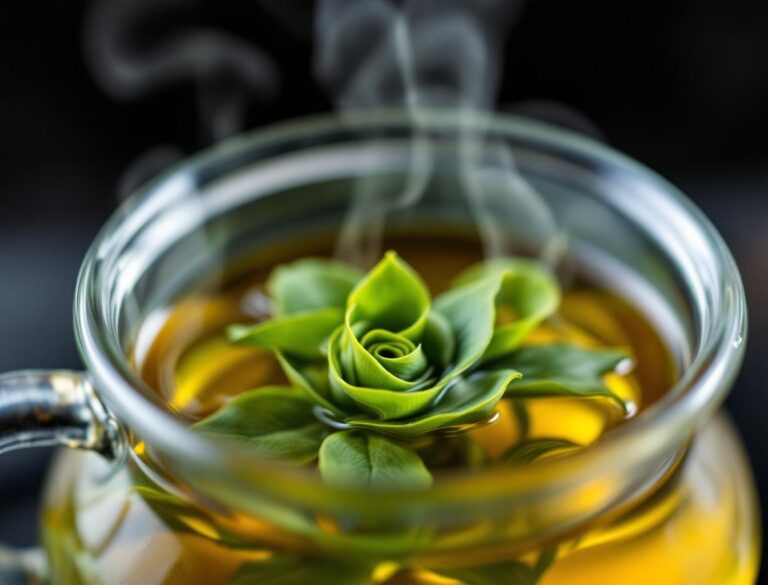
Genmaicha 玄米茶 — green tea blended with toasted brown rice — has a flavor profile that pairs with banana with an almost chemical precision: the toasted, nutty, slightly sweet character of popped rice plays against banana's tropical sweetness and creates a combination that tastes deliberately designed rather than accidentally discovered. The technical key is fat infusion: rather than brewing genmaicha as a tea and adding the liquid to the batter, you infuse the tea directly into the butter, extracting the fat-soluble aromatic compounds (pyrazines and furans from the toasted rice) that are responsible for the roasted character. Water-based extraction produces only the water-soluble components; fat-based infusion captures a completely different flavor set.
Fat infusion versus water infusion — why butter extracts genmaicha differently
Aromatic compounds in tea divide into two categories based on their solubility: water-soluble compounds (catechins, caffeine, theanine, and many volatile aromatic compounds) extract readily into hot water; fat-soluble compounds (certain terpenes, pyrazines, and lipid-derived flavor molecules) extract poorly into water but dissolve readily into fats. Genmaicha's distinctive character comes primarily from two compound classes: the catechin-derived green tea notes (water-soluble), and the pyrazine compounds from the Maillard reaction during rice toasting (fat-soluble). A water brew extracts the first group; only fat infusion accesses the second.
The pyrazines produced during rice toasting — 2-acetyl-1-pyrroline is the primary aromatic compound responsible for “toasted grain” aroma in popped rice — are lipophilic (fat-loving) molecules that have limited water solubility. In a genmaicha butter infusion at 65–70°C for 5 minutes, these compounds migrate from the toasted rice and tea leaves into the liquid butter phase, creating an infused butter with a distinct roasted, nutty quality that functions as the aromatic backbone of the finished bread. A water-brewed genmaicha extract would deliver the tea's grassiness and caffeine without the roasted rice character that makes genmaicha unique.
The 65–70°C infusion temperature is deliberate: above 75°C, green tea's catechins begin to extract in earnest even into fat (because fat at this temperature has reduced viscosity), introducing a bitter, astringent note from the tea portion of genmaicha that would clash with the banana's sweetness. The 5-minute infusion at the lower temperature extracts the fat-soluble toasted rice aromatics efficiently while leaving most of the tea's bitter compounds behind. The result is butter that smells unmistakably of roasted grain without any tea astringency.
Key ingredients explained
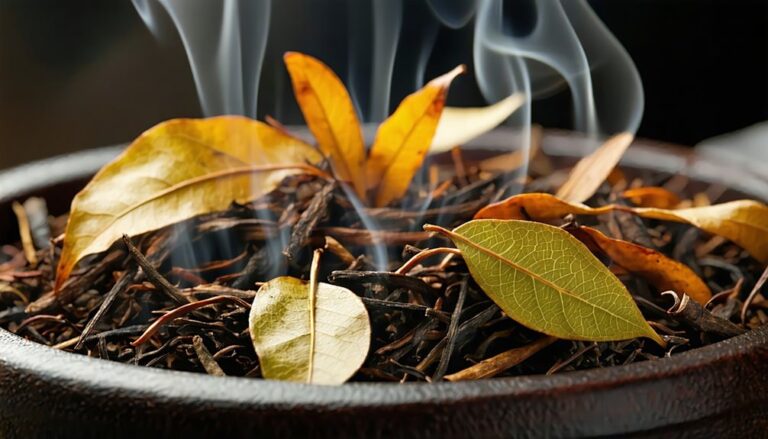
Genmaicha 玄米茶 (brown rice green tea): Genmaicha is a blend of sencha (standard green tea) and toasted brown rice, where some of the rice grains have puffed during toasting — these are the “popcorn” grains visible in the blend. For fat infusion, use loose-leaf genmaicha rather than bagged — the larger surface area and the visible puffed rice grains are important for efficient extraction. The ratio for butter infusion is 3 tablespoons of loose-leaf genmaicha per 115g (half cup) of butter. This produces a well-flavored infused butter without over-extracting the tea component.
Black-skin bananas 熟れたバナナ: The optimal state for banana bread banana is the black-skin stage — where the skin has turned fully black and the flesh inside has softened to almost liquid consistency. At this stage, the banana's starches have been almost completely converted to fructose, glucose, and sucrose by the banana's amylase enzymes (the same enzymes that produced diastase in the lotus root from kinpira renkon, just a plant's own internal enzymes rather than koji-derived). Black-skin bananas are approximately 30% sweeter than yellow-with-spots bananas and have a far more concentrated banana flavor. They incorporate into the batter without mashing effort — one squeeze and they're a liquid.
Brown sugar 黒糖 (kokuto) or muscovado: For genmaicha banana bread, brown sugar (muscovado or Japanese kokuto black sugar) deepens the toasted, molasses-like notes in the batter that complement both the genmaicha's roasted character and the banana's sweetness. White sugar produces a more neutral-flavored bread; brown sugar adds a depth that makes the finished bread taste like all its elements are pulling in the same direction. The quantity of sugar should be reduced by 20% compared to standard banana bread recipes because black-skin bananas provide substantially more sweetness than the bananas typically specified in Western recipes.
Sour cream or yogurt: A quarter cup of sour cream or full-fat yogurt in the batter adds lactic acid that reacts with the leavening (baking soda) for additional rise, and contributes fat that produces a tender, moist crumb. The acidity also highlights the aromatic compounds from the infused butter — many flavor aromatics are more perceptible at a slightly lower pH.
Expert tips and techniques
- Use black-skin bananas, not just spotted ones. This is the most impactful upgrade in the recipe. Freeze very ripe bananas and thaw them — freezing accelerates the enzymatic conversion of starch to sugar, producing banana at black-skin sweetness and flavor even if the skin was only spotted when frozen. Three days in the freezer, thawed overnight in the refrigerator, produces the equivalent of a week of additional ripening. The thawed banana is liquid inside the skin — drain the excess liquid before adding to the batter (the liquid contains the converted sugars and banana aromatics; use it in smoothies or discard).
- Infuse the butter while preparing other ingredients. The butter infusion takes 5 minutes active + 5 minutes cooling — start it first while measuring dry ingredients. Melt the butter in a small saucepan over low heat until fully liquid, add the genmaicha leaves, stir gently, and maintain 65–70°C (just below a simmer — the butter should be hot but not bubbling). After 5 minutes, strain through a fine mesh strainer into a bowl to cool. By the time you've measured dry ingredients, the infused butter is at room temperature.
- Don't over-mix the batter after adding flour. Quick bread batters become tough if over-mixed once the flour is added — the gluten develops and produces a dense, chewy loaf rather than the tender, crumbly texture of good banana bread. Mix only until the flour streaks just disappear — a few small lumps in the batter are fine and will hydrate during baking. This is the most common mistake in banana bread: the impulse to mix until perfectly smooth produces the worst result.
- Test for doneness with a skewer, not time alone. Oven temperatures vary by 10–15°C from the stated setting, and banana bread baking time varies with banana water content (wetter bananas = longer baking time). Insert a thin skewer or toothpick into the center of the loaf at the specified time — it should come out clean or with a few moist crumbs. A toothpick with raw batter needs 5–7 more minutes; a completely dry toothpick indicates a slightly over-baked loaf (still delicious, just slightly drier).
- Cool completely before slicing. The crumb of banana bread is set by the starch gelatinization that continues as the loaf cools — cutting into a warm banana bread produces a gummy, compacted slice rather than a clean, tender one. Wait at least 30 minutes after removing from the oven; ideally, cool 1 hour. The genmaicha aroma is also more pronounced once the loaf has cooled, as the volatile compounds redistribute and the crumb sets around them.
Variations: regional, seasonal, occasion
Hojicha banana bread: Substitute hojicha powder for genmaicha in the fat infusion for a warmer, more caramel-adjacent flavor. Hojicha's lower caffeine and roasted character is slightly sweeter and more approachable than genmaicha's combination of green tea and rice. The hojicha powder can be used directly in the batter (1 tablespoon mixed with the dry ingredients) as an alternative to the fat infusion, producing a more uniform color throughout the bread with a slightly different aromatic profile.
Genmaicha walnut banana bread: Add 50g of toasted, roughly chopped walnuts to the batter after folding in the flour. The walnut's bitter tannins and fat content amplify the genmaicha's nutty character, producing a more complex, adult-tasting bread. Toast the walnuts in a dry pan for 3 minutes until fragrant before adding — raw walnuts have a softer, less developed flavor than toasted ones. The walnut pieces provide textural interest that the otherwise tender crumb lacks.
Matcha chocolate chip version: Replace genmaicha with matcha powder (2 tablespoons mixed into dry ingredients — no fat infusion needed for matcha, whose flavor compounds are all water-soluble) and add 60g of dark chocolate chips to the batter. The matcha's green, slightly bitter character, the dark chocolate's intensity, and the banana's sweetness create a well-balanced loaf with a visually striking green crumb. Dust with extra matcha powder immediately before serving for visual impact.
Equipment you'll need
9×5 inch loaf pan: The standard banana bread pan produces a loaf with the correct height-to-base ratio for even baking. Smaller pans produce over-tall loaves where the center doesn't cook through before the exterior is done; larger pans produce flat, thin loaves that bake too quickly and dry out. Line with parchment paper with overhang on the long sides — the parchment “handles” allow lifting the loaf out cleanly without unmolding.
Fine mesh strainer for butter infusion: The genmaicha leaves must be completely removed from the infused butter before adding to the batter — any leaf particles in the bread produce bitter, chewy specks in the finished crumb. A fine mesh strainer catches all leaf material; for extra insurance, line with cheesecloth for a double-straining.
Stand mixer or hand mixer (optional): Banana bread is one of the few baked goods that is genuinely better made by hand rather than mixer. A mixer over-develops the gluten and aerates the banana too much, producing a drier loaf. Mix the wet and dry components together with a wooden spoon or spatula — 15–20 strokes is sufficient to combine everything without toughening the batter.
Frequently asked questions
Can I use genmaicha tea bags instead of loose-leaf for the butter infusion?
Tea bags work for the infusion but typically produce a weaker result — the fine dust in tea bags extracts more aggressively than loose leaves and can introduce some bitterness if the infusion time isn't shortened. For tea bag infusion: use 4 bags per 115g butter, reduce infusion time to 3 minutes at 65°C, and strain carefully. Loose-leaf genmaicha gives better control over extraction and typically has better quality tea and rice for the infusion.
Why is the butter infusion better than just using brewed genmaicha?
Brewed genmaicha provides the water-soluble compounds — mainly the green tea's grassiness and some caffeine. The fat-soluble pyrazine compounds from the toasted rice, which are responsible for genmaicha's nutty, roasted character, don't extract significantly into water. Fat infusion provides access to these compounds. Using both (brewed genmaicha as part of the liquid, plus fat infusion) doubles the aromatic complexity — some recipes use this approach for a deeper flavor, replacing the sour cream with strained cooled genmaicha.
How ripe is too ripe for banana bread?
There is essentially no “too ripe” for banana bread in terms of flavor — the more converted the starch, the more intense the banana flavor. The practical limit is when the banana flesh has become liquid inside the skin (beyond black-skin stage), which is rare without freezing and thawing cycles. Very wet, nearly liquid bananas should have their excess liquid drained before adding to the batter; the flavor is concentrated, but the water content is higher than the recipe's baking soda and flour ratio can accommodate.
Does genmaicha banana bread taste like Japanese green tea?
Not in a “this tastes like drinking tea” way. The genmaicha character in the finished bread reads as a toasted, slightly nutty flavor note in the background of the banana sweetness — many people who taste it without knowing the ingredient describe the flavor as “something warm and toasted, almost like a brown butter note.” The green tea's grassiness is minimal because the fat infusion prioritizes the toasted rice aromatics over the green tea compounds.
Storage and make-ahead
Genmaicha banana bread improves on day 2 — the genmaicha aromatics redistribute through the crumb overnight, and the banana sweetness mellows slightly, producing a more balanced flavor than on the day of baking. Store at room temperature in a sealed container or wrapped in plastic for 3 days; refrigerate for up to 1 week. The banana bread can be frozen (sliced or whole) for up to 3 months — wrap individual slices and freeze flat; thaw at room temperature for 30 minutes or toast directly from frozen.
The infused butter can be made 3 days ahead and refrigerated — it solidifies and must be brought to room temperature or gently melted before using in the batter. The infused butter can also be used on toast, stirred into oatmeal, or melted over grilled vegetables in the days before making the banana bread. Having genmaicha butter in the refrigerator is a small luxury that has applications beyond this recipe.
Recipe card with full ingredients and step-by-step instructions appears below.