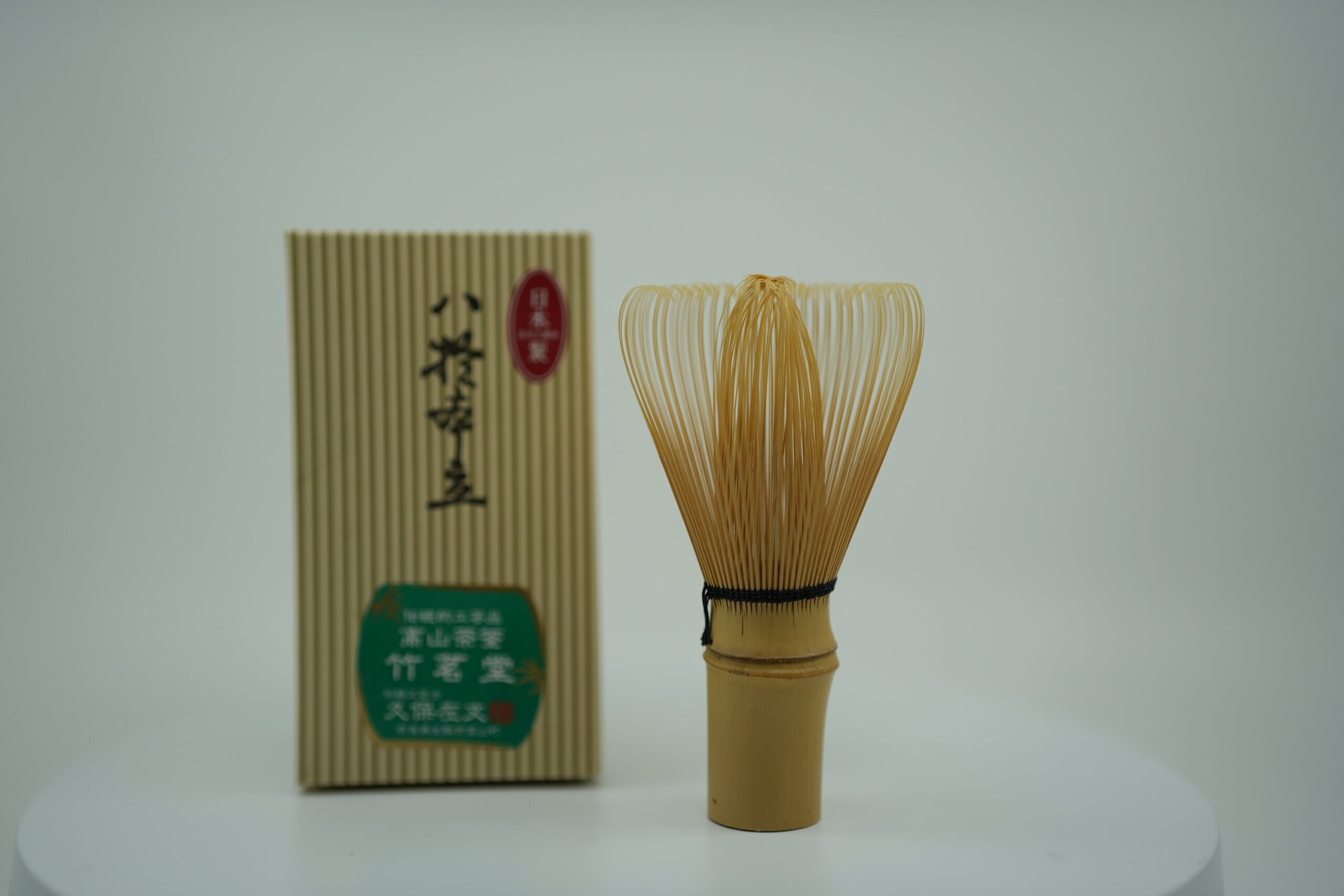
Takayama Chasen: Authentic Bamboo Tea Whisk
The Takayama Chasen is a handcrafted bamboo whisk essential for authentic matcha preparation. These whisks feature meticulously carved prongs (typically 80-120) that create the perfect froth and texture in your tea. You'll need to rinse it with warm water after use, store it on a ceramic rest, and replace it every 6-12 months with regular use. While specialized, you don't need to be a tea master to appreciate how this traditional tool elevates your matcha experience.
- Hand-carved Takayama chasen whisks feature 80-120 prongs for creating smooth, creamy matcha froth
- Proper care (gentle rinsing, ceramic rest storage, 3-6 month replacement cycle) extends whisk lifespan significantly
- Water temperature of 175°F (80°C) is optimal for balanced flavor extraction and proper frothing [Komes et al., 2010]
- Different prong counts suit different preparation styles—80 for daily use, 100-120 for ceremonial applications
- Authentic bamboo construction from Takayama, Nara Prefecture combines traditional craftsmanship with practical durability
Last updated: April 2026
What Makes Artisanal Japanese Matcha Preparation Authentic?
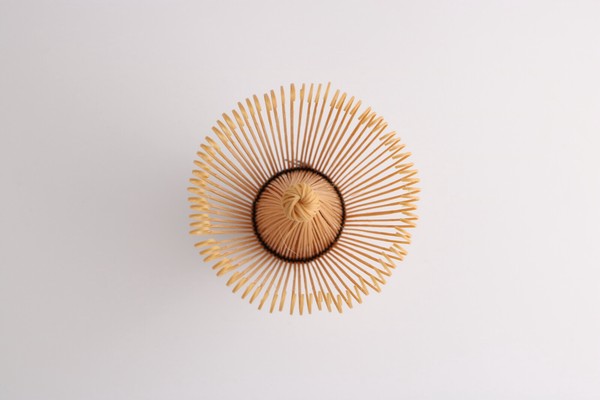
The visual below illustrates the traditional crown form and fine tine structure of an authentic Takayama chasen.
Many believe authentic matcha preparation requires specialized tools, but this isn't entirely accurate. While true matcha connoisseurs appreciate quality implements, you can create satisfactory matcha with minimal equipment. The bamboo whisk (chasen) remains optional rather than essential.
You'll find that ordinary kitchen tools can substitute effectively. A small wire whisk or even a fork can aerate your matcha sufficiently. The ritual aspect certainly enhances the experience, but don't let lack of traditional tools prevent you from enjoying this energizing beverage. For more, see our guide on history of the chasen.
Focus instead on water temperature (175°F / 80°C is ideal—Best for: balanced catechin extraction and proper foam development), powder quality, and proper whisking technique—a brisk W-motion rather than circular stirring. Research confirms that temperature in the 70–80°C range is optimal for green tea preparation. [Komes et al., 2010] These factors impact your matcha‘s taste and texture far more than owning authentic bamboo implements from Takayama.
Master these fundamentals before investing in specialized equipment.
What Are the Hand-Carved Prong Details?
As shown in the following photograph, the densely packed hand-split tines of a black bamboo chasen distinguish ceremonial-grade construction.
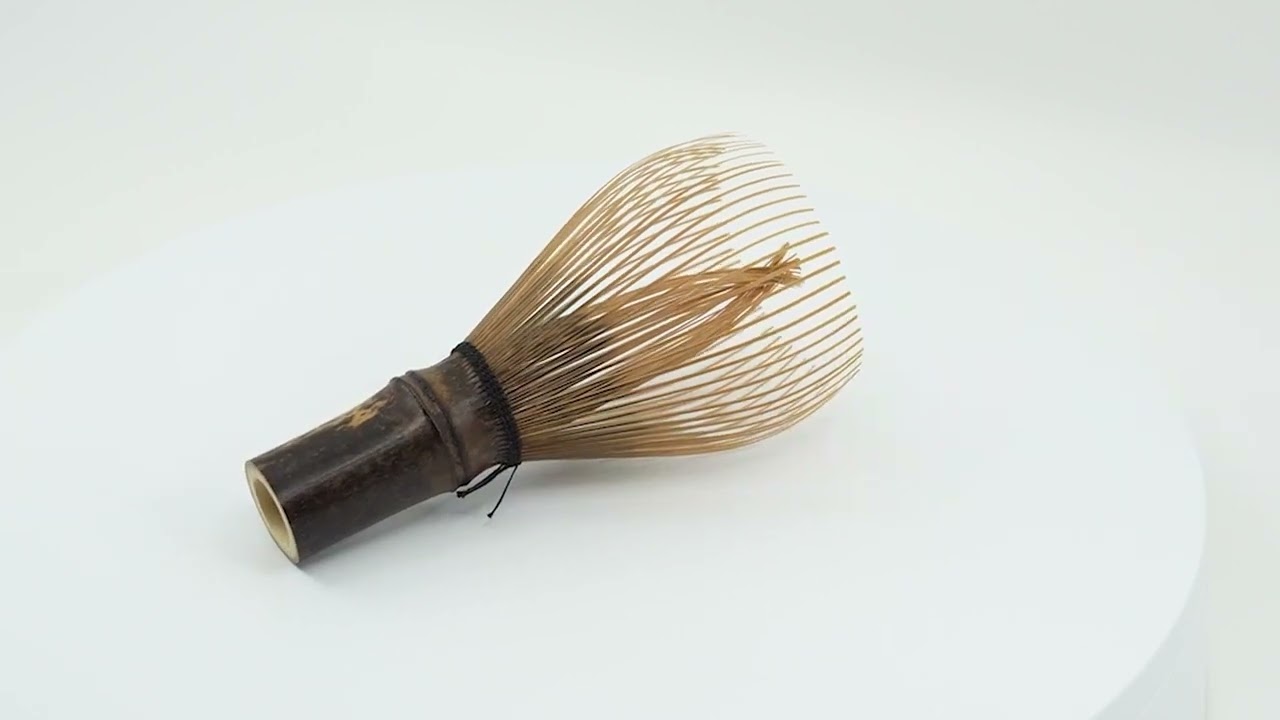
Each authentic bamboo tea whisk features meticulously hand-carved prongs, ranging from 80 to 120 in count depending on the intended use and skill level.
You'll notice that beginner whisks typically have fewer prongs (around 80), while ceremonial-grade whisks can contain up to 120 prongs for creating the finest, silkiest matcha froth—Best for: formal tea ceremonies and premium matcha preparation. For more, see our guide on compare with other matcha whisks.
Your whisk‘s prong count directly impacts its performance—higher counts produce smoother tea, while lower counts create more substantial foam for everyday preparation.
0-100 Prong Count
The intricate prong design of traditional bamboo tea whisks reveals the craftsman's skill and attention to detail. When selecting your chasen, you'll notice various prong counts, each offering different benefits for your matcha preparation.
| Prong Count | Texture Result | Best Used For |
|---|---|---|
| 80 Prongs | Silky, fine | Usucha (thin tea) / Daily preparation |
| 100 Prongs | Balanced, versatile | General ceremonial use / All skill levels |
| 120 Prongs | Ultra-creamy, dense | Koicha (thick tea) / Advanced practitioners |
The higher prong count creates finer bubbles and a more consistent foam, giving you greater control over your matcha‘s texture. Master artisans split each bamboo strand with precision, ensuring uniform thickness throughout. You'll appreciate how the prong count directly influences your whisking technique—fewer prongs require more vigorous motion while denser arrangements allow for gentler, more controlled movements.
What Is the Durability vs. Delicacy Tradeoff?
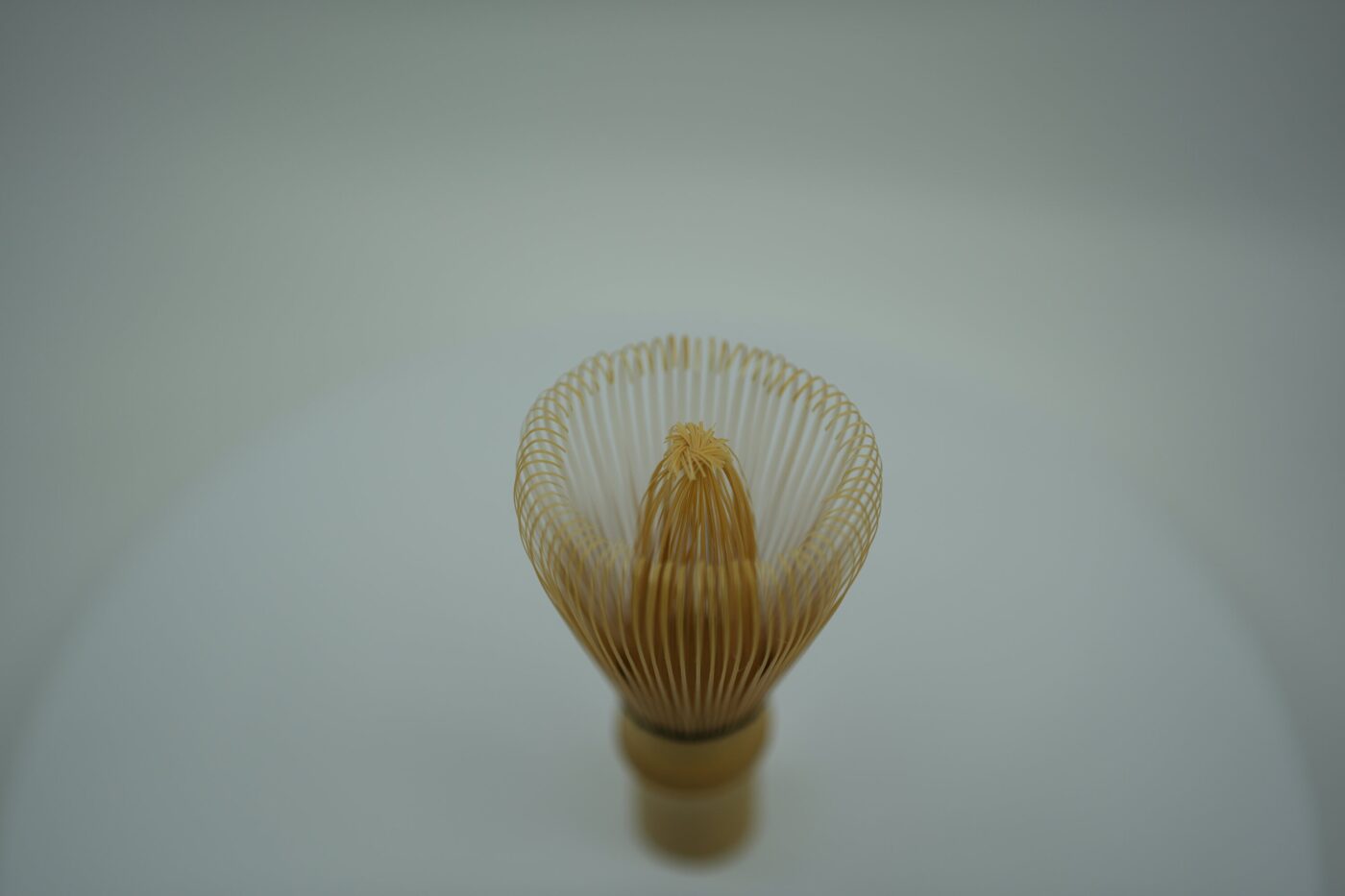
The authentic bamboo tea whisk provides you impressive durability when properly maintained, though you'll notice its delicate nature requires careful handling.
You'll appreciate its resilient construction that withstands regular whisking, but should be mindful that the thin bamboo prongs can split if subjected to excessive force or improper storage.
While traditional craftsmanship guarantees longer lifespan than machine-made alternatives, your whisk will benefit from gentle treatment after each use to prevent the natural bamboo from becoming brittle.
What We Like
While traditional matcha preparation demands both precision and proper tools, this authentic bamboo tea whisk strikes an impressive balance between durability and delicacy—Best for: both beginners and experienced practitioners seeking reliable performance.
You'll appreciate several standout features that make this chasen worth your investment:
- Resilient Construction – Withstands regular use while maintaining the delicate tines needed for proper froth
- Authentic Craftsmanship – Hand-split bamboo provides superior whisking performance compared to mass-produced alternatives
- Balanced Flexibility – Firm enough to create consistent results but flexible enough to prevent breakage
- Natural Materials – Untreated bamboo delivers clean flavor without unwanted aftertastes
The Takayama chasen offers longevity without sacrificing the refined performance you need for proper matcha preparation.
It's an essential tool that bridges traditional artistry with practical durability for your daily ritual.
Thin Bamboo Splits Easily
Contrary to common misconceptions, this authentic bamboo whisk doesn't suffer from the fragility issues often associated with lesser models. The Takayama Chasen strikes an impressive balance between delicacy and durability, giving you reliable performance without sacrificing the traditional thin prongs necessary for proper matcha preparation.
To maintain your whisk‘s integrity:
- Never leave it soaking in water
- Store it on a proper whisk holder to maintain prong shape
- Clean gently with warm water only (no soap)
- Allow to air dry completely before storage
While the bamboo prongs appear delicate, they're remarkably resilient when properly cared for. This authentic whisk‘s craftsmanship guarantees you'll experience minimal splitting during normal use, while the finely tapered tines deliver the superior frothing performance that defines quality matcha preparation.
What Are the Ideal Use Cases for a Takayama Chasen?
For truly exceptional matcha preparation, our authentic bamboo tea whisk shines brightest when used with traditional ceremonial-grade powder—Best for: premium ceremonial-grade matcha and formal tea rituals.
You'll achieve the perfect froth and emulsion when whisking in a ceramic bowl with water heated to precisely 175°F (80°C). Internationally standardized tea preparation guidelines provide a consistent framework for optimal flavor and texture development. [ISO 3103:2019]
This handcrafted Takayama chasen performs best when you use it exclusively for matcha—other teas or beverages can damage the delicate tines.
For daily practitioners, employ the “M” or “W” motion while whisking vigorously without touching the bottom of the bowl.
Store your whisk on a proper kusenaoshi (whisk holder) between uses to maintain its shape and extend its lifespan. For more, see our guide on how to maintain your whisk.
With proper care, you'll enjoy the chasen‘s superior performance for months of daily whisking, enabling you to experience matcha as intended by tea masters for centuries.
For Professional-Grade Whisking Only?
Many tea enthusiasts mistakenly believe that bamboo whisks are reserved exclusively for professional tea ceremonies, but our authentic chasen is designed for both beginners and seasoned practitioners alike.
You'll find this versatile tool accessible regardless of your experience level. While the craftsmanship reflects professional standards, you don't need special training to achieve beautiful results—Best for: anyone interested in authentic matcha preparation, from casual enthusiasts to serious practitioners.
The chasen‘s thoughtful design helps you create perfectly frothed matcha with minimal effort, whether you're preparing your first cup or your thousandth.
The precision tines efficiently incorporate air into your matcha, creating that signature microfoam that enhances both texture and flavor.
You'll appreciate how this accessible tool transforms your daily ritual, bringing ceremonial quality to your home practice without intimidation or unnecessary complexity.
Frequently Asked Questions
What is the origin of the bamboo chasen whisk?
While exploring the world of matcha preparation, you'll discover that authentic bamboo whisks (chasen) originated in China during the Song Dynasty before being refined in Japan.
The art of crafting these whisks was perfected in Takayama, Nara Prefecture, where artisans have passed down techniques through generations. The Takayama region remains the primary center for traditional chasen craftsmanship in Japan. [Japan Tea Central Association, 2024]
Each chasen is handcrafted from a single piece of bamboo, typically from the Henon bamboo variety.
The craftsman splits the bamboo into numerous fine tines, creating the distinctive crown shape that effectively aerates matcha powder when whisked.
The prongs' number varies based on intended use – ceremonial whisks typically have more tines for creating finer foam.
You'll find that proper whisk selection enhances your matcha experience markedly, allowing you to achieve that perfect balance of flavor and texture with each preparation.
How do I properly maintain and care for my bamboo whisk?
Caring for your bamboo whisk properly extends its lifespan and maintains its performance quality. After each use, rinse it thoroughly with warm water—never hot—and gently remove any tea particles.
Avoid soap or detergents, as they break down the bamboo fibers. Place your whisk on a ceramic rest to dry, ensuring the tines maintain their shape. Never leave it standing on its tines in a drawer or container.
Store in a well-ventilated area away from direct sunlight and humidity. When you notice the tines beginning to splay or break, it's time for a replacement. Most whisks last 3-6 months with daily use.
Soak a new whisk in room-temperature water for 10 minutes before first use to increase flexibility and prevent breakage.
What do the different tine counts (80, 100, 120) mean?
Many matcha enthusiasts wonder about the significance of tine count in bamboo whisks.
Traditional chasen typically come in several variations, with the most common being 80, 100, and 120 tines. The higher the tine count, the finer and more delicate the foam produced in your matcha.
For daily practice, you'll find an 80-tine whisk perfectly adequate. If you're seeking a more ceremonial experience with exceptionally fine foam, consider investing in a 100-tine version.
The 120-tine whisks are specialized tools primarily used by tea masters for formal ceremonies. Your choice should reflect your personal matcha preparation goals.
Remember that higher tine counts require more careful handling and maintenance, as the finer prongs are more susceptible to damage during use and storage.
How long does a bamboo whisk last, and when should I replace it?
While proper care extends your tea whisk‘s lifespan, even meticulously maintained chasens eventually require replacement. Most experts recommend replacing your whisk every 6-12 months with regular use, though this varies depending on frequency and care quality.
Watch for these clear indicators that it's time for a new chasen:
- Multiple tines have broken or split
- The whisk no longer creates proper foam
- Notable discoloration persists despite cleaning
- The prongs have become permanently misshapen
- Mold has developed and can't be removed
Don't wait until your tea ceremony suffers from a deteriorated whisk. Keep a spare on hand so you're prepared when replacement becomes necessary.
Your matcha experience depends greatly on the condition of your tools.
What water temperature and technique work best with a bamboo chasen?
For optimal results with your bamboo whisk, water temperature is critical. Use water heated to 175°F (80°C)—not boiling water, which can damage both the bamboo and produce overly astringent matcha. The 70–80°C range delivers the optimal balance between flavor extraction and texture quality. [Komes et al., 2010]
For whisking technique, use a brisk “M” or “W” motion rather than circular stirring. Whisk vigorously without letting the tines touch the bottom of your ceramic bowl. This technique, consistent with internationally standardized tea preparation, [ISO 3103:2019] ensures proper aeration and smooth, creamy froth.
Place your whisk on a proper kusenaoshi (whisk holder) immediately after preparation to maintain its shape and allow complete air drying.
Helpful Resources
Where can you find more information about caring for your authentic bamboo tea whisk?
Several authoritative sources offer valuable guidance for chasen enthusiasts. Visit the Japan Tea Association's website for thorough care instructions and video demonstrations from tea masters. Their illustrated guides clarify proper cleaning techniques and storage practices.
Download the “Chasen Care” mobile app, which features maintenance reminders and troubleshooting advice for common issues like prong splitting or mold development.
The International Chado Federation publishes quarterly newsletters with expert tips from Takayama craftsmen.
Join online communities such as the “Tea Whisks Worldwide” forum where experienced practitioners share their knowledge.
Many matcha suppliers also offer free educational materials with purchase. These resources will help extend your chasen‘s lifespan while maintaining ideal performance for your tea ceremonies.