Hojicha Tea Starter Kit: Everything You Need to Brew at Home
Hojicha has earned serious attention outside Japan over the last few years, and once you've tasted a proper cup — roasted, caramel-edged, warming without the caffeine punch — it's easy to understand why. The good news for new drinkers: hojicha is one of the most forgiving Japanese teas to brew. You don't need an elaborate tea ceremony setup. This starter kit guide covers exactly what to buy to get started, from the tea itself to the teaware that makes the experience better.
Start with the Right Hojicha
Hojicha (ほうじ茶) is made by roasting Japanese green tea — typically bancha leaves, stems, or a blend of both — at high temperature. The roasting drives off caffeine and catechins and produces the characteristic toasty, nutty, almost chocolatey flavor. Not all hojicha is the same, though.
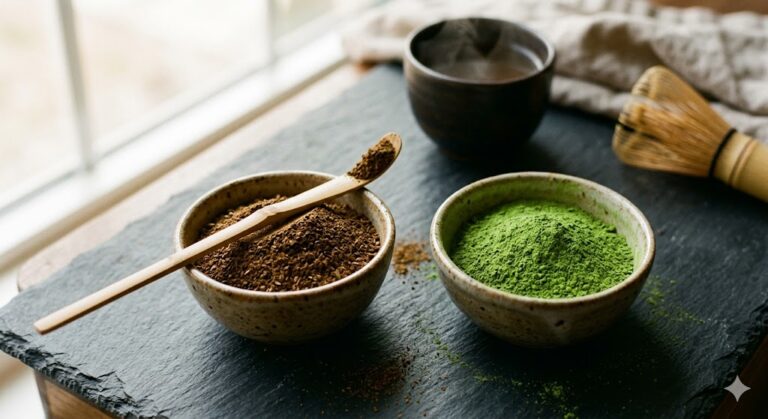
Loose leaf hojicha: The best starting point. You get more control, better flavor, and the ability to see what you're actually working with. Look for hojicha from Kyoto (especially Uji) or Shizuoka, where roasting traditions are most refined. Kyoto hojicha in particular has a deep, rounded roast character. Shop our hojicha loose leaf selection here.
Hojicha powder: Finely ground hojicha, useful for lattes, baking, and when you want to dissolve the tea directly into liquid. Buy powder as a secondary item after you've established your loose leaf brewing habit. It's a different product for different applications.
Hojicha teabags: Fine for convenience but not the best starting point if you want to taste what makes hojicha special. The confined bag limits extraction and usually holds lower-grade material.
The Essential Teapot: A Kyusu or Small Teapot
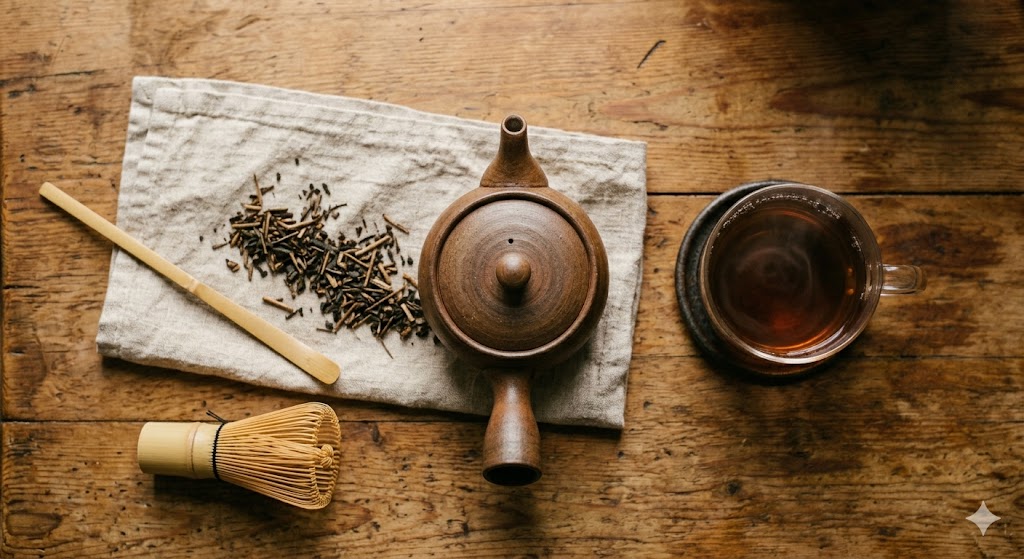
Hojicha brews well in almost any vessel, but a small kyusu (Japanese side-handle teapot) transforms the experience. The kyusu's design — with its fine mesh strainer built into the spout — allows you to pour completely without leaving hot tea to continue steeping on the leaves.
Ceramic kyusu (200–300ml): The traditional choice. Tokoname-ware (iron-rich red clay from Aichi Prefecture) is classic. Moderates temperature nicely. Budget $25–60 for a quality ceramic kyusu.
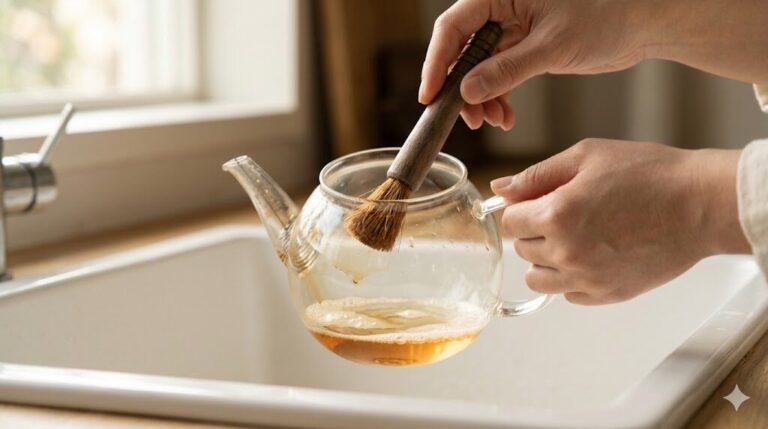
Glass kyusu: Lets you watch the beautiful reddish-amber color of hojicha develop as it steeps. Hario makes excellent glass kyusu in the 300–700ml range. Great for new brewers who want visual feedback. Shop Hario glass teapots here.
For a starter kit, a Hario glass teapot in the 300–450ml range ($25–40) is the practical choice — visible, easy to clean, and works for all Japanese teas, not just hojicha.
A Good Tea Kettle with Temperature Control
Hojicha is extraordinarily forgiving about water temperature — you can brew it anywhere from 185°F to near-boiling. But once you're brewing multiple Japanese teas (and you will be), you'll want a kettle that lets you set exact temperatures.
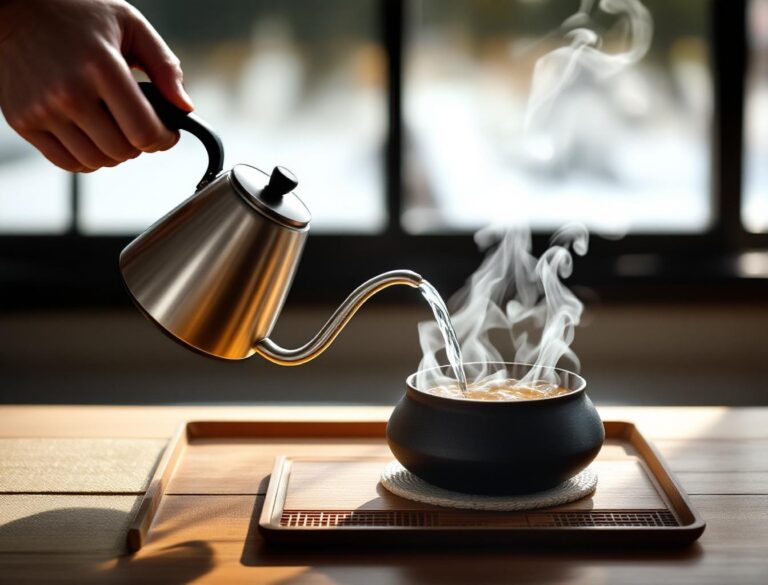
Gooseneck kettle with temperature control: The slow, controlled pour of a gooseneck kettle fills teapots evenly without disturbing leaves. Brands like Bonavita, Fellow Stagg, or Hario Buono all work well.
Budget recommendation: a mid-range electric temperature-control gooseneck kettle in the $40–80 range. If you're just starting with hojicha and don't have other teas, a regular kettle with a thermometer works fine — hojicha doesn't demand precision the way gyokuro does.
Small Teacups (Yunomi)
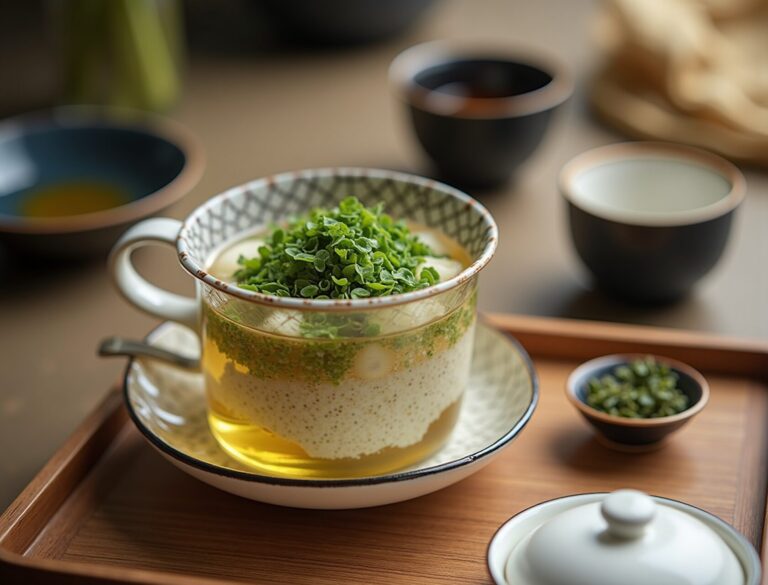
Hojicha is traditionally served in yunomi — small Japanese teacups without handles, typically holding 3–5oz. The handle-free design forces you to hold the cup, and feeling the warmth of the tea through the ceramic is part of the experience.
You don't need to overthink this. A set of two ceramic yunomi (around $15–30) is enough to start. Avoid large Western mugs for hojicha — they dilute the experience and cool the tea too quickly.
Loose Leaf Measuring Tools
A small bamboo tea scoop (chashaku) or a simple kitchen teaspoon is all you need to measure hojicha. Hojicha is bulky compared to most teas — 1 tablespoon (about 2–3g) per 6–8oz water is the standard starting ratio. The bamboo scoops sold alongside Japanese teaware are inexpensive, functional, and aesthetically appropriate.
The Complete Starter Kit Shopping List
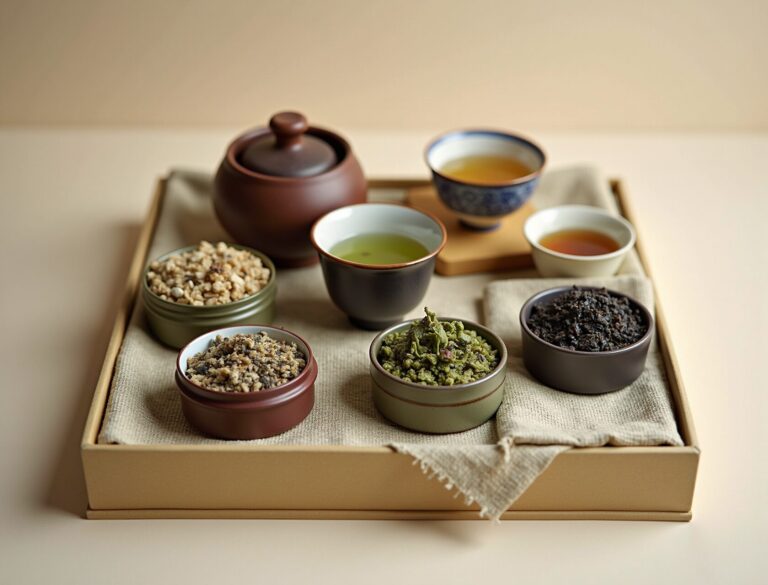
Here's everything you need to start brewing excellent hojicha at home, in priority order:
- Hojicha loose leaf — 50–100g bag from a Japanese grower ($10–20) — shop here
- Glass or ceramic kyusu — 300ml capacity ($25–45) — Hario glass options here
- 2 yunomi cups — basic ceramic set ($15–30)
- Kettle — if you don't have one, a temperature-control gooseneck kettle ($40–80)
- Bamboo scoop or teaspoon — already have one? Skip it.
Total investment: $50–100 for a complete, functional hojicha brewing setup. Skip the elaborate tea ceremony accessories for now — they're beautiful but not necessary for great hojicha.
Hojicha Brewing Quick Reference
- Water temperature: 185–212°F (85–100°C). Hojicha welcomes near-boiling water.
- Leaf amount: 1 tablespoon (2–3g) per 6–8oz water
- Steep time: 30–60 seconds. Don't overthink it — hojicha is very forgiving.
- Resteeps: 2–3 good infusions. Later steeps are lighter and more delicate.
- Serve immediately: Pour completely to stop steeping.
Frequently Asked Questions
Is hojicha the same as green tea? It starts as green tea, but roasting transforms it completely. The flavor, color, and caffeine content all change dramatically. Hojicha brews a reddish-amber cup, not green.
Can I start with hojicha teabags instead of loose leaf? Yes, but the flavor gap is significant. Loose leaf hojicha from a quality Japanese producer is genuinely a different experience. Try both in the same week — you'll understand why loose leaf is worth the small extra effort.
Is a gooseneck kettle necessary? Not for hojicha specifically. A regular kettle poured carefully into the teapot works fine. The gooseneck becomes more valuable when you branch out to sencha and gyokuro.
How long will a 100g bag of hojicha last? At 2–3g per brew and 2–3 brews a day, a 100g bag lasts about 2 weeks. For a single daily cup, closer to 5–6 weeks. It's an economical daily tea.
Can children drink hojicha? Yes — hojicha's very low caffeine (~5–10mg per cup) makes it one of the most child-friendly Japanese teas. Many Japanese parents serve it to children regularly.