Glass vs Cast Iron Teapot: Which Is Better for Green Tea?
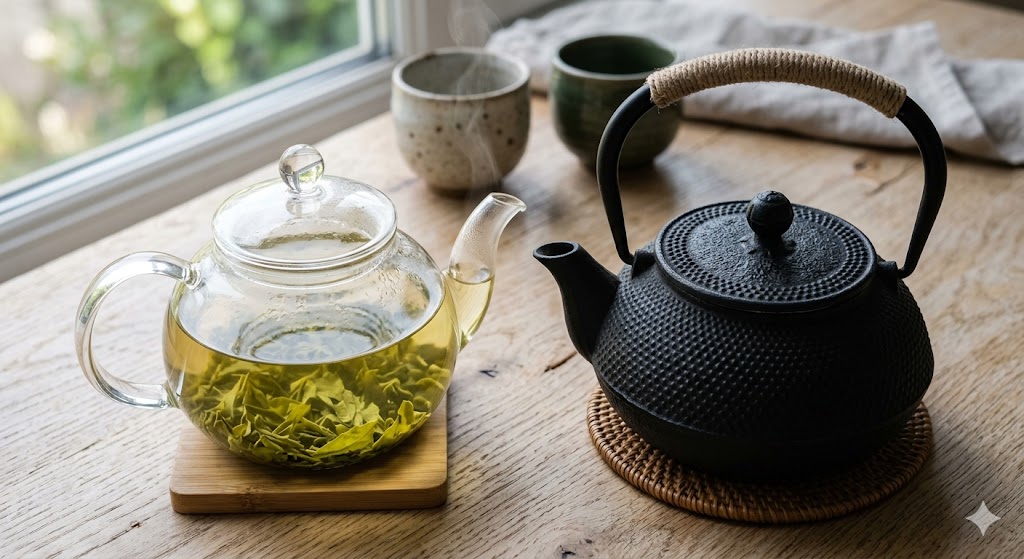
Glass and cast iron are two completely opposite materials for teaware. They have different heat profiles, different interactions with tea, different maintenance requirements, and very different aesthetics. If you're buying your first serious Japanese tea vessel, or upgrading from a cheap option, this comparison will save you from the wrong choice.
The Quick Answer
For Japanese green tea — hojicha, genmaicha, bancha, kabusecha — glass is the better everyday choice. It's versatile across tea types, easy to clean, and lets you see the brew developing. Cast iron excels at heat retention and traditional aesthetics, but requires dedicated care and is best reserved for robust roasted teas or black tea rather than delicate greens.
Complete Comparison Table
| Factor | Glass Teapot (Borosilicate) | Cast Iron Teapot (Tetsubin) | Better For Green Tea |
|---|---|---|---|
| Heat retention | Moderate — cools in 12–15 min | Excellent — stays hot 30+ min | Cast iron (slightly) |
| Flavor neutrality | Completely neutral | Iron ions affect water (can round bitterness) | Glass (more predictable) |
| Weight | Very light (250–400g) | Heavy (500g–1.5kg) | Glass |
| Multiple tea types | Switch freely | Best dedicated to one tea | Glass |
| Visual appeal during brew | Watch tea develop in real time | Opaque — no visibility | Glass |
| Stovetop safe | No — pour-in only | Yes (some models) | Cast iron |
| Maintenance | Dishwasher safe, minimal care | Air dry only, no soap, season periodically | Glass (much easier) |
| Rust risk | None | Will rust if not dried properly | Glass |
| Stain resistance | Easy to clean, stays clear | Patinas over time (actually desirable) | Tie (preference) |
| Price range | $25–$60 | $40–$300+ | Glass (better value) |
| Gift appeal | Modern, elegant | Traditional, impressive | Tie (context-dependent) |
Heat Retention: When Cast Iron Has the Advantage
Cast iron's defining characteristic is exceptional heat retention. A well-heated cast iron teapot will keep tea at drinking temperature for 30 minutes or more — considerably longer than glass. This advantage is real but context-dependent:
For daily two-cup brewing where you drink tea over 15–20 minutes, glass handles this fine. For long tea sessions, large table gatherings where the pot sits for 30+ minutes, or brewing environments that are physically cold (a drafty kitchen, outdoor use), cast iron's heat retention becomes a meaningful advantage.
Does Cast Iron Change the Taste of Green Tea?
This is where it gets nuanced. Traditional Japanese cast iron tetsubin (not enamel-lined) release trace iron ions into water, which affects flavor in measurable ways:
- Can round out sharpness and perceived bitterness in green teas
- Slightly alters the mineral profile of your water
- Over time, the patina inside the pot influences each brew subtly
For hojicha and genmaicha — robust teas that don't have extreme sensitivity to mineral changes — this effect is minor. For delicate shaded teas like kabusecha or gyokuro where every flavor nuance is intentional, cast iron introduces variables that some tea drinkers prefer to avoid.
Modern cast iron teapots sold in Western markets are almost always enamel-lined inside, which eliminates iron leaching entirely. These behave closer to glass from a flavor-neutrality standpoint.
Maintenance: The Real Difference in Daily Life
This is where glass wins decisively for most people. Hario borosilicate glass:
- Dishwasher safe (top rack)
- Rinse with water after each use — done
- Clean stains with vinegar once a month
- No rust risk, no seasoning required
Authentic cast iron tetsubin:
- Never use soap — it strips the seasoning
- Always dry completely after use to prevent rust
- Air dry upside-down with the lid off
- Never dishwasher
- Re-season periodically if rust appears
Cast iron requires significantly more care. This isn't a dealbreaker, but it's a real daily commitment that not everyone wants to maintain.
Which Is Better for Specific Japanese Teas?
- Hojicha: Glass preferred — see the amber color develop; easy cleanup after roasted oils
- Genmaicha: Glass or enamel-lined cast iron; both work well
- Bancha: Either; this everyday tea isn't sensitive enough to show differences clearly
- Kabusecha: Glass preferred — complete flavor neutrality preserves the delicate shaded character
- Gyokuro: High-quality ceramic kyusu is actually preferred over both glass and cast iron
Browse Hario glass teapots — ideal for Japanese green teas
The Case for Owning a Cast Iron Teapot Anyway
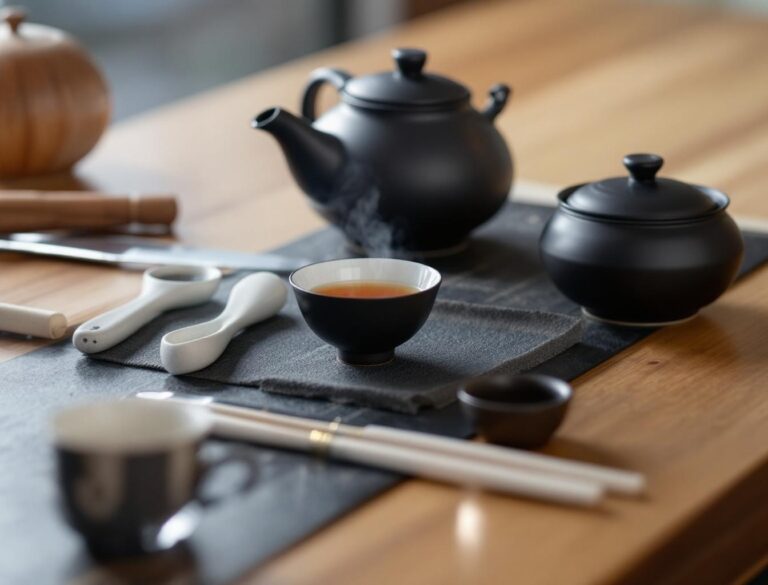
Cast iron tetsubin are beautiful objects. They're steeped in Japanese craft tradition, the weight feels substantial and satisfying in the hand, and the visual impression is completely different from glass. As a gift or a ceremonial object for special tea occasions, a quality Japanese cast iron teapot is worth the investment — especially an authentic Nambu ironware piece from Iwate Prefecture.
Just pair it with a glass pot for daily brewing and reserve the cast iron for occasions when you want the full traditional experience.
Frequently Asked Questions
Does a cast iron teapot make tea taste better?
Not objectively — it changes the flavor in ways some people prefer and others don't. Traditional unlined cast iron releases iron ions that can round out bitterness; enamel-lined cast iron is flavor-neutral. For controlled, consistent flavor, glass is more reliable. For a traditional Japanese aesthetic and distinctive experience, cast iron has genuine appeal.
Can you put boiling water in a glass teapot?
Yes — borosilicate glass teapots like Hario are designed to handle boiling water poured into them. They are NOT designed for direct stovetop or burner heating. Pour hot water in; never put the pot on a flame.
How do I prevent rust in a cast iron teapot?
Always dry completely after every use — heat the pot on the stove (if stove-safe) after rinsing, or air dry with the lid off for several hours. Never store with water inside. If light rust appears, scrub with a steel brush, rinse, and dry completely before use.
What is a tetsubin?
Tetsubin (鉄瓶) are traditional Japanese cast iron kettles originally used to boil water over a charcoal fire. Authentic Nambu ironware tetsubin from Iwate Prefecture are considered fine craft objects. Modern “cast iron teapots” sold in Western markets are usually enamel-lined and can't be used directly on a stove — they're serving vessels, not heating kettles.
What size cast iron teapot should I buy for green tea?
For Japanese green tea service, a 600–800ml cast iron teapot is standard. Larger pots hold more heat but take longer to pour out completely, which can over-steep the tea. If you choose cast iron, 700ml is a versatile all-around size.