What Is Sakura Sencha?
Sakura sencha is a Japanese green tea that blends high-grade sencha leaves with salt-preserved cherry blossom (sakura) leaves, creating a tea that bridges the bright, vegetal character of everyday sencha with the delicate floral aroma of spring cherry blossoms. The practice of preserving sakura leaves in salt — called sakura no shiozuke (桜の塩漬け) — dates back centuries in Japan, originally developed as a way to capture the fleeting cherry blossom season for year-round enjoyment. When blended with sencha, these preserved leaves release a subtle floral sweetness and a whisper of salinity that softens the green tea's natural astringency. The result is a tea that tastes like spring in a cup: fresh, gently floral, and clean on the finish. Sakura sencha is traditionally enjoyed during hanami (cherry blossom viewing) season but works beautifully as a seasonal gift or an everyday tea for anyone drawn to lighter, more aromatic Japanese green teas.
What Makes Sakura Sencha Special
The cherry blossom leaves used in sakura sencha aren't simply dried petals tossed into a bag. The traditional preparation involves harvesting young Oshima zakura (大島桜) cherry leaves — a specific variety prized for its pronounced fragrance — then layering them with salt and pressing them under weight for several months. This salt-curing process does two things: it preserves the leaves indefinitely, and it triggers a chemical transformation that produces coumarin, the compound responsible for the sweet, almost vanilla-like fragrance that defines sakura-flavored foods across Japan.
When these salt-preserved leaves are blended with steamed sencha, the combination creates something neither ingredient achieves alone. The sencha provides the green tea backbone — vegetal depth, gentle umami, and a clean astringency — while the sakura leaves contribute floral aroma, a faint sweetness, and the lightest trace of salt that rounds out the cup. The ratio matters: too much sakura overwhelms the tea base; too little and the floral character disappears. Well-made sakura sencha strikes a balance where the cherry blossom presence is unmistakable but never dominates.
This style of flavored green tea is deeply connected to Japanese seasonal culture. In Japan, shun (旬) — eating and drinking what's in season — isn't just a preference; it's a core aesthetic principle. Sakura sencha embodies that philosophy, bringing the essence of spring's most celebrated moment into a form you can brew any time of year.
Flavor Profile & Tasting Notes
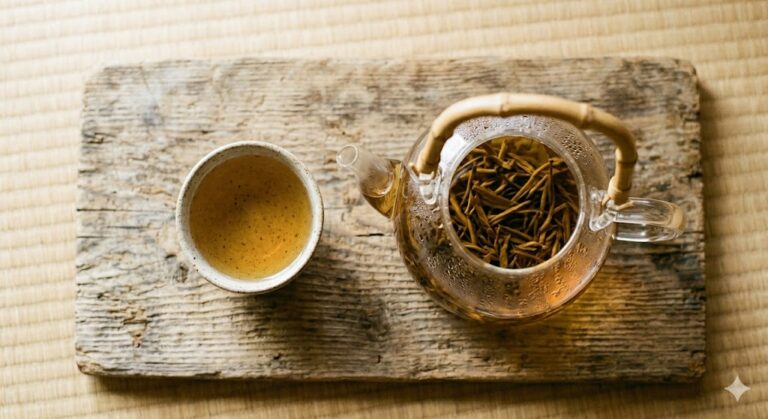
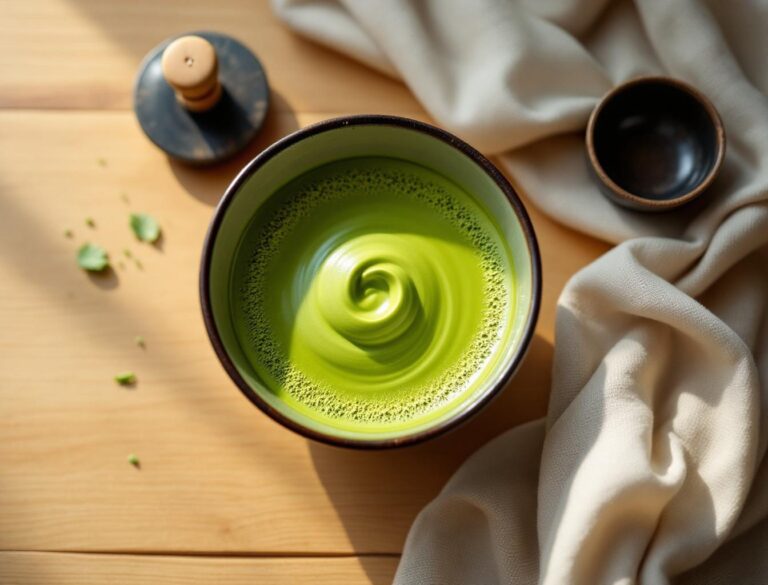
Sakura sencha brews a pale yellow-green cup with a distinctly floral aroma that rises immediately from the cup — sweet, almost perfumed, with a hint of the coumarin-driven vanilla note from the preserved cherry blossom leaves.
In the mouth, expect the clean, grassy freshness of good sencha arriving first, followed quickly by a soft floral sweetness that floats across the mid-palate. The preserved sakura leaves contribute a light salinity — barely perceptible, but enough to add depth and round out any sharp edges from the green tea's catechins. The finish is clean and gently sweet, with the floral note lingering for several seconds after each sip.
Compared to regular sencha, which tends toward a more direct vegetal punch, sakura sencha is lighter and more layered. The floral dimension adds a fragrance-forward quality that changes how you experience each steep:
- First steep: Strongest floral aroma. The sakura character leads, with green tea freshness underneath. Light, aromatic, inviting.
- Second steep: The sencha base becomes more prominent as the floral notes soften. More umami, slightly more body, still fragrant.
- Third steep: Gentle and sweet. The floral note is a whisper now, but the overall character remains pleasant and clean.
How to Brew Sakura Sencha
Sakura sencha benefits from a slightly lower brewing temperature than regular sencha. The floral compounds from the cherry blossom leaves are volatile — too much heat drives them off before they reach your cup. Keeping the temperature at 65–70°C preserves the delicate aroma while still extracting the green tea's sweetness and umami. Use soft or filtered water for the best results.
| Parameter | Recommended |
|---|---|
| Tea leaves | 4–5g (roughly 1 heaped teaspoon) |
| Water volume | 180–200ml |
| Water temperature | 65–70°C (149–158°F) |
| First steep time | 60–90 seconds |
| Second steep | 20–30 seconds at 70–75°C |
| Third steep | 40–60 seconds at 75°C |
| Vessel | Kyusu teapot, gaiwan, or porcelain pot |
| Re-steeps | 2–3 (floral notes fade; green tea base remains) |
A porcelain or ceramic kyusu works particularly well here — unglazed clay teapots can absorb the floral oils and mute the aroma over time. If you're using a clay kyusu regularly for pure sencha or gyokuro, consider dedicating a separate vessel for flavored teas like sakura sencha. For more on how temperature affects extraction, see our water temperature guide.
Cold Brew Sakura Sencha
Cold brewing produces a beautifully fragrant iced tea — the low temperature preserves nearly all of the floral character while extracting maximum sweetness and zero bitterness. Use 6–8g per 500ml of cold water and steep in the refrigerator for 6–8 hours. The result is a delicate, lightly floral iced green tea that's perfect for warm spring and summer afternoons.
Seasonal Pairings & Gift Ideas
Sakura sencha is one of the most giftable Japanese teas — the cherry blossom connection carries deep cultural significance in Japan and resonates strongly with anyone who appreciates seasonal, thoughtful presents.
Food Pairings
- Sakura mochi — The classic spring wagashi (Japanese sweet) wrapped in a salt-preserved cherry leaf. The shared sakura element creates perfect harmony between tea and confection.
- Hanami dango — Tri-colored rice dumplings traditionally eaten during cherry blossom viewing. The mild sweetness pairs naturally with the tea's floral notes.
- Light Japanese sweets — Nerikiri (pressed sweet bean confections), yokan (sweet bean jelly), or any delicately flavored wagashi.
- Fresh fruit — Strawberries, peaches, and light citrus fruits complement the floral profile without competing.
- Light pastries — Shortbread, butter cookies, madeleine — anything with a mild, buttery sweetness that lets the tea's aroma lead.
Gift Occasions
- Hanami season (March–April) — The obvious choice. Sakura sencha makes a thoughtful gift for cherry blossom viewing gatherings.
- Mother's Day — The floral elegance and spring association make it a natural fit.
- Housewarming or hostess gifts — Beautiful, seasonal, and consumable — no clutter.
- Tea enthusiast birthdays — A unique addition to any Japanese tea collection.
- Japanese culture appreciation — For anyone interested in Japan's seasonal food traditions.
Sakura Sencha vs Other Teas
Cherry blossom teas come in several forms. Here's how sakura sencha compares to the alternatives you'll encounter:
| Tea | Base | Flavor | Caffeine | Best for |
|---|---|---|---|---|
| Sakura Sencha | Sencha + preserved cherry blossom leaves | Floral, green, lightly salty, clean finish | Low-medium | Spring drinking, gifts, daily enjoyment |
| Regular Sencha | Pure sencha (no additions) | Grassy, fresh, umami, slightly astringent | Medium | Everyday Japanese green tea |
| Sakura Houjicha | Roasted green tea + cherry blossom | Toasty, caramel, floral undertone | Very low | Evening drinking, roasted tea lovers |
| Cherry Blossom Herbal Tea | Dried cherry blossom petals only (no Camellia sinensis) | Light floral, mild, no green tea character | Caffeine-free | Caffeine-sensitive, floral tea fans |
| Gyokuro | Shade-grown green tea | Rich umami, oceanic, deeply sweet | High | Concentrated flavor, ceremonial use |
The key distinction: sakura sencha gives you a real green tea experience — with genuine sencha depth — enhanced by the cherry blossom's floral character. Herbal cherry blossom teas lack the green tea backbone entirely, while pure sencha lacks the seasonal floral dimension. Sakura sencha is the intersection of both. For a deep-dive into sencha varieties, see our sencha tea guide.
Storage & Freshness
Sakura sencha requires a bit more storage care than regular green tea because the preserved cherry blossom leaves are especially sensitive to ambient odors and moisture. The floral aroma that makes this tea special is the first thing to fade with improper storage.
- Airtight and opaque: Transfer to an airtight tin or resealable foil bag immediately after opening. Light and oxygen degrade both the green tea's freshness and the cherry blossom's fragrance.
- Keep it sealed between uses: The sakura leaves' volatile aromatic compounds escape each time you open the container. Minimize air exposure by resealing promptly.
- Cool, dark location: A kitchen cabinet away from the stove, spices, and coffee. Sakura sencha absorbs strong ambient smells readily — proximity to coffee or spices will compromise the floral character.
- Shelf life: Best consumed within 2–3 months of opening for full floral aroma. The sencha base remains drinkable for 4–6 months, but the cherry blossom character fades noticeably after the first few months. Unopened and vacuum-sealed, it holds well for 6–8 months.
- Refrigeration: Acceptable for long-term storage if the package is fully sealed. Let it return completely to room temperature before opening to prevent condensation on the leaves.
Frequently Asked Questions
What does sakura sencha taste like?
Sakura sencha tastes like a lighter, more aromatic version of regular sencha. The green tea base provides the familiar grassy freshness, while the salt-preserved cherry blossom leaves add a delicate floral sweetness and the faintest trace of salinity. The overall impression is clean, fragrant, and gently complex — like drinking spring. It's less astringent than pure sencha and more aromatic than any unflavored green tea.
Is sakura sencha caffeinated?
Yes — sakura sencha contains caffeine from the sencha base, typically 20–30mg per cup when brewed at the recommended 65–70°C. The lower brewing temperature reduces caffeine extraction compared to regular sencha brewed at higher temperatures. The cherry blossom leaves themselves contain no caffeine. Most people find sakura sencha mild enough for afternoon drinking. For an evening cherry blossom tea option with even less caffeine, consider sakura houjicha.
When is sakura sencha traditionally served?
Sakura sencha is most closely associated with hanami (花見) — Japan's cherry blossom viewing season, typically March through mid-April. It's traditionally served alongside spring wagashi like sakura mochi and hanami dango. However, because the cherry blossom leaves are salt-preserved, sakura sencha can be enjoyed year-round. Many people in Japan also serve it at spring celebrations, weddings, and as a seasonal gift during the new year transition.
How is sakura sencha different from sakura tea (sakurayu)?
Sakurayu (桜湯) is made entirely from salt-preserved cherry blossom flowers steeped in hot water — no tea leaves at all. It's caffeine-free, very light, and served primarily at ceremonial occasions like weddings. Sakura sencha, by contrast, uses a real sencha green tea base blended with preserved cherry blossom leaves (not flowers). It has more body, more complexity, and the full green tea flavor profile. For the complete story on sakurayu and its ceremonial role, see our sakura tea guide.
Can I cold brew sakura sencha?
Cold brewing is one of the best ways to experience sakura sencha. The low temperature preserves the delicate floral aroma beautifully while extracting sweetness and zero bitterness. Use 6–8g of tea per 500ml of cold water and steep in the refrigerator for 6–8 hours. The result is a lightly pink-tinged, fragrant iced green tea that's perfect for spring and summer.