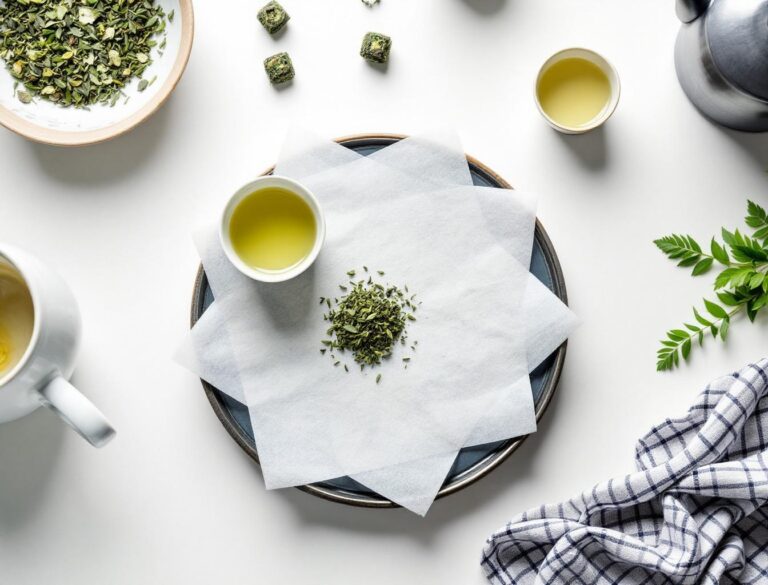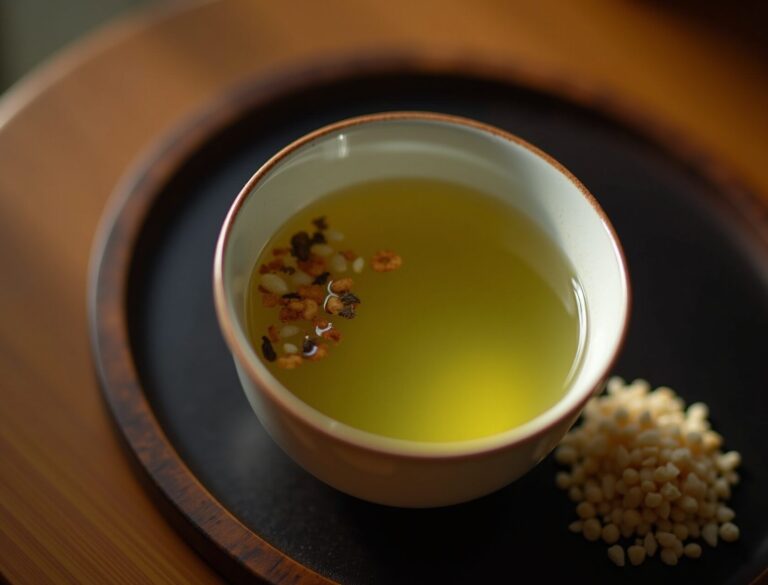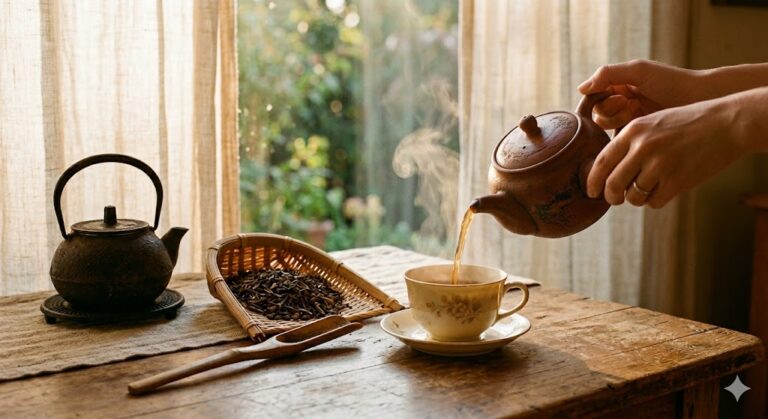
Hojicha vs Genmaicha: How to Choose Between These Two Japanese Teas
Last updated: April 2026
Are you trying to decide between hojicha and genmaicha? You're in the right place! This article dives into the delicious world of these two unique Japanese teas, highlighting their differences, flavors, brewing, and more. By the end, you'll have a clear understanding of hojicha vs genmaicha and which one might be the perfect fit for your palate.
- Hojicha is a roasted Japanese green tea with bold caramel-chocolate flavors and approximately 15–35 mg of caffeine per cup — making it a natural coffee alternative.
- Genmaicha blends green tea leaves with toasted brown rice for a mild, nutty, cereal-like flavor and an even lower caffeine level of around 10–25 mg per cup.
- Both teas are lower in caffeine than standard brewed green or black tea, and in Japan both are traditional after-dinner pours.
- Hojicha is best for bold-flavor seekers and coffee drinkers; genmaicha is best for beginners and those who enjoy tea alongside meals.
- Brewing temperature matters: hojicha tolerates hot water at 90–95°C, while genmaicha performs best at 80–85°C to avoid over-extracting bitterness from its green tea base.
What Are Hojicha and Genmaicha?
Hojicha (焙じ茶) is a Japanese roasted green tea — crafted by firing bancha or kukicha leaves at high temperatures — known for its bold, coffee-like taste with hints of caramel and chocolate. Genmaicha (玄米茶) is a Japanese green tea blended with toasted brown rice, producing a soothing, cereal-like flavor that is comforting and mild. Both are lower in caffeine than most green teas and are enjoyed across Japan as approachable, everyday household teas.
Choosing between the two often comes down to what you're in the mood for: a robust and adventurous cup of hojicha or a gentle, cozy brew of genmaicha. Let's explore these differences in detail!
How Do Hojicha and Genmaicha Compare at a Glance?
Here is a quick side-by-side comparison of hojicha and genmaicha across the categories that matter most — before we dive deeper into each difference.
| Category | Hojicha | Genmaicha |
|---|---|---|
| Base Tea | Roasted bancha or kukicha leaves | Sencha or bancha blended with toasted brown rice |
| Flavor Profile | Caramel, chocolate, coffee-like, smoky | Nutty, cereal-like, mild, slightly sweet |
| Color in Cup | Deep reddish-amber to brown | Golden-yellow to pale green |
| Mouthfeel | Smooth, full-bodied, low bitterness | Light, mellow, gently nutty |
| Caffeine (per cup) | 15 – 35 mg | 10 – 25 mg |
| Traditional place | The after-dinner cup; a coffee-like alternative | The all-day pot, poured with meals |
| Brewing Temp | 90 – 95°C (194 – 203°F) | 80 – 85°C (176 – 185°F) |
| Brewing Time | 30 seconds – 2 minutes | 1 – 3 minutes |
| Price Range (100g) | $12 – $30 (organic: $18 – $35) | $10 – $25 (organic: $15 – $30) |
| Pairs Well With | Chocolate, pastries, savory rice dishes | Light snacks, onigiri, bento lunches |
How Do Hojicha and Genmaicha Taste Different?
Hojicha delivers a bold, roasted flavor profile — rich notes of caramel, chocolate, and coffee — while genmaicha offers a mild, nutty, cereal-like taste shaped by the interplay of green tea leaves and toasted brown rice. The distinction is rooted in how each tea is made: hojicha‘s character comes entirely from high-heat roasting of the leaf itself, while genmaicha‘s flavor is defined by the grain-and-leaf blend. Hojicha, thanks to its roasting process, boasts an intense flavor profile with rich notes of caramel and chocolate, making it reminiscent of a warm coffee drink. The reddish-brown color and earthy aroma add to its inviting nature.
On the other hand, genmaicha offers a mild, nutty taste that comes from the combination of green tea and roasted brown rice. This blend results in a comforting and soothing experience, perfect for those seeking a lighter flavor. While hojicha‘s boldness satisfies tea lovers who crave depth, genmaicha appeals to those looking for a gentle, harmonious drink.
In summary, if you want something robust and flavorful, hojicha is your go-to. But if you're leaning towards a milder, more comforting tea, genmaicha will not disappoint.
What Makes Hojicha and Genmaicha Distinct?
Both hojicha and genmaicha are low in caffeine, which is a big part of why they have become such popular everyday cups in Japan. Hojicha stands out with its lower caffeine content, thanks to the roasting process, making it an easy-drinking, mellow option.
Conversely, genmaicha also has lower caffeine compared to traditional green tea and is a frequent after-dinner pour in Japanese homes. The toasted brown rice gives genmaicha a starchy, comforting quality that many drinkers find easy and pleasant to sip.
Hojicha‘s deep-roasted, mellow character makes it a favorite at the end of a meal, while genmaicha‘s gentle, cereal-like flavor gives it a soothing, approachable profile of its own.
Deeper Dive: Roasting, the Rice, and Flavor Chemistry
The roasting process in hojicha creates aromatic compounds called pyrazines — the same family of toasty molecules behind the smell of coffee and freshly baked bread. These are what give hojicha its signature warming, caramel-edged scent. Roasting also produces melanoidins (the same browning compounds behind caramel's sweetness) and furanones (soft, warm, almost cotton-candy-like aromatics) — together, these compounds build hojicha's layered caramel-coffee character.
Genmaicha keeps the bright, grassy character of its green tea base because the leaves undergo less heat processing. The toasted brown rice then layers in a nutty, cereal-like warmth on top. For a closer look at hojicha‘s flavor and craft, see our guide to what makes hojicha special.
Both teas have a smooth, low-astringency profile, which is part of why drinkers who find coffee or sharply astringent teas harsh tend to reach for them. Hojicha‘s mellow, low-acidity cup is easy and comforting, while genmaicha‘s rice content adds a soft, starchy roundness that makes it a cozy choice after a meal.
How Much Caffeine Is in Hojicha vs Genmaicha?
Hojicha typically contains around 15–35 mg of caffeine per cup and genmaicha around 10–25 mg — both well below the approximately 47 mg found in brewed black tea or 29 mg in standard brewed green tea, according to the U.S. Department of Agriculture (2024, USDA FoodData Central). This makes both teas among the lowest-caffeine options in the Japanese tea family.
Genmaicha, blended with roasted brown rice, has a lower caffeine content still, averaging around 10–25 mg per cup. This makes genmaicha a mild option, well suited to pouring throughout the day.
Ultimately, both hojicha and genmaicha cater to those looking for delicious tea options with lower caffeine levels, allowing you to savor the unique flavors while keeping the cup gentle and easy-drinking.
How Japan Traditionally Serves Them
Both hojicha and genmaicha are traditional evening pours in Japan, prized for their cozy flavor profiles. Hojicha, with its rich, chocolatey flavor from roasted green tea leaves, offers a warming cup that closes a meal beautifully. Its roasted notes create a sense of comfort, making it an inviting choice for a quiet end of the day.
In contrast, genmaicha‘s blend of green tea and toasted brown rice provides a lighter yet equally cozy option. Its gentle, cereal-like flavor makes it an easy, mellow cup for the end of the evening.
Both are gentle, comforting cups. Whether you prefer the bold comfort of hojicha or the subtle warmth of genmaicha, both are classic ways Japanese households end a meal.
What Is the Difference Between Organic and Traditional Hojicha?
Organic hojicha is grown to certified organic farming standards and typically shows a lighter, more delicate flavor, while traditional hojicha uses conventionally grown older leaves and deep-roasting methods that yield a more intense, earthy taste. When discussing hojicha vs genmaicha, it's worth noting that organic hojicha is made from tea leaves cultivated to organic certification standards, giving a light, natural flavor. This variety typically has a delicate taste and aroma, appealing to those who favor light teas.
On the other hand, traditional hojicha uses older leaves and follows conventional roasting methods, resulting in a robust, earthy flavor profile. The deeper, intense roasted notes of traditional hojicha provide a comforting and rich tea-drinking experience.
Choosing between organic and traditional hojicha often depends on your taste preferences and values regarding sustainable practices. While organic hojicha may come at a slightly higher price, the commitment to organic farming makes it an attractive choice for tea enthusiasts.
How Do Roasted Leaves and Toasted Brown Rice Create Different Flavors?
Hojicha gets its distinctive caramel, coffee, and chocolate notes from roasting whole green tea leaves at high temperatures — a process that fundamentally transforms the flavor compounds in the leaf itself. Genmaicha, by contrast, achieves its nutty, cereal-like character by blending minimally processed green tea leaves with toasted brown rice, where the grain supplies the toasted warmth. According to Heiss & Heiss (2007, The Story of Tea), genmaicha originated as a pragmatic way to stretch expensive tea with affordable roasted brown rice — a humble origin that has since evolved into one of Japan's most beloved tea traditions. Hojicha has its own origin story: it traces to 1920s Kyoto, where a tea merchant began roasting unsold bancha over charcoal to extend its shelf life and mellow its bitterness. The technique caught on so widely that it became its own tea category, and Kyoto is still considered hojicha's spiritual home today.
In contrast, genmaicha combines green tea leaves with roasted brown rice, which creates a unique cereal-like taste. The roasted rice contributes toasted notes that enhance the tea‘s mild flavor, providing a lighter and more comforting option compared to hojicha.
In terms of caffeine, genmaicha has less than hojicha due to the blend with roasted brown rice. The roasted leaves in hojicha create a robust experience, while the roasted rice in genmaicha offers a gentle, soothing taste. Each tea provides a distinctive experience that caters to various preferences.
How Do You Brew Hojicha vs Genmaicha?
Getting the most out of your hojicha or genmaicha starts with proper brewing. While both teas are forgiving compared to delicate matcha or gyokuro, their ideal parameters differ because of how each tea is processed.
How to Brew Hojicha
Because hojicha is already roasted, it can handle hotter water without turning bitter. This is one of the reasons it is often recommended as a beginner-friendly Japanese tea.
- Water temperature: 90 – 95°C (194 – 203°F)
- Tea amount: 3 – 4 grams (about 2 tablespoons of loose leaf) per 200 ml
- Steep time: 30 seconds for the first infusion, up to 2 minutes for subsequent steeps
- Re-steeps: 2 – 3 infusions, increasing time by 15 – 30 seconds each round
Pro tip: For an extra-smooth cup, try a quick 15-second rinse before your first steep. This “wakes up” the roasted leaves and releases their full aroma.
How to Brew Genmaicha
Genmaicha calls for slightly cooler water to preserve the delicate green tea flavors without over-extracting bitterness from the leaves. Higher water temperatures increase the extraction of catechins and tannins, producing a more astringent cup (Komes et al., 2010, Food Research International), so 80–85°C is the recommended sweet spot. The toasted rice is quite resilient, so the balance between leaf and rice comes from water temperature control.
- Water temperature: 80 – 85°C (176 – 185°F)
- Tea amount: 3 – 5 grams (about 2 tablespoons) per 200 ml
- Steep time: 1 – 3 minutes for the first infusion
- Re-steeps: 1 – 2 additional infusions, though flavors fade faster than hojicha
Pro tip: If you enjoy the rice flavor, use a slightly higher ratio of tea to water. The popped rice grains release more toasty notes when there is room for them to expand in the teapot.
Because genmaicha's traditional role is as a meal companion, many households in Japan pour a small cup with each course rather than brewing one large pot — the toasty grain notes act as a gentle palate cleanser between bites.
Cold Brewing Both Teas
Both hojicha and genmaicha make excellent cold brews. Place 5 – 6 grams of tea in 500 ml of cold water, refrigerate for 4 – 8 hours, and strain. Cold-brewed hojicha develops a sweet, almost candy-like smoothness, while cold-brewed genmaicha brings out a refreshing grain-forward profile that is perfect for warm weather.
How Do Hojicha and Genmaicha Compare in a Side-by-Side Taste Test?
In a direct side-by-side comparison, hojicha stands out for its roasted intensity — caramel, coffee, and chocolate in every sip — while genmaicha impresses with its mild, grain-forward warmth and approachable sweetness. Here is how the two teas compare across key tasting dimensions.
Hojicha‘s Roasted Notes: Hojicha delivers a roasted flavor profile with hints of caramel, coffee, and chocolate, providing a rich and robust drinking experience. It's like having a warm hug in a cup!
Genmaicha‘s Cereal-Like Taste: Genmaicha presents a milder, nutty flavor with a touch of roasted brown rice, creating a comforting and soothing tea experience that feels like a cozy blanket.
Intensity Comparison: Hojicha‘s intense and roasted flavors stand in contrast to genmaicha‘s lighter and more warming taste, catering to different preferences for tea lovers.
Caffeine Content: Hojicha generally has more caffeine than genmaicha due to its roasting process, making it a flavorful, mellow choice.
Unique Drinking Experiences: With hojicha resembling a coffee-like beverage and genmaicha delivering cereal-like comfort, each sip offers a distinctive experience that showcases the beauty of these teas.
This taste test highlights the diverse flavors and characteristics that hojicha and genmaicha bring to your tea-drinking moments. Each has its unique charm, making it easy to appreciate both!
What Food Pairs Best with Hojicha and Genmaicha?
Beyond the quick “pairs well with” summary above, here is a closer look at how each tea works at the table.
- Hojicha suits Japanese sweets like wagashi, mochi, and anko (red bean), plus chocolate, pastries, and breakfast fare like toast and eggs. Its bold roasted character also holds up well in milk-based desserts such as hojicha ice cream.
- Genmaicha is the traditional companion to savory Japanese food: sushi and sashimi, onigiri and rice dishes, tempura and other fried foods, and light soups like miso soup. The toasty rice notes work as a gentle palate cleanser between bites without competing with delicate flavors.
How Do Hojicha and Genmaicha Compare on Price and Value?
Genmaicha is generally the more affordable of the two — typically $10–$20 per 100 g for conventional grades — while hojicha ranges from $12–$22 per 100 g, though both are among the most budget-friendly options in the Japanese tea world. Both teas are among the more affordable Japanese green teas, especially compared to premium sencha or matcha. Here is what you can generally expect.
- Conventional hojicha: $12 – $22 per 100 g
- Organic hojicha: $18 – $35 per 100 g
- Conventional genmaicha: $10 – $20 per 100 g
- Organic genmaicha: $15 – $30 per 100 g
Genmaicha tends to be slightly less expensive because the toasted brown rice acts as a filler, reducing the amount of pure tea leaf per gram. Hojicha, especially single-origin varieties from regions like Miyazaki or Yame, can command a premium for its labor-intensive roasting process.
That said, both teas offer outstanding value in the Japanese tea world. You get complex, satisfying flavors without the steep price tag of competition-grade teas. And because both are forgiving during brewing, you waste less tea learning to prepare them perfectly.
Which One Should You Choose? A Decision Guide
Still torn between hojicha and genmaicha? Here is a simple guide based on what you are looking for.
Choose Hojicha If You…
- Want a coffee alternative — Hojicha‘s roasted, caramel-forward flavor makes the transition from coffee to tea feel natural. Best for: coffee drinkers and bold-flavor seekers.
- Prefer bold, warming flavors — The roasting process gives hojicha depth that lighter teas simply do not have.
- Want a mellow evening cup — With only 15 – 35 mg of caffeine, hojicha is an easy-drinking choice for the end of the day.
- Enjoy experimenting with tea lattes — Hojicha pairs beautifully with oat milk, creating a creamy, dessert-like drink. For a simple version, whisk 1.5 teaspoons of hojicha powder into 30 ml of 85°C water, then pour over 150 ml of steamed oat milk.
Choose Genmaicha If You…
- Love cereal-like, comforting flavors — The toasted rice gives genmaicha a warm, nostalgic quality that is unlike any other tea. Best for: beginners to Japanese tea and mealtime drinkers.
- Want the lowest possible caffeine — At just 10 – 25 mg per cup, genmaicha is one of the mildest options available.
- Drink tea with meals — Genmaicha‘s light flavor and grain notes complement Japanese cuisine, from sushi to onigiri. Explore our genmaicha tea guide for more on this versatile tea.
- Are new to Japanese tea — Its approachable, mild flavor makes genmaicha a perfect entry point.
Or Try Both!
Honestly, most tea lovers end up keeping both in their cupboard. Hojicha for afternoon and evening sipping, genmaicha for mornings and mealtimes. They complement each other perfectly in a well-rounded Japanese tea collection. For another mellow option, consider exploring bancha tea, since bancha is the base leaf that hojicha is often made from.
Frequently Asked Questions
What is the main difference between hojicha and genmaicha?
The core difference is how each tea gets its flavor. Hojicha is green tea that has been roasted at high heat, giving it caramel, coffee, and chocolate notes. Genmaicha is green tea blended with toasted brown rice, giving it a mild, nutty, cereal-like character. Both are low in caffeine and easy to brew, so the best choice comes down to whether you want a bold roasted cup or a gentle grain-forward one.
Can I mix hojicha and genmaicha together?
Absolutely! Blending hojicha with genmaicha creates a unique cup that combines roasted depth with nutty, grain-forward warmth. Some Japanese tea shops even sell this blend commercially. To try it at home, mix equal parts of each tea and brew at 85°C (185°F) for about 90 seconds. The result is a comforting, full-bodied brew with layers of flavor.
Which has less caffeine, hojicha or genmaicha?
Genmaicha typically has slightly less caffeine at 10 – 25 mg per cup, compared to hojicha‘s 15 – 35 mg. This is because the toasted brown rice in genmaicha dilutes the overall tea leaf content, further reducing caffeine. Both sit at the low end of the Japanese tea caffeine range.
What does genmaicha taste like compared to hojicha?
Genmaicha has a mild, nutty, cereal-like flavor with a touch of sweetness from the toasted rice. Think of it as a warm, comforting grain tea with a green tea backbone. Hojicha, on the other hand, tastes roasted, smoky, and caramel-like — closer to a light coffee or roasted barley tea. If genmaicha is a cozy blanket, hojicha is a warm fireplace.
Can I cold brew both hojicha and genmaicha?
Yes, both teas cold brew beautifully. Use about 5 – 6 grams of tea per 500 ml of cold water and refrigerate for 4 – 8 hours. Cold-brewed hojicha becomes remarkably sweet and smooth with almost no bitterness. Cold-brewed genmaicha develops a refreshing, grain-forward taste that is perfect for summer.
Which tea is better for beginners?
Genmaicha is often the easier starting point — its toasted rice softens the grassy notes that newcomers sometimes find sharp, and it is hard to over-brew into bitterness. That said, hojicha is also very beginner-friendly because its roasted leaves tolerate hot water well. Both are forgiving, approachable teas, so you can comfortably start with either.
Conclusion
In conclusion, whether you prefer the robust and smoky notes of hojicha or the lighter and nutty undertones of genmaicha, both teas offer unique flavors worth exploring. Understanding the differences in flavor profiles, brewing methods, and personal preferences can help you discover the perfect tea for your taste.
So, dive into the world of hojicha vs genmaicha, experiment with both, and enjoy the delightful experiences each cup brings. Cheers to your tea journey!
Shop Our Hojicha and Genmaicha
Ready to try authentic Japanese hojicha for yourself? We source directly from organic farms across Japan:
- Miyazaki Organic Hojicha — Stone-roasted with a smooth, nutty flavor. Best for: hojicha beginners wanting a gentle, approachable introduction.
- Shizuoka Organic Hojicha — Charcoal-roasted with a warm, toasty flavor. Best for: coffee drinkers seeking a bold, full-bodied tea alternative.
- Yame Organic Hojicha — Premium stone-milled hojicha from Yame. Best for: gift-giving and special occasion sipping.
Related Japanese Tea Guides
Expand your Japanese tea knowledge with these guides from our collection:
- A Complete Guide to Hojicha — A deep dive into the craft and flavor of hojicha.
- Genmaicha Tea Guide — Everything you need to know about this toasted rice tea.
- Bancha Tea Guide — Discover the everyday Japanese tea that forms the base of hojicha.
- More About Bancha Tea — Another look at this versatile, underrated Japanese green tea.
- Cold Brew Hojicha — The easiest way to make a smooth roasted iced tea.
Which Japanese Tea Are You? Take the 60-second quiz
🍵 Torn between the two? Take our 60-second quiz: Find Your Perfect Japanese Tea
Get a personalized recommendation — plus a discount code for your first order.