Best Japanese Tea for Cold Brewing: The Complete Guide (2026)
Cold brewing Japanese tea is one of the simplest ways to unlock extraordinary flavor with minimal effort. Unlike hot brewing — where temperature matters enormously and timing is critical — cold brewing is almost impossible to ruin. It's also the best way to taste Japanese tea's natural sweetness, since cold water extracts far fewer bitter compounds than hot water.
This guide covers the best Japanese teas for cold brewing, correct ratios and steep times, what flavor differences to expect, and which products from our shop are worth trying first.
🍵 Not sure where to start? Take our 60-second quiz: Find Your Perfect Japanese Tea
Get a personalized recommendation — plus a discount code for your first order.
Why Cold Brew Japanese Tea?
Cold water extraction is fundamentally different from hot brewing:
- Lower bitterness: Cold water extracts fewer catechins (the astringent compounds in green tea), producing a sweeter, smoother cup
- More sweetness: Theanine and sugars are relatively more soluble in cold water, making cold brew naturally sweeter than hot-brewed equivalents
- Longer window: Cold brew can steep for 6–12 hours without becoming over-extracted — perfect for overnight preparation
- Refreshing format: Ready-to-drink straight from the refrigerator, no cooling required
The Best Japanese Teas for Cold Brewing
1. Sencha — The Classic Cold Brew
Sencha is the most popular cold brew choice for good reason. The cold extraction strips away most of its potential bitterness while leaving behind the fresh, grassy sweetness and clean finish that makes sencha distinctive. Cold brew sencha has a bright, almost effervescent quality that's completely different from hot-brewed versions.
Ratio: 5–6g per 500ml cold water
Time: 4–8 hours refrigerated
Flavor: Light, sweet, fresh, herbaceous
2. Gyokuro — The Luxury Cold Brew
Gyokuro's high L-theanine content makes cold brewing exceptional — the umami sweetness comes forward dramatically while the potential bitterness of this intense tea is almost completely suppressed. Cold brew gyokuro is one of the most luxurious, distinctive cold beverages in the tea world. Worth the premium price for special occasions.
Ratio: 6–8g per 300ml cold water (smaller volume, concentrated result)
Time: 2–4 hours (shorter than sencha — gyokuro extracts faster due to higher amino acid content)
Flavor: Silky, deeply sweet, strong umami, no bitterness
3. Kabusecha — Balanced Cold Brew
Kabusecha sits between sencha and gyokuro and cold brews beautifully in that middle territory. The umami from shading is noticeable without overwhelming; the natural sweetness is excellent. Cold brew kabusecha is our top recommendation for someone exploring shaded teas for the first time.
Ratio: 5g per 400ml cold water
Time: 6–8 hours
Flavor: Sweet, rounded, softly umami, clean finish
4. Hojicha — The Refreshing Cold Brew
Cold brew hojicha is the summer cold brew surprise. The roasted caramel flavors become light and clean when cold brewed, with a pleasant smoky sweetness and essentially no bitterness. Very low caffeine makes it ideal for afternoon or evening sipping — try our hojicha cold brew recipe for a simple, rewarding method.
Ratio: 8–10g per 500ml cold water (hojicha needs more leaf volume than other teas cold brewed)
Time: 6–12 hours
Flavor: Caramel, light smoke, sweet, very refreshing
5. Genmaicha — The Most Distinctive Cold Brew
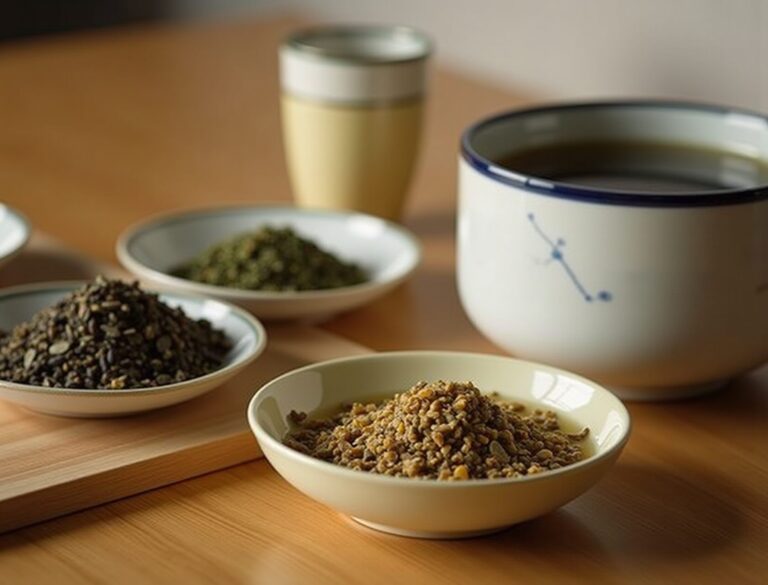
Cold brew genmaicha is genuinely unique. The toasted rice component creates a rich, savory-sweet flavor that's unlike anything else — almost broth-like in its warmth despite being served cold. Exceptional for food pairing; an unusual gift option for adventurous palates.
Ratio: 8g per 500ml cold water
Time: 8–12 hours
Flavor: Nutty, savory-sweet, warming despite being cold
Cold Brew Comparison Table
| Tea | Ratio (per 500ml) | Time | Bitterness | Sweetness | Best For |
|---|---|---|---|---|---|
| Sencha | 5–6g | 4–8h | Very low | High | Everyday cold brew |
| Gyokuro | 6–8g / 300ml | 2–4h | None | Very high | Special occasion |
| Kabusecha | 5g | 6–8h | None | High | Exploring shaded teas |
| Hojicha | 8–10g | 6–12h | None | Moderate-high | Afternoon/evening, low caffeine |
| Genmaicha | 8g | 8–12h | None | Moderate | Unique flavor experience |
Equipment for Cold Brewing Japanese Tea
The Pitcher Method
The simplest approach: put loose leaf tea in a fine-mesh strainer set inside a pitcher, fill with cold water, and refrigerate. Remove the strainer after the steep time. This works with any pitcher you already own and requires zero special equipment.
Dedicated Cold Brew Bottles
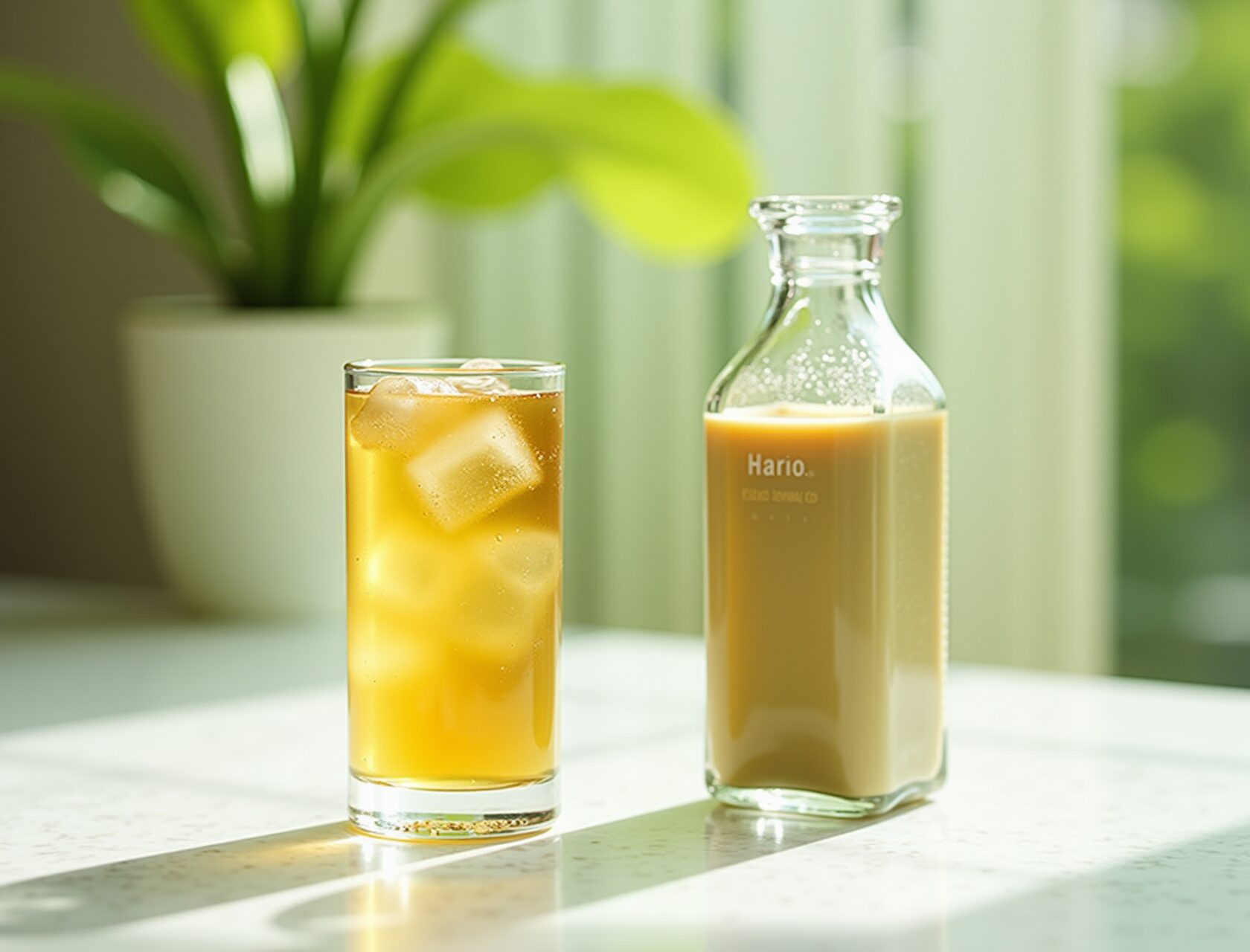
Hario makes several cold brew tea bottles with built-in mesh filters specifically designed for Japanese tea. The Hario cold brew bottle review highlights the Cha Cha model, which holds 750ml and is designed to steep directly in the refrigerator. The wide body and narrow spout make it ideal for both brewing and serving.
Glass Teapot in the Fridge
Many Hario glass teapots can double as cold brew vessels. Place loose leaf in the built-in infuser, fill with cold water, and refrigerate with the infuser in place. Remove after brewing. The wide body and clear glass let you monitor the infusion color.
Cold Brew Tips
- Use filtered water: Cold brew highlights water quality more than hot brewing because there are no volatile aromatics to mask mineral flavors. Use filtered or spring water.
- Use whole leaf: Tea bags and fannings release particles more freely into cold water (they can't be contained as well as in a filter designed for hot brewing). Whole or large-cut loose leaf gives a cleaner result.
- Adjust to taste: Ratio and time are starting points. If your cold brew is too weak after 8 hours, add more leaf next time. If too strong (for gyokuro especially), reduce steep time.
- Drink within 2 days: Cold brew Japanese tea is perishable once made. Drink within 48 hours for best flavor; it begins losing its delicate aromatics after that.
- Don't cold brew tea bags: Commercial tea bag grades are too coarse for cold brew to work well. Loose leaf is essential for quality results.
Frequently Asked Questions
What temperature water should I use for cold brew tea?
Cold or room temperature water — anywhere from 4°C (refrigerator) to 20°C (room temperature). Room temperature cold brew is faster (3–4 hours for most teas) but has a slightly less clean flavor. Refrigerator cold brew takes longer but produces the cleanest, sweetest result.
Can I cold brew Japanese tea too long?
Yes, but the threshold is much more forgiving than hot brewing. Sencha at 12+ hours may become slightly bitter; gyokuro at 6+ hours can become too intense and sweet. Most teas are fine at 4–8 hours and surprisingly stable beyond that. Start within the recommended range and adjust over a few batches.
Is cold brew Japanese tea healthy?
Cold brew tea retains most of the antioxidants, L-theanine, and other beneficial compounds of hot-brewed tea. The lower caffeine extraction (compared to hot brew) is a bonus for some drinkers. There's no meaningful health difference from hot-brewed tea; it's mainly a matter of taste preference.
What's the difference between cold brew and iced tea?
Cold brew steeps in cold water from the start. Iced tea is brewed hot and then cooled. The two produce very different flavor profiles — cold brew is sweeter and smoother; iced tea retains more of the hot-brewed character. For Japanese green tea, cold brew is almost always preferred because hot brewing at high temperatures emphasizes bitterness that cold water avoids.
Shop the teas we recommend for cold brewing: sencha, hojicha, and genmaicha. Pair with a Hario cold brew bottle for the complete setup.